













Winter travel guide to Gozo
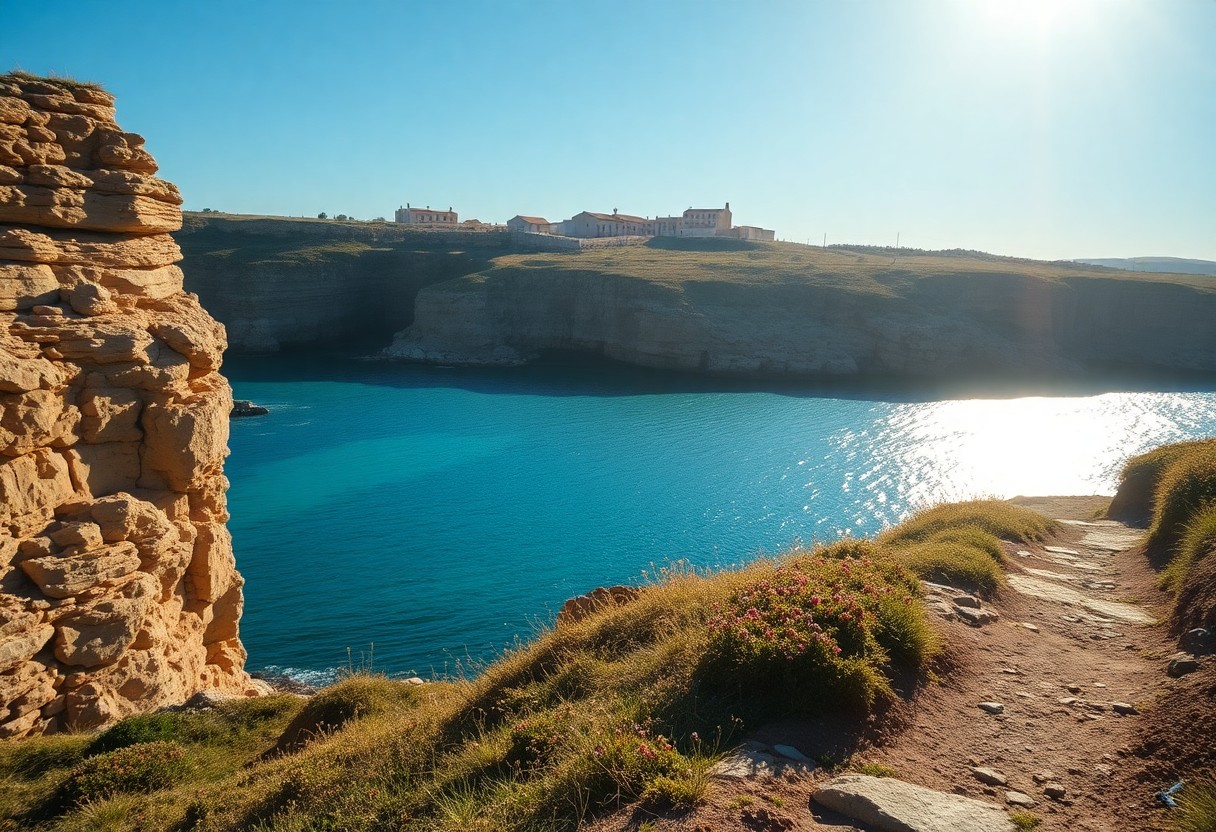
Gozo, Malta's enchanting sister island, offers a tranquil escape for those seeking solace from the typical tourist bustle. Winter reveals a side of Gozo with fewer visitors, allowing travellers to experience its stunning landscapes, rich history, and local culture at a leisurely pace. With mild weather, fewer crowds, and various seasonal events, winter is the perfect time to explore Gozo's charming villages, ancient ruins, and breathtaking coastlines while enjoying the island's authentic vibe.
Key Takeaways:
- Gozo offers a tranquil escape during winter months, ideal for travelers seeking peace away from tourist crowds.
- Visitors can explore cultural sites, natural landscapes, and local cuisine without the usual hustle and bustle.
- Winter weather in Gozo is mild, making it suitable for outdoor activities like hiking and sightseeing.
Overview of Gozo
Geographical Location and Accessibility
Gozo is the second-largest island in the Maltese archipelago, situated just south of Sicily in the Mediterranean Sea. Accessible by ferry from Malta, the crossing takes about 25 minutes, providing scenic views of the coastline. The island covers approximately 67 square kilometers, offering a mix of rolling hills, quaint villages, and stunning coastline that draws nature lovers and adventurers alike.
Cultural Significance
Gozo is steeped in rich history, showcasing a blend of Maltese traditions and influences from various civilizations. The island is home to ancient temples, churches, and archaeological sites that illustrate its long-standing heritage, including the Neolithic Ġgantija Temples, which are among the oldest free-standing structures in the world.


















The cultural tapestry of Gozo is woven from its folklore, craft traditions, and annual festivities. Events like the Feast of the Assumption and the Gozo Carnival attract locals and visitors alike, celebrating the island's deep-rooted customs. Traditional crafts such as lace-making and pottery thrive, with artisans often showcasing their skills at local markets. Preservation of its cultural identity remains a priority, with community initiatives focusing on maintaining the island's historical sites and promoting local artisanship.
Economic Landscape
The economy of Gozo primarily relies on agriculture, tourism, and fishing. While tourism peaks in the summer months, winter offers a quieter but necessary period for local businesses and artisans to focus on sustainability and cultivation. The agricultural sector produces olives, grapes, and vegetables, contributing to a self-sufficient community.
Despite being smaller than Malta, Gozo's economy is diversifying. Recent investments in tourism infrastructure seek to extend the peak travel season, encouraging year-round visits. This includes eco-friendly accommodations and promotion of cultural experiences that highlight local heritage. Furthermore, the island's fishing industry supports not only local livelihoods but also the culinary scene, with fresh seafood being a staple in traditional Gozo dishes, bridging economic activities and cultural practices seamlessly.
The Allure of Winter in Gozo
Mild Weather Conditions
Winter in Gozo brings mild weather, with average temperatures ranging from 10°C to 16°C (50°F to 61°F). This pleasant climate allows for comfortable exploration without the sweltering heat, making outdoor activities like hiking and sightseeing more enjoyable. The cooler days are ideal for strolling along the island's picturesque coastal paths and enjoying the serene ambiance.
Unique Seasonal Attributes
During winter, Gozo transforms into a unique destination, showcasing its rich cultural heritage and natural beauty. Local festivals celebrate traditional food and customs, while fewer tourists allow for a more intimate experience of historical sites. The island's serene atmosphere is perfect for those wishing to connect with the local community and lifestyle.
Festivals such as Santa Maria in February exemplify Gozo's unique winter charm, featuring local delicacies and customs that highlight the island's traditions. Additionally, the quieter ambiance enhances opportunities for travelers to engage with artisans and farmers during seasonal markets, fostering a deep-rooted sense of community. This is a time for cultural enrichment that simply cannot be appreciated in the bustling summer months.
Vibrant Landscape Transitions
Winter is a time of vibrant transitions in Gozo's landscape, marked by blooming wildflowers and lush greenery that revive the countryside after the hot summer. Areas like the Ta' Dbiegi Crafts Village are surrounded by colorful wildflower displays, providing stunning backdrops for photography and exploration. The natural beauty at this time of year is simply breathtaking.
The rich contrast of emerald fields and blue skies sets the stage for calming hikes across the countryside, especially along the coastal cliffs. Moreover, the winter rains rejuvenate the island's ecosystems, resulting in restored vibrancy that attracts nature enthusiasts. Wildflower varieties such as the endemic Maltese rock-centaury bloom, and scenic views are complemented by the serene, less crowded surroundings, making winter walks on Gozo truly enchanting.
Advantages of Visiting Gozo in Winter
Fewer Tourists and Crowds
Visiting Gozo in winter means enjoying the island's stunning landscapes and cultural sites without navigating through throngs of tourists. Popular attractions like the Azure Window and the Citadel are far less congested, allowing for a more intimate experience. Whether wandering through the serene countryside or relaxing on nearly deserted beaches, the absence of crowds enhances the tranquility and enjoyment of each location.
Competitive Pricing on Accommodations
Winter travelers can take advantage of significantly lower prices on accommodations, with many hotels and guesthouses offering discounts of up to 50%. This seasonal dip in demand allows visitors to enjoy luxurious stays at more affordable rates. From quaint bed-and-breakfasts to upscale resorts, options abound for all budgets.
The usual summer prices for popular hotels often drop remarkably in the off-peak months, making it feasible to enjoy premium lodging without breaking the bank. For example, several waterfront hotels that might charge €200 per night in summer can be found for as low as €100 during winter. This price advantage not only promotes a more lavish stay but also allows travelers to explore additional aspects of Gozo they may have otherwise overlooked.
Exclusive Seasonal Experiences
Winter in Gozo brings unique experiences that are not available during the bustling summer months. Local festivals, such as the feast of St. Paul's Shipwreck in February, offer authentic cultural immersion. Visitors can also find fewer competitors at popular hiking trails, enabling a more personal connection with the stunning landscapes.
This season also lends itself to discovering local traditions, such as the artisanal practices showcased during the New Year and Christmas period, where visitors can witness craftspeople at work creating handmade goods. Furthermore, seasonal culinary specialties can be savored at local eateries, giving travelers an authentic taste of the island's rich heritage in a setting that feels both intimate and festive.
Ideal Winter Activities for Travelers
Hiking and Nature Walks
Winter in Gozo offers unparalleled hiking and nature walk opportunities, with trails ranging from easy coastal paths to challenging inland routes. The cooler temperatures and absence of crowds allow for a peaceful exploration of dramatic cliffs, lush valleys, and hidden coves. The scenic path to the Azure Window ruins and the picturesque coastal route at Dwejra are particularly stunning during this season.
Cultural Experiences
Travelers can immerse themselves in Gozo's rich heritage through winter cultural experiences, such as visiting ancient temples and traditional villages. Museums and local artisan workshops provide insights into the island's history and craftsmanship, showcasing everything from pottery to lace-making.
Engaging with local festivals, like the Christmas celebrations in Victoria, enhances cultural understanding. Partake in traditional Maltese cooking classes or guided tours of historic sites like the Ġgantija Temples, one of the oldest freestanding structures in the world, dating back to around 3600-3200 BC. Such interactions offer a deep connection to Gozo's vibrant past.
Unique Outdoor Adventures
Gozo's winter season invites adventure enthusiasts to partake in unique outdoor activities like kayaking and rock climbing. The mild conditions facilitate safe exploration of sea caves and cliffs, making for memorable experiences without the summer crowds.
Kayaking around Gozo's shoreline reveals spectacular sea caves and secluded beaches, which are often overlooked during peak tourist months. Rock climbing hotspots, such as the cliffs near Xlendi Bay, provide both novice and experienced climbers an exhilarating challenge with breathtaking views. Organizations often offer guided experiences to enhance safety and enjoyment, making these adventures accessible to all ages.
Accommodation Options in Winter
Types of Lodging
When considering accommodation in Gozo during winter, options vary widely to suit different preferences and budgets. Visitors can find charming guesthouses, self-catering apartments, hotels, and luxurious villas, each offering unique experiences amidst the tranquil winter backdrop.
- Guesthouses: Cozy and often family-run, providing a personalized stay.
- Self-catering Apartments: Ideal for those wanting flexibility and home-like amenities.
- Hotels: Range from budget-friendly to upscale options with amenities.
- Villas: Perfect for groups or families seeking privacy and space.
- Eco-friendly Lodging: Options for the environmentally conscious traveler.
Any type of accommodation can provide a unique winter experience on this idyllic island.
| Type | Features |
|---|---|
| Guesthouses | Family-run, personalized service |
| Self-catering Apartments | Kitchen facilities, flexibility |
| Hotels | Variety, amenities, dining options |
| Villas | Privacy, spacious, ideal for families |
| Eco-friendly Lodging | Sustainable practices, nature-focused |
Best Areas to Stay
The most suitable areas for accommodation vary, but Xlendi, Victoria, and Marsalforn stand out as prime locations during winter. Xlendi offers beachfront access paired with picturesque views while Victoria serves as the island's capital, rich in history and culture. Marsalforn boasts beautiful coastal scenery, enhanced by a quieter atmosphere in winter months, making it ideal for relaxation.
Xlendi, with its serene bay, provides numerous dining options and beautiful coastal walks. Victoria captivates with historic sites like the Citadel and vibrant local markets. Marsalforn offers a more laid-back vibe, perfect for those wanting to unwind by the sea. Each area presents a unique ambiance, allowing travelers to select the perfect spot that aligns with their winter retreat desires.
Dining Experiences During Winter
Traditional Maltese Cuisine
Winter is the perfect time to savor traditional Maltese dishes that highlight Gozo's rich culinary heritage. Specialties such as rabbit stew, known as “stuffat tal-fenek,” and hearty soups like “minestra” warm the soul. Many restaurants serve these dishes with local ingredients, showcasing the island's agricultural bounty and historical influences.
Recommended Restaurants
For an authentic dining experience, consider visiting Ta' Philip, a family-run eatery famous for its rabbit stew and homemade pasta. Alternatively, Il-Kunċizzjoni in Xewkija offers traditional dishes alongside a cozy atmosphere, making it a beloved local spot. These establishments not only serve delicious meals but also provide insights into Gozo's culinary traditions.
Il-Kunċizzjoni, in particular, features a seasonal menu that changes to reflect local produce, offering patrons the chance to experience fresh flavors unique to winter. The intimate setting enhances the experience, making it an ideal spot for travelers seeking a warm respite while enjoying traditional fare.
Seafood Specialties
Gozo's coastal waters yield an impressive variety of seafood, especially during winter when traditionally caught fish are at their peak. Local favorites include swordfish, octopus, and the famous “lampuka” or mahi-mahi, often prepared in simple yet flavorful dishes that celebrate the ingredients.
The proximity to the sea guarantees freshness, and many restaurants like Trattoria A.D. 1530 offer dishes that highlight this bounty. Try the grilled lampuka dressed with local herbs, or indulge in a seafood platter that showcases a variety of delicacies, ensuring an authentic taste of Gozo's maritime cuisine.
Getting Around Gozo in Winter
Public Transportation Options
Public transportation in Gozo is primarily served by a network of buses that connect key areas and attractions. During winter, the frequency of services may be reduced, but the buses remain a reliable choice for moving around the island. Tickets are affordable, and visitors can reach popular destinations like Victoria and Ramla Bay with ease.
Car Rentals and Scooter Rentals
Renting a car or scooter is an excellent way to explore Gozo's scenic routes and hidden gems independently. Numerous rental agencies offer competitive prices, especially during the off-peak winter season. A car provides the flexibility to visit remote sites at your own pace, while scooters are ideal for a quick and fun way to navigate the island.
Many rental companies feature a diverse fleet, from compact cars to larger family vehicles, accommodating various needs. Rates can be as low as €20 per day for scooter rentals and around €30-€50 for cars, depending on the vehicle type and rental duration. Consider opting for a scooter for easy parking and maneuverability in narrow streets or a car for greater comfort, especially on longer excursions.
Biking and Walking Paths
Gozo's off-season is perfect for biking and walking, with milder temperatures and fewer crowds. A network of trails leads through stunning landscapes, historic sites, and quaint villages, offering immersive experiences in nature. Renting a bike is convenient, with options available throughout the island.
Several mapped routes range from leisurely rides along the coastline to more challenging paths that venture inland. Notable trails include the scenic route along the cliffs towards Dwejra and paths through the picturesque countryside. Walking paths also provide an opportunity to explore Gozo at a leisurely pace, allowing visitors to fully engage with its tranquil charm and rich heritage.
Cultural Festivals and Events
Feast of St. Nicholas
The Feast of St. Nicholas, celebrated on December 6th, brings the small village of Nadur to life with vibrant processions and local traditions. This charming festival is marked by religious rituals, music, and a warm sense of community, attracting both locals and a few curious travelers. The festive atmosphere, enhanced by the sparkling lights and decorations, creates a uniquely intimate experience amidst the island's serene winter landscape.
Carnival Celebrations
Carnival in Gozo is a riot of color and creativity, featuring lively parades, masked balls, and theatrical performances. Typically held in February, the festivities allow locals to embrace artistic expression through elaborate costumes, floats, and musical acts. The celebrations culminate in a mid-February grand spectacle, transforming Gozo's streets into a vibrant carnival scene that lets visitors partake in its rich cultural heritage.
During Carnival, towns such as Victoria and Nadur host some of the most exhilarating events, showcasing traditional band marches and folk dances. The atmosphere is electric, filled with laughter and merriment. Visitors can join in the fun, with many donning costumes themselves, creating a sense of unity and excitement. The festival represents a joyful release before the solemnity of Lent, making it a must-see for those who enjoy immersive cultural experiences.
Christmas Traditions
The local celebration of Christmas also includes unique practices such as the Blessing of the Manger in villages. Families gather to craft elaborate nativity displays, featuring both local figures and traditional elements. Carols fill the air, while the aroma of baked goods wafts through homes, creating an immersive experience for visitors and fostering a genuine connection with Gozo's rich cultural fabric during this festive season.
Practical Travel Tips for Winter Visitors
- Book accommodations in advance to secure the best rates.
- Take advantage of off-season discounts on tourism services.
- Pack layers to adjust to changing weather conditions.
- Rent a car for flexibility in exploring hidden gems.
- Check local event calendars for unique winter experiences.
Dress Appropriately for Weather
Winter temperatures in Gozo can drop to around 10°C (50°F) in the evenings, so layering is key. Opt for a warm jacket, a light sweater, and waterproof footwear to navigate the occasional rainy day comfortably. Don't forget a scarf and hat, especially for coastal areas where winds can be brisk.
Planning Your Itinerary
Maximize your Gozo experience by tailoring an itinerary that reflects your interests. Winter offers a quieter pace, making it ideal to explore cultural landmarks, hiking trails, and local eateries without the crowds. Consider dedicating time to festivals and unique attractions available during this season.
Allocating full days to specific regions allows for deeper exploration. For instance, start with a day dedicated to Victoria, the capital, visiting the Citadel and local markets. Then, set aside another day for coastal trails and secluded beaches like Ramla Bay for stunning views and tranquility. Prioritize early or late hours for popular spots to avoid any lingering tourists.
Understanding Local Customs
Engaging with local customs enriches your travel experience in Gozo. Many residents are eager to share their traditions, especially during winter festivities. Be open to trying traditional dishes, such as “kunserva,” a tomato paste used in various recipes, and participate in local gatherings to gain insights into their way of life.
Being respectful of local customs enhances your interactions. For example, it's common for locals to take their time during meals, so embrace the slower pace when dining out. Understanding cultural nuances, such as greeting locals with a friendly nod or a simple “merhba,” can foster goodwill. Perceiving these subtleties will enable a more immersive and rewarding journey.
Environmental Concerns and Tourism Impact
Sustainable Tourism Practices
Gozo is increasingly focusing on sustainable tourism practices to minimize ecological footprints. Initiatives like eco-friendly accommodations and guided nature tours aim to educate visitors while reducing their impact on the environment. The island promotes responsible travel behaviors, encouraging tourists to engage in activities that nurture rather than exploit its natural resources.
Supporting Local Businesses
Prioritizing local businesses enhances Gozo's economy and fosters authentic experiences. Tourists are encouraged to dine at family-run restaurants, shop at local markets, and participate in workshops showcasing traditional crafts. This not only provides income to residents but also creates a vibrant community atmosphere.
By choosing to engage with local artisans, farmers, and service providers, visitors contribute to the preservation of Gozo's character. For instance, purchasing handmade pottery or participating in culinary classes helps sustain these passions and keeps cultural traditions alive. The more travelers support these ventures, the stronger the economic benefit returns to the local populace, ensuring the community thrives while preserving its heritage.
Preservation of Heritage and Nature
Efforts to preserve Gozo's rich heritage and pristine natural surroundings are vital in the face of tourism growth. Conservation programs aim to protect sites like the Ġgantija Temples and the unique biodiversity of its coastal areas, ensuring that future generations can appreciate these treasures.
Preservation initiatives include habitat restoration projects and community-led heritage conservation efforts, which involve locals in the decision-making process. By integrating local knowledge and priorities, these projects not only protect ecological and historical landmarks but also promote awareness and appreciation among visitors. Successful case studies, such as the restoration of the quiet Ramla Bay area, showcase how thoughtful management can balance tourism with environmental integrity, ultimately enriching Gozo's allure without compromising its values.
Challenges of Winter Travel in Gozo
Limited Daylight Hours
During winter, Gozo experiences limited daylight, with sunset occurring as early as 5 PM. This shortened daylight can restrict outdoor exploration, making it vital for travelers to plan their activities accordingly. Visitors may want to start their days earlier to make the most of the available sunlight.
Possible Weather Related Changes
Winter in Gozo can bring unpredictable weather patterns, including sudden rain showers and chilly winds. Such changes may lead to alterations in travel plans, as some outdoor activities might become less feasible or enjoyable. Being flexible and checking forecasts daily can help travelers adapt.
Additionally, average temperatures in winter range from 10°C to 16°C, which can be invigorating but uncomfortable for those ill-prepared. It's advisable to dress in layers and keep an eye on weather updates, especially if planning hikes or other outdoor adventures. This way, travelers can ensure a comfortable experience amidst any unexpected changes.
Accessibility to Certain Attractions
Some attractions in Gozo may have limited accessibility during the winter months due to seasonal closures or reduced operating hours. Key sites like the Azure Window or certain beaches might not be fully available, which could disappoint travelers seeking iconic sights.
Moreover, activities such as boat tours around the island can be impacted by winter sea conditions, leading to cancellations or modifications in services. It's prudent for travelers to research ahead of time and adjust itineraries based on which attractions are open, ensuring a smooth experience while enjoying the beauty of Gozo's winter landscape.
Testimonials from Winter Visitors
Personal Experiences and Reviews
Winter visitors to Gozo often describe their experiences as uniquely tranquil. Many travelers appreciate the quiet charm of the island, with comments highlighting the ease of exploring without the summer crowds. One traveler remarked on the serene beauty of the coastline, stating that the lack of tourists allowed for uninterrupted moments of reflection and connection with nature.
Highlights of Winter Travel
Winter travel in Gozo unveils stunning seascapes and rich cultural experiences that many overlook in busier seasons. Outdoor enthusiasts revel in the opportunity to hike trails that boast breathtaking vistas, while history aficionados enjoy fewer crowds at cultural sites like the Ġgantija Temples. The island's mild climate opens up possibilities for exploring at a relaxed pace.
The quiet atmosphere during winter enhances the experience of visiting Gozo's natural wonders. Hikers can traverse scenic paths like the Xlendi to Sannat route, often spotting diverse birdlife or capturing captivating sunsets. Furthermore, participating in local festivals, such as the Feast of St. Paul's Shipwreck in February, allows visitors to immerse themselves in vibrant local traditions while interacting more deeply with residents.
Lessons Learned
Travelers often discover the need for flexibility when visiting Gozo in winter. Weather changes can be unpredictable, so adaptable plans lead to more enjoyable experiences. Many suggest checking local events ahead of time and using shorter daylight hours to prioritize must-see sights.
Understanding the ebb and flow of winter tourism reveals that spontaneity often leads to the best memories. For instance, experiencing a sudden downpour can shift plans towards indoor activities, such as visiting local artisan shops or indulging in culinary delights at cozy restaurants. This adaptability becomes a cherished part of the adventure, highlighting the importance of remaining open to the unexpected joys of winter travel.
Comparison with Other Mediterranean Destinations
| Destination | Features |
| Gozo | Quiet, scenic landscapes, rich history, low tourist density, affordable accommodations. |
| Sardinia | Stunning beaches, luxury resorts, higher tourist volumes, popular summer destination. |
| Crete | Diverse attractions, bustling towns, often crowded, vibrant nightlife. |
| Cyprus | Rich culture, historical sites, commercialized resorts, mixed crowd sizes. |
Advantages Over Other Islands
Gozo offers a tranquil alternative to popular Mediterranean islands, with fewer visitors allowing for a more relaxed experience. The island's affordability, coupled with its rich cultural heritage, hiking trails, and pristine beaches, ensures a unique getaway without the typical tourist hustle.
Unique Aspects of Gozo
Gozo stands out due to its distinct blend of natural beauty and cultural richness. Its small size allows for easy exploration of ancient temples, historical sites, and scenic coves, making it a captivating destination for those seeking authenticity away from the tourist traps.
Notably, Gozo is home to the Megalithic Temples of Ġgantija, one of the oldest free-standing structures in the world, highlighting its historical significance. The island's rugged terrain features the iconic Azure Window-now collapsed but still a symbol of natural beauty-and various hiking routes that showcase unique flora and fauna. The local artisanal culture, including traditional lacework and pottery, further enriches the Gozo experience.
Why Gozo Stands Out
Gozo's allure lies in its unique combination of serene landscapes, archaeological wonders, and strong community ties. Unlike busier Mediterranean hotspots, its serene ambiance offers a reclusive retreat and genuine interactions with local lifestyles.
What sets Gozo apart is its dedication to preserving local traditions and natural landscapes, with a commitment to sustainable tourism evident in various community initiatives. Visitors are often drawn to the island's charming villages, like Xlendi and Victoria, where local festivals and authentic cuisine thrive, allowing for a deeper appreciation of Gozitan culture. This creates an intimate setting that encourages exploration and connection, which is increasingly rare in popular tourist destinations.
Conclusion
As a reminder, visiting Gozo in winter offers a serene escape for travelers seeking to avoid the crowds. The island's mild climate, stunning landscapes, and rich cultural heritage remain accessible and inviting during this off-peak season. With fewer tourists, visitors can explore historic sites, enjoy local cuisine, and fully appreciate the tranquil beauty that Gozo uniquely provides. This season not only enhances the experience but also encourages a deeper connection with the island's authentic charm, making it an ideal time for a memorable getaway.
FAQs
Is winter a good time to visit Gozo?
Yes, winter is an excellent time to visit Gozo due to fewer tourists, mild weather, lower accommodation prices, and a more authentic local experience.
What is the weather like in Gozo during winter?
Winter temperatures in Gozo typically range between 10°C and 16°C, making it comfortable for sightseeing, hiking, and outdoor activities.
Are attractions and sites open in Gozo during winter?
Most cultural sites, villages, and landmarks remain open in winter, although some attractions may have reduced hours or seasonal closures.
Is Gozo less crowded in winter than in summer?
Yes, winter sees significantly fewer visitors, allowing travelers to explore popular sites and natural landscapes without crowds.
What activities can travelers enjoy in Gozo during winter?
Winter visitors can enjoy hiking, cultural festivals, museum visits, coastal walks, local cuisine, and outdoor adventures like kayaking and rock climbing.
Are accommodation prices cheaper in Gozo during winter?
Yes, accommodation prices often drop by up to 50% during winter, offering excellent value across hotels, guesthouses, apartments, and villas.
Can I hike and explore nature in Gozo during winter?
Absolutely. Winter is ideal for hiking due to cooler temperatures, greener landscapes, blooming wildflowers, and quieter trails.
How do travelers get around Gozo in winter?
Visitors can use public buses, rent cars or scooters, or explore on foot and by bicycle, with winter offering quieter roads and lower rental rates.
Are there festivals or events in Gozo during winter?
Yes, winter features cultural events such as Christmas celebrations, Carnival, the Feast of St. Nicholas, and other local religious and cultural festivals.
What should travelers pack for a winter trip to Gozo?
Travelers should pack layered clothing, a warm jacket, comfortable walking shoes, and waterproof items to prepare for cooler evenings and occasional rain.

Paula Nancy
Hello and Welcome to my profile. I'm a UK based entrenched full-time Blogger, Journalist, columnist and a certified writer with many years of sound writing experience. If you need a high-quality and original content, I'm here to provide you with the best writing services.
Related Posts
Year round travel in Malta
May 12, 2026
Spring Adventures In Malta
May 11, 2026
Malta Early Spring Travel Boom
May 9, 2026

Budget airlines lift Malta tourism
May 8, 2026

Spring visitors spend more in Malta
May 7, 2026

Malta airport traffic rises in spring
May 6, 2026

Malta hotel occupancy trends in spring
May 5, 2026

Malta attracts new spring travelers
May 4, 2026
Malta tourism tests power grid
May 2, 2026