

















Greece’s Online Gambling Industry – Lacking Adequate Oversight?
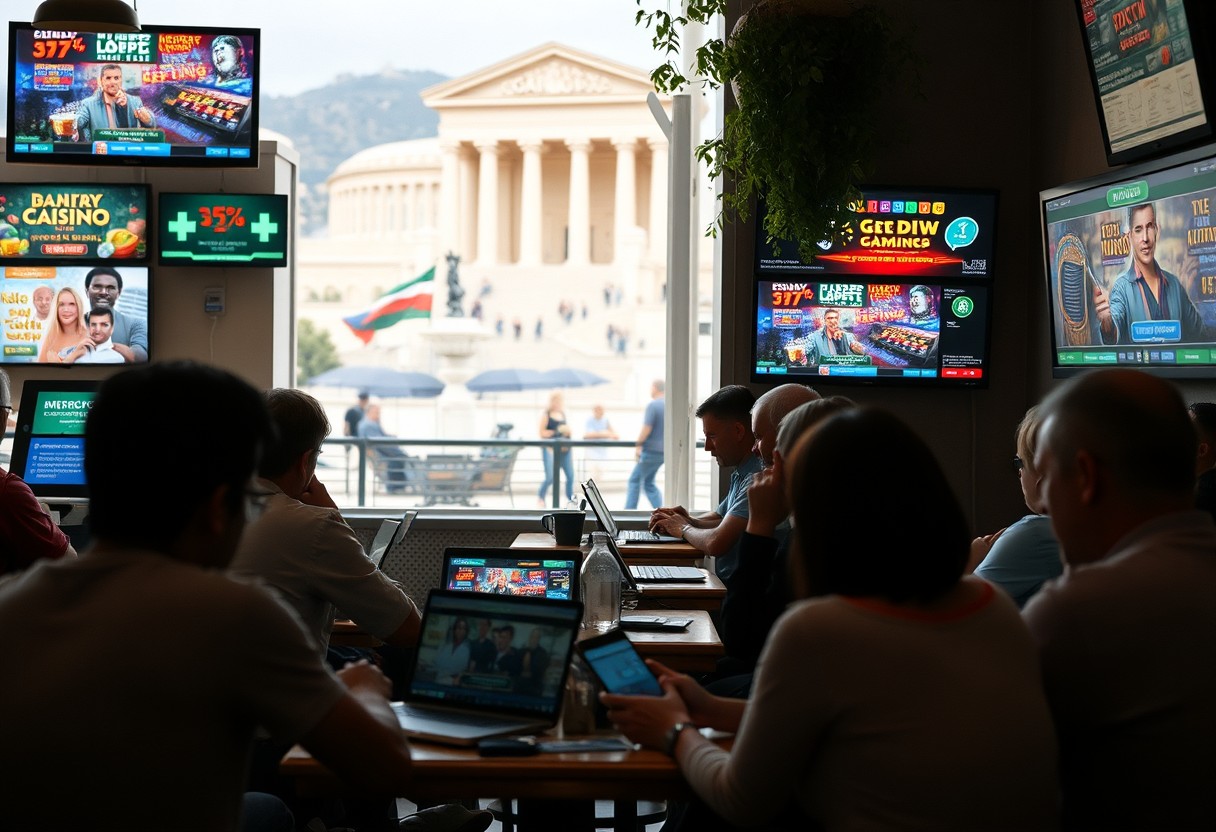
With the rapid expansion of Greece's online gambling industry, you may find yourself questioning whether there is sufficient oversight to protect players and ensure fair practices. As the digital landscape evolves, understanding the regulatory framework governing online gambling becomes important for safeguarding your interests. In this blog post, we will explore the current state of the industry, highlight potential gaps in oversight, and discuss what it means for you as an online gambler in Greece.
Overview of Greece's Online Gambling Industry
While Greece's online gambling industry has undergone significant changes over the past decade, it remains a hotly debated topic among regulators and stakeholders. The increasing popularity and accessibility of online gambling have led to calls for more robust oversight and regulations to ensure fair play and consumer protection.
Historical Context
Greece's online gambling landscape began evolving in the early 2000s, with a burgeoning interest in both local and international operators. The government attempted to regulate the sector, which culminated in the 2011 gambling law that aimed to oversee online betting activities and pave the way for licensing. Despite these efforts, gaps in regulation have persisted, impacting the industry's growth.










Current Market Landscape
One of the most notable aspects of Greece's current online gambling market is its rapid expansion, driven by increased internet connectivity and mobile technology. More players are turning to online platforms for sports betting, casino games, and poker. However, the market is still grappling with regulatory challenges and competition from unlicensed operators.
For instance, recent estimates indicate that the online gambling market in Greece could be worth approximately €1 billion, showcasing a robust customer base that is engaging both domestically and with international platforms. The demand for diverse gaming options, along with user-friendly digital experiences, is fueling this growth. Nevertheless, the lack of comprehensive regulatory oversight raises concerns regarding consumer safety and responsible gambling practices.
Major Players in the Industry
With the evolving landscape of Greece's online gambling scene, numerous major players have emerged, each vying for a share of the lucrative market. Licensed operators like OPAP and several international platforms have adapted their services to meet local preferences while often neglecting the regulatory frameworks in place.
Plus, leading international brands such as Betsson and Sportingbet have made significant inroads, attracting Greek players with enticing bonuses and promotional offers. This competitive environment necessitates close scrutiny from regulators to ensure compliance with local laws and protect consumers from potential exploitation. As a participant in this market, you must be aware of both licensed options and the potential risks associated with unregulated platforms.
Regulatory Framework
Assuming you're navigating the complexities of Greece's online gambling landscape, understanding its regulatory framework is vital. This framework consists of various legal norms and guidelines that govern gambling activities, ensuring both consumer protection and fair market practices.
Structure of Gambling Legislation
On the surface, Greece's gambling legislation is multifaceted, combining laws that cover both land-based and online gambling sectors. Recent reforms have aimed to modernize the industry, focusing on integration and oversight to promote safer gambling practices.
Licensing Requirements
Gambling operators must adhere to stringent licensing requirements to ensure compliance with national regulations. Each operator goes through a rigorous application process, which assesses their financial stability, operational integrity, and adherence to player protection measures.
For instance, potential licensees must provide comprehensive documentation proving their operational capabilities and financial soundness. The Hellenic Gaming Commission evaluates these applications, often requiring sufficient proof of ethics and compliance with responsible gambling initiatives before granting approval.
Role of the Hellenic Gaming Commission
With the overarching responsibility of regulating all gambling activities, the Hellenic Gaming Commission plays a crucial role in monitoring compliance and ensuring fairness in the industry. This body is tasked with licensing operators and enforcing regulations to safeguard players' interests.
Commission officials regularly conduct audits and inspections to ensure that licensed operators are operating within legal parameters. Should any irregularities or violations arise, the Commission has the authority to impose penalties, revoke licenses, or even resort to criminal charges against non-compliant entities.
Challenges in Oversight
Once again, the limitations within Greece's online gambling oversight have come to light. Despite having regulatory frameworks in place, challenges remain that hinder effective governance and consumer protection within the industry.
Inadequate Regulatory Measures
Measures to regulate the online gambling industry in Greece have proven insufficient. There are gaps in legislation that allow for unlicensed operators to thrive, putting consumers at risk and undermining the integrity of the market. This lack of robust measures raises concerns about player safety and regulatory compliance.
Comparison with Other European Countries
Countries with stronger regulatory frameworks tend to offer greater player protection and fairness in gambling practices. The following table illustrates how Greece's approach measures against that of its European counterparts:
| Country | Regulatory Strength |
|---|---|
| Greece | Weak |
| UK | Strong |
| Sweden | Strong |
| France | Moderate |
Regulatory frameworks in countries like the UK and Sweden serve as benchmarks for effective governance. These nations prioritize player safety, impose stringent licensing requirements, and actively enforce compliance, leading to a more trustful gambling environment.
Issues of Enforcement and Compliance
On top of inadequate measures, enforcement and compliance issues further complicate the regulation of online gambling. Regulatory bodies often struggle to monitor operators effectively, leading to situations where unlawful activities can go unchecked.
With limited enforcement capabilities, players may find themselves at the mercy of unregulated operators, which can result in compromised security and unsatisfactory experiences. Strengthening compliance mechanisms is important to ensure that all players receive fair treatment and protection against fraudulent practices.
Impact of Technology
Your understanding of Greece's online gambling industry must include the significant technological advancements shaping its landscape. As digital platforms flourish, the application of various technologies can either bolster or hinder regulatory oversight, directly affecting players' experience and safety.
The Role of Digital Payment Systems
One of the most crucial aspects of online gambling in Greece is the adoption of digital payment systems, which streamline transactions for users. These innovative financial solutions not only enhance user convenience but also pose unique challenges for regulators seeking to monitor gambling activity effectively.
Use of Artificial Intelligence in Regulation
To maintain oversight in Greece's online gambling sector, artificial intelligence (AI) is increasingly being utilized. This technology enables regulators to analyze vast amounts of data swiftly, detecting patterns indicative of fraudulent activities or irresponsible gambling behavior.
Role of AI in regulation has the potential to revolutionize oversight mechanisms by providing a predictive analysis of user behavior, enhancing the identification of problem gambling, and streamlining compliance checks. By employing machine learning algorithms, regulatory bodies can create more efficient systems that evolve in response to trends and anomalies within the online gambling environment.
Challenges of Online Marketplaces
Technology also brings forward challenges in online gambling marketplaces, especially concerning fraud, data security, and regulatory compliance. It's necessary for you to be aware of these risks when engaging with digital platforms.
This complexity arises from the ease of access and the borderless nature of online gambling. As you navigate these marketplaces, be cautious of inadequate security measures and the potential for illegal operators to exploit regulatory loopholes. Therefore, it's vital to stay informed and choose reputable platforms that prioritize user safety and regulatory compliance.
Consumer Protection
For many players, online gambling can be an enjoyable pastime; however, it also carries certain risks that are important to recognize.
Risks Associated with Online Gambling
Associated with the convenience of online gambling are various risks, including overspending, addiction, and exposure to unregulated platforms. Without proper oversight, you may find yourself on websites that lack transparency, which can lead to unfair practices and potential scams. Understanding these risks empowers you to make safer gambling choices.
Mechanisms for Player Safety
Player safety should be a top priority for both operators and players in the online gambling landscape. Registration with licensed platforms often includes features designed to protect your well-being, such as deposit limits, self-exclusion options, and reality checks on your gambling habits.
With these mechanisms in place, you can actively manage your gambling behavior and reduce the likelihood of falling into negative patterns. Many reputable sites offer tools that allow you to set limits on how much time and money you spend, fostering a more responsible gambling experience tailored to your needs.
Support for Problem Gamblers
Problem gambling can affect anyone, regardless of their experience. If you find yourself struggling, it's crucial to seek out support to help navigate your challenges.
Another vital aspect of consumer protection is the availability of support services for problem gamblers. Numerous organizations offer counseling and resources to help you tackle gambling addiction. These services may include helplines, therapy, and support groups, ensuring that you have a network to rely on for guidance and recovery. Prioritizing help is a proactive step in maintaining your health and well-being in the gambling environment.
Economic Implications
To fully understand the impacts of Greece's online gambling industry, it is vital to explore its economic implications, including its contribution to national revenue and the employment opportunities it generates, as well as addressing taxation issues tied to online gambling activities.
Contribution to National Revenue
One of the key benefits of the online gambling sector is its contribution to national revenue. As you may know, successful regulatory frameworks can boost government income through licensing fees and revenue sharing agreements, which can significantly benefit the country's coffers.
Employment Opportunities
Revenue from the online gambling industry not only bolsters the national economy but also creates numerous employment opportunities. As you investigate the market, you will find positions ranging from software development to customer support and marketing roles.
It is noteworthy that the growth of online gambling platforms in Greece likely requires a diverse workforce with specialized skills. As online operators expand their services, they seek skilled professionals in technology, compliance, and user experience design. The surge in employment opportunities can empower local talent and may lead to increased economic stability within the region.
Taxation Issues in Online Gambling
One of the challenges facing the online gambling sector is the complex taxation landscape. As you explore this issue, understanding the tax obligations for both operators and players is crucial for effective compliance and profitability.
For instance, the lack of clear taxation guidelines can lead to inconsistencies in how different platforms operate. This ambiguity may deter potential investors or operators from entering the market, ultimately limiting growth. Furthermore, players may find themselves confused about their responsibilities regarding tax on winnings, which can lead to regulatory challenges and reduced revenue for the government. Addressing this situation is vital for the sustainability of the online gambling industry in Greece.
Future Prospects
After observing the current state of Greece's online gambling industry, it becomes clear that the future holds various possibilities for growth and change.
Predictions for Industry Growth
Prospects for the online gambling market in Greece are highly optimistic, with experts forecasting significant growth in the coming years. As technology evolves and consumer demand rises, your engagement with online platforms is expected to increase, leading to a robust expansion of the market.
Potential Regulatory Reforms
With ongoing discussions surrounding regulation, the potential for meaningful reform in Greece's online gambling sector is on the horizon.
It is necessary for you to recognize that proper regulatory frameworks can enhance consumer protection, promote responsible gambling, and create a level playing field for operators. Upcoming reforms may include stricter licensing procedures and enhanced monitoring of gambling activities to ensure fair play, which could ultimately lead to an improved betting environment.
Influence of Global Trends
With the global online gambling landscape continually evolving, it is crucial to consider how these trends may affect Greece's industry.
Future projections suggest that as you engage with international platforms, your expectations for user experience, security, and innovation will rise. The influence of global trends, such as the integration of cryptocurrencies and advancements in mobile technology, will reshape your online gambling experiences, pushing local operators to adapt and compete effectively on an international scale.
Conclusion
Following this exploration of Greece's online gambling industry, you may recognize that the landscape is marked by insufficient regulatory oversight. This lack of comprehensive governance not only exposes you to potential risks but also raises questions about the legitimacy and safety of online gambling platforms. As you navigate this environment, remaining informed about your rights and the current regulations will empower you to make safer and more responsible choices in your online gambling endeavors.

Michael Schmitt
Michael Schmitt is the founder of TRIDER.UK and Editor of Malta Media. He writes about iGaming, gambling regulation, corporate structures, financial services and market integrity, combining investigative journalism with nearly three decades of experience in corporate services and international business.
Related Posts
Vyking integrates Xtremepush CRM tools for global iGaming operators
September 23, 2026

MERKUR Casino UK appoints Dan Whitlam to strengthen compliance leadership
September 22, 2026
Vyking builds its own sportsbook on FIRST.bet’s SportOS
September 21, 2026



SBC Summit fintech track highlights for 2026
July 10, 2026
SOFTSWISS refreshes positioning and visual identity
July 1, 2026