













Explore the Hidden Caves of Malta
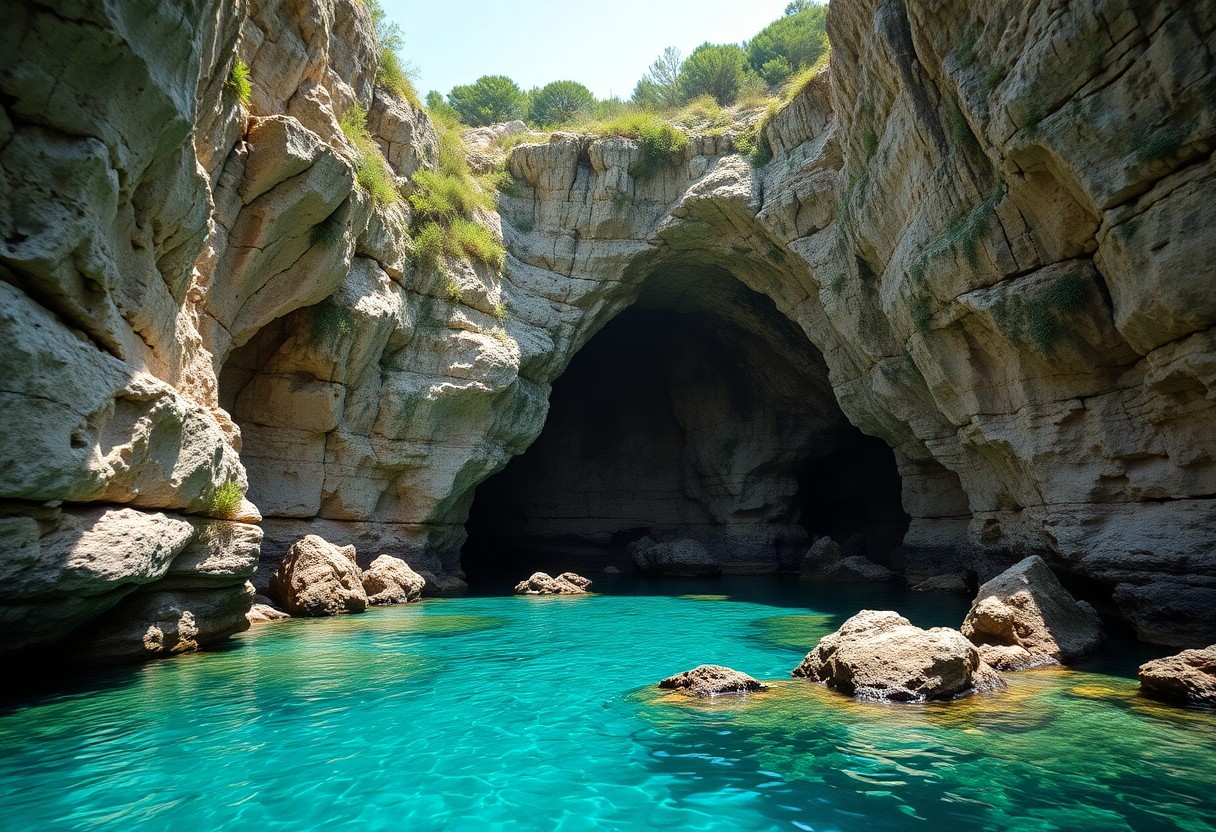
Over the years, Malta has gained significant recognition for its stunning coastlines and vibrant history, yet many of its enchanting caves remain undiscovered by the average traveler. This blog post investigates into some of these lesser-known marvels, showcasing the unique geological formations and rich local lore that surround them. From dramatic sea caves to enigmatic inland grottos, uncover the hidden treasures that lie off the beaten path in this Mediterranean gem, perfect for adventurous explorers seeking an authentic Maltese experience.
Malta's Caving Landscape: Beyond the Tourist Trails
Geological Formation of Maltese Caves
The caves in Malta are the result of thousands of years of erosion processes, primarily influenced by the island's unique limestone geology. Formed during the Middle Miocene era, the soft Globigerina limestone is easily eroded by wind and water, creating intricate networks of caverns. This limestone formation has given rise to features like stalactites and stalagmites, which add to the stunning natural beauty found within the caves. As sea levels have risen and fallen through the ages, many of these caves have been shaped by marine forces, leading to the captivating underwater passages that are often overlooked.
The Cultural Significance of Caves in Maltese History
Caves in Malta have served various roles throughout history, deeply intertwined with the island's cultural landscape. From early prehistoric times, these natural shelters provided refuge and living spaces for ancient civilizations, evidenced by numerous archaeological finds. Not only were caves utilized for habitation, but they also played pivotal roles in religious practices and rituals, inscribing the natural formations into the island's cultural narrative.


















For instance, the famous Għar Dalam cave offers a glimpse into the lives of prehistoric hunters and gatherers, with artifacts dating back to around 5,000 BC. Moreover, many caves were repurposed throughout history during periods of conflict, serving as hiding spots or even places for worship. The intricate engravings found in some cave systems signify their importance to the development of local spirituality and traditions. Caves like the Xlendi Cave not only showcase the rich geological diversity of Malta but also embody the spirits and practices of those who have revered these natural wonders throughout millennia.
The Enigmatic Għar Lapsi
Historical Context
Dating back to the prehistoric era, Għar Lapsi is dotted with artifacts that hint at ancient human activity. Archaeological findings suggest that it served as a shelter and possibly a place of ritual for early settlers in Malta. The cave's name, which translates to “the cave of the slime,” refers to the sticky calcareous deposits found within. Its historical significance is further emphasized by its association with maritime activities, as nearby coastal areas were used by fishermen and sailors throughout the ages.
Natural Wonders and Flora and Fauna
The natural landscape surrounding Għar Lapsi is a treasure trove of biodiversity. Hidden within the rocky cliffs are vibrant marine life, unique plants, and rare bird species that thrive in the Mediterranean ecosystem. The crystal-clear waters below are home to a myriad of fish, while the cliffside features hardy plants that have adapted to the harsh environment, creating a stunning visual contrast against the rugged terrain.
Within the vicinity of Għar Lapsi, adventurous explorers will encounter a variety of unique plant species, including endemic wildflowers and aromatic herbs that thrive in the rocky soil. The cave's intricate formations provide habitats for birds such as the blue rock thrush and peregrine falcons, which can often be seen soaring in the sky. The interplay of marine and terrestrial ecosystems here not only fosters an abundance of wildlife but also makes it a haven for nature enthusiasts and photographers alike. Exploring this area offers a chance to connect with the rich tapestry of Malta's natural history in an unparalleled setting.
Secrets of the Blue Grotto
The Mystique of Natural Light and Colors
Within the depths of the Blue Grotto, an extraordinary play of natural light creates mesmerizing reflections on the water, transforming it into a kaleidoscope of brilliant blues and emerald greens. This optical spectacle is most vibrant during midday when sunlight floods through the natural openings above, illuminating the cave walls and producing a surreal underwater dance of color. Swimmers and divers are often entranced by the ethereal beauty of the water, inviting them to explore its depths and discover an underwater world that feels almost otherworldly.
Legends and Folklore Surrounding the Grotto
Delving into the lore surrounding the Blue Grotto unveils tales of mystical sea creatures and legendary voyagers. One popular narrative recounts how the caves were once a refuge for the nymph Calypso, who allegedly captivated sailors with her enchanting song while they wandered too close. Local fishermen also speak of hidden treasures rumored to be buried deep within the caverns, remnants of shipwrecks forgotten by time. These stories intertwine Malta's history with a dash of myth, creating a rich tapestry of folklore that enhances the grotto's allure.
Among the most captivating legends are those that reference the cave's hidden treasures. Some locals believe that the long-lost artifacts from the Phoenician and Roman eras lie beneath the azure waves, untouched by time. Tales of mermaids leading sailors to their demise, and of spells cast over the waters to guard these precious relics, add to the mystique. Exploring the grotto not only offers breathtaking views but also a glimpse into the rich cultural heritage and storytelling traditions of Malta, keeping the spirit of the sea alive in the hearts of those who venture here.
Exploring Għar Dalam: A Portal to Prehistory
Archaeological Significance
Għar Dalam, or the ‘Cave of Darkness,' offers a remarkable glimpse into Malta's prehistoric past. Excavations reveal layers dating back over 5000 years, showcasing artifacts from the Neolithic period, along with fossil remains of extinct species like the dwarf elephant and hippopotamus. These findings illustrate Malta's unique evolutionary journey, with its geological formations providing critical insights into early human habitation and the environmental changes that shaped the Maltese archipelago. Researchers continue to study this site, solidifying its status as a crucial piece of Malta's history.
Unique Ecosystems within the Cave
Beyond human history, Għar Dalam is a sanctuary for specific ecosystems. The cave maintains a unique microclimate, fostering a rich diversity of life, including stalagmites and stalactites that have formed over millennia. Notably, certain species of bats choose this cavernous space as their roosting area, thriving alongside various fungi and microorganisms that adapt to the damp, dark environment.
This unusual environment within Għar Dalam showcases an intricate balance of life not commonly found elsewhere in Malta. The humid conditions create a habitat for specialized organisms, like the cave-dwelling invertebrates that have evolved distinct characteristics suited for their surroundings. As a biodiversity hotspot, Għar Dalam highlights the intricate connections between geological formations and biological adaptations, making it a key location for ecological studies in the region.
The Hidden Gems of Tal-Mixta Cave
Unique Rock Formations and Features
Tal-Mixta Cave showcases an array of stunning rock formations that are a testament to nature's intricate artistry. The cavern's stalactites, stalagmites, and sinuous walls glisten in the light, creating a surreal atmosphere that feels almost otherworldly. Geologists have identified unique mineral deposits within the cave, which contribute to these formations, yielding a fascinating insight into the geological history of Malta. As light filters through the narrow openings, the hues of the rock shift, revealing a kaleidoscope of colors that draw visitors into its depths.
How to Access Tal-Mixta: Guidelines for Adventurers
Reaching Tal-Mixta requires a bit of determination and an adventurous spirit. Located near the village of Qrendi, the cave can be accessed via a well-marked hiking trail that boasts stunning views of the surrounding countryside. The trek to the cave's entrance can take about 30 minutes from the nearest parking area, so wearing sturdy shoes and bringing water is advisable. Given the remote nature of this site, visitors should be prepared for a rugged terrain, making it ideal for those who enjoy combining exploration with natural beauty.
Accessing Tal-Mixta is an adventure in itself, as the path to the cave is woven through Malta's breathtaking landscape. Starting from Qrendi, you will follow signs leading to the cave, descending through rugged trails lined with Mediterranean flora. It's worthwhile to budget around an hour for the hike, to accommodate for stops to take in the stunning vistas. Keep in mind that while the cave can be visited freely, respecting the environment and leaving no trace contributes to preserving this hidden gem for future adventurers. Consider visiting early in the day to enjoy cooler temperatures and the soft glow of the morning light illuminating the cave's unique features.
Şelnika Cave: The Challenge of Discovery
Access Challenges and Precautions
Reaching Şelnika Cave isn't for the faint-hearted. The hike involves navigating rocky paths and steep inclines, making sturdy footwear vital. Many adventurers describe the journey as a thrilling but rugged trek, often requiring at least 30 minutes of climbing. Those venturing here should also be cautious of the cave's hidden entrances, as some may require climbing skills. It's advisable to travel in groups, carry adequate water, and keep a flashlight handy to safely explore the dark recesses once inside.
The Rewards: Captivating Views and Peaceful Solitude
What awaits beyond the challenging approach is nothing short of breathtaking. Şelnika Cave rewards explorers with stunning panoramic views of Malta's coastline, framed by unique rock formations. Inside, the cave offers a tranquil escape from tourist crowds, perfect for meditative reflection or simply soaking in the natural beauty. The stillness is punctuated only by the gentle sound of dripping water, creating an atmosphere that feels almost ethereal and untouched by time.
Each corner of Şelnika reveals geological wonders formed over thousands of years, inviting visitors to witness the artistry of nature up close. Natural light filters through openings in the rock, casting mesmerizing shadows and illuminating the cave's crystalline formations. From the cave's vantage point, the surrounding landscape stretches out, showcasing the turquoise waters of the Mediterranean alongside the rugged coastline. The solitude found here is unmatched, offering those adventurous enough to make the journey a rare moment of peace amidst the stunning and often bustling Maltese scenery.
A Journey through the Mystical St. Paul's Cave
The Narrative of St. Paul's Shipwreck
The tale of St. Paul's shipwreck, etched in the annals of Christian history, unfolds on the rugged shores of Malta. In 60 AD, St. Paul, en route to Rome, encountered a violent storm that left him shipwrecked on the island's coastline. This event not only marked a significant moment in his life but also intertwined Malta's destiny with the early Christian faith. The narrative speaks of resilience, divine intervention, and the island's hospitality as the locals welcomed the shipwrecked apostle, an episode immortalized in both scripture and local lore.
Key Features and Exploration Tips
St. Paul's Cave, intriguing and imbued with historical significance, is not merely a cave but a testament to one of history's pivotal maritime episodes. Visitors can explore the cavern's depths, where echoes reverberate with tales of ancient shipwrecks and clandestine gatherings. To fully experience this site, hiking shoes are recommended due to the rugged terrain, and a flashlight is vital for navigating the darker recesses of the cave. This cave is best explored in the early morning or late afternoon to avoid the tourist crowd and enjoy the tranquility of the surrounding nature.
- The cave is notable for its stunning rock formations and stalactites.
- Throughout the cave, remnants believed to belong to early Christian settlements can be found.
- The nearby scenic coastal views offer breathtaking panoramas, perfect for photography.
- Wildlife, including nesting birds, can often be spotted in the entrance areas.
- Access is somewhat challenging, requiring a moderate hike to reach the entrance.
Visiting St. Paul's Cave is not just about witnessing geography; it's a explore rich cultural heritage enveloped by dramatic landscapes. Stalactites glisten with moisture, whilst shadowy alcoves add an air of mystery. Planning your journey for weekdays can unveil a more personal exploration amid tranquillity. This means you're accompanied by the sounds of nature instead of bustling crowds.
- Viewing points boast striking vistas while you hike.
- The ancient rock formations tell stories of geological evolution over millennia.
- Bring a picnic – there are serene spots in the vicinity to relax after exploring the cave.
- Guided tours can provide deeper insights into the historical context of St. Paul's journey.
- Combine your trip with visits to nearby archaeological sites for a richer experience.
Crypts and Caverns of the Rabat Area
An Overview of Historical Crypts
Rabat is home to an intriguing collection of historical crypts that whisper tales of Malta's rich past. Among them, the Catacombs of St. Paul and the Catacombs of St. Agatha stand out. Dating back to the early Christian period, these subterranean burial sites showcase a labyrinth of intricate chambers adorned with frescoes and inscriptions, offering insight into ancient burial practices and early Christian art. Exploring these catacombs reveals not only their architectural significance but also the sociocultural dynamics of Malta during the early centuries A.D.
Cultural Events and their Impact on the Cave Ecosystem
Cultural events in the Rabat area contribute significantly to the preservation and respect for local cave ecosystems. Annual festivals, which celebrate the history and mythology surrounding these crypts, attract visitors and locals alike, fostering a sense of community and stewardship over these natural resources. By intertwining cultural narratives with ecological awareness, these events promote sustainable tourism that prioritizes the health of cave systems. This synergy leads to ongoing research and conservation efforts aimed at preserving the delicate balance of flora and fauna thriving within these underground havens.
Cultural events not only bolster community engagement but also enhance the understanding of cave ecosystems among participants. Workshops, guided tours, and interactive exhibitions spotlight the unique biodiversity that resides within these crypts. Such events allow experts and enthusiasts to exchange knowledge on sustainable practices, illustrating the imperative of balancing cultural celebrations with environmental stewardship. The growing consciousness around the ecological significance of these caves ensures that Malta's rich cultural legacy is celebrated without compromising its natural heritage.
The Breathtaking Wonders of Qarraba Bay
Unique Caving Experiences and Activities
Qarraba Bay is often overshadowed by its more famous counterparts, yet it offers unique opportunities for adventure seekers. With its striking limestone cliffs and hidden caves, visitors can engage in cliff diving, kayaking, and snorkeling while exploring the vibrant marine life. The hidden cave systems, such as the mysterious Qarraba Caverns, beckon brave souls to navigate their intricate passages, providing an exhilarating escape from the ordinary.
Environmental Conservation Efforts
Conservation efforts at Qarraba Bay are pivotal in preserving its stunning natural beauty. Local NGOs, including BirdLife Malta, are actively involved in monitoring and protecting the area's unique ecosystems. Their initiatives focus on preventing littering, controlling invasive species, and maintaining the natural habitats that support a multitude of bird species.
Engaging the community in environmental education forms a core part of these efforts, as local workshops and beach clean-up events foster a sense of stewardship among residents and visitors alike. Collaboration with local authorities ensures that regulations are enforced to protect this valuable coastal area. By raising awareness about responsible tourism and the importance of biodiversity, stakeholders aim to ensure that Qarraba Bay remains a pristine environment for generations to come.
Underwater Caves: The Submerged Secrets
Notable Underwater Cave Systems
Malta is home to several remarkable underwater caves, each offering a unique glimpse into the rich marine ecosystem. The Blue Hole in Gozo is a standout, providing divers with crystal-clear waters leading to stunning rock formations and intriguing aquatic life. Another gem is the Xlendi Cave, known for its vast underwater passages and impressive arches that seem to defy gravity. For those seeking adventure, the caves around Comino, particularly the Crystal Lagoon and the Santa Maria Caves, boast vibrant colors and diverse marine fauna that captivate everyone who ventures beneath the surface.
Diving Safely and Responsibly
Exploring Malta's underwater caves necessitates prioritizing safety and environmental responsibility. Divers must ensure proper training and certification, especially for cave diving, which requires specialized skills. Local dive shops often offer guided tours with experienced instructors who know the area well. Following buoyancy control, avoiding contact with the fragile marine habitat, and adhering to all safety protocols helps preserve the fascinating underwater world for future generations while ensuring a thrilling experience.
Beginning with a thorough pre-dive briefing can significantly improve overall safety. It's advisable to dive in groups and establish a plan for communication, especially in caves with limited visibility. Utilizing reef-safe sunscreen and following local guidelines concerning marine life can help mitigate the impacts of diving. Engaging with local conservation efforts further enriches the experience, fostering a deeper appreciation for the delicate balance of these underwater ecosystems. As a diver, combining adventure with responsibility ensures that the submerged secrets of Malta remain accessible for years to come.
Preservation Challenges of Malta's Caves
Impact of Tourism on Cave Ecosystems
Tourism poses significant challenges to Malta's delicate cave ecosystems. Increased foot traffic often leads to soil erosion, litter, and habitat disturbance within these fragile environments. The influx of visitors can alter local flora and fauna, while overexposure to light and temperature changes impacts the natural formations within the caves. Certain caves have shown signs of microbial growth due to body heat and organic material, further emphasizing the need for careful management and visitation guidelines to protect these stunning natural wonders.
Community Initiatives for Conservation
Local communities in Malta are taking the lead in preserving their unique cave systems through grassroots initiatives. Organizations like the Malta Caving Club actively promote cave conservation awareness through educational programs, clean-up campaigns, and guided tours emphasizing responsible visitation. They engage the public in hands-on activities, fostering a sense of ownership over these natural treasures and ensuring that both locals and tourists remain mindful of their impact on these fragile environments.
By collaborating with environmental organizations and governmental bodies, these community initiatives aim to establish sustainable practices that balance tourism and conservation. Events such as guided nature walks, caving workshops, and awareness campaigns not only educate participants but also empower them to advocate for eco-friendly practices in their own communities. The drive for preservation has led to the creation of protective measures, such as restricting access to particularly vulnerable areas, illustrating the effectiveness of local engagement in safeguarding Malta's breathtaking caves for generations to come.
Local Legends: Tales of the Maltese Caves
Stories Passed Through Generations
Malta's caves are more than just geological formations; they are repositories of local legends and folklore. For centuries, stories have circulated about creatures lurking in the shadows, hidden treasures, and ancient rituals conducted within their depths. For instance, locals speak of a famous treasure concealed in *Kirkop Cave*, supposedly belonging to the Knights of St. John. These tales are often shared during family gatherings, each retelling adding a layer of mystique and intrigue that binds the community to its heritage.
The Influence of Myth on Cave Exploration
Exploring Maltese caves involves not only geological curiosity but also an engagement with enduring myths. Local explorers often find themselves motivated by legendary narratives. For example, the Blue Grotto is said to house the spirit of a mermaid that aids lost sailors. The interplay between myth and exploration enhances the experience, encouraging adventurers to seek hidden paths with a sense of purpose imbued by these stories. As a result, exploration becomes not only a physical pursuit but a cultural pilgrimage.
Mythology deeply intertwines with the history of cave exploration on these islands. As locals wander through the eerie corridors of Għar Lapsi, stories of the legendary giant who once resided within fuel their imaginations. This myth contributes not just to the allure of the cave, but also attracts historians eager to unravel the societal significance that such legends hold. Each expedition becomes an opportunity to connect with Maltese identity, where generations' words echo through the stone walls, making the act of exploration a shared cultural experience.
The Joys of Cave Diving: Techniques and Recommendations
Essential Gear and Safety Precautions
Equipping yourself with appropriate gear is vital for safe cave diving. A reliable wetsuit, dive computer, and a high-quality, rechargeable underwater light are necessary. Optimal visibility allows you to navigate and appreciate the intricacies of underwater formations effectively. A full-face mask can enhance your experience by offering a wider field of view, while safety floats ensure you maintain visibility to your dive buddy. Always carry a spare, fully charged light source and a whistle for signaling; being prepared significantly reduces risks while exploring these breathtaking wonders.
Best Practices for Cave Explorers
For an enriching exploration, understanding the cave environment is paramount. Begin by planning your dive meticulously—conduct thorough research on the specific cave system and consult local dive shops for valuable insights. Dive within your skill level, keeping in mind the recommended depth and current conditions. Allocating a buddy system promotes safety, while maintaining communication throughout the dive can prevent misadventures. After your dive, partake in a debriefing session with fellow divers to share observations and experiences, enriching the adventure for everyone involved.
Exploring caves while diving unveils a world often concealed from view. Many divers adhere to the “Rule of Thirds”: one-third of your air supply for entering, one-third for exiting, and the remaining third as a reserve. This approach minimizes anxiety and ensures ample breathing volume during ascents. Familiarizing oneself with planned exit routes also helps in mental preparation, allowing divers to maintain composure when faced with unexpected challenges. Sharing best practices with other divers not only promotes safety but also enhances the enjoyment of this remarkable underwater experience.
Final Words
Presently, exploring Malta's hidden caves provides an unparalleled adventure away from the typical tourist track. With a mix of breathtaking views, unique geological formations, and rich cultural history, these lesser-known sites offer a more authentic glimpse into the island's natural beauty. Engaging with local guides can further enhance your experience, revealing stories and secrets that mainstream resources simply overlook. For the intrepid traveler seeking to uncover the true essence of Malta, venturing into its hidden caves is an opportunity not to be missed.
FAQs
What makes Malta’s caves unique?
Malta’s caves are formed from Globigerina limestone, featuring stalactites, stalagmites, and both terrestrial and underwater passages, shaped over thousands of years.
Can visitors explore Għar Dalam?
Yes, Għar Dalam is open to visitors and offers insights into Malta’s prehistoric life, with fossils and archaeological artifacts on display.
What is the Blue Grotto famous for?
The Blue Grotto is renowned for its stunning natural light reflections on the water, creating vibrant blues and greens, and is rich in local myths and legends.
Are there guided tours available for Malta’s caves?
Yes, many caves offer guided tours, especially sites like Għar Dalam and St. Paul’s Cave, providing historical and ecological context.
Is Tal-Mixta Cave easy to access?
Tal-Mixta Cave requires a moderate hike from Qrendi village. Visitors should wear sturdy shoes and carry water due to rugged terrain.
What wildlife can be seen in Malta’s caves?
Visitors may encounter bats, endemic plants, peregrine falcons, and diverse marine life in coastal and underwater caves.
Are Malta’s underwater caves safe for diving?
Yes, but divers must have proper certification, follow safety protocols, and use responsible practices to protect fragile ecosystems.
Why are Malta’s caves culturally significant?
Caves in Malta have been used for shelter, rituals, and religious practices since prehistoric times, reflecting the island’s rich cultural history.
What conservation efforts exist for Malta’s caves?
Organizations like the Malta Caving Club promote sustainable tourism, awareness campaigns, and protective measures to preserve cave ecosystems.
Which caves offer the best views for photography?
Şelnika Cave, Qarraba Bay caves, and St. Paul’s Cave provide panoramic views, unique rock formations, and natural light ideal for photography.

Paula Nancy
Hello and Welcome to my profile. I'm a UK based entrenched full-time Blogger, Journalist, columnist and a certified writer with many years of sound writing experience. If you need a high-quality and original content, I'm here to provide you with the best writing services.
Related Posts
Year round travel in Malta
May 12, 2026
Spring Adventures In Malta
May 11, 2026

Malta Early Spring Travel Boom
May 9, 2026

Budget airlines lift Malta tourism
May 8, 2026

Spring visitors spend more in Malta
May 7, 2026

Malta airport traffic rises in spring
May 6, 2026

Malta hotel occupancy trends in spring
May 5, 2026

Malta attracts new spring travelers
May 4, 2026

Malta tourism tests power grid
May 2, 2026