

















The Isle of Man as a Financial Hub

For related analysis, read our payments coverage and consult the Isle of Man Financial Services Authority. Financial-hub assessments depend on the activity, entity and authorisation.
With a robust financial sector, the Isle of Man plays a significant role in facilitating cross-border digital transactions. They have established a comprehensive regulatory framework that not only ensures compliance with international standards but also promotes innovation in digital finance. He observes that this framework provides a secure environment for businesses and individuals engaging in international trade. Furthermore, she recognizes the Isle of Man's strategic geographic location and advanced technological infrastructure as key enablers in supporting seamless digital transactions across borders.
The Isle of Man: An Overview
Your understanding of the Isle of Man is vital for grasping its role in global finance and cross-border digital transactions. Situated in the Irish Sea, the Isle of Man is a self-governing British Crown dependency. Renowned for its low tax rates and well-established legal framework, it has positioned itself as an attractive destination for international businesses and investors seeking a favorable economic environment.








Geographic and Economic Context
Between Ireland and Great Britain, the Isle of Man holds a strategic position that enhances its status as a financial hub. Its diverse economy includes sectors such as e-gaming, aerospace, and finance, driven by a robust infrastructure that supports various industries.
Historical Development of the Financial Sector
Before the establishment of its modern financial services industry, the Isle of Man was primarily known for agriculture and fishing. However, the introduction of banking and insurance services in the 1970s marked the beginning of a significant transformation.
And as the global economy evolved, the Isle of Man adapted, leading to the growth of its financial sector in the 1980s and 1990s. The government introduced various incentives, such as low tax rates and confidentiality regulations, attracting numerous international financial institutions and fostering an environment conducive to business development. This historical foundation laid the groundwork for the Isle of Man to become a recognized player in cross-border digital transactions today.
Political Stability and Regulatory Environment
Overview of the Isle of Man's political landscape illustrates a stable and democratic system that fosters business confidence. The local government emphasizes a strong commitment to upholding regulatory standards while remaining flexible to adapt to industry needs.
Hence, the Isle of Man's political stability and coherent regulatory framework position it as a trustworthy jurisdiction for international businesses. This reliability is imperative for fostering partnerships and facilitating cross-border digital transactions, as businesses can operate with assurance in a supportive legal environment. The combination of political stability and sound regulations attracts firms looking to navigate the complexities of the global market.
The Financial Sector in the Isle of Man
It is widely recognized that the Isle of Man is a significant player in the global financial sector, benefiting from a stable regulatory environment, strategic geographic location, and a robust infrastructure that supports international business. With its commitment to innovation and modernization, the Isle of Man continues to attract diverse and dynamic financial services operations, enhancing its reputation as a leading financial center.
Key Players in the Financial Services Industry
Among the key players in the financial services industry on the Isle of Man are banks, investment firms, insurance companies, and trust service providers. These entities not only contribute to the local economy but also provide specialized services tailored to the needs of international clients.
Types of Financial Services Offered
With a diverse array of financial services, the Isle of Man caters to various client needs across the globe. The primary types of services include:
- Banking Services
- Investment Management
- Insurance and Reinsurance
- Corporate Services
- Trust and Estate Planning
Thou can explore these offerings to facilitate cross-border transactions effectively.
| Service Type | Description |
| Banking Services | Private and commercial banking tailored to international clients. |
| Investment Management | Professional investment services for individual and institutional investors. |
| Insurance and Reinsurance | Comprehensive insurance solutions with specialized underwriting services. |
| Corporate Services | Company formation, compliance, and administrative services. |
| Trust and Estate Planning | Wealth management and inheritance planning solutions. |
A recent trend indicates that financial services in the Isle of Man are increasingly leveraging technology to enhance efficiencies and customer experiences. Key offerings include electronic payment processing, digital banking solutions, and innovative investment platforms that enable seamless cross-border transactions.
- Digital Banking Solutions
- Payment Processing Systems
- Wealth Management Platforms
- Compliance and Regulatory Tech
- Investment Trading Systems
Thou will find that these advancements significantly streamline cross-border operations, allowing clients to manage their finances with greater ease.
| Tech Offering | Description |
| Digital Banking Solutions | Online platforms that provide banking services remotely. |
| Payment Processing Systems | Systems to efficiently handle domestic and international transactions. |
| Wealth Management Platforms | Digital tools for managing and growing client investments. |
| Compliance and Regulatory Tech | Software designed to streamline compliance processes. |
| Investment Trading Systems | Platforms facilitating trading in various financial markets. |
The Role of Financial Technology (FinTech)
Below the surface of traditional finance, FinTech plays an integral role in transforming the financial landscape of the Isle of Man, empowering businesses, and elevating customer service experiences.
FinTech innovations in the Isle of Man enable stakeholders to enhance their service capabilities dramatically. These advancements support various functions, from transaction processing to investment analytics, making cross-border operations more efficient and accessible. As FinTech continues to evolve, it holds the potential to attract even more businesses to the Isle of Man, further establishing its position as a leading financial hub.
Cross-Border Digital Transactions
Many individuals and businesses engage in cross-border digital transactions, which have become increasingly important in today's global economy. These transactions allow for the seamless exchange of goods, services, and financial assets across national boundaries, facilitating international trade and investment.
Definition and Significance
About cross-border digital transactions, they refer to any electronic exchange of value that occurs between parties located in different countries. Their significance lies in the ability to expand market reach, optimize costs, and enhance consumer experience, thereby playing a vital role in the growth of international markets.
Trends in Global Digital Transactions
Among the notable trends in cross-border digital transactions are the rise of cryptocurrencies, the adoption of blockchain technology, and the increasing integration of mobile payment solutions. These trends highlight the ongoing evolution of payment systems and the importance of adapting to new technologies to stay competitive.
Digital advancements are significantly shaping the cross-border transaction landscape. With the emergence of decentralized finance (DeFi) applications and enhanced security measures, consumers and businesses are more inclined to engage in international transactions, fostering greater accessibility and efficiency in their operations.
Challenges in Cross-Border Transactions
Transactions across borders often encounter several challenges, including regulatory hurdles, currency fluctuations, and varying taxation policies. These elements can complicate the process, leading to delays and unexpected costs for businesses and consumers alike.
Significance of these challenges cannot be overlooked. They can deter small and medium-sized enterprises from entering international markets, limiting their growth potential. To navigate these complexities, stakeholders must leverage technology and seek expert guidance to optimize their cross-border transaction strategies.
Regulatory Framework Supporting Cross-Border Transactions
For businesses engaging in cross-border digital transactions, the Isle of Man offers a robust regulatory framework that enhances security and fosters innovation. This encouraging environment is built on thorough oversight mechanisms designed to maintain the island's reputation as a trusted financial hub.
Financial Services Authority Regulations
An necessary component of the Isle of Man's regulatory landscape is the Financial Services Authority (FSA), which oversees the financial services sector. The FSA establishes robust standards that financial entities must meet, ensuring they operate transparently and effectively, thus reinforcing operator trust in cross-border transactions.
International Treaties and Agreements
Behind the Isle of Man's effective framework for cross-border transactions are a series of international treaties and agreements that facilitate cooperation between jurisdictions. These agreements allow for streamlined processes in areas such as information sharing, aligning regulatory practices, and combating financial crime.
Further enhancing the security of cross-border transactions, the Isle of Man is committed to adhering to international standards set by entities such as the Financial Action Task Force (FATF). By participating in these agreements, he, she, or they work collaboratively with global partners to ensure consistent regulatory practices, fostering a safer and more transparent financial environment.
Anti-Money Laundering (AML) Measures
Cross-border digital transactions in the Isle of Man are subject to strict Anti-Money Laundering (AML) measures, which are vital for maintaining the integrity of the financial system. The implementation of these measures ensures that financial institutions thoroughly assess the risks associated with their clients and transactions.
Supporting these AML measures, the Isle of Man has put in place comprehensive regulations that require robust due diligence processes and ongoing monitoring of transactions. By actively engaging in risk assessment and compliance efforts, he, she, or they ensure that the financial services sector remains resilient against potential threats, safeguarding the interests of both consumers and businesses involved in cross-border transactions.
Infrastructure Supporting Digital Financial Services
Once again, the Isle of Man showcases a robust infrastructure that underpins its dynamic financial sector, particularly in cross-border digital transactions. By investing in advanced technologies and frameworks, the island has positioned itself as a leader in facilitating seamless digital financial services for businesses and individuals alike.
Digital Payment Systems and Platforms
Digital payment systems and platforms form the backbone of the Isle of Man's financial infrastructure. They enable quick and efficient transactions across borders, supporting various payment methods and currencies. This flexibility allows businesses to cater to a global customer base, while enhancing the overall user experience.
Cybersecurity Measures and Protocols
Before engaging in digital financial transactions, one must consider the importance of cybersecurity measures and protocols. The Isle of Man's financial sector employs state-of-the-art security technologies to protect against data breaches and cyber threats, ensuring that transactions remain safe and secure.
A comprehensive approach to cybersecurity includes continuous monitoring, threat detection, and incident response strategies. Financial institutions on the Isle of Man routinely conduct vulnerability assessments and staff training to stay ahead of evolving cyber threats, demonstrating commitment to safeguarding their customers' interests.
Data Protection and Privacy Regulations
About data protection and privacy regulations, the Isle of Man has established stringent guidelines to safeguard personal information in digital transactions. These regulations ensure that customers' data is handled responsibly and securely, building trust in the financial services offered on the island.
Systems are in place to enforce compliance with data protection laws, such as the General Data Protection Regulation (GDPR) and local legislation. Financial institutions are required to implement robust data management practices, granting individuals rights over their personal information and ensuring accountability in how data is processed and stored.
The Role of Blockchain Technology
Now, blockchain technology emerges as a transformative force within the financial sector, especially in facilitating cross-border digital transactions. This decentralized ledger system ensures transparency, security, and efficiency, offering both financial institutions and their clients a robust framework for managing transactions across borders.
Introduction to Blockchain
On a fundamental level, blockchain is a distributed digital ledger that records transactions across multiple computers. This technology allows for secure and transparent record-keeping, as once a transaction is added to the blockchain, it cannot be altered. This immutability builds trust among participants in any digital financial ecosystem.
Applications of Blockchain in Cross-Border Transactions
Behind the scenes, blockchain technology streamlines various aspects of cross-border transactions, making them faster and less expensive. Financial institutions leverage blockchain to facilitate remittances, reduce settlement times, and enhance security by using smart contracts that automate transaction processes.
Role of blockchain extends beyond simple transaction recording; it provides an efficient means to execute complex financial agreements across different jurisdictions. By automating processes through smart contracts, it minimizes the need for intermediaries, leading to quicker settlement times and reduced operational costs. Moreover, its transparent nature fosters trust among parties involved in cross-border dealings, which contributes to smoother financial exchanges.
Regulatory Challenges for Blockchain Adoption
Cross-border transactions encounter various regulatory challenges that can hinder the widespread adoption of blockchain technology. Different jurisdictions have differing legal frameworks, leading to uncertainty for financial institutions and their clients. Navigating these regulations while ensuring compliance remains a significant hurdle in leveraging blockchain capabilities fully.
Transactions on the blockchain may confront legal uncertainties that arise from varying regulations and compliance requirements in different countries. This inconsistency complicates the process for organizations that need to adhere to anti-money laundering (AML) and know your customer (KYC) norms. Such challenges must be addressed to foster a conducive environment for blockchain's integration into global financial systems, as financial institutions seek to harness its potential for cross-border activity.
Tax Policies and Benefits
Many factors contribute to the appeal of the Isle of Man's financial sector for cross-border digital transactions, with tax policies playing a pivotal role. The island prides itself on offering a transparent and competitive tax environment that encourages international business activities.
Overview of the Isle of Man's Tax Structure
About the Isle of Man's tax structure, it is characterized by low tax rates and a lack of capital gains tax and inheritance tax. Corporations benefit from a standard corporate tax rate of 0% for most businesses, which fosters an inviting climate for companies seeking to optimize their tax obligations.
Attractiveness for International Businesses
Among the many advantages of the Isle of Man's tax framework, its reputation as a business-friendly jurisdiction is particularly notable. The absence of capital gains and inheritance taxes, coupled with straightforward compliance requirements, allows international companies to focus on their operations without the burden of excessive tax liabilities.
To further capitalize on this favorable landscape, international businesses often find that the Isle of Man not only provides tax advantages but also access to a skilled workforce and robust regulatory framework. These factors combined make it an ideal location for start-ups as well as well-established firms looking to expand their global reach.
Implications for Individuals and Investors
After examining the implications for individuals and investors, it becomes evident that the Isle of Man presents unique opportunities. The tax policies in place allow individuals to retain more of their income and investments, leading to a more favorable financial environment.
Due to the island's attractive personal tax regime, including low income tax rates, individuals can benefit significantly from residing or conducting financial activities there. Investors are also drawn to the Isle of Man for its stable economic landscape and regulatory protections, making it a prime destination for wealth preservation and growth.
Case Studies of Cross-Border Digital Transactions
To illustrate the effectiveness of the Isle of Man's financial sector in supporting cross-border digital transactions, several case studies are presented below. These examples showcase various sectors where the Isle of Man has successfully facilitated international financial activities:
- Case Study 1: A leading gaming platform based in the Isle of Man processed over 1.2 million digital transactions in 2022, with a total transaction volume exceeding £250 million.
- Case Study 2: An e-commerce company utilizing the Isle of Man as its financial hub recorded a 30% growth in cross-border sales, amounting to £100 million in transactions between the UK and Europe.
- Case Study 3: A fintech startup based on the island handled more than 500,000 cross-border transactions in its first year, with a cumulative transaction value of £75 million.
- Case Study 4: A cryptocurrency exchange registered in the Isle of Man reported processing over £200 million in international digital currency transactions, demonstrating the island's regulatory advantages.
Successful Initiatives within the Isle of Man
Across various sectors, the Isle of Man has implemented numerous successful initiatives to support cross-border digital transactions. These include the establishment of regulatory frameworks that promote innovation and ensure compliance, as well as partnerships with global payment processors that enable seamless financial operations for businesses and individuals alike.
Comparative Analysis with Other Jurisdictions
At the international level, the Isle of Man's approach to regulating cross-border digital transactions can be compared with other jurisdictions. The following table highlights key data points regarding these comparisons:
Comparative Analysis of Cross-Border Digital Transactions
| Jurisdiction | Annual Transaction Volume (£ million) |
|---|---|
| Isle of Man | 625 |
| Singapore | 1,200 |
| Malta | 450 |
| Gibraltar | 300 |
It is evident that the Isle of Man offers a competitive transaction volume while maintaining a favorable regulatory environment. This positions the island as an attractive destination for businesses pursuing cross-border digital transactions in comparison to other jurisdictions with similar financial frameworks.
Lessons Learned from Pioneering Practices
Between the various case studies presented, valuable insights can be gleaned regarding best practices in cross-border digital transactions. The implementation of robust compliance measures and the fostering of strong partnerships within and outside the island have emerged as key factors driving success.
Transactions of this nature require a collaborative approach, and businesses have demonstrated that leveraging technology alongside effective regulatory support leads to enhanced transactional efficiency and security. By observing the Isle of Man's pioneering practices, other jurisdictions may adopt similar strategies to increase their own cross-border digital transaction capabilities.
The Impact of Brexit on the Isle of Man's Financial Sector
Despite the challenges posed by Brexit, the Isle of Man's financial sector has shown resilience. The changes in regulatory frameworks and trading relationships have necessitated adaptations within the industry, affecting how cross-border transactions are processed and managed.
Short-Term Effects on Cross-Border Transactions
With the immediate fallout of Brexit, businesses faced uncertainties surrounding compliance and operational practices. Increased scrutiny on cross-border transactions resulted in temporary delays and additional paperwork, creating a complex landscape for financial institutions navigating new regulations.
Long-Term Strategic Adjustments
Above all, the Isle of Man's financial sector recognized the necessity of strategic adjustments to thrive in a post-Brexit environment. Enhanced regulatory frameworks and innovative technology solutions have become crucial as firms seek to stabilize operations and improve efficiencies.
Impact assessments have shown that the Isle of Man's financial sector is actively refining its strategies to address the evolving regulatory landscape. Institutions are prioritizing compliance and investing in digital solutions, enabling them to navigate the complexities of cross-border financial operations. He anticipates that these adjustments will position the Isle of Man as a more adaptable and competitive player in the global financial market.
Opportunities and Challenges Ahead
Against this backdrop of change, the Isle of Man's financial sector stands at a crossroads filled with both opportunities and challenges. As firms adapt to new trading dynamics, they must balance innovation with compliance to foster growth in cross-border transactions.
Indeed, the Isle of Man presents a unique opportunity for businesses seeking stability and growth in a changing landscape. However, this will require careful navigation through the challenges of new regulations and shifting market conditions. Financial institutions must leverage their expertise and employ cutting-edge technology to harness potential opportunities while safeguarding against inherent risks. By doing so, they can maintain competitive advantage in facilitating cross-border digital transactions.
Future Trends in Digital Transactions
After examining the current landscape of digital transactions, it becomes clear that the Isle of Man's financial sector is poised for significant changes driven by technological advancement and evolving consumer preferences.
Predictive Analysis of Digital Transformation
An analysis of current data reveals patterns in consumer behavior and transaction methods, which are indicative of a shift towards more integrated digital solutions. Financial institutions are increasingly leveraging these insights to enhance their services and streamline operations, ensuring they remain competitive in a rapidly evolving market.
Emerging Technologies Shaping Financial Services
By harnessing new technologies, financial services are transforming to meet the demands of modern consumers. This includes the integration of blockchain, artificial intelligence, and machine learning, which facilitate faster processing and increase security in digital transactions.
Shaping the future of financial services, these technologies not only enhance the efficiency of cross-border transactions but also improve compliance and risk management. As institutions adopt these innovations, they contribute to a more secure and reliable financial ecosystem, ensuring customers feel confident in their digital interactions.
Sustainability and Ethical Considerations
Before implementing new technologies, financial institutions must prioritize sustainability and ethical considerations, acknowledging their responsibility toward the environment and society. Consumers are increasingly seeking partners who align with their values, prompting the sector to adopt greener practices.
Services that prioritize sustainability not only address consumer demands but also help mitigate environmental impacts associated with digital transactions. Financial institutions that embrace ethical practices enhance their reputation and foster long-lasting relationships with clients, positioning themselves as leaders in the evolving landscape of digital finance.
The Role of International Cooperation
All sectors in the Isle of Man recognize the significance of international cooperation in enhancing the effectiveness of cross-border digital transactions. By forming networks and partnerships with global entities, the Isle of Man's financial sector has positioned itself as a key player in the international financial landscape.
Collaborations with Global Financial Institutions
Below, the Isle of Man engages in partnerships with global financial institutions to promote efficient transaction processing and regulatory compliance. These collaborations lead to streamlined operations and greater accessibility for clients seeking cross-border services.
Participation in International Financial Organizations
Beside forming partnerships, he emphasizes the Isle of Man's active participation in international financial organizations. This involvement offers insights into global best practices, enabling them to align their regulations with international standards and better serve cross-border clients.
Collaborations with these organizations allow the Isle of Man to remain competitive in the ever-changing financial landscape. By sharing knowledge on regulatory challenges and advancements in technology, he ensures that their financial sector stays ahead and fosters trust among international partners.
Knowledge Sharing and Capacity Building
For enhancing expertise, the Isle of Man prioritizes knowledge sharing and capacity building among financial professionals. By conducting workshops and training sessions, they equip their workforce with the skills necessary for navigating complex international transactions.
And through initiatives aimed at fostering collaboration among professionals, the Isle of Man cultivates a culture of continuous learning. This commitment to knowledge sharing not only strengthens the financial sector but also enhances the region's reputation as a reliable hub for cross-border digital transactions.
Enhancing Financial Literacy and Accessibility
Not only does the Isle of Man's financial sector focus on cross-border transactions, but it also actively promotes financial literacy and accessibility for its residents and businesses.
Programs to Educate Consumers and Businesses
At the forefront of these initiatives are various educational programs designed to empower consumers and businesses with imperative financial knowledge. These programs aim to demystify complex financial concepts, ensuring that individuals and companies can make informed decisions regarding their financial transactions and investments.
Efforts to Promote Inclusivity in Finance
By prioritizing inclusivity, the Isle of Man's financial institutions seek to integrate underserved demographics into the financial landscape. This includes tailored services and support systems aimed at ensuring that all individuals have equal access to financial products and resources.
A significant aspect of these efforts involves partnerships with community organizations to address specific needs within diverse groups. These partnerships help in developing financial products that cater to various cultural backgrounds and economic situations, thus fostering a more inclusive environment within the financial sector.
The Role of Technology in Increasing Access
Promote the use of technology, the Isle of Man's financial sector has leveraged digital tools to enhance accessibility to financial services. This includes easy-to-use applications and online platforms that facilitate transactions and provide financial information at users' fingertips.
Financial institutions are continually exploring advancements in technology to further improve accessibility. They are investing in innovative solutions like mobile banking and digital wallets, allowing individuals to manage their finances anytime, anywhere, thus bridging gaps in accessibility and promoting greater financial participation among all demographics.
Challenges and Limitations
Keep in mind that while the Isle of Man's financial sector plays a pivotal role in supporting cross-border digital transactions, it also faces several challenges and limitations that can impact efficiency and security.
Risks Associated with Cross-Border Transactions
Associated with cross-border transactions are various risks, including fraud, currency fluctuation, and technological vulnerabilities. These elements necessitate robust safeguards to protect both businesses and consumers engaged in international trade.
Regulatory Compliance Issues
Risks regarding regulatory compliance can create significant barriers for financial institutions. Regulatory frameworks vary widely among jurisdictions, making it challenging for institutions to maintain compliance while conducting cross-border transactions.
With the multitude of regulations governing international finance, adherence can prove to be a complex task. For instance, changes in anti-money laundering (AML) laws and data protection regulations compel financial institutions to invest heavily in compliance measures, posing a strain on their operational capacities. This can hinder their ability to adapt quickly to evolving market demands.
Economic Factors Impacting the Financial Sector
Among the economic factors impacting the financial sector are fluctuating exchange rates, inflation, and geopolitical tensions. Each of these can influence the viability and cost-effectiveness of cross-border transactions.
This environment demands that financial institutions remain vigilant. They must continually assess and respond to economic indicators that could affect transaction stability. Key considerations include:
- Interest rate changes
- International trade agreements
- Global market trends
Perceiving these dynamics is vital for sustained growth and operational success in the financial sector.
Summing up
Hence, the Isle of Man's financial sector plays a significant role in facilitating cross-border digital transactions through its robust regulatory framework, innovative payment services, and commitment to cybersecurity. By fostering an environment that embraces technology and financial advancements, they ensure seamless and secure transactions for individuals and businesses globally. This unique positioning not only attracts international clients but also strengthens the Isle of Man's reputation as a reliable hub for digital finance, benefiting all parties involved in international trade.
FAQs

Michael Schmitt
Michael Schmitt is the founder of TRIDER.UK and Editor of Malta Media. He writes about iGaming, gambling regulation, corporate structures, financial services and market integrity, combining investigative journalism with nearly three decades of experience in corporate services and international business.
Related Posts
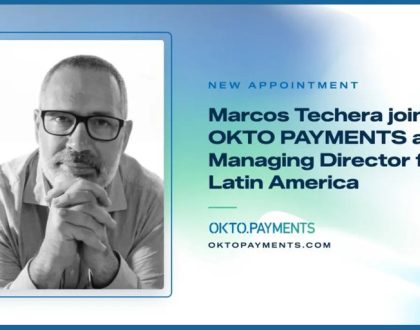
OKTO PAYMENTS appoints Marcos Techera to lead LatAm operations and growth
September 22, 2026

Yaspa appoints Mandy Thompson as US marketing expansion gains momentum
September 14, 2026
OKTO Payments announces direct Yape integration for digital businesses
September 7, 2026
Inpay faces Danish restriction on new online gambling clients over AML
September 4, 2026

SiGMA forecasts MXN220m Mexico impact from 2026 summit
August 12, 2026

SBC Summit fintech track highlights for 2026
July 10, 2026
Paysafe joins Primer to expand global card processing
June 30, 2026
How payment systems shape gambling regulation
June 26, 2026