













Living Near Tourist Spots in Malta
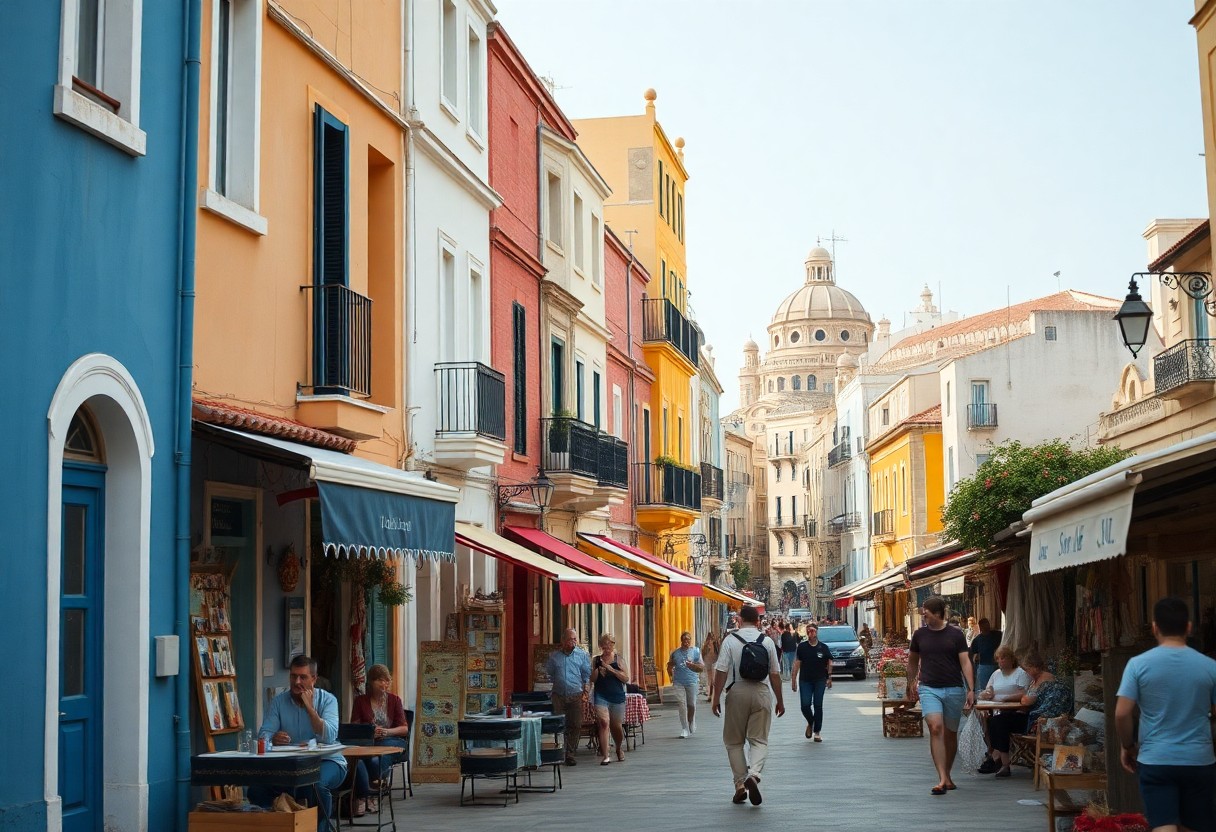
You may find yourself enchanted by the allure of living next to a tourist hotspot in Malta, yet there are practical considerations to weigh. The vibrant scenery and rich history draw visitors year-round, creating a unique atmosphere for residents. However, it also means navigating the challenges that come with high foot traffic, seasonal noise, and fluctuating local prices. This blog post explores both the benefits and drawbacks of residing near these popular attractions, offering insights to help you make informed decisions about your Maltese living experience.
Embracing the Bustle: Daily Life Next to a Tourist Magnet
A Neighborhood Transformed: The Influx of Visitors
The arrival of tourists has significantly reshaped the local dynamics, transforming the once-quiet neighborhood into a vibrant hub of activity. The flourishing cafes, artisan shops, and international restaurants reflect this change, with foot traffic peaking during summer months. Local markets, once frequented primarily by residents, now bustle with curious travelers eager to explore Maltese culture, leading to a fusion of traditions and experiences that redefine community life.
Balancing Peace and Activity: Finding Your Daily Rhythm
Living so close to tourist attractions inevitably leads to a blend of tranquility and excitement, creating a unique rhythm for residents. Early morning, with the sun rising over the Mediterranean, provides a serene backdrop perfect for a quiet coffee while the crowds are still asleep. As the day unfolds, the energy shifts, with locals adapting their schedules to avoid peak tourist times. This creates an atmosphere where you can enjoy the best of both worlds – peaceful moments interspersed with lively interactions and cultural experiences.


















Understanding the ebb and flow of daily life enables residents to carve out their routines effectively. For instance, morning walks along the promenade are ideal before the throngs arrive. As the sun climbs higher, many residents take refuge in shaded nooks or quieter streets for work or relaxation. The evenings, however, transform the neighborhood into a vibrant scene filled with laughter, live music, and celebrations from the myriad of cultures represented. Embracing this dynamic especially during off-peak seasons can enhance your enjoyment, allowing you to savor both the tranquility of home and the vibrancy of the tourist experience.
The Economic Ripple Effect: Profits and Pitfalls
Business Opportunities: From Souvenir Shops to Local Cafés
Proximity to tourist attractions opens up a wealth of possibilities for entrepreneurs in Malta. Local businesses such as souvenir shops, artisanal boutiques, and cozy cafés thrive on the influx of visitors seeking unique experiences and mementos. For instance, a small café near a popular beach can see its foot traffic swell by 50% during tourist season, as vacationers flock to savor local delicacies and refreshing beverages after a long day of exploration. The charm and appeal of these establishments are paramount in creating a vibrant local economy that benefits everyone.
Property Value Fluctuations: Renting vs. Buying
Living near a tourist hotspot can significantly affect property values, creating both opportunities and challenges for residents. The demand for short-term rentals often drives prices upwards, enticing property owners to rent rather than sell. Owners might find short-term rentals yielding lucrative returns, sometimes earning upwards of €100 per night, especially during peak season, while residents looking to buy may face inflated prices and stiff competition.
As a result, potential homeowners must weigh the risks and rewards associated with renting versus buying in these vibrant areas. Increased demand for short-term rentals can lead to inflated property values, sometimes causing homeownership to slip out of reach for locals. Conversely, savvy investors can capitalize on the booming tourism market by purchasing properties, knowing they can easily recoup their investments through holiday rentals. The decision hinges largely on personal circumstances, future planning, and how dynamic the local real estate market remains amid tourism trends.
Cultural Crossroads: The Clash of Societies
Preserving Local Heritage Amid Tourist Ambiance
Amid the constant flow of tourists, locals actively engage in preserving their cultural heritage. Traditional festivals, such as the vibrant festa celebrated annually, draw both residents and visitors in a colorful showcase of Maltese history and religious devotion. Merchants proudly sell handmade crafts, while locals offer guided tours reflecting centuries of life in Malta, ensuring that their narratives are not overshadowed by the influx of international visitors.
Bridging Cultural Gaps: Interactions with Visitors
Interactions between locals and tourists can lead to enriching cultural exchanges that benefit both parties. Restaurant owners may adapt their menus to include traditional Maltese dishes alongside international favorites, enhancing culinary experiences for travelers. Meanwhile, local guides often share their personal stories, providing insights into Maltese life that can't be captured in travel brochures. This melding of cultures creates a unique atmosphere where learning and appreciation flourish.
For example, families hosting tourists on short-term rentals often share meals and customs, inviting guests to participate in local traditions. This direct interaction not only fosters understanding but allows visitors to leave with authentic memories that go beyond sightseeing. Workshops featuring traditional crafts, such as filigree jewelry making, encourage tourists to immerse themselves in the local culture and support artisans, weaving a tapestry of connection that bridges the gap between different societies thriving side by side in Malta.
Balancing Act: Privacy and Public Life
Creating Personal Space in a Bustling Environment
Finding tranquility amidst the bustling crowds can be a challenge for residents living adjacent to tourist hotspots. However, carving out personal space is vital for maintaining a sense of normalcy. Simple strategies like setting up private outdoor areas with greenery, sound barriers, or strategic landscaping help create a retreat from the vibrant street life. Many residents have also turned to creating cozy nooks indoors, utilizing curtains and room dividers to establish visual and auditory separation from the bustling activity just beyond their walls.
Navigating Noise and Congestion: Tips for Residents
Dealing with noise and congestion comes with the territory of living near popular attractions. Establishing a routine that includes quiet hours for work or relaxation can greatly enhance daily life. Utilizing noise-canceling headphones and installing soundproof windows are effective solutions that many adopt. Additionally, exploring alternate routes and timing outings for off-peak hours can significantly reduce exposure to congestion. Embracing early morning or late evening walks when crowds thin can provide a much-needed escape. This simple adjustment can help to reclaim a bit of peace amidst the chaos.
- Investing in soundproofing measures to enhance home comfort.
- Scheduling errands during less busy times to avoid crowds.
- Utilizing community resources like parks for outdoor relaxation.
- Building relationships with fellow residents for shared insights.
- Exploring local spaces that offer tranquility away from tourist paths.
- This helps maintain a sense of community while fostering a comfortable living environment.
Understanding traffic patterns and times of peak tourist activity can also guide residents in planning their schedules effectively. Learning to embrace flexibility with everyday plans allows for a smoother experience navigating the influx of visitors. Communities often host forums or social media groups where updates on tourist trends can be shared, fostering a network of local insights. This proactive communication often leads to sharing of tactics that enhance daily routines, making the congested atmosphere more manageable.
- Joining local groups for real-time tips on managing public spaces.
- Utilizing mobile apps that monitor congestion and traffic in real-time.
- Familiarizing yourself with alternative routes to bypass busy areas.
- Engaging with tourists in friendly manners to promote a shared, respectful environment.
- This creates an amicable relationship with visitors while preserving local comfort.
Safety and Security: Protecting Your Home and Community
Crime Rates and Tourist Impact: What the Statistics Show
Malta has generally enjoyed low crime rates compared to many European countries, with statistics revealing that reported crimes in tourist-heavy areas are often incidents related to petty theft and pickpocketing. In 2022, the country saw a 10% increase in such crimes, primarily associated with the influx of visitors. While these numbers can be alarming, the Maltese authorities have ramped up policing in tourist zones, leading to a greater sense of security for both locals and visitors alike.
Community Initiatives: Enhancing Resident Safety
Local communities have taken various steps to bolster safety, introducing neighborhood watch programs that encourage residents to be vigilant and report suspicious activity. Collaborative efforts between community groups and law enforcement have also led to the installation of surveillance cameras in strategic areas, which further deters crime and enhances feelings of security. Workshops and informational sessions on personal safety and crime prevention strategies actively engage residents and foster a united front.
One successful initiative is the “Safe Neighbourhoods Project,” launched in collaboration with the local police force and community leaders. This program hosts monthly meetings where residents discuss concerns and implement plans tailored to their specific neighborhoods. Additionally, safety walks are organized to familiarize residents with crime hotspots and encourage collective monitoring. The evident camaraderie among residents nurtures a supportive environment, effectively reducing crime rates and enhancing overall community safety, which is vital for anyone living close to tourist attractions.
Local Services: Adapting to New Demand
Transportation Changes: Navigating Increased Traffic
With the surge in visitors flocking to popular Maltese destinations, roadways have become significantly busier, leading to longer travel times and more congested streets. Public transportation services have ramped up efforts to accommodate the increased demand. Buses have expanded their routes and frequency, often tailored to align with tourist hotspots, while alternative transport options such as ride-sharing and bike rentals have gained traction, enhancing accessibility throughout these vibrant areas.
Healthcare Access: Supporting an Extended Population
As the population swells during peak tourist seasons, healthcare facilities are confronted with the challenge of catering to both locals and visitors. Increased foot traffic leads to longer wait times and a heightened demand for medical services, impacting the quality of care available. Local healthcare providers have initiated strategies to cope, such as extending clinic hours and forming partnerships with private institutions to ensure adequate capacity for urgent care needs.
The rapid growth in the number of tourists has pushed local medical services to adapt swiftly. For example, the hospital in Valletta has recorded a 30% increase in emergency visits during high season. Programs aimed at educating visitors about healthcare access in Malta have been developed, ensuring tourists know where to go in case of medical emergencies and reducing the strain on overburdened facilities. Additionally, the introduction of telemedicine options has empowered locals and tourists alike to seek medical advice without long wait times, enhancing overall community health amidst the bustling tourist landscape.
The Price of Proximity: Cost of Living Insights
Rising Prices: Rentals, Groceries, and Utilities
Living near a tourist hotspot means higher expenses are inevitable. Rental prices in these desirable locations can surge to 30% above average rates as demand from visitors transforms the local housing market. Basic groceries have also increased, with vital items like bread and milk costing significantly more compared to areas further from tourist attractions. Utilities may spike as well, particularly during peak tourist season, when increased consumption puts a strain on local services.
Comparative Cost: Local Needs vs. Tourist Demands
When examining the cost of living next to a tourist magnet, the disparity between local needs and tourist demands becomes evident. Locals often find themselves paying premium prices for common goods, as shops cater more to short-term visitors rather than the everyday necessities of residents. As a result, items like fresh produce and traditional Maltese products may become less accessible and more expensive for those residing nearby.
Comparative Cost Overview
| Item | Average Local Price |
|---|---|
| Fresh Vegetables (1 kg) | €2.50 |
| Milk (1 liter) | €1.20 |
| Rent (1 bedroom) | €800/month |
| Meal at Local Restaurant | €15 |
In tourist-heavy areas, market dynamics shift, leading to higher pricing structures that reflect what visitors are willing to pay. A short visit to a nearby supermarket reveals that imported goods designed for tourists soar in price, whereas local items are more stable, albeit still inflated. This pricing phenomenon creates a challenging environment for residents, who must navigate these financial pressures while attempting to maintain their traditional lifestyles amid a tourist-oriented economy.
Impact of Tourist Demand on Local Pricing
| Comparison | Impact |
|---|---|
| Tourist Prices | Higher due to demand and convenience |
| Local Prices | Rising as businesses adapt to tourist trends |
Mastering Community Engagement: Driving Positive Change
Local Events: Building Bridges with Tourists
Organizing local events is an effective way to foster positive interactions between residents and tourists. Initiatives such as cultural festivals, guided historical tours, or art exhibitions engage visitors while providing locals a platform to showcase their heritage. Events like the Notte Bianca in Valletta attract thousands, allowing residents to share their stories and traditions, thereby enhancing communal bonds and creating memorable experiences for all.
Advocacy Groups: Ensuring Residents' Voices Are Heard
Advocacy groups play a pivotal role in safeguarding the interests of residents living near tourist hotspots. These organizations focus on upholding local community needs, ensuring that the influx of visitors does not overshadow the voice of the neighborhood. Effective communication channels between residents and policymakers empower communities to express concerns about overcrowding, noise, and environmental impact, making them integral stakeholders in shaping tourism policies.
For example, the organization “Friends of the Earth Malta” actively campaigns for sustainable tourism practices, rallying community support to advocate for greener initiatives. Their involvement has led to successful dialogues with local government about limiting the number of tourist buses in sensitive areas and promoting responsible tourism habits. Creating a structured channel for residents to voice their concerns encourages proactive engagement, allowing the community to flourish alongside its visitors rather than feel overrun by them.
Environmental Considerations: The Impact on Natural Resources
Footprints of Enthusiasm: Managing Waste and Pollution
Tourists, while bringing vitality to local economies, also leave behind a significant ecological footprint. Increased foot traffic naturally leads to heightened levels of waste and pollution. A notable case is St. Julian's, where littering has surged during peak seasons, straining local waste management systems. Community clean-up initiatives have become imperative for maintaining the area's beauty, showcasing the need for organized waste disposal solutions that align with tourist traffic patterns.
Sustainable Practices: Encouraging Responsible Tourism
Promoting responsible tourism practices not only protects Malta's unique environment but also fosters a culture of sustainability among visitors. Tour operators are increasingly offering eco-friendly excursions, emphasizing reduced carbon footprints and engagement with local conservation efforts. An example includes hiking tours that incorporate education on native flora and fauna, encouraging guests to respect and appreciate the island's natural beauty while minimizing their environmental impact.
Encouraging responsible tourism can take many forms, such as implementing visitor limits at sensitive sites, promoting eco-friendly transportation options, or setting up recycling stations throughout popular areas. Local businesses are recognizing this shift; for instance, some restaurants now use biodegradable cutlery and focus on sourcing ingredients from nearby farms. Additionally, educational campaigns aimed at tourists stress the importance of preserving Malta's delicate ecosystems, ensuring that visitors contribute positively rather than detract from the environment.
The Ups and Downs of Social Life
Finding Community in a Tourist Landscape
Establishing a sense of belonging amidst the influx of tourists can be a rewarding experience. Locals often form close-knit circles at community events, markets, and festivals that celebrate Maltese culture. Engaging in traditional activities, such as feasts and local sports, helps forge connections with fellow residents and creates a vibrant social life that contrasts sharply with the fast-paced tourist scene.
The Challenge of Seasonal Fluctuations in Social Opportunities
Social dynamics in Malta can shift dramatically with the changing seasons, creating both opportunities and challenges for locals. During peak tourist months, restaurants, markets, and attractions swell with visitors, leading to bustling nightlife and numerous events. However, as the tourist crowd diminishes in the off-season, some favorite local venues close temporarily, reducing options for social interaction and potentially leaving residents feeling isolated. Engaging with the local community or participating in seasonal gatherings becomes vital to maintain connections throughout these quieter times.
Learning from Experience: Hearing Residents' Stories
Interviews and Anecdotes: Perspectives from Long-term Residents
Long-term residents have a wealth of experience living alongside Malta's bustling tourist activity. Interviews reveal a tapestry of stories, from initial frustrations with overcrowding to a newfound appreciation for the vibrant culture tourists bring. Many share moments of unexpected joy, such as a local shop owner recounting how a curious visitor turned into a loyal customer over the years, blending into the community fabric. These anecdotes highlight both the struggles and the serendipitous connections that arise in a cultural crossroads.
Lessons Learned: Adaptation Strategies Over the Years
Over the years, residents have developed effective strategies to adapt to living next to a tourist hotspot. Many have embraced flexible business models, offering unique local experiences that attract return visitors. A local bar owner, for example, started hosting themed nights celebrating Maltese culture, which not only drew tourists but also revived interest among locals. Additionally, residents have established community forums that foster dialogue with local authorities, ensuring their needs and concerns are addressed amidst the seasonal influx of visitors.
As the tourist landscape continues to evolve, these adaptation strategies illustrate resilience and creativity. Residents have learned the value of collaboration, forming associations that advocate for sustainable tourism practices while also promoting local heritage. By participating in initiatives such as guided heritage walks or farmer's markets, they not only enhance their income but also create opportunities for meaningful interactions with tourists. This proactive approach has fostered a sense of shared responsibility, paving the way for a coexistence that respects both the allure of Malta's vibrant environment and the tranquility desired by its residents.
The Future of Living Next to a Tourist Hotspot
Upcoming Developments: What to Expect in Your Neighborhood
As Malta continues to grow in popularity, several new developments are planned around popular tourist hotspots. These include infrastructure upgrades like improved public transport systems, new pedestrian walkways, and enhanced cultural spaces aimed at enriching both tourist and resident experiences. Additionally, new mixed-use buildings are set to emerge, blending commercial and residential spaces that promise to accommodate evolving community needs while maintaining the vibrant local character.
Visions of Change: Tourist Management and Resident Relations
With the rise of tourism-related challenges, local authorities are increasingly focusing on sustainable tourism practices to balance visitor influx with community well-being. Strategies being implemented include regulating short-term rentals and introducing tourist caps during peak seasons. This approach aims to ensure residents retain their quality of life while fostering a visitor experience that respects the local culture. Stakeholders, including residents and local businesses, are increasingly included in these discussions, leading to initiatives that promote harmony and mutual benefit.
The pivot toward inclusive management strategies reflects a growing acknowledgment of residents' concerns. New forums are being established for locals to collaborate with tourism officials, allowing them to voice their needs and aspirations directly. By gathering feedback on regulations affecting tourism, these discussions encourage locals and visitors to coexist more harmoniously. Case studies from similar tourist destinations worldwide indicate that fostering better tourist-resident relations can lead to more sustainable tourism growth while preserving the community's unique identity.
Selling the Experience: Crafting the Narrative of Your Neighborhood
Marketing Local Charm: Tips for Residents and Local Businesses
Highlighting what makes your neighborhood unique can enhance its appeal to both tourists and locals alike. Collaborating with local businesses to create events or markets can foster community spirit while showcasing the local culture. Leverage social media to share stories and photos that capture your neighborhood's charm. Residents can also offer guided walks to share hidden gems and anecdotes.
- Use striking imagery that encapsulates the essence of local life.
- Host open-air markets or themed events to draw in visitors.
- Engage with tourists through social media with compelling storytelling.
Knowing how to market local charm effectively can transform your area into a must-visit destination.
Engaging Tourists Ethically: Educating Visitors on Local Culture
Tourists can sometimes inadvertently disrupt the local culture, making education important. Creating initiatives that promote cultural exchange can bridge the gap between residents and visitors. For instance, local workshops that teach traditional crafts or cooking classes featuring Maltese cuisine allow tourists to not only learn but also appreciate the heritage behind them. Additionally, distributing informative pamphlets about local customs and etiquette can guide visitors in understanding what behavior is welcomed and valued.
These engaging experiences not only educate tourists but also foster an appreciation for the culture, encouraging them to respect and value their surroundings. By integrating local traditions into their travel experiences, tourists can feel more connected, leading to a more harmonious relationship with the community. Further initiatives, such as guided tours that emphasize historical context and the significance of local landmarks, can yield a deeper understanding of the unique fabric that binds the neighborhood together. This approach encourages visitors to become active participants in preserving the local culture, rather than mere observers. The goal is to immerse them in a way that they leave with a lasting appreciation for Malta's unique identity.
To wrap up
Taking this into account, living next to a tourist hotspot in Malta can offer a dynamic lifestyle filled with cultural experiences and diverse interactions. However, potential residents should also weigh the challenges, such as noise and seasonal crowds, against the benefits of accessibility to attractions and local festivities. Understanding these dynamics can help individuals make an informed decision about their living situation, allowing for an enriched experience that balances both the vibrancy and challenges of a tourist-centric environment.
FAQs
What are the main benefits of living near a tourist hotspot in Malta?
Living near popular attractions offers easy access to vibrant cultural events, diverse dining options, and profitable business or rental opportunities.
What are the downsides of residing close to tourist-heavy areas?
Disadvantages include increased noise, crowding, higher living costs, and less privacy due to the constant influx of visitors.
Does tourism affect property prices in Malta?
Yes, tourist demand drives up both rental and purchase prices, especially in sought-after locations, making them more competitive and costly.
Is it better to rent or buy near a tourist area in Malta?
Renting can be more flexible and profitable short-term, while buying may be worthwhile for investors but expensive for local homebuyers.
How can residents maintain peace and privacy near busy areas?
Residents often invest in soundproofing, adjust schedules to avoid peak hours, and create indoor or outdoor personal retreats for tranquility.
Are there safety concerns living near tourist attractions in Malta?
While crime rates are low, petty theft can increase during tourist seasons. Community policing and watch groups help enhance safety.
How does tourism impact daily costs like groceries and utilities?
Prices for food, rent, and services tend to rise in tourist-heavy areas due to high demand and businesses catering to short-term visitors.
What opportunities exist for locals in tourist zones?
Tourism boosts local businesses, creating opportunities in hospitality, retail, and cultural experiences such as guided tours or artisan shops.
How do healthcare and public services adapt during peak seasons?
Hospitals and clinics extend hours, while public transport scales up. Telemedicine and private-public partnerships help manage demand.
Can locals maintain their traditions and culture in tourist areas?
Yes, through festivals, local markets, and guided cultural interactions, residents actively preserve Maltese heritage despite international influences.

Anna Amstill
I am an avid Blogger and Writer with more than 6 years of experience with Content Writing. An Online Marketing expert specializing in Blog writing, Article writing, Website content, SEO specific Keyword content and much more. Education B.A. - business management, York University, Canada, Graduated 2016.
Related Posts
Year round travel in Malta
May 12, 2026
Spring Adventures In Malta
May 11, 2026
Malta Early Spring Travel Boom
May 9, 2026
Budget airlines lift Malta tourism
May 8, 2026
Spring visitors spend more in Malta
May 7, 2026
Malta airport traffic rises in spring
May 6, 2026

Malta hotel occupancy trends in spring
May 5, 2026
Malta attracts new spring travelers
May 4, 2026
Malta tourism tests power grid
May 2, 2026