













Malta’s Archaeology in Winter
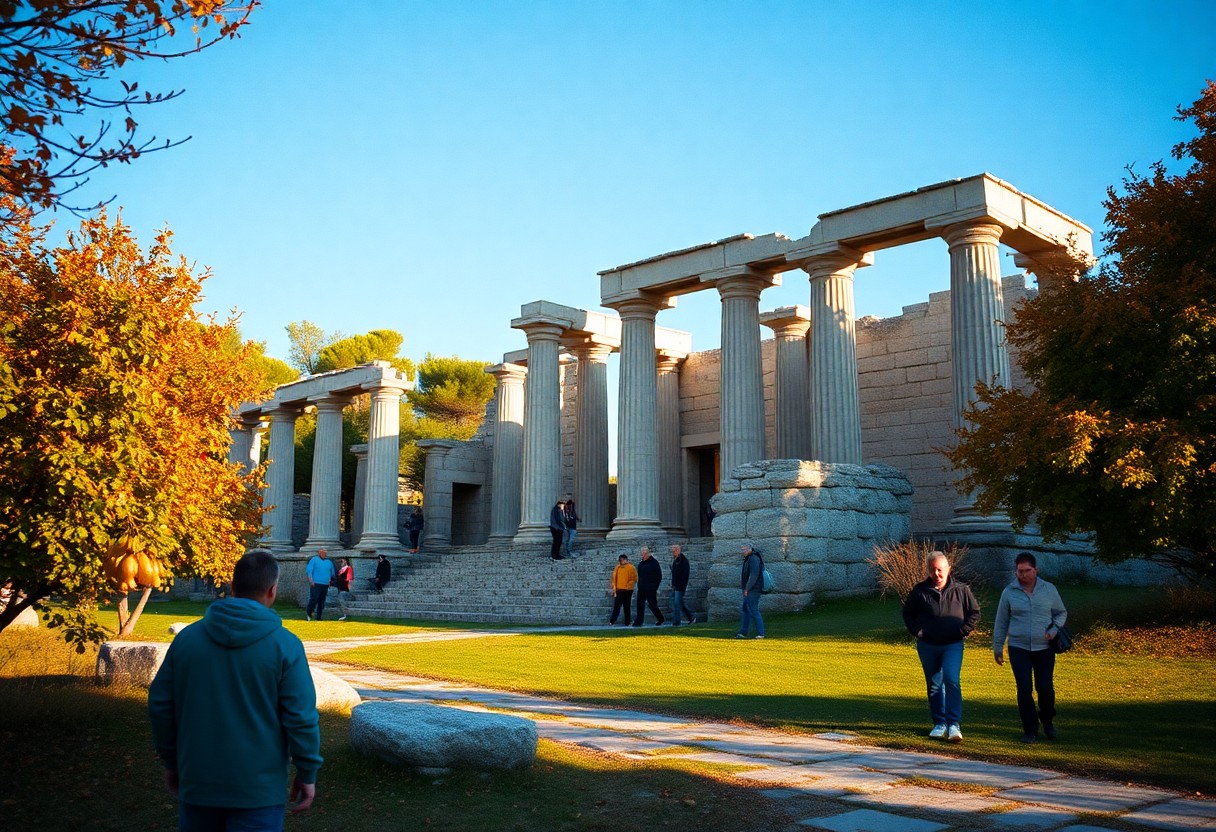
Travel enthusiasts will find that Malta's archaeological sites take on a distinct charm during the cooler season. With fewer crowds and temperate weather, exploring ancient temples, prehistoric burial sites, and fascinating museums becomes an enriching experience. From the remarkable Megalithic temples of Ħaġar Qim to the captivating underground Hypogeum of Ħal Saflieni, Malta's rich history comes alive. This guide highlights the must-visit archaeological locations and offers tips for making the most of your exploration during these ideal months.
Key Takeaways:
- Malta's archaeological sites offer unique experiences during the cooler months, away from peak tourist crowds.
- Visiting during this season allows for more comfortable exploration of outdoor sites such as ancient temples and historical forts.
- Special events and guided tours often take place in autumn and winter, enhancing the educational experience of Malta's rich heritage.
The Rich Tapestry of Malta's Archaeological Heritage
Overview of Malta's Historical Background
Malta's history stretches back over 7,000 years, showcasing a complex narrative influenced by various cultures. From prehistoric settlers to the Knights of St. John, each civilization has left its mark on the islands, creating a unique amalgamation of traditions and architectural styles. The strategic location of Malta in the Mediterranean made it a coveted prize for empires, fostering a rich, interconnected heritage that is still evident across its numerous archaeological sites.
Major Civilizations Influencing Malta's Archaeology
Throughout its history, Malta has been shaped by the Phoenicians, Romans, Byzantines, Arabs, Normans, and the Knights of St. John. Each of these cultures contributed to the islands' architectural and societal landscape, resulting in a dynamic archaeological record that reveals the evolution of human activity over millennia.


















The Phoenicians were among the first to establish trade networks across the Mediterranean, leaving behind remnants such as ancient tombs and artifacts. The Roman period saw intensified urban development, with grand structures like the Roman Theater standing as testaments to their influence. Subsequent Islamic rule introduced agricultural advancements and distinctive architectural features. The arrival of the Normans initiated the Christian influence that culminated in the powerful establishment of the Knights of St. John, whose fortifications and baroque architecture still dominate Malta's skyline. Each civilization's contributions are observable in the archaeological record and significantly enhance the understanding of Malta's historical journey.
Malta as a UNESCO World Heritage Site
Recognized for its extensive cultural heritage, Malta boasts three UNESCO World Heritage Sites: the Megalithic Temples, the City of Valletta, and the Ħal Saflieni Hypogeum. These sites encapsulate a narrative of human creativity and resilience, drawing global interest for their historical and architectural significance.
The Megalithic Temples, among the oldest freestanding structures in the world, are a remarkable achievement of prehistoric ingenuity. The City of Valletta, a testament to the Knights of St. John's architectural prowess, reflects European military design and urban planning of the 16th century. The Ħal Saflieni Hypogeum adds another layer, featuring a subterranean burial site that showcases complex burial practices. Together, these sites serve to illustrate Malta's rich historical tapestry and are pivotal in understanding its role in the broader Mediterranean context.
The Importance of Seasonal Visits
Benefits of Visiting During the Cooler Months
Exploring Malta's archaeological sites during the cooler months provides a more intimate experience, allowing visitors to appreciate the historical significance without the overwhelming crowds. With fewer tourists, one can fully engage with the rich narratives behind sites like the megalithic temples and ancient fortifications, resulting in a more enriching and reflective visit.
Weather Conditions and Their Influence on Exploration
Cooler temperatures enhance the exploration experience, as milder weather allows for longer, more comfortable days spent outdoors. Many archaeological sites are open-air, where pleasant conditions facilitate deeper engagement with the landscape and artifacts without the discomfort of scorching heat.
The average temperature during the cooler months ranges from 10°C to 20°C (50°F to 68°F), making it ideal for walking tours and outdoor activities. Rain is relatively rare but can provide a unique atmosphere, highlighting the island's natural beauty. The lower humidity also enables clearer visibility at significant historical landmarks, enhancing photography and appreciation of the intricate details in ancient stonework and carvings.
Seasonal Events and Festivals
Visiting Malta in the cooler season also means experiencing a variety of seasonal events and festivals that celebrate local culture and heritage. Each event provides insights into Malta's rich history and traditions, often infused with archaeological themes that complement the exploration of historical sites.
Events such as the Feast of St. Paul's Shipwreck in February and the Malta International Arts Festival in summer showcase local crafts, music, and performances that resonate with the island's historical narrative. Participating in these festivities allows visitors to connect more profoundly with Maltese culture, often featuring traditional practices that have roots in the island's ancient past, bridging connections between history and contemporary life.
Key Archaeological Sites in Malta
Ħaġar Qim and Mnajdra Temples
Ħaġar Qim and Mnajdra Temples, dating back to around 3600-3200 BC, stand as some of the oldest free-standing structures in the world. Located on the island's southern coast, these megalithic temples showcase intricate carvings and align with the solstices, highlighting the advanced astronomical knowledge of their builders.
The Tarxien Temples
The Tarxien Temples, constructed around 3150 BC, represent a remarkable achievement in prehistoric architecture with their intricately carved stone and distinct altars. This site served as a ceremonial hub, showcasing artistic prowess and complex cultural practices among Malta's ancient inhabitants.
Excavation studies at the Tarxien Temples have unveiled impressive sculptures, including the enigmatic “fat ladies,” believed to represent fertility. The site's layout, comprised of several interconnected buildings, indicates a sophisticated understanding of community and ritual. The priests likely performed various ceremonies, addressing fertility, agricultural cycles, and the afterlife, making this site a focal point of Neolithic life in Malta.
The UNESCO World Heritage Site of Valletta
Valletta, Malta's capital, is recognized as a UNESCO World Heritage Site due to its rich history and beautifully preserved architecture. Founded in 1566, the city features a blend of Baroque monuments and historical sites, reflecting its role as a fortified city and cultural hub during the Knights of St. John's rule.
Within Valletta, visitors can explore landmarks like St. John's Co-Cathedral and the Grand Master's Palace, which showcase remarkable artistry and architectural finesse. The city's strategic position in the Mediterranean made it a significant cultural crossroads, where various influences shaped its development, resulting in a tapestry of history and tradition that continues to attract scholars and tourists alike.
Prehistoric Sites: A Journey Back in Time
The Megalithic Temples
The Megalithic Temples of Malta, dating back to around 3600-2500 BCE, are remarkable architectural feats. These structures, including Ġgantija, Hagar Qim, and Mnajdra, serve as testaments to the island's ancient civilization. Constructed from large limestone blocks weighing several tons, these temples are among the oldest free-standing edifices in the world, showcasing sophisticated engineering and an intricate understanding of astronomical alignments.
The Cart Ruts: Mysteries of Ancient Transportation
The enigmatic cart ruts scattered across Malta spark curiosity and speculation. Stretching across the landscape, these parallel grooves in the rock-some up to two meters deep-point to a once-bustling system of transport in antiquity. Scholars debate their origins, with theories ranging from ancient cart tracks to natural geological formations shaped by the elements.
Extensive studies suggest that the cart ruts, particularly the ones at Ranalysis and Siġġiewi, may have been carved by heavy-wheeled vehicles over millennia. Some even theorize that they could indicate trade routes or sacred paths used during rituals. Their alignment and connection to other ancient sites further deepen the mystery, inviting ongoing research into their purpose and creation.
Għar Dalam and the Dawn of Human Presence
Għar Dalam, a fascinating cave system, reveals Malta's early human presence dating back to around 7,400 BCE. Excavations have unearthed stone tools and animal remains, shedding light on the lives of prehistoric hunters and gatherers who inhabited the island during the Neolithic period.
This site not only offers evidence of Malta's first inhabitants but also features a unique stratigraphy that showcases a continuous record of the island's climatic changes and biogeography. With findings such as the remains of extinct species like the dwarf elephant, Għar Dalam plays a pivotal role in understanding the evolution of Malta's prehistoric milieu and human adaptation to environmental shifts.
Historical Fortifications and Structures
The Citadel of Victoria
The Citadel of Victoria, located in Gozo, boasts a rich history dating back to the medieval era. This impressive fortress served as a refuge and stronghold for the island's inhabitants, with its massive walls and strategic positioning offering protection against invasions. Visitors can explore its narrow streets, baroque architecture, and significant landmarks like the Cathedral of the Assumption, offering sweeping views of the surrounding countryside.
Fort Saint Elmo: A Strategic Military Site
Fort Saint Elmo, positioned at the tip of the Sciberras Peninsula, is a testament to Malta's military history. Originally built in the 16th century, it played a pivotal role during the Great Siege of 1565, enduring fierce battles and sieges. Today, it houses the National War Museum, showcasing artifacts and exhibits that narrate Malta's storied past, providing insights into its strategic importance in the Mediterranean.
Fort Saint Elmo's triangular structure exemplifies 16th-century military architecture, designed to withstand cannon fire and ensure effective defense against invading forces. Its location provided a commanding view of both the Grand Harbour and the open sea, making it vital for controlling naval traffic and military operations. The fort's restoration has allowed visitors to walk its ramparts, gaining a unique perspective on Malta's history, particularly during key conflicts involving the Knights of St. John.
Mdina: The Silent City and Its Architectural Wonders
Mdina, often referred to as the “Silent City,” is a historical gem that showcases Malta's rich architectural heritage. This fortified city, perched on a hilltop, is characterized by its narrow winding streets and stunning baroque buildings, offering an enchanting atmosphere. As the former capital, it houses several historical sites, including the majestic St. Paul's Cathedral, which features an exquisite interior and a grand dome.
With its origins tracing back over 4,000 years, Mdina's architecture reflects the influences of various cultures, including Arab, Norman, and Baroque styles. The city's walls and turrets tell stories of its past, while the serene environment invites visitors to explore its many palaces and museums without the hustle of larger urban centers. The panoramic views from its bastions further enhance the allure, making Mdina a must-visit for those wishing to investigate deeper into Malta's rich history.
Museums and Interpretation Centers
The National Museum of Archaeology
The National Museum of Archaeology, situated in Valletta, houses Malta's extensive archaeological heritage. Featuring artifacts from the Neolithic period to the Phoenician era, highlights include the impressive collection of prehistoric sculptures and the renowned ‘Venus of Malta.' This museum provides a comprehensive overview of Malta's rich history, making it a must-visit for archaeology enthusiasts.
Heritage Malta: Exploring Local Culture
Heritage Malta encompasses a network of museums and cultural sites dedicated to preserving and interpreting the country's history. Visitors can research into local crafts, traditional customs, and the various influences that have shaped Malta's identity over the centuries. The organization continually offers exhibitions that reflect the evolving narrative of Maltese culture.
Currently, Heritage Malta is showcasing an array of interactive exhibits and events across its locations, including the prehistoric temples and historic palaces. Engaging displays recount tales of bygone eras while integrating modern technology for a more immersive experience. From hands-on workshops to guided tours, Heritage Malta creates numerous opportunities for visitors to connect deeply with Malta's cultural fabric.
The Malta Experience: Guided Insights
The Malta Experience is an engaging audio-visual show that depicts the island's tumultuous history through compelling narratives and stunning visuals. Located in Valletta, this attraction offers insight into key events, including the Great Siege and the impact of World War II on the nation.
Through a captivating journey, The Malta Experience provides visitors with a foundational understanding of Malta's past. The production combines historical footage with re-enactments and expert commentary, presenting a comprehensive overview that sets the stage for exploration of the island's historical sites. The engaging format ensures that attendees leave with a rich appreciation of Malta's cultural heritage, complementing visits to its notable landmarks.
The Role of Local Archaeologists and Experts
Contributions to Ongoing Excavations
Local archaeologists actively partake in excavation projects across Malta, unveiling significant findings that enhance understanding of the islands' ancient civilizations. Their research has led to the discovery of previously unknown sites, such as the Neolithic remains at Għar Dalam and Phoenician artifacts in Mdina, enriching the island's archaeological narrative.
Community Involvement in Preservation
Community involvement plays a vital role in preserving Malta's archaeological heritage, with local residents participating in site maintenance and educational workshops. This engagement fosters a sense of ownership and responsibility among citizens, ensuring that cultural treasures are safeguarded for future generations.
Collaborative initiatives often include volunteer programs where community members assist in conservation efforts at significant sites. For instance, during the annual archaeology week, locals gather to clean and maintain the Megalithic Temples, ensuring these UNESCO Heritage sites remain intact and accessible, while also enhancing community ties through shared cultural pride and stewardship.
Educational Outreach Programs
Educational outreach programs are key to raising awareness about Malta's rich archaeological heritage. Local experts conduct workshops in schools and community centers, engaging people of all ages through hands-on activities that allow them to explore Malta's ancient past.
Programs are designed to create interactive learning experiences, including archaeology days where schoolchildren can participate in mock dig sites. These initiatives not only teach participants about archaeology in a practical manner but also inspire a new generation to appreciate and pursue careers in heritage conservation and related fields, effectively bridging the gap between history and future stewardship efforts.
Engaging with Archaeology: Ways to Explore
Guided Tours vs. Self-Exploration
Guided tours offer structured experiences led by knowledgeable archaeologists or historians, providing in-depth insights into Malta's rich heritage. Conversely, self-exploration allows for a more personal pace, letting visitors investigate into sites like Hagar Qim and Mnajdra at their leisure. Each approach has its merits, catering to different preferences for learning and engagement.
Participating in Archaeological Digs
Joining archaeological digs is an immersive way to connect with Malta's past. Many organizations, such as the University of Malta, invite public volunteers to assist in excavations during the cooler months, allowing participants to gain hands-on experience in uncovering historical artifacts and structures.
Volunteers can expect to work alongside seasoned archaeologists, learning excavation techniques, site recording, and artifact preservation. Programs sometimes span weeks, making it an ideal opportunity for those seeking thorough engagement. Participants not only contribute to important findings but also develop a deeper appreciation for Malta's archaeological landscape, with daily tasks varying based on the site and current discoveries.
Workshops and Lectures
Workshops and lectures provide a fantastic avenue for enriching your understanding of Maltese archaeology. Various cultural institutions, including the National Museum of Archaeology, often host events featuring expert lectures on specific topics or hands-on workshops focused on ancient techniques.
These educational sessions cover diverse subjects, such as pottery restoration or ancient construction methods, encouraging interactive learning. Events typically attract both enthusiasts and scholars, fostering discussions that deepen knowledge of archaeological practices. Participating can also connect you with like-minded individuals and contribute to a more engaged community around Malta's archaeological heritage.
The Impact of Climate Change on Archaeological Sites
Erosion and Environmental Challenges
Coastal erosion poses a significant risk to Malta's archaeological sites, particularly those along the shoreline. Rising sea levels and increased storm intensity threaten to wash away valuable artifacts and structures, while shifting weather patterns can lead to soil destabilization. Sites such as the ancient temples of Mnajdra and Hagar Qim are increasingly vulnerable, with erosion stripping away layers of history and diminishing their integrity.
Preservation Efforts by Local Authorities
Local authorities in Malta have initiated several preservation programs to address the impacts of climate change on archaeological sites. These initiatives include routine monitoring of vulnerable sites, restoration projects, and the implementation of protective measures such as sea walls and drainage systems. Funding from both governmental and European sources supports these efforts to safeguard Malta's cultural heritage for future generations.
Recent projects have included the reinforcement of coastal areas around sites like the Hypogeum of Ħal-Saflieni, enhancing barriers to prevent flooding and erosion. Collaborations with international archaeologists and researchers have also facilitated the sharing of best practices in preservation techniques, ensuring that Malta remains at the forefront of archaeological conservation efforts amid changing environmental conditions.
Future Directions for Archaeological Conservation
Looking ahead, the focus on sustainable conservation strategies is paramount for protecting Malta's archaeological treasures. Innovative approaches such as using advanced technology for monitoring site conditions and developing educational programs for the public aim to enhance awareness and participation in conservation efforts.
Future conservation strategies may include adopting adaptive management practices that respond dynamically to environmental changes. This could involve the use of drones for site surveys, climate resilience planning, and integrating community engagement initiatives to foster a collective responsibility for heritage preservation. As Malta navigates the challenges posed by climate change, these forward-thinking approaches will be crucial in preserving the island's rich archaeological legacy.
Archaeological Legislation and Ethics
Laws Protecting Malta's Cultural Heritage
Malta's cultural heritage is safeguarded by a comprehensive legal framework that includes the Antiquities Act of 1925, which prohibits unauthorized excavations and ensures the protection of archaeological sites. This legislation mandates that all archaeological finds are reported to the Superintendent of Cultural Heritage, who oversees their preservation and integration into national collections. Additionally, the Cultural Heritage Act reflects Malta's commitment to align with European Union directives, emphasizing the importance of protecting archaeological resources for future generations.
The Role of International Cooperation
International collaboration enhances the effectiveness of archaeological protection efforts in Malta by fostering knowledge exchange and joint initiatives. Partnerships with organizations like UNESCO and INTERPOL bolster the enforcement of laws against illicit trafficking of cultural assets. Furthermore, collaborative research projects facilitate the sharing of resources and expertise, ultimately contributing to the comprehensive understanding and preservation of Malta's archaeological heritage.
Such partnerships often result in effective training programs for local archaeologists, ensuring that they are equipped with the latest methodologies and ethical practices. For instance, joint excavations between Maltese universities and international institutions often lead to discoveries that are significant not only locally but also within the broader archaeological context. This cooperative framework supports the notion that safeguarding cultural heritage transcends borders, engaging a global audience in the appreciation and protection of Malta's historical richness.
Ethical Considerations in Archaeology
Ethical practices in archaeology are paramount for ensuring the responsible management of cultural heritage sites. Archaeologists must prioritize collaboration with local communities, respecting their narratives and rights to their ancestral lands. This involves transparent communication and inclusive decision-making processes when planning excavations or site developments. Adhering to ethical codes also entails meticulous documentation of finds and ensuring that excavated materials are preserved responsibly for future study.
Ethical considerations extend beyond mere compliance with legal frameworks; they encompass moral responsibility towards the cultural significance of the sites being studied. For instance, the adoption of the principles outlined in the Valletta Declaration emphasizes engaging local populations in archaeological practices. This not only empowers communities but also enriches the archaeological record by integrating diverse perspectives. Ensuring that archaeology benefits local societies fosters long-term stewardship of cultural heritage, maintaining its relevance in contemporary narratives.
Cultural Festivals Celebrating Malta's Heritage
Mdina Medieval Festival
The Mdina Medieval Festival transports visitors to the Middle Ages with its captivating reenactments, historic displays, and vibrant atmosphere. Set within the ancient walls of Malta's old capital, the festival features knights in armor, period music, and artisanal crafts that showcase the island's medieval heritage. Families can enjoy a variety of activities such as archery, falconry displays, and medieval-themed games throughout the weekend.
The Valletta International Baroque Festival
This prestigious festival celebrates Malta's rich baroque heritage through a series of concerts and performances held in stunning historic venues. Artists from around the globe gather to showcase their talent, featuring anything from chamber music to grand orchestral pieces. Held annually in January, it attracts music enthusiasts eager to experience the exceptional acoustics of Malta's baroque churches and palaces.
The Valletta International Baroque Festival often includes workshops and masterclasses conducted by renowned musicians, offering participants the chance to learn directly from experts. Historic venues such as St. John's Co-Cathedral and the Manoel Theatre delight audiences, enhancing the overall experience with their breathtaking architecture and ambiance. Attendees can explore deeper into Malta's baroque culture, rounding off a memorable winter visit.
Notte Bianca: A Night of Culture and History
Notte Bianca transforms Valletta into a vibrant hub of art and culture, with museums, galleries, and historic sites opening their doors late into the night. This annual event, typically held in October, features performances, light installations, food stalls, and local crafts, inviting both locals and tourists to engage in Malta's cultural tapestry. An estimated 50,000 visitors attend each year, making it a highlight of Valletta's cultural calendar.
During Notte Bianca, visitors can wander the illuminated streets while enjoying live performances in various genres, from classical to contemporary. The event fosters a communal spirit, as families and friends come together to explore the city's rich history in a lively, festive atmosphere. It serves as a unique opportunity to experience the cultural heartbeat of Malta, celebrating both traditional and modern artistic expressions.
Recommendations for Cooler Season Visitors
Ideal Timeframes for Planning the Visit
The best time to visit Malta for archaeological exploration is between late October and early March. During these months, the weather is pleasantly cool, with average temperatures ranging from 15°C to 20°C. This cooler climate enhances outdoor activities and makes it ideal for comfortable site visits while avoiding the peak season crowds.
Essential Gear for Exploring Archaeological Sites
For a successful visit to Malta's archaeological wonders, packing necessary gear is advised. Comfortable walking shoes are a must for navigating uneven terrain, paired with lightweight clothing suitable for fluctuating temperatures. A hat and sunglasses are useful for sunny days, while a light jacket will keep you warm during cooler evenings.
Equipping yourself with appropriate gear enhances the experience significantly. Consider bringing a daypack to carry necessarys like water, snacks, and a portable charger for your devices. Also, include a camera for capturing the intricate details of sites such as the Ħaġar Qim temples or the Tarxien Temples. This way, you'll be prepared for both comfort and unforgettable photography opportunities.
Local Cuisine and Culinary Experiences
Diving into the culinary experiences, visitors can partake in cooking classes that showcase Malta's rich food heritage. Learning to prepare local specialties under the guidance of chefs can provide deeper insight into the culture. Participating in seasonal food festivals can also enhance your gastronomic journey, allowing you to taste local delicacies while mingling with the community and experiencing authentic Maltese hospitality.
Local Communities and Sustainable Tourism
Engaging with Local Artisans and Crafts
Visitors to Malta can immerse themselves in the rich tapestry of local culture by engaging directly with artisans who create traditional crafts. Workshops offer hands-on experiences in pottery, weaving, and glassblowing, where travelers not only learn the history of these crafts but also support the local economy. Purchasing handmade items directly from artisans ensures that a larger portion of the profit remains within the community, fostering sustainable practices and cultural preservation.
Promoting Eco-Friendly Practices
Sustainable tourism in Malta hinges on promoting eco-friendly practices among local businesses and visitors alike. Many accommodations are adopting renewable energy sources and implementing water-saving technologies, while restaurants focus on sourcing ingredients locally to minimize carbon footprints. These efforts are crucial for preserving Malta's natural beauty and reducing environmental impact.
Some eco-conscious hotels are not only using solar panels but also encouraging their guests to engage in responsible behaviors, such as reducing plastic use and participating in beach clean-ups. Additionally, eco-tours featuring guided trips to natural reserves highlight the islands' biodiversity and promote awareness of environmental issues. These all contribute to a collective effort in maintaining the ecological integrity of Malta.
Benefits of Responsible Travel
Travelers committed to responsible tourism enjoy enriching experiences while contributing positively to local communities and the environment. By prioritizing local businesses and engaging in sustainable practices, they help create avenues for economic growth that honor cultural traditions. The outcomes benefit not only the community but also enhance visitor satisfaction through authentic experiences.
When travelers choose to support responsible tourism, they foster a reciprocal relationship with local residents. This results in a more immersive experience where unique stories and cultural exchanges thrive. Studies show that travelers increasingly seek out destinations that prioritize sustainability, driving demand for practices that preserve local heritage and natural landscapes. Hence, the ripple effect of responsible travel extends well beyond individual experiences, positively shaping both Malta's economy and environment for generations to come.
Final Words
The cooler season presents an excellent opportunity for visitors to explore Malta's rich archaeological heritage. The temperate weather makes it ideal for touring ancient sites, including the megalithic temples and significant burial grounds. Engaging with the island's historical narratives becomes more enjoyable without the heat, allowing for deeper appreciation and exploration. Furthermore, the off-peak season offers a quieter experience, enhancing connections with Malta's storied past. For those seeking to enrich their understanding of archaeology, Malta offers a wealth of opportunities during these months.
FAQs
Why are the cooler months ideal for visiting Malta’s archaeological sites?
The cooler months offer mild temperatures and fewer tourists, making outdoor exploration more comfortable and allowing for a more immersive experience at historical sites.
Which archaeological sites should not be missed in Malta?
Must-visit sites include Ħaġar Qim, Mnajdra, the Tarxien Temples, Mdina, Valletta, the Ħal Saflieni Hypogeum, and the Citadel of Victoria in Gozo.
Are Malta’s archaeological sites suitable for winter travel?
Yes, most sites remain open year-round, and winter weather is generally mild, making walking tours and extended visits easier than during peak summer heat.
How does Malta’s history enhance the archaeological experience?
Malta’s 7,000-year history reflects influences from multiple civilizations, allowing visitors to explore layers of prehistoric, classical, medieval, and early modern heritage in one destination.
What UNESCO World Heritage Sites are located in Malta?
Malta is home to three UNESCO sites: the Megalithic Temples, the City of Valletta, and the Ħal Saflieni Hypogeum.
Are guided tours recommended for archaeological exploration?
Guided tours provide expert insights into historical context, symbolism, and excavation findings, while self-guided visits offer flexibility for independent exploration.
Can visitors participate in archaeological activities in Malta?
Yes, some institutions offer volunteer programs, workshops, lectures, and educational events during the cooler months for hands-on engagement.
How does weather affect the archaeological experience in Malta?
Cooler temperatures improve comfort at open-air sites, enhance visibility for photography, and allow visitors to spend longer periods exploring without heat fatigue.
What role do museums play in understanding Malta’s archaeology?
Museums such as the National Museum of Archaeology and Heritage Malta sites provide essential context through artifacts, exhibitions, and expert interpretation.
How is Malta protecting its archaeological heritage for the future?
Malta uses legal protections, climate adaptation strategies, conservation projects, and international cooperation to preserve archaeological sites against environmental and human threats.

Paula Nancy
Hello and Welcome to my profile. I'm a UK based entrenched full-time Blogger, Journalist, columnist and a certified writer with many years of sound writing experience. If you need a high-quality and original content, I'm here to provide you with the best writing services.
Related Posts
Year round travel in Malta
May 12, 2026
Spring Adventures In Malta
May 11, 2026

Malta Early Spring Travel Boom
May 9, 2026

Budget airlines lift Malta tourism
May 8, 2026

Spring visitors spend more in Malta
May 7, 2026

Malta airport traffic rises in spring
May 6, 2026

Malta hotel occupancy trends in spring
May 5, 2026

Malta attracts new spring travelers
May 4, 2026
Malta tourism tests power grid
May 2, 2026