













Best Photography Spots in Malta
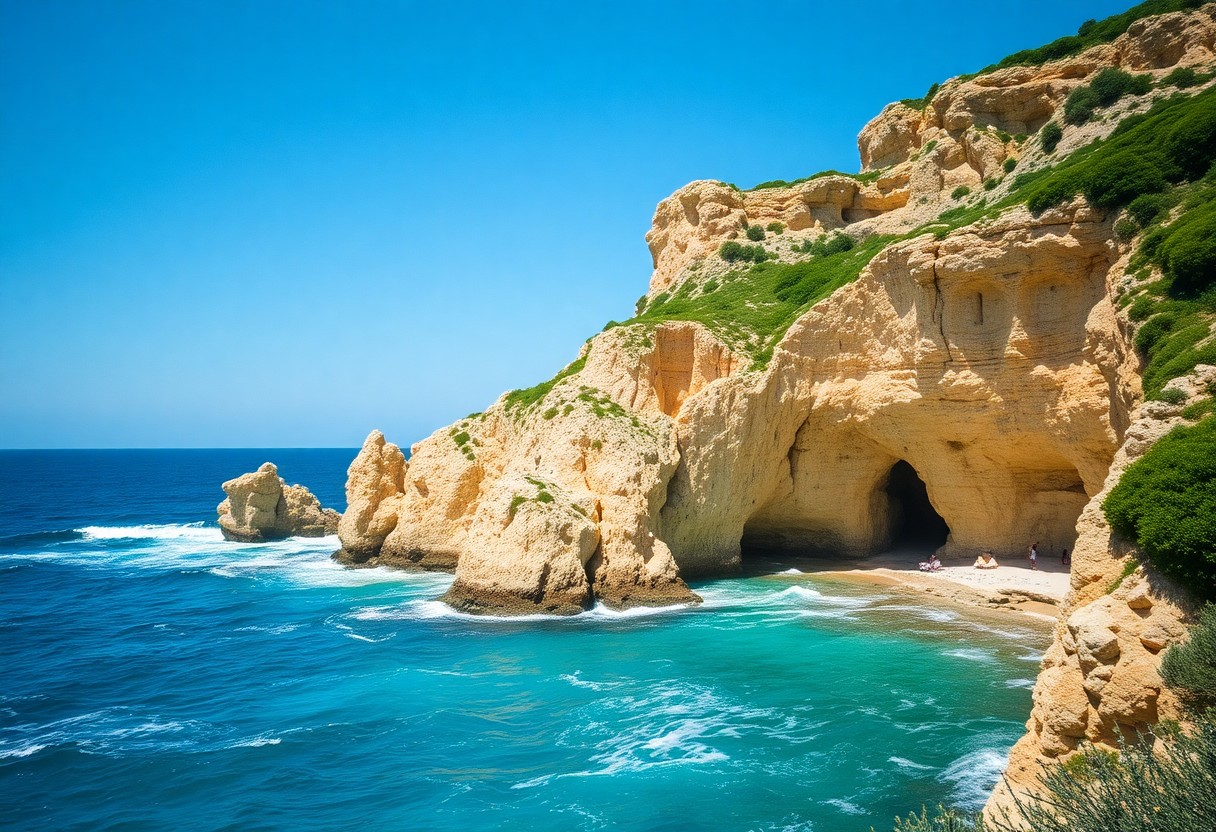
With its stunning coastal cliffs and dramatic caves, Malta offers photographers a breathtaking landscape that is ripe for exploration. From the iconic Azure Window cliffs to the hidden gems along the rugged shoreline, each location presents unique opportunities for capturing striking images. This guide will detail the must-visit spots, ideal times for photography, and tips to help you make the most of your photographic journey on this picturesque Mediterranean island.
Planning Your Photography Trip
To ensure you capture the stunning coastal cliffs and caves of Malta effectively, meticulous planning is imperative. This involves considering the best time to visit, the right equipment to take, and understanding any access restrictions that might apply. By taking the time to prepare, you'll ensure you maximize your photographic opportunities while also staying safe in the varied environments of Malta's coastline.
Best Seasons and Weather Conditions
By evaluating Malta's climate, photographers can choose optimal seasons that enhance their chances of capturing breathtaking images. The best time to visit is usually spring (April to June) and autumn (September to October) when the temperatures are mild, ranging between 20°C to 28°C. During these months, you'll find soft natural light ideal for photography, with vibrant landscapes that come alive with colors.


















Moreover, summer brings harsh sunlight and can be quite hot, while winter, though cooler, offers unique opportunities for capturing dramatic skies and moody seascapes. It's important to check the weather forecast regularly as conditions can change quickly, especially along the coastline.
Essential Photography Equipment
To make the most of your photographic trip, it is recommended to bring along imperative equipment tailored to Malta's unique coastal features. A DSLR or mirrorless camera with a variety of lenses will allow flexibility in capturing wide landscapes and detailed shots of caves. A sturdy tripod is also a smart addition, particularly useful for long exposure shots as you adapt to changing light conditions during sunrise or sunset.
Tripod-mounted shots of waves crashing against cliffs or the serene beauty of underwater caves can highlight Malta's natural magnificence. Additionally, pack filters such as polarizing and neutral density filters to manage reflections and maintain color balance in bright conditions, which are common along the coast.
Permits and Access Information
Any photographer looking to capture the beauty of Malta's coastal cliffs and caves should be aware of permit requirements and access regulations that apply to certain locations. Some natural reserves or protected areas might require you to obtain permission before setting up your equipment. It's always advisable to research specific sites in advance to avoid any disruptions during your photography sessions.
Hence, reaching out to local agencies or park authorities can provide clarity on any restrictions or limitations related to commercial photography and ensure you are compliant with local laws while exploring the stunning landscapes.
Safety Considerations
Before initiateing on your photography adventure, consider the rugged terrain and conditions you may encounter along the cliffs and caves. It is critical to wear appropriate footwear with good grip and consider the effects of slippery surfaces, especially after rain. Familiarize yourself with the locations you plan to visit, as some areas may have unstable footing or sudden drops.
In addition, be prepared for environmental factors like strong winds, especially while on cliffs where losing balance can be hazardous. Always prioritize your safety and let someone know your plans in case of emergencies, and remain vigilant about changing weather conditions that might impact your photography trip.
Prime Cliff Locations
Clearly, Malta boasts some of the most stunning coastal cliffs that serve as prime locations for photographers seeking to capture nature's beauty. The dramatic backdrops, sweeping ocean views, and striking formations provide a unique canvas for both amateur and professional photographers alike. Exploring these cliff locations can yield breathtaking photos that showcase the Maltese landscape and its stunning coastal scenery.
Dingli Cliffs
Along the southwestern coast of Malta, the Dingli Cliffs rise majestically to heights of over 250 meters above sea level. This vantage point offers panoramic views of the Mediterranean Sea, making it a favorite among photographers looking to capture stunning sunsets and the dramatic interplay of light and shadow over the cliffs. The rugged terrain and wild flora add to the natural appeal, ensuring that every frame captures the unspoiled beauty of the landscape.
Visitors to the Dingli Cliffs are often treated to the sight of small fishing boats dotting the waters below, which provide an interesting focal point for photography. Plus, the extensive walking paths throughout the area make it accessible for anyone eager to explore its scenic routes while snapping memorable shots of the horizon.
Blue Grotto Area
About 12 kilometers from Valletta, the Blue Grotto Area features a series of sea caves renowned for their vibrant Mediterranean waters and stunning rock formations. The reflective blue hues of the water create a captivating scene that photographers find irresistible, especially during sunrise and sunset when the light casts dazzling effects across the waves and cliffs. The unique combination of the caves and the surrounding coastline makes this area a must-visit for capturing nature's artistry.
Hence, the Blue Grotto is not only perfect for traditional landscape photography but also offers opportunities for underwater shots, as divers and snorkelers explore the region's rich marine life. The vibrant colors and textures of the cliffs add depth and diversity to the photographs taken in this remarkable area.
Ta' Ċenċ Cliffs
Before reaching the southern tip of Gozo, photographers should not miss the Ta' Ċenċ Cliffs, which rise dramatically from the shimmering sea. These cliffs are known for their sheer vertical drops and spectacular sea views, making them an awe-inspiring subject for photographers. The natural beauty of this area is accentuated by the surrounding landscapes, characterized by rolling hills and lush vegetation, which provide a stunning contrast to the powerful ocean below.
And with the sun setting on the horizon, the Ta' Ċenċ Cliffs offer one of the best vantage points for capturing those romantic twilight moments. The rugged landscape is dotted with intriguing rock formations and secluded coves, adding endless possibilities for composition and perspective.
Xlendi Cliffs
Beside the charming fishing village of Xlendi, the Xlendi Cliffs stand tall, providing a breathtaking panorama that delights photographers. The cliffs not only rise steeply but also feature unique geological formations, which have been sculpted by centuries of wind and waves. This area is particularly appealing for capturing dramatic coastline shots, especially when conditions permit waves crashing against the cliffs, creating a mesmerizing display of power and beauty in photographs.
Due to their easy accessibility, photographers can set up their equipment in multiple locations, allowing for various angles and perspectives. The quaint village below adds a human element to the landscape, offering opportunities for incorporating local culture into your coastal scenes.
Notable Sea Caves
Keep your camera ready as you venture into Malta's stunning sea caves. These natural wonders not only showcase the breathtaking beauty of the island's coastline but also provide fantastic opportunities for photography. From vibrant blues to intricate rock formations, the sea caves offer the perfect canvas for both amateur and professional photographers alike. Whether you're exploring by boat or hiking along the cliffs, these caves are a must-visit when capturing the essence of Malta's maritime landscape.
Blue Grotto
After arriving at the Blue Grotto, prepare to be mesmerized by the kaleidoscope of colors reflected in the water. This renowned sea cave complex features a series of caverns with stunning azure hues that are at their most vibrant when illuminated by the midday sun. The natural light creates an ethereal atmosphere, making it a photographer's paradise. Visitors can take boat tours around the grotto to witness the breathtaking scenery from various angles, capturing mesmerizing shots of its illuminated walls and submerged rocks.
In addition to being renowned for its beauty, the Blue Grotto is also an necessary spot for those seeking to capture dynamic seascapes. The contrast between the crystal-clear waters and the rugged limestone cliffs provides an exceptional backdrop for photography. Adventurous spirits may even explore the underwater caves through snorkeling, giving an entirely new perspective on the vibrant marine life that inhabits these waters.
Crystal Lagoon
One of Malta's hidden gems, the Crystal Lagoon is a picturesque site that truly lives up to its name. Located near the island's southwestern coast, this enchanting spot is known for its serene waters, which display an extraordinary palette of blues and greens enhanced by the sunlight filtering through the cave openings. The calmness of the lagoon presents an ideal setting for tranquil photography, enabling you to capture moments of serene beauty amidst nature's splendor.
With its sheer cliffs surrounding the lagoon and captivating rock formations, photographers can find plenty of captivating angles to explore. The reflections in the crystal-clear water create mesmerizing compositions, showcasing both the vibrant colors of the sea and the intricate textures of the rocks. Photographers can spend hours experimenting with lighting and composition, offering endless creative possibilities in this remarkable underwater sanctuary.
Coral Cave
Between the rugged cliffs of the coastline lies the Coral Cave, a remarkable natural formation that has captivated many visitors. As you approach this cave, you'll be greeted by striking coral formations that adorn its entrance. The stunning amber and aquamarine hues within the cave provide breathtaking visuals, especially when captured at specific angles where the light filters through. This unique cave offers photographers an opportunity to explore the vibrant colors and textures of marine life that thrive in its surroundings.
Crystal clear waters often swathe the foot of the Coral Cave, creating an inviting environment for adventurous photography. The juxtaposition of the cave's structure against the glistening sea invites a plethora of compositional techniques, allowing photographers to experiment with reflections, contrasts, and textures. Each visit to the Coral Cave reveals new details, making it an ever-evolving backdrop for your photography portfolio.
Għar Lapsi
For those looking to explore one of the lesser-known treasures of Malta, Għar Lapsi is a hidden cave that provides an intimate setting for capturing stunning photographic moments. Nestled amid limestone cliffs, this cave offers stunning views of the surrounding landscape and a peaceful ambiance that is perfect for photography. The bays and nearby rock formations boast mesmerizing hues that shift throughout the day with the changing light, making it an appealing choice for any photographer seeking to capture the raw beauty of Malta's coastline.
At Għar Lapsi, visitors can further immerse themselves in the surrounding natural beauty. The area is rich in flora and fauna, providing an added opportunity for nature photography. It's an ideal locale for capturing both the dynamic beauty of the coast and the serene aspects of the cave's environment, making it a unique and worthwhile destination for any photographer exploring Malta's coastal charms.
Composition Techniques
After exploring the stunning coastal cliffs and caves of Malta, it's necessary to focus on composition techniques to enhance your photography. By applying key principles of composition, you can capture breathtaking images that convey the drama and beauty of these natural formations. Understanding elements such as leading lines, scale, long exposure techniques, and lighting will enable you to create impactful visual stories in your photographs.
Leading Lines in Cliff Photography
Cliff photography offers unique opportunities to utilize leading lines to draw the viewer's eye into the frame. These lines can be formed by natural elements such as the edges of cliffs, paths, or even the shoreline. By positioning your camera angle strategically, you can guide the viewers' gaze toward the horizon or deeper into the scene, making your photographs more engaging and dynamic.
Incorporating leading lines can also help create a sense of depth and dimension in your images. This technique works particularly well in the rugged landscapes of Malta, where the natural contours of the landscape can serve to frame your subject and create a more immersive experience for the viewer.
Scale and Perspective
Across the cliffs of Malta, varying perspectives can dramatically change the perceived scale of your images. When photographing vast landscapes, consider including a human element or a recognizable object to provide context. By positioning yourself at different heights or distances, you can emphasize the towering cliffs or the vast sea, enriching the narrative of your composition.
Utilizing foreground elements can also enhance the perception of scale in your photos. For example, capturing a small rock or plant in the foreground against the vast cliffs in the background helps viewers understand the massive scale of the landscape, allowing them to appreciate the grandeur of Malta's natural beauty.
Also, experimenting with drone photography can bring a fresh perspective to your work. Aerial shots can reveal the intricate patterns of the cliffs and waterways that may go unnoticed from the ground, presenting a whole new way to interpret scale and perspective in your images.
Long Exposure Seascapes
About long exposure photography, it's a technique that can produce stunning, ethereal images of the Maltese coastline. By using a neutral density filter, you can extend the shutter speed to several seconds or even minutes. This allows for the smooth blending of waves and clouds, resulting in a dreamlike quality to your seascapes. Capturing the movement of water in this manner can convey a sense of tranquility and fluidity that contrasts beautifully with the jagged cliffs of Malta.
Long exposures are particularly effective during sunrise or sunset when the soft lighting enhances the overall mood of the image. The additive effect of the movement of clouds and waves becomes a visual symphony, adding depth and texture while enveloping the cliffs in ethereal colors.
Even during the day, experimenting with long exposure can yield impressive results. Shooting during overcast conditions helps mitigate harsh sunlight, allowing for smoother transitions in brightness and color throughout the image while maintaining those sweeping, soft water textures.
Golden and Blue Hour Shooting
Against the backdrop of Malta's coastal cliffs, the golden and blue hours present the perfect opportunity for photographers to create magical images. The golden hour, occurring shortly after sunrise and just before sunset, bathes the landscape in warm hues that can bring out the rich textures of the cliffs and deep blues of the Mediterranean. This warm light helps to enhance the natural colors and create a soft, flattering glow on the rocky surfaces.
During the blue hour, the cool tones of twilight provide a different aesthetic altogether. This brief window of time just before nightfall highlights the dramatic contours of the cliffs, often creating a moody atmosphere that can be equally captivating. The contrast between the warm and cool tones can provide dynamic variations in your portfolio, showcasing the versatility of Malta's stunning coastal landscapes.
Exposure settings are vital during these times to capture the desired effect. Utilizing a tripod is recommended to maintain stability and achieve crisp detail while adjusting your exposure longer to draw in the soft light gradients characteristic of these hours.
Specialized Photography Methods
Despite the stunning natural beauty that Malta's coastal cliffs and caves offer, capturing their essence through photography requires specialized methods. From aerial shots to underwater explorations, various techniques can enhance the visual narrative of these breathtaking landscapes. Understanding these methods is necessary for photographers who wish to research deeper into their craft while capturing the unique characteristics of this Mediterranean paradise.
Drone Photography Guidelines
The use of drones has revolutionized landscape photography, allowing photographers to capture expansive views that were previously difficult to achieve. In Malta, where the cliffs and caves stretch dramatically along the coastline, utilizing drone technology can provide a fresh perspective. Before taking flight, however, it is necessary to familiarize oneself with the local regulations regarding drone usage. Operating within legal limits not only ensures compliance but also protects the serene environment that makes Malta such a desirable location for photographers.
The optimal time for drone photography is typically during sunrise or sunset when the soft, golden light enhances the natural color palette of the landscapes. Additionally, choosing a stable location for takeoff and landing is important to avoid any disturbances to the surrounding area. By planning ahead and exercising caution, photographers can create stunning aerial shots that showcase the majestic beauty of Malta's coastline like never before.
Underwater Cave Photography
Among the various photography methods, underwater cave photography presents unique challenges and opportunities. Malta is renowned for its stunning underwater caverns, creating an alluring playground for underwater photographers. Capturing the incredible formations within these caves requires not just technical skill but also a deep understanding of the underwater environment and the equipment necessary to thrive in it. Proper lighting techniques and the right camera gear, such as waterproof housings and wide-angle lenses, are necessary for achieving desired results.
Hence, it is vital for photographers to train adequately in underwater photography techniques, particularly focusing on buoyancy control and understanding the behavior of natural light as it penetrates water. This knowledge helps in framing shots that highlight the dynamic interactions between light and the textured surfaces of caves. For those willing to take the plunge, the underwater caves surrounding Malta can yield some of the most breathtaking images imaginable.
HDR for High Contrast Scenes
Guidelines for high dynamic range (HDR) photography are especially useful in capturing Malta's coastal cliffs and caves, where light can vary dramatically between shadowed areas and sunlit peaks. By merging multiple exposures of the same scene, photographers can create images that beautifully balance light and shadow, preserving detail that might be lost in standard photographs. This technique is particularly advantageous when shooting at dusk or dawn, when the tension between light and dark is most pronounced.
It is also important to stabilize your camera, as even slight movements can ruin the merging process. Utilizing a tripod for HDR photography facilitates this stability and allows for precise alignment of frames. Post-processing software can further enhance these images, making the coastal cliffs and caves appear almost surreal in their beauty.
Hidden Gems
For photographers seeking something beyond the average tourist snapshots, Malta's coastal cliffs and caves are teeming with hidden gems waiting to be explored. These lesser-known spots can provide a unique perspective on the island's natural beauty, offering stunning vistas and intriguing compositions far from the crowds. The charm of these locations lies in their secluded nature, allowing for uninterrupted photography sessions that capture the raw essence of Malta's coastline.
Lesser-Known Viewpoints
Hidden among the more popular lookout points, there are numerous lesser-known viewpoints that remain overshadowed by their more famous counterparts. Places like the cliffs near Fomm ir-Rih offer dramatic plunges into turquoise waters, ideal for capturing long-exposure shots during sunset. These secluded spots not only allow photographers to escape the hustle of the typical tourist sites but also provide opportunities to discover unique flora and fauna native to the region.
Additionally, the cliffs of Dingli, particularly in areas away from the main paths, reveal stunning panoramas of the Maltese landscape. Although they may require a bit of trekking, the reward is a vantage point where the horizon stretches endlessly, and the sun dips into the sea with breathtaking colors.
Local Guide Recommendations
Across the island, seasoned local guides possess fascinating insights into hidden locations that may not be found on typical maps or travel guides. They can direct photographers to off-the-beaten-track areas that feature unique geological formations, secret caves, and picturesque coastal paths. Their vast knowledge of the landscape means you're more likely to stumble upon exceptional photography spots that tell a deeper story about Malta's rich natural heritage.
Guide services often include tailored tours where photographers can focus on their specific interests, whether it's capturing breathtaking landscapes, wildlife, or the intricate textures of rocky cliffs. Having a local around not only elevates your photography experience but can also enrich your understanding of the ecological and historical significance of each location.
Seasonal Natural Phenomena
At various times of the year, Malta showcases seasonal natural phenomena that can greatly enhance a photographer's portfolio. The blooming of wildflowers in spring transforms the cliff tops into a riot of colors, creating captivating contrasts against the deep blue sea. Similarly, winter storms can carve dramatic new shapes into the rock face, leading to unique compositions that capture the power of nature.
During certain seasons, the phenomena occur with predictable regularity. Those who time their visits to align with these natural displays can take advantage of the fleeting moments that define Malta's coastal beauty. Truly, the opportunity to photograph bioluminescence in the secluded lagoons or the migration of seabirds casts a spell that few islands can match.
Lesser-known locations also play host to stunning seasonal events, such as the yellow wildflowers blooming along hidden trails or the crystal-clear waters revealing vibrant underwater life. Engaging with these cycles can amplify the quality of your photographic work while giving you a deeper appreciation for Malta's dynamic landscape.
Post-Processing Tips
Many photographers capture stunning images of Malta's coastal cliffs and caves, but the final presentation can often elevate these photographs to an entirely new level. Effective post-processing can help you achieve the vibrant colors, enhanced details, and dramatic contrasts that represent the unique Mediterranean landscape. Here are a few key tips to consider:
- Adjust white balance to match the warmth of Mediterranean sunlight.
- Utilize local adjustments to enhance details in cliffs and caves.
- Experiment with curves for fine-tuning contrast.
- Use sharpening techniques selectively for a more polished look.
- Consider soft vignetting to draw attention to your central subject.
Perceiving how different adjustments influence your image can significantly affect the final presentation, allowing you to create a photograph that resonates with viewers.
Color Grading for Mediterranean Light
Mediterranean landscapes are characterized by their unique light, often resulting in warm tones and vibrant colors. To replicate this in your photographs, focus on color grading during post-processing. Emphasizing warm yellows, soft pinks, and rich blues can help evoke the feeling of standing on the edge of a Malta cliff at sunset.
Additionally, adjusting saturation and vibrancy can further enhance the colors in your images without making them appear unnatural. Pay close attention to the sky as it often exhibits a range of hues that reflect the atmospheric conditions and time of day, allowing for captivating visuals that showcase the region's beauty.
Exposure Blending Techniques
An effective way to manage the wide dynamic range present in landscape photography is by utilizing exposure blending techniques. This method involves combining multiple exposures of the same scene to capture details in both the highlights and shadows. Given the extreme contrasts that often appear when photographing the cliffs and caves, this technique can be particularly beneficial in ensuring that details are well represented, providing depth and dimension to your imagery.
The basic process usually includes taking at least three different exposures (underexposed, correctly exposed, and overexposed) and merging them in software like Adobe Photoshop or Lightroom. This allows you to maintain highlight detail in the sunlit cliff faces while still capturing shadow details in the cave interiors, resulting in a well-balanced image.
Managing Dynamic Range
Light plays a substantial role in landscape photography, especially along the rugged coastlines of Malta. The dramatic cliffs often create challenging lighting scenarios where some areas are sunlit while others remain in deep shadow. To effectively manage such dynamic range, you may consider applying graduated neutral density filters during capture or relying on post-processing techniques to balance the exposure.
In addition, utilizing HDR (High Dynamic Range) photography can provide a solution for scenes with significant light variation. This involves merging multiple images taken at different exposures to create a single image that retains details in both bright and dark areas. With the right approach, you can create photographs that truly represent the breathtaking beauty of Malta's coastal landscape.
Final Words
The stunning coastal cliffs and caves of Malta present an unparalleled opportunity for photographers seeking to capture the raw beauty of nature. With their dramatic formations, vibrant hues, and crystal-clear waters, these landscapes create an ideal backdrop for extraordinary photographs. The interplay of light and shadow, particularly during sunrise and sunset, enhances the visual appeal, making these locations perfect for both amateur and professional photographers alike. The variety of perspectives, from aerial shots of the cliffs to intimate captures of the caves, showcases Malta's unique geology and maritime character.
In exploring Malta's coastline, photographers will find a wealth of inspiration at every turn. Each cliff and cave offers its own story, encouraging a deeper engagement with the environment. To maximize the experience, it's beneficial to take the time to scout locations, experiment with different angles, and embrace the changing weather conditions, which can dramatically alter the mood of the landscapes. Ultimately, capturing the essence of Malta's coastal cliffs and caves is not just about photography; it is an invitation to appreciate the natural wonders that this Mediterranean gem has to offer.
FAQs
What are the best months for coastal photography in Malta?
The best months are April to June and September to October, offering mild temperatures and soft lighting for stunning photos.
Do I need a permit for photography at Malta’s cliffs and caves?
Some protected areas may require permits, especially for commercial shoots. Always check with local authorities before visiting.
What camera gear is recommended for photographing Malta’s coastline?
A DSLR or mirrorless camera with a variety of lenses, a tripod, and polarizing or ND filters will help capture the best shots.
Which cliffs in Malta offer the best photography opportunities?
Dingli Cliffs, Ta' Ċenċ Cliffs, and Xlendi Cliffs provide breathtaking views and dramatic landscapes ideal for photography.
Where are the best sea caves for photography in Malta?
The Blue Grotto, Crystal Lagoon, Coral Cave, and Għar Lapsi are must-visit locations for capturing stunning cave photography.
What safety precautions should photographers take?
Wear sturdy footwear, be cautious of strong winds on cliffs, check weather conditions, and avoid unstable areas near cliff edges.
What is the best time of day to photograph Malta’s coastline?
The golden hour (sunrise and sunset) provides warm tones, while the blue hour offers dramatic lighting for moody seascapes.
Can I use drones for aerial photography in Malta?
Yes, but drone regulations apply. Some areas may have restrictions, so check with the Malta Civil Aviation Directorate before flying.
Are boat tours available for photographing Malta’s sea caves?
Yes, boat tours to the Blue Grotto and other sea caves offer unique angles for capturing the beauty of Malta’s coastline.
What composition techniques work best for coastal photography?
Leading lines, scale and perspective, long exposure for water effects, and golden hour lighting enhance coastal photographs.

Michael
With nearly 30 years in corporate services and investigative journalism, I head TRIDER.UK, specializing in deep-dive research into gaming and finance. As Editor of Malta Media, I deliver sharp investigative coverage of iGaming and financial services. My experience also includes leading corporate formations and navigating complex international business structures.
Related Posts
Year round travel in Malta
May 12, 2026
Spring Adventures In Malta
May 11, 2026

Malta Early Spring Travel Boom
May 9, 2026

Budget airlines lift Malta tourism
May 8, 2026

Spring visitors spend more in Malta
May 7, 2026

Malta airport traffic rises in spring
May 6, 2026

Malta hotel occupancy trends in spring
May 5, 2026

Malta attracts new spring travelers
May 4, 2026

Malta tourism tests power grid
May 2, 2026