













Malta Coastal Lookouts in Autumn
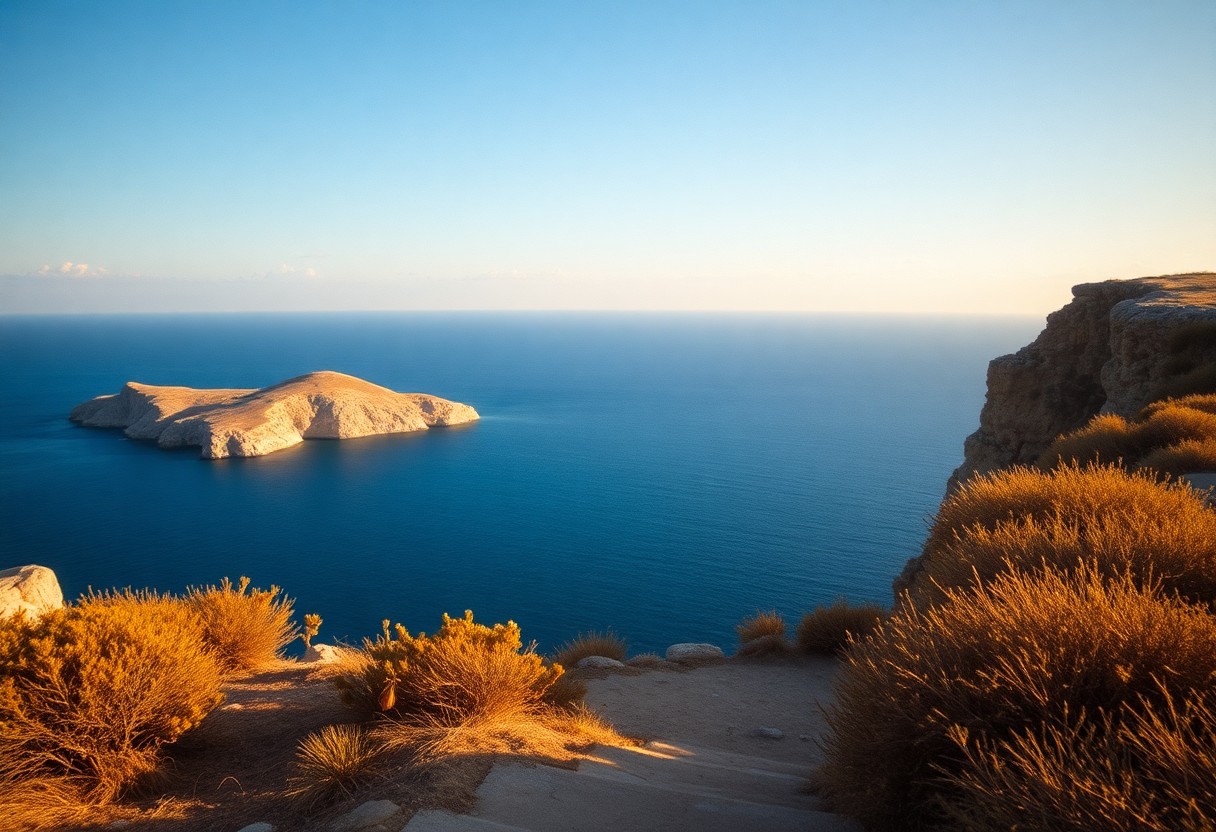
You can experience the breathtaking beauty of Malta's coastal lookouts during autumn, when the air is crisp and the landscapes transform. The island's dramatic cliffs and serene waters provide stunning vantage points to admire vibrant sunsets and changing foliage. Each lookout offers a unique perspective of Malta's rich history and natural wonders, making them ideal for both exploration and photography. This post will guide you through some of the best lookout spots to enjoy the enchanting autumn atmosphere along Malta's coastline.
Key Takeaways:
- Malta's coastal lookouts offer stunning views, particularly enhanced by autumn light.
- The cooler autumn air makes hiking to these lookouts more enjoyable and accessible.
- Exploration during this season provides opportunities to witness unique flora and fauna along the coastal trails.
The Historical Significance of Coastal Lookouts
Evolution of Coastal Defense Systems
Malta's coastal defense systems have evolved from rudimentary watchtowers in antiquity to elaborate fortifications that reflect the island's strategic importance. Initially built to alert against pirates and invaders, structures like the iconic Hexagon Tower, erected by the Knights of St. John, showcase advanced military architecture. The integration of cannons and sophisticated surveillance techniques during the 18th century significantly strengthened Malta's defensive capabilities, adapting to the shifting dynamics of maritime warfare.
The Role of Lookouts in Maritime Navigation
Coastal lookouts have historically served as vital points for maritime navigation, guiding seafarers safely along Malta's rugged coastline. Navigational markers and lighthouses, strategically positioned within range of these lookouts, provided early sailors with critical guidance, especially in treacherous waters around the islands. The confluence of lookout positions and navigational aids highlights Malta's importance as a maritime hub.


















As maritime trade flourished, the role of lookouts extended beyond mere defense; they became necessary for navigation, aiding merchant ships in safely anchoring at ports. Historical records indicate that signal flags and lanterns were used to communicate weather conditions and entry directions, making coastal lookouts indispensable for the bustling trade routes across the Mediterranean. Their influence on naval architecture laid the foundation for modern navigational practices.
Cultural Heritage and Architecture
The coastal lookouts of Malta reflect a rich cultural heritage and architectural unique design, representing the island's layered history. Many structures feature Baroque elements, influenced by the Knights of St. John, while others exhibit traditional Maltese craftsmanship. From the simplistic stone watchtowers lining the coast to the grander fortifications of the 17th century, each lookout embodies stories of resilience and adaptation, contributing to Malta's identity as a crossroads of cultures.
For example, the Lascaris War Rooms, originally used for military planning during World War II, are now a testament to the intricate relationship between the lookout architecture and Malta's history. These lookouts not only served a functional purpose but also became symbols of the merging of military necessity with cultural expression. Today, many are preserved as heritage sites, allowing visitors to appreciate their historical significance and architectural beauty.
Geographic Overview of Malta's Coastal Areas
Major Coastal Regions
Malta's coastline stretches approximately 197 kilometers, divided into several major regions, including the rugged cliffs of the northwest, the sandy beaches of the southeast, and the picturesque bays along the northern shores. Prominent areas such as the Golden Bay and Mellieħa Bay attract visitors for their scenic beauty, while the cliffs of Dingli and the Blue Grotto offer striking views that highlight Malta's diverse topography.
Unique Geographical Features
The unique geography of Malta is defined by its limestone cliffs, hidden coves, and large natural harbors like Valletta's Grand Harbour. The islands' karst topography, shaped by erosion, adds to its charm with dramatic landscapes and both inland and coastal gullies. These features create a stunning backdrop that enhances outdoor experiences against the vivid palette of autumn colors.
The islands also host fascinating geological formations, including dramatic sea stacks and blowholes. For example, the Azure Window, although it collapsed in 2017, was a prime example of Malta's unique coastal structuring. Several coves exhibit a mix of crystal-clear waters and rugged cliffs, offering stunning vantage points for coastal exploration. This geographical diversity not only attracts tourists but also contributes to various outdoor recreational activities, such as hiking, diving, and bird-watching.
Biodiversity and Ecosystems
Malta's coastal areas are rich in biodiversity, featuring various ecosystems that host unique flora and fauna. The combination of Mediterranean climate and diverse habitats supports numerous species, making it a critical area for wildlife conservation.
The coastal regions serve as vital habitats for many marine species, including several endemic plants and migratory birds. The rich underwater ecosystems, particularly in areas like the Marine Protected Areas around Comino and Gozo, foster the growth of seagrass beds and coral reefs, which in turn provide breeding grounds for fish and other marine life. The interplay between these ecosystems and Malta's coastal geography creates a dynamic environment that is not only imperative for biodiversity but also appealing for eco-tourism initiatives.
The Autumn Season in Malta
Climate Characteristics
Autumn in Malta presents a mild climate, with temperatures averaging between 20°C and 25°C. The summer heat gradually dissipates, creating comfortable conditions ideal for outdoor exploration. Occasional rainfall rehydrates the landscape, enhancing the beauty of the surroundings while the humidity levels drop, making it a pleasant time for both locals and tourists.
Natural Changes in Flora and Fauna
As autumn arrives, Malta's natural landscapes undergo notable transformations. The vibrant greens of summer give way to rich hues of orange, yellow, and brown, particularly in the countryside. Migratory birds begin to arrive, and various plant species, such as wildflowers, start to bloom in their autumn cycles, enhancing the island's biodiversity.
During this season, species such as the blue rock thrush and various raptors can be observed migrating along Malta's coasts. Olive and carob trees, common across the landscape, showcase their changing foliage, while areas like Buskett Gardens see an influx of mushrooms and other fungi thriving in the wetter conditions. Such changes create a vivid tapestry of life, drawing nature enthusiasts to witness these seasonal shifts first-hand.
Seasonal Activities and Festivals
Autumn in Malta is rich with activities and cultural events. The harvest season brings various agricultural festivals, such as the celebrated Delicata Wine Festival, highlighting local wines and culinary delights. Additionally, the cooler weather makes hiking and outdoor excursions more enjoyable, with paths leading to coastal lookouts adorned in autumn colors.
Events like the Malta International Fireworks Festival also take place in the autumn, attracting visitors to enjoy breathtaking displays against the backdrop of the island's scenic coastlines. Local towns host village feasts celebrating patron saints, featuring traditional food, music, and community gatherings that reflect Malta's vibrant cultural heritage during this picturesque season.
Key Coastal Lookouts in Malta
The Watchtower of Għajn Tuffieha
The Watchtower of Għajn Tuffieha, built in 1649, serves as a spectacular vantage point overlooking the azure waters of the bay. Its strategic location provides panoramic views of the surrounding coastline, making it a popular spot for photographers and nature enthusiasts alike. The rugged terrain and seasonal wildflowers further enhance the beauty of this lookout, especially in the autumn months.
The Red Tower (Torri Kbir)
Perched on a hilltop, The Red Tower, or Torri Kbir, was constructed in 1649 as a defense fortress. Its distinctive red hue and robust structure make it easily recognizable against the landscape. Visitors are captivated by the stunning views it offers over the Mellieħa Bay and surrounding areas.
The Red Tower features a unique design, incorporating thick walls and a strategic layout that allowed for effective observation and defense during its operational years. Today, it stands not only as a historic site but also as a testament to Malta's rich military heritage, drawing visitors eager to explore its interiors and learn about its role in the island's history. The tower's elevated position ensures breathtaking vistas of both land and sea, particularly beautiful as the sun sets over the horizon.
The Wignacourt Tower
The Wignacourt Tower, erected in 1638, is located along the northern coast and offers impressive views of St. Paul's Bay. Originally built for defense and surveillance, it features unique architectural elements that reflect the military style of its time. The surrounding area, with its tranquil waters and scenic cliffs, adds to the charm of this historical lookout.
This tower played a vital role in the coastal defense strategy against potential invasions. Notably, it served as a signaling post to alert nearby fortifications of approaching ships. While exploring the Wignacourt Tower, visitors can enjoy not only its historical significance but also the engaging exhibits that highlight Malta's maritime history. The tower's strategic location also allows for delightful walks along the coastline, particularly enchanting during the autumn season when the landscape bursts with colors.
Architectural Features of Coastal Lookouts
Design Elements and Materials Used
The coastal lookouts of Malta showcase a blend of functionality and aesthetics, typically constructed with locally sourced limestone, which ensures harmony with the surrounding landscape. These structures often feature narrow windows and robust walls, designed to withstand harsh marine conditions. Decorative elements like wrought iron railings and colorful shutters enhance their visual appeal while reflecting traditional Maltese architecture.
Structural Durability and Preservation
Built to endure, Malta's coastal lookouts utilize traditional building techniques complemented by modern preservation methods. Many structures have been restored using authentic materials to maintain historical accuracy, while also employing weatherproofing techniques to combat coastal erosion.
Regular maintenance is integral to preserving these lookouts. For instance, surface treatments are applied to prevent saltwater infiltration, which could degrade the stone. Conservation efforts are often led by heritage organizations that carry out periodic inspections and restoration projects to ensure these landmarks remain robust amid environmental challenges.
Artistic Influences and Styles
The artistic styles of Malta's coastal lookouts reflect a fusion of various cultural influences, primarily Mediterranean and Arab architectural elements. This is evident in the elegant arches and simplistic yet majestic forms that characterize many of these lookouts.
The incorporation of Baroque and Neoclassical motifs is also significant, influenced by the historical presence of the Knights of St. John. The use of ornamental stone carvings and pastel hues not only amplifies the lookouts' beauty but also serves as a visual narrative of Malta's rich cultural heritage, drawing visitors and historians alike to explore their stories.
Coastal Lookouts as Tourist Attractions
Popularity Among Locals and Tourists
Malta's coastal lookouts attract both locals and tourists, drawn by their breathtaking views and rich history. Iconic sites like the Red Tower and the Għar Lapsi viewpoint see thousands of visitors each autumn, where stunning vistas of the Mediterranean open up. These lookouts offer a unique blend of natural beauty and cultural significance that appeals to adventure seekers and history buffs alike.
Recommended Routes and Trails
The scenic routes leading to Malta's coastal lookouts are must-experience adventures. The North Coast Path, for instance, starting at Golden Bay, provides a beautiful hike past historic towers and scenic cliffs. Another popular option is the trail from Dingli Cliffs, presenting panoramic views ideal for photography enthusiasts.
This route covers approximately 8 kilometers, providing access to both the lush countryside and the iconic lookouts. Hikers can explore the diverse flora and fauna along the way, combining physical activity with a chance to appreciate Malta's unique ecosystems. Each lookout along these trails reveals different vistas, enriching the hiking experience.
Visitor Facilities and Amenities
Most coastal lookouts are equipped with basic visitor facilities, making them accessible and enjoyable. Amenities such as viewing platforms, picnic areas, and informational signage are common, enhancing the overall experience for visitors. Public restrooms and parking areas at key sites further contribute to their attractiveness.
For instance, the area around the Red Tower includes picnic benches and designated walking paths, encouraging families to spend more time enjoying the landscape. Local kiosks often sell refreshments, allowing visitors to stay longer and immerse themselves in Malta's natural beauty. Nearby modern facilities ensure that everyone can comfortably navigate these stunning coastal viewpoints.
The Importance of Coastal Protectors
The Environmental Role of Coastal Lookouts
Coastal lookouts play a vital role in environmental conservation by preserving unique ecosystems. These structures are strategically positioned to safeguard coastal habitats, support biodiversity, and mitigate erosion. Their presence ensures that sensitive areas remain protected from unauthorized development, while also providing educational opportunities for visitors to understand coastal ecology.
Lookouts in Monitoring Pollution and Conservation
Monitoring pollution levels and conservation statuses along Malta's coastline is significantly enhanced by coastal lookouts. Equipped with observation platforms, they enable environmentalists to monitor water quality, track litter accumulation, and identify pollution sources. This real-time data collection is vital for timely responses to ecological threats.
These lookouts serve as crucial observational points for pollutants affecting marine life and coastal health. By employing technology such as drones or automated sensors, researchers can gather comprehensive data on contaminants and changes in marine ecosystems. An example includes the analysis of microplastics, where lookouts have facilitated targeted cleanup operations, ultimately improving the health of local waters.
Collaborations with Environmental Organizations
Collaboration between coastal lookouts and environmental organizations amplifies the effectiveness of conservation efforts. Partnerships with NGOs enable resource sharing, allowing for a concentrated approach to environmental monitoring and advocacy. Additionally, these collaborations help raise public awareness about coastal conservation initiatives through informative programs and community engagement.
Such collaborations often lead to organized volunteer programs where community members are invited to participate in clean-up drives and educational workshops. These efforts not only fortify the outreach of environmental organizations but also foster a sense of stewardship among participants, encouraging long-term commitment to preserving Malta's coastal environments. Joint initiatives have successfully mobilized thousands of volunteers, significantly enhancing the impact of pollution reduction efforts along Malta's shores.
Cultural Narratives Surrounding Lookouts
Folklore and Stories of Old
These coastal lookouts are woven into Malta's rich tapestry of folklore, often featuring tales of shipwrecks and mystical creatures. Legends speak of watchers who would signal incoming vessels and warn of impending storms. One such tale involves the ghost of a lighthouse keeper, said to roam the cliffs, guiding lost sailors back to safety on stormy nights.
The Lookouts in Local Art and Literature
Local artists and writers have long drawn inspiration from Malta's coastal lookouts, portraying their majestic silhouettes against vibrant sunsets. Works by renowned Maltese poets often emphasize the emotive connection between the land and sea, illustrating how these structures symbolize resilience and hope amidst the trials of life.
Famous painter Esprit Barthet depicted lookouts in his seascapes, capturing their role as beacons of guidance and safety. Literary works echo this sentiment, with authors like Adrian Grima weaving narratives that explore the lookouts' significance in the collective memory of the Maltese people. The blend of nature and history in these artworks reflects a deep respect for the coastal heritage that continues to define Malta's identity.
Photographic Documentations and Exhibitions
Photographers frequently explore Malta's lookouts, documenting their stunning beauty and historical essence. Various exhibitions showcase these coastal gems, highlighting the artistic interpretations and emotional connections that visitors and locals have with these structures.
The Role of Lookouts in Modern Malta
Adaptive Reuse and Community Engagement
Many coastal lookouts in Malta are being revitalized through adaptive reuse projects that preserve their heritage while serving contemporary needs. Communities are increasingly involved in these initiatives, transforming lookouts into venues for local markets, art displays, and educational programs. This engagement fosters a sense of ownership and pride among residents, ensuring that these historical structures remain functional and relevant in today's society.
Events and Activities Organized at Lookouts
Lookouts frequently serve as venues for events that highlight Malta's cultural heritage and natural beauty. From guided historical tours to outdoor concerts, these activities attract diverse audiences throughout the year, encouraging community participation and tourism alike.
In recent years, various organizations have collaborated to host a range of events at the lookouts. Seasonal festivals celebrating local cuisine, film screenings under the stars, and photography workshops attract both visitors and locals, allowing attendees to appreciate the panoramic views while engaging in cultural experiences. These gatherings often reflect Malta's vibrant traditions, showcasing local artisans and musicians in picturesque coastal settings.
The Lookouts in Tourism Marketing
Malta's tourism marketing strategies increasingly incorporate coastal lookouts as key attractions, highlighting their historical significance and scenic views. Promoted through online platforms and travel brochures, these sites enhance the overall visitor experience, connecting tourists with Malta's rich history.
Recent campaigns have positioned lookouts not just as viewpoints but as destinations in their own right, offering guided hikes, nature walks, and workshops that enrich tourists' experiences. Collaborations with influencers and travel bloggers further amplify their visibility, making lookouts iconic symbols of Malta's diverse offerings. This strategy not only elevates the lookouts in the eyes of potential visitors but also contributes to sustainable tourism, encouraging responsible travel practices and awareness of local ecosystems.
Challenges Facing Coastal Lookouts
Environmental Threats and Erosion
Coastal lookouts in Malta face significant threats from climate change and coastal erosion. Rising sea levels and intensified storm activity are eroding coastlines, leading to the destabilization of these structures. For instance, the once-stable cliffs at Dingli are gradually succumbing to the relentless wave action, risking not only the lookouts but also the surrounding ecosystems.
Maintenance and Restoration Issues
Many coastal lookouts require ongoing maintenance and restoration efforts due to their exposure to harsh marine conditions. Neglect and inadequate funding have resulted in crumbling facades and weakened foundations, jeopardizing their structural integrity. Some lookouts necessitate significant investment to repair damage and preserve their historical value.
For example, the lookout at Fawwara requires urgent restoration work, with estimates suggesting a budget exceeding €100,000. This post-COVID recovery period highlights the challenge of securing funding for preservation while balancing the need for extensive work on these aging structures. As local councils struggle with budget constraints, many lookouts remain vulnerable to further degradation.
Balancing Tourism and Preservation
Tourism brings much-needed revenue for the upkeep of coastal lookouts; however, the influx of visitors can lead to environmental degradation. Foot traffic, littering, and improper use of facilities diminish the natural landscape surrounding these historical sites, indicating a pressing need for effective management strategies.
Implementing strict guidelines for tourist behavior and investing in educational programs can help preserve these sites while supporting local economies. Developing sustainable tourism patterns that prioritize conservation ensures that both visitors and future generations can appreciate the cultural and historical significance of Malta's coastal lookouts without jeopardizing their integrity.
Future of Coastal Lookouts
Innovations in Preservation Techniques
New preservation techniques are emerging, utilizing eco-friendly materials and methods to protect coastal lookouts from erosion. Innovations such as bioengineering and the application of sustainable sealants help stabilize structures while promoting natural regeneration of surrounding ecosystems. These efforts not only enhance structural integrity but also continue to honor the historical authenticity of each lookout, preserving their legacy for future generations.
Integrating Technology with Heritage
Smart technology is increasingly being integrated into the management of coastal lookouts. Systems incorporating AI and IoT can monitor environmental changes, structural integrity, and visitor engagement. This data-driven approach facilitates timely interventions and enhances the overall visitor experience without compromising the site's historical value.
For example, the implementation of drone technology allows for aerial inspections of hard-to-reach areas, providing detailed assessments that guide maintenance work. Virtual reality experiences can immerse visitors in the stories of these watchtowers, bridging the gap between technological advancement and historical heritage. Such integrations not only preserve the coastal lookouts but also attract a tech-savvy audience eager to explore Malta's maritime history.
Community Involvement and Volunteer Programs
Engaging local communities through volunteer programs is paramount to the future viability of coastal lookouts. Initiatives that invite residents to participate in restoration and maintenance foster a collective sense of ownership and stewardship, ensuring these historical sites are sustained for the long term.
Programs such as “Adopt a Lookout” encourage community groups to take responsibility for specific sites, providing hands-on opportunities for conservation work while instilling pride in local heritage. Events like beach clean-ups and educational workshops not only cultivate environmental awareness but also strengthen community ties. By harnessing local enthusiasm and expertise, Malta can create resilient and vibrant guardians for its coastal lookouts, ensuring they remain integral to the cultural landscape.
The Impact of Climate Change on Coastal Regions
Rising Sea Levels and Coastal Erosion
Rising sea levels threaten Malta's coastal landscapes through increased flooding and accelerated coastal erosion. Studies indicate that sea levels may rise by as much as 1 meter by 2100, dramatically reshaping the shoreline and potentially displacing local communities. With the island's coastline being relatively low-lying, erosion rates have intensified, leading to the loss of both natural and manmade structures integral to Malta's identity.
Impact on Biodiversity and Natural Habitats
The fragility of Malta's ecosystems is increasingly at risk due to climate change. As coastal areas are inundated with saltwater, sensitive habitats, such as salt marshes and dune ecosystems, face degradation. Species that rely on these environments encounter a loss of breeding grounds, which can shift the delicate balance of local biodiversity.
The decline in biodiversity impacts various species, from migratory birds to unique maritime flora. For instance, the endangered Maltese freshwater crab may lose its habitat as rising seawater compromises freshwater sources. Furthermore, marine biodiversity suffers as changing temperatures and acidification alter the dynamics of marine ecosystems, potentially leading to reduced fish stocks that local communities depend on for their livelihoods.
Adaptive Strategies for Preservation
To tackle these challenges, Malta has initiated several adaptive strategies focused on preservation. Efforts include creating marine protected areas, enhancing coastal defenses, and promoting sustainable tourism practices that minimize environmental impact.
These strategies aim to balance conservation with community needs. For example, the establishment of no-take zones has proven effective in rejuvenating fish populations, offering a dual benefit of preserving marine biodiversity while supporting local fisheries. Moreover, embedding climate resilience into urban planning ensures that future development acknowledges and adapts to potential climate impacts, aiming to safeguard both natural habitats and human interests against the realities of climate change.
Personal Experiences at Coastal Lookouts
Reflection and Solitude in Autumn Air
Visiting Malta's coastal lookouts in autumn provides an unmatched sense of tranquility. The gentle rustling of leaves and the soft murmur of waves create a serene atmosphere, inviting reflection. Standing on rugged cliffs, one can often find solitude, allowing thoughts to drift like the clouds overhead, as the horizon blurs between sea and sky.
Connecting with Nature and History
Each coastal lookout in Malta serves as a testament to the island's rich history and natural beauty. As you gaze outwards, the ancient stone towers and fortifications tell stories of past civilizations, while the surrounding flora and fauna thrive in their natural habitat. This unique blend fosters a deep connection, reminding visitors of their place within a larger narrative.
The interplay of history and nature at these lookouts is profound. For instance, the majestic Għajn Tuffieħa lookout not only offers sweeping vistas of the sea but also stands near remnants of ancient settlements. Observing migrating birds and the changing foliage highlights seasonal rhythms, reinforcing the idea that history and nature are intertwined, each influencing the other through time.
Photography and Creative Inspirations
The vibrant autumn palette at Malta's coastal lookouts presents endless opportunities for photography. The golden hour casts dramatic shadows and illuminates the landscape, enchanting photographers and artists alike. Capturing the interplay of light, color, and texture can inspire creativity and lead to unforgettable masterpieces.
Photography enthusiasts often find autumn the most rewarding season to explore Malta's coastlines. The unique lighting conditions accentuate the stark contrasts between the azure waters and the ochre cliffs, while the air's crispness creates a fresh perspective. Those seeking to tell stories through their imagery can particularly benefit from the seasonal changes, with each image reflecting a moment in time that blends nature's beauty with historical layers.
Final Words
Following this exploration of Malta's coastal lookouts in autumn air, it is evident that this season brings a unique charm to the island's breathtaking vistas. The cooler temperatures and vibrant foliage enhance the picturesque views, inviting visitors to experience the rugged cliffs and serene sea in a tranquil setting. These lookouts provide not only stunning panoramas but also a chance to appreciate the cultural and natural heritage of Malta. Whether for photography, leisure, or reflection, autumn offers an ideal time to engage with Malta's stunning coastal landscapes.
FAQs
Why is autumn the best time to visit Malta’s coastal lookouts?
Autumn offers cooler temperatures, clearer skies, fewer crowds, and softer light, making coastal lookouts more comfortable to explore and ideal for photography.
What are the most famous coastal lookouts in Malta?
Notable coastal lookouts include the Red Tower (Torri Kbir), Wignacourt Tower, Għajn Tuffieha Watchtower, Dingli Cliffs, and viewpoints overlooking St. Paul’s Bay.
Are Malta’s coastal lookouts historically significant?
Yes, many lookouts were originally built as watchtowers and defensive structures by the Knights of St. John and later used for maritime surveillance and navigation.
Can visitors hike to coastal lookouts in Malta during autumn?
Yes, autumn’s mild climate makes hiking trails leading to coastal lookouts more enjoyable and accessible, especially along the north coast and Dingli Cliffs routes.
What kind of wildlife can be seen near Malta’s coastal lookouts in autumn?
Autumn is a key migration period, allowing visitors to observe migratory birds, native plants, fungi, and diverse marine life along the coast.
Are Malta’s coastal lookouts suitable for photography?
Absolutely. The combination of dramatic cliffs, golden sunsets, autumn colors, and historic stone architecture makes these sites popular with photographers.
Do coastal lookouts in Malta have visitor facilities?
Many major lookouts provide basic amenities such as viewing platforms, signage, picnic areas, parking, and nearby refreshment kiosks.
How do coastal lookouts contribute to environmental protection?
They serve as observation points for monitoring erosion, pollution, and biodiversity, supporting conservation efforts and environmental awareness.
Are Malta’s coastal lookouts family-friendly destinations?
Yes, many lookouts are accessible for families, though some cliffside locations may require caution due to uneven terrain.
What challenges do Malta’s coastal lookouts face today?
They face threats from coastal erosion, climate change, limited restoration funding, and the need to balance tourism growth with long-term preservation.

Paula Nancy
Hello and Welcome to my profile. I'm a UK based entrenched full-time Blogger, Journalist, columnist and a certified writer with many years of sound writing experience. If you need a high-quality and original content, I'm here to provide you with the best writing services.
Related Posts
Year round travel in Malta
May 12, 2026
Spring Adventures In Malta
May 11, 2026

Malta Early Spring Travel Boom
May 9, 2026

Budget airlines lift Malta tourism
May 8, 2026

Spring visitors spend more in Malta
May 7, 2026

Malta airport traffic rises in spring
May 6, 2026

Malta hotel occupancy trends in spring
May 5, 2026

Malta attracts new spring travelers
May 4, 2026
Malta tourism tests power grid
May 2, 2026