










Malta’s Forgotten Villages Are Waking Up
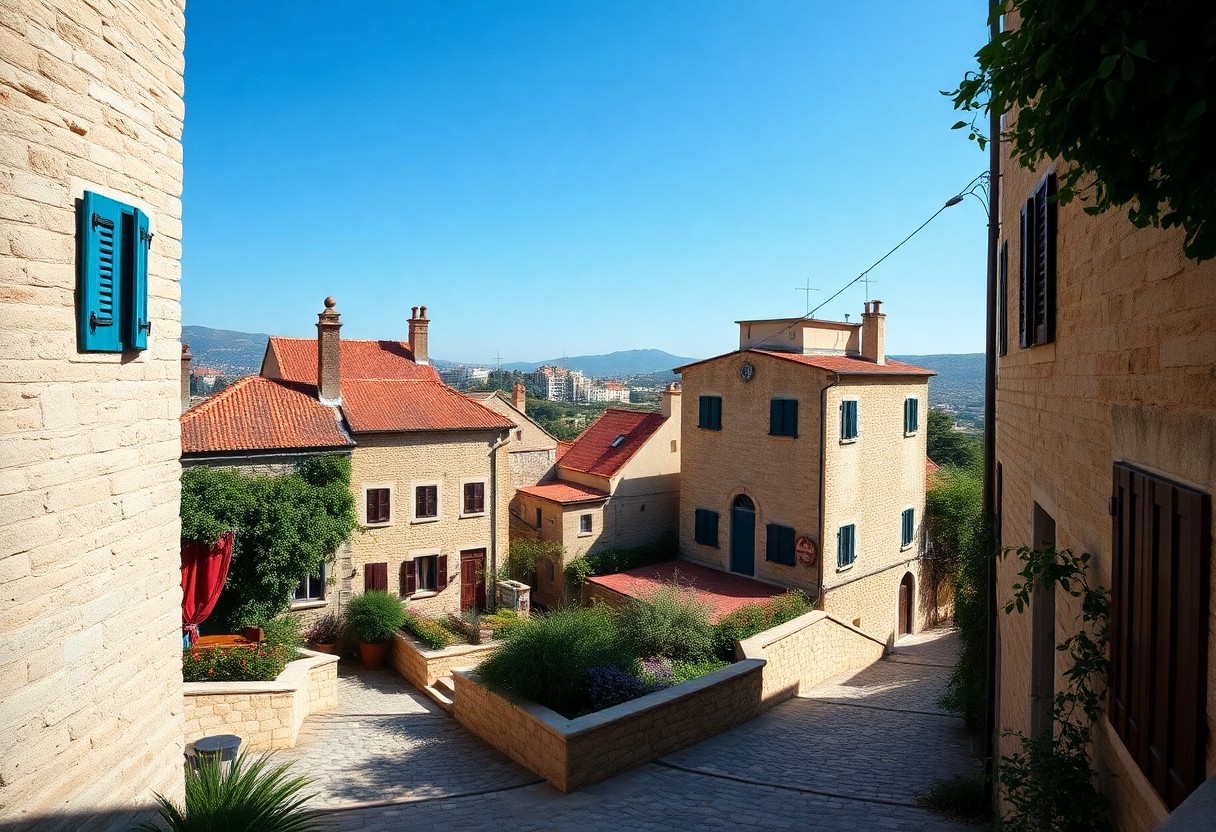
Most people envision Malta as a sun-soaked paradise with bustling cities and iconic landmarks, but hidden within its landscape are forgotten villages, rich in history and culture. Recently, these quaint settlements are experiencing a renaissance as initiatives to revive their heritage gain momentum. This blog post explores into the revitalization efforts, showcases the unique character of these hidden gems, and explores how local communities are embracing a sustainable future while preserving their traditions. Discover how Malta's forgotten villages are no longer lost in time but are rekindling their vibrant identities.
The Rich Tapestry of Malta's Forgotten Villages
The Historical Significance of Remote Settlements
Remote villages in Malta serve as living museums, showcasing centuries of rich history. Many of these settlements date back to the Phoenician and Roman eras, illustrating the island's strategic importance in the Mediterranean. For instance, the village of Rabat is built upon ancient Roman remains, while the nearby Mdina, known as the “Silent City,” served as Malta's capital until the Knights of St. John established Valletta in the 16th century. Each hamlet tells unique stories of resilience, trade routes, and cultural exchanges over the ages.
The Culture and Traditions That Shaped Their Identity
Malta's forgotten villages boast a vibrant cultural landscape, shaped by an amalgamation of influences, from the Roman period to Arab rule, and later, the Knights of St. John. Annual feast days remain central to village life, reflecting deep-rooted traditions, while crafts such as lace-making and pottery highlight the villages' artisanal heritage. In towns like Għarb and Qrendi, residents continue to maintain their cultural practices, fostering a sense of community and continuity that echoes through generations.
















Feast days celebrate patron saints, with colorful processions, traditional music, and local delicacies uniting community members. In these gatherings, locals don traditional attire, and the vibrant atmosphere fosters a strong sense of belonging. The legacy of the artisans is also seen in the craftsmanship of decorative wall-mounted statues, a testament to the dedication that has been passed down through familial lines. Such intricate layers of culture and tradition not only enrich the identity of these villages but also draw visitors eager to partake in Malta's living history.
Economic Resurgence: The Driving Forces
The Role of Tourism in Revitalization
Tourism has emerged as a cornerstone in the economic revival of Malta's forgotten villages. An influx of visitors seeking authentic experiences has prompted locals to transform their charming spaces into vibrant hubs of activity. St. Julian's, for instance, saw a significant uptick in eco-friendly initiatives and cultural festivals that draw global attention, highlighting the unique heritage of these smaller communities while simultaneously boosting local economies.
Agricultural Innovation and Local Produce
Recent trends show a remarkable rebirth in agricultural practices, resulting in a surge of local produce and organic farming. Villages like Għarb and Xagħra have revitalized their agricultural sectors, focusing on the cultivation of native crops and organic methods. This shift not only enhances food quality but also fosters stronger ties between producers and consumers, creating a market for farm-to-table initiatives.
Innovative farming techniques are gaining traction across these rural areas, with many farmers implementing vertical farming, hydroponics, and permaculture principles. For example, the introduction of community-supported agriculture (CSA) programs has allowed local families to purchase seasonal produce directly from farmers, ensuring fresher ingredients while supporting the local economy. This interconnectedness transforms agricultural practices into a communal effort, promoting sustainability and enhancing the quality of life in these resurgent villages.
Authentic Heritage: The Allure of Tradition
Preserving Traditional Crafts and Trades
In Malta's sleepy villages, traditional crafts are being revived as artisans pass down time-honored skills to new generations. From weaving intricate lace to creating stunning pottery, these crafts not only stimulate local economies but also preserve a rich cultural legacy. Workshops and studios are becoming gathering places where locals and visitors alike can learn about techniques that have endured for centuries, bringing new life to the artisan community with each stitch and glaze.
Culinary Revival: From Farm to Table
A renaissance is underway in Malta's culinary scene, where the farm-to-table movement is gaining momentum and authenticity. Local farmers are collaborating with chefs to showcase ingredients that are truly representative of the islands' rich agricultural heritage. Traditional recipes are being revitalized, focusing on seasonal produce and age-old cooking methods, creating a genuine taste of Malta that appeals to the senses.
This culinary revival goes beyond mere trendiness; it's about honoring the land and its bounty. Restaurants such as Ta' Malaga emphasize the importance of sourcing vegetables from local farmers, ensuring that the freshest flavors make it to the plate. Menus often reflect the changing seasons, showcasing signature dishes like rabbit stew or fresh fish paired with indigenous herbs. With a commitment to sustainability, chefs are not only preserving Maltese cuisine but also engaging the community in a movement that enriches both their palates and their connection to local heritage.
The Impact of Infrastructure Development
Improved Connectivity: Roads and Transport
Recent infrastructure improvements have significantly enhanced connectivity in Malta's forgotten villages. Newly paved roads and expanded public transport options have made it easier for both residents and visitors to traverse these once-isolated areas. For instance, the introduction of frequent bus services links remote towns like Qrendi and Siġġiewi to major urban centers, drastically reducing travel time and encouraging the movement of people and goods. This newfound accessibility not only benefits locals but also beckons tourists eager to explore these hidden gems.
Tourism Amenities: Balancing Development and Preservation
The influx of tourism development presents a unique challenge: how to accommodate visitors while preserving the authenticity of rural villages. Many towns are integrating important amenities such as hotels and restaurants without compromising their historical architecture and cultural integrity. This delicate balance aims to respect traditional lifestyles and protect local heritage. Proper planning and community involvement become important in ensuring that any new projects align with the character of the villages, fostering sustainable growth.
Striking the right balance in tourism amenities involves careful planning and community dialogue. Efforts to renovate historical structures into boutique hotels not only preserve the cultural landscape but also offer tourists a unique experience. For example, the recent renovation of a 17th-century farmhouse in Għarb preserves the architectural nuances while providing modern comforts for visitors. Engaging local artisans and stakeholders in the development process ensures that new ventures benefit the community economically and culturally—strengthening the ties between locals and visitors, and maintaining the charm that attracted them in the first place.
Community Empowerment: Grassroots Movements
Local Initiatives That Are Reshaping Villages
In various corners of Malta, grassroots initiatives are sparking change and revitalizing forgotten villages. Community-led projects, such as pop-up markets, restoration festivals, and land-gardening programs, create a sense of belonging among residents. One standout example is the initiative launched in Gozo that transforms vacant houses into community centers, directly addressing both housing shortages and the need for social interaction. By engaging locals in these efforts, villages are not just preserving their cultural identities but are also becoming more vibrant and sustainable.
The Role of Young Entrepreneurs in Village Renewal
Young entrepreneurs are emerging as key players in the renaissance of Malta's villages, infusing them with innovation and modern business practices. Their passion for sustainability and community engagement is evident in projects ranging from organic farming to artisanal craft businesses and eco-friendly accommodations.
Specifically, the rise of co-working spaces in rural areas has transformed the traditional entrepreneurial landscape. One notable project is a digital nomad hub in the village of Naxxar, which not only provides workspace but also fosters collaboration among creative thinkers. These young professionals are leveraging technology to promote local craftsmanship, attract tourism, and create jobs, which in turn revitalizes the local economy. With their forward-thinking ideas, these entrepreneurs are not only creating opportunities for themselves but also encouraging a new generation to remain engaged with their heritage and environment.
Environmental Concerns: The Costs of Revitalization
Navigating Growth While Protecting Nature
Revitalizing Malta's forgotten villages invites a range of environmental challenges, particularly as increased tourism can lead to habitat disruption and pollution. Balancing local economic growth with ecological integrity requires an approach that emphasizes sustainable development. Local governments and communities are now confronted with the task of planning initiatives that not only boost the economy but also preserve the natural environment, ensuring that Malta's unique landscapes remain unspoiled.
Sustainable Practices for Long-Term Prosperity
Implementing sustainable practices is vital for ensuring that Malta's village revitalization project thrives without compromising the environment. This includes integrating renewable energy solutions, promoting eco-friendly transportation options, and encouraging the use of local materials in construction. By prioritizing sustainable tourism practices, villages can attract visitors while minimizing their ecological footprint, creating a model for future developments.
For example, the introduction of solar panels in village infrastructure has not only reduced energy costs but also decreased reliance on fossil fuels. Eco-friendly initiatives, such as bicycle-sharing programs and pedestrian-friendly pathways, offer alternatives to car travel while enhancing the visitor experience. Additionally, community gardens utilizing organic farming practices highlight local culture while promoting biodiversity. Each of these sustainable practices contributes to the long-term prosperity of Malta's revitalized villages, ensuring they remain vibrant and ecologically responsible for generations to come.
The Influence of Digital Nomadism
How Remote Work is Reshaping Migration Patterns
Remote work has led to a significant shift in migration patterns, with more individuals seeking locations that are not only appealing but also conducive to their work-life balance. According to a recent survey, over 30% of digital nomads stated that they chose their current location for its quality of life rather than job opportunities. This trend has made it possible for people to establish bases in regions traditionally overlooked, such as Malta's lesser-known villages.
Villages as New Hubs for Digital Communities
Malta's forgotten villages are transforming into vibrant hubs for digital communities, attracting freelancers and remote workers alike. These areas are increasingly investing in coworking spaces, reliable internet access, and supportive local networks. As new residents settle in, they breathe life into local economies and cultivate a unique blend of global perspectives and local traditions, fostering innovation and collaboration.
For instance, the village of Mdina has seen the rise of several coworking spaces designed to cater to remote workers who are keen on balancing productivity with the charm of a historic setting. Similarly, the community of Rabat has initiated events aimed at fostering networking opportunities among digital nomads, encouraging the creation of startups and collaborations. These small-scale interactions not only empower local entrepreneurs but also create a sense of belonging for newcomers, enhancing the region's appeal as a retreat for the digitally inclined. As digital nomadism gains momentum, these villages may redefine what it means to work and live harmoniously in a previously quaint landscape.
The Role of Social Media in Modern Discovery
Marketing Forgotten Villages to the World
Social media platforms have become vital tools for promoting Malta's forgotten villages, allowing local communities to showcase their unique heritage, picturesque landscapes, and hidden gems. Engaging content, such as vibrant photographs and storytelling videos, helps to attract a wider audience, reaching potential travelers eager for authentic experiences. Hashtags and geo-tagging play a significant role in making these villages more discoverable, connecting them to niche tourism markets. Consequently, the resurgence of interest in Malta's rural areas is fueled by captivating online narratives that resonate with a global audience.
Influencer Impact: Capturing the Village Experience
Influencers, with their vast reach and ability to create compelling narratives, have significantly changed the way forgotten villages are portrayed. By visiting these locations, they provide an unfiltered view of the local culture, traditions, and natural beauty, often drawing more visitors than traditional media ever could. Posts featuring their experiences with local cuisines, artisans, and events evoke a sense of discovery that resonates with their followers, inspiring them to commence on their own adventures.
Influencers have excelled in highlighting the authentic, often overlooked aspects of Malta's forgotten villages. Their posts, which include everything from picturesque sunset shots over serene landscapes to immersive stories of interaction with local craftspeople, create a sense of connection between potential visitors and the destinations. For example, influencers showcasing the quaint streets of Gharb or the historic charm of L-Imġarr often earn thousands of likes and shares, driving significant foot traffic to these areas. This phenomenon serves not only to boost tourism but also supports local economies by putting small businesses in the spotlight.
Insights from Local Leaders
Interviews with Village Mayors and Activists
Conversations with village mayors and local activists reveal a shared optimism about revitalization efforts in these forgotten areas. Mayor Anna Bezzina of Gharb emphasizes the importance of community involvement, stating that residents are eager to share their stories and cultural heritage with newcomers. Activist Paolo Sant'Angelo highlights community gardens and art initiatives as pivotal in fostering connections between locals and visitors, creating a sense of belonging in these evolving landscapes.
Success Stories: Transformative Experience Narratives
Across Malta, inspiring narratives illustrate the positive impact of revitalization efforts. Villages like Xewkija have transformed from quiet, overlooked locales into vibrant hubs of activity. Small businesses flourished, and heritage festivals attracted thousands, drawing both locals and tourists eager to engage with the community. The collaborations between residents and digital nomads have resulted in innovative projects, fueling a cultural renaissance that is changing the fabric of village life.
In Xewkija, an annual festival celebrating local artisans has seen attendance triple since its inception, showcasing crafts that were once at risk of fading away. The collaboration with digital nomads led to the creation of an artisan cooperative, which now produces unique handmade goods marketed online. Similar success stories emerge from villages like Mdina, where restored cafes now serve as co-working spaces, blending tradition with modernity and fostering collaborative entrepreneurial spirits. These narratives not only highlight tangible economic growth but also reflect a deeper cultural revival, as residents rediscover their roots while embracing new ideas.
Cultural Festivals: A Catalyst for Change
Reviving Historical Celebrations and Festivals
Villages across Malta are breathing new life into long-forgotten traditions through vibrant celebrations that showcase their rich cultural heritage. Events like the Feast of St. George in the village of Qormi or the centuries-old Maltese folklore festivals draw participants and spectators alike, rekindling community spirit and paving the way for a revival of local customs that had nearly vanished.
How Events Foster Local and Visitor Engagement
Cultural events create a unique bridge between locals and visitors, fostering a shared experience that enhances appreciation for Maltese culture. Festivals often attract thousands, providing exposure to local artisans, gastronomic delights, and age-old crafts that might otherwise go unnoticed.
By engaging visitors with hands-on experiences, such as workshops in traditional crafts or culinary classes showcasing local cuisine, these events deepen the connection between cultures. For instance, the Marsaxlokk Fish Festival invites travelers to interact with fishermen and sample fresh catches, while encouraging them to discover the village's history and community values. Through lively entertainment, storytelling, and immersive cultural activities, visitors leave with memorable experiences that inspire a more profound understanding of Malta's heritage. This dynamic not only boosts local economies but also fosters long-term relationships that encourage sustainable tourism in Malta's forgotten villages.
Cross-Cultural Exchanges: What We Learn
Expanding Perspectives Through Visitor Interactions
As tourists explore Malta's forgotten villages, they introduce fresh ideas and perspectives to the locals, fostering a two-way exchange of cultural insights. Residents often share traditional crafts, culinary secrets, and stories of their heritage, which can resonate deeply with visitors. This interaction not only enriches tourists' experiences but also reignites a sense of pride among locals in their own customs and traditions, creating a vibrant dialogue that revitalizes the community.
Global Influence on Local Traditions
The influx of travelers has gently reshaped local customs, blending Maltese heritage with global influences. For instance, traditional festivals such as the Village Feast have seen the incorporation of international cuisine and music, attracting larger crowds. The village of Rabat, known for its Feast of St. Paul, now features street food stalls that celebrate not only Maltese fare but also dishes from Italy, India, and beyond. This fusion not only excites local palates but also serves to create a stronger communal bond in celebrating diversity.
The evolution of local traditions demonstrates how cultural experiences can become enriched through globalization. In many villages, artisans are adopting contemporary techniques while maintaining the essence of their craft, leading to innovative products like modernized lacework and ceramics that appeal to international markets. Events that once focused solely on Maltese heritage now invite global artists, fostering a shared appreciation for multicultural interactions. The result is a tapestry of traditions where the essence of Maltese culture thrives amidst international exchange, promoting unity and understanding through shared experiences. This harmonious blend showcases not only the resilience of local identity but also the beauty of globalization in action.
Preserving Malta's Language and Dialect
The Linguistic Heritage at Risk
Malta's rich linguistic heritage, steeped in Arabic, Italian, and Sicilian influences, faces an uncertain future. As younger generations gravitate towards English and other global languages, the Maltese dialect risks becoming marginalized. Statistics show that only about 40% of Maltese youth speak the language fluently, highlighting a growing disconnect that threatens to erase centuries of linguistic tradition.
Efforts in Keeping the Language Alive
Local initiatives are gaining momentum in the push to preserve the Maltese language. Organizations like the Għaqda tal-Lingwa Maltija actively promote the use of Maltese through storytelling, workshops, and cultural events. Schools are also integrating the language into their curricula, aiming to foster a sense of pride and ownership among students.
These efforts extend beyond just educational settings. The rise of social media has led to vibrant online communities where Maltese speakers engage in conversations, share poetry, and create content in their native language. The monthly cultural events in various villages now include poetry readings and dialogue sessions, drawing in both locals and tourists. For example, the “Maltese Language Week” invites residents to participate in various linguistic activities, solidifying the language's presence in daily life. Such proactive measures reflect a collective commitment to not only keeping the language alive but reviving it within everyday discourse against a backdrop of globalization.
Future Prospects: What Lies Ahead for These Villages
Predictions for the Next Decade
As interest in Malta's forgotten villages continues to surge, predictions for the next decade suggest a blend of tourism growth and increased local investment. By 2030, experts anticipate a 50% rise in visitor numbers, driven by sustainable travel initiatives that align with Malta's cultural preservation efforts. This influx will likely lead to revitalized economic opportunities for local artisans and businesses, transforming these quaint villages into vibrant cultural hubs without losing their unique character.
The Balance of Progress and Preservation
Striking the right equilibrium between modernization and the preservation of heritage will be paramount as these villages evolve. Policymakers and local communities must navigate the tension between economic development and cultural integrity. Engaging community members in planning stages can lead to initiatives that respect traditional architecture while integrating modern amenities, ensuring that growth does not come at the cost of historical identity.
This balance is crucial, as history has shown that unchecked tourism can erode cultural landscapes. Lessons from other regions highlight the importance of community involvement; for instance, the revitalization of towns in Tuscany focused heavily on local stakeholder input, which safeguarded their unique heritage while attracting sustainable tourism. By incorporating these strategies, Malta's forgotten villages can harness economic growth while remaining true to their roots, ultimately enriching both the local populace and visitors alike.
Summing up
Now, as Malta's forgotten villages revive, they offer a rich tapestry of history and culture that deserves recognition. With initiatives aimed at preserving their unique architectures and traditions, these once-overlooked areas are becoming vibrant hubs for both locals and tourists. The resurgence of community spirit, coupled with sustainable tourism, not only preserves the heritage but also fosters economic opportunities. Embracing this revival enhances Malta's overall cultural landscape, ensuring these villages remain a vital part of the nation's identity for generations to come.
FAQs
What are Malta's forgotten villages?
They are lesser-known rural settlements rich in historical and cultural heritage, often overlooked by mainstream tourism.
Why are these villages considered important historically?
Many date back to ancient civilizations like the Phoenicians and Romans, holding centuries of architectural, religious, and cultural significance.
How is tourism helping to revive these villages?
Tourists seeking authentic experiences are boosting local economies, encouraging preservation of crafts, festivals, and rural traditions.
What role does agriculture play in this revitalization?
Organic farming and native crop cultivation are regaining popularity, supporting local food chains and eco-friendly practices.
How are traditional crafts being preserved?
Workshops and artisan studios pass down skills like lace-making and pottery, ensuring continuity across generations.
What are some examples of sustainable tourism in Malta’s villages?
Boutique hotels in restored farmhouses, farm-to-table restaurants, and eco-tourism initiatives help maintain heritage while attracting visitors.
How is infrastructure being improved in these areas?
Better roads and frequent bus services are connecting remote villages to urban hubs, enhancing accessibility for residents and tourists.
What challenges come with increased tourism in rural villages?
Balancing development with environmental protection and cultural authenticity is a constant concern for planners and locals.
How are young entrepreneurs contributing to the revival?
They’re launching eco-friendly businesses, digital hubs, and craft ventures, combining innovation with tradition to rejuvenate local economies.
Are Malta’s villages becoming digital nomad destinations?
Yes, improved infrastructure and lifestyle appeal are attracting remote workers, turning some villages into creative and professional hubs

Claire
A highly motivated, results-driven, enthusiastic and ambitious writer. I can offer you well researched and high-quality article writing on any topic for your website or blog and can as well re-write your existing web content.
Related Posts

Year round travel in Malta
May 12, 2026

Spring Adventures In Malta
May 11, 2026

Malta Early Spring Travel Boom
May 9, 2026

Budget airlines lift Malta tourism
May 8, 2026

Spring visitors spend more in Malta
May 7, 2026

Malta airport traffic rises in spring
May 6, 2026

Malta hotel occupancy trends in spring
May 5, 2026

Malta attracts new spring travelers
May 4, 2026

Malta tourism tests power grid
May 2, 2026