













Malta Parks During Winter Season
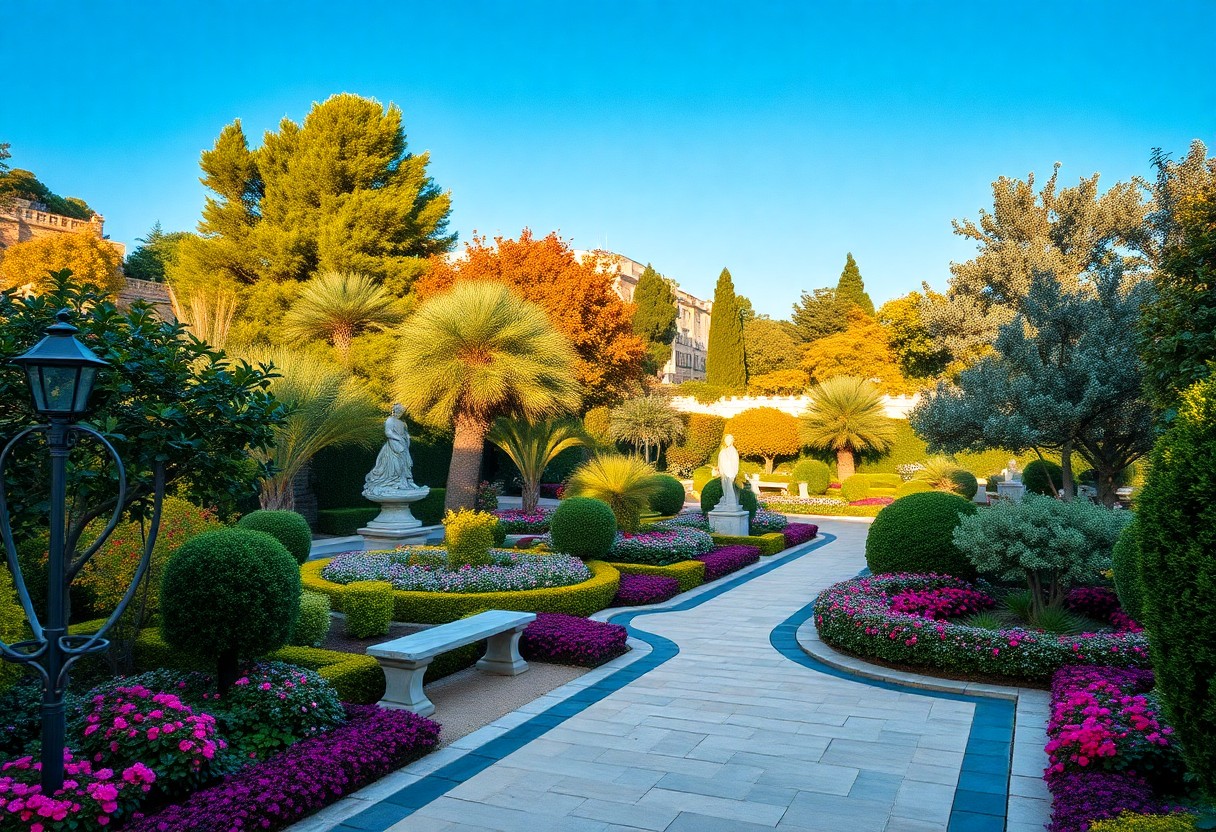
Most visitors to Malta may not realize that the cooler months reveal a different side to the island's gardens and parks. As temperatures drop, these outdoor spaces transform, showcasing vibrant seasonal blooms and offering a peaceful retreat away from the bustling summer crowds. Exploring Malta's diverse horticultural offerings during this time not only enhances the experience but also highlights the unique beauty of the island's natural landscapes. This blog post researchs into the best gardens and parks to visit in Malta as the weather cools, providing vital insights for an enjoyable outdoor adventure.
Key Takeaways:
- Malta's gardens and parks showcase vibrant seasonal flora, enhancing their beauty during cooler months.
- Cooler weather allows for more enjoyable outdoor activities, attracting visitors to explore the natural landscapes.
- Seasonal events and cultural activities often take place in gardens and parks, promoting community engagement.
Overview of Malta's Climate
Understanding the Cooler Months
The cooler months in Malta, spanning from November to March, provide a refreshing break from the intense summer heat. Average temperatures range from 10°C to 17°C, making it an ideal time for outdoor exploration. Rainfall increases during these months, occasionally giving rise to lush greenery, enhancing the gardens and parks' visual appeal.
Seasonal Variations in Weather
Mediterranean climate patterns dictate distinct seasonal changes in Malta. Winters are mild and wet, while summers are hot and dry. During the cooler months, temperatures can drop significantly at night, leading to a diverse microclimate. This fluctuation plays a vital role in the local ecosystem.


















The weather during the cooler months often leads to noticeable variations each year; for instance, some winters can experience prolonged periods of rainfall, while others might be relatively dry. This variability affects how local gardeners prepare their botanicals and impacts the overall health of seasonal flora, creating a fluctuating landscape that reflects the current year's weather patterns.
Impacts on Flora and Fauna
The cooler months in Malta influence the growth cycles of various plants and attract different wildlife to the gardens and parks. Native species thrive and exhibit vibrant colors, while migratory birds flock to the island, enriching its biodiversity and enhancing the natural experience for visitors.
Diversity in flora and fauna receives a boost as mild temperatures encourage winter blooms, like the flowering of the Maltese rock-centaury, while faunal activity increases with migratory patterns. The absence of heavy summer crowds allows native species to flourish undisturbed, making parks and gardens vibrant habitats worth exploring during the cooler months.
Historical Context of Malta's Gardens and Parks
The Evolution of Green Spaces
Over centuries, Malta's gardens and parks have transformed significantly, reflecting various cultural and historical influences. Initially designed for agricultural purposes, many spaces evolved into ornate gardens under the Knights of St. John, who introduced formal layouts and exotic plants. Today, these green spaces serve both aesthetic and ecological functions, representing a blend of the island's rich history and contemporary environmental awareness.
Influence of Mediterranean Gardening Techniques
The Mediterranean climate has profoundly shaped gardening practices in Malta, emphasizing drought-resistant plants and sustainable techniques. Ancient practices, adapted over time, ensure that gardens remain vibrant despite limited water resources, with local species often taking center stage in design.
Techniques such as dry-stone walling and terracing not only showcase the practicality of utilizing sloped landscapes but also enhance the aesthetic value of gardens. The use of native Mediterranean plants like olive trees, carob, and lavender allows for gardens that thrive with little maintenance, reflecting the region's climate adaptability. Communities have increasingly embraced permaculture principles, integrating food production with ornamental gardening for a sustainable approach.
Heritage Gardens: An Overview
Heritage gardens in Malta represent a vital link to the island's past, often tied to significant historical figures or events. These gardens preserve traditional horticultural techniques and native plant species, offering insights into Malta's agricultural heritage while serving as recreational areas for locals and visitors alike.
Notable examples include the Upper Barracca Garden, which not only features stunning views of the Grand Harbour but also showcases a variety of historically significant plants. The restoration efforts in these heritage gardens aim to maintain biodiversity and educate visitors on the importance of Malta's botanical legacy. By intertwining history with horticulture, these gardens ensure that future generations appreciate and understand the island's rich green spaces.
Key Gardens in Malta
The Upper Barracca Gardens
The Upper Barracca Gardens offer stunning panoramic views of the Grand Harbour and Valletta. This serene park features lush greenery, classical architecture, and beautifully landscaped terraces. Visitors can explore the numerous pathways and enjoy various statues, including a monument dedicated to Sir Winston Churchill, enhancing its historical charm.
The Lower Barracca Gardens
Located beneath the Upper Barracca, the Lower Barracca Gardens provide a peaceful retreat enriched with beautiful flora, ponds, and even a small chapel. The gardens showcase a range of subtropical plants and provide shaded areas to relax and unwind.
These gardens also host the vibrant floral displays that make them particularly alluring during the cooler months. Whispering pathways wind through unique plants and shaded benches, creating an intimate atmosphere perfect for reflection. The nearby War Memorial adds a historical touch, marrying nature with Malta's past.
The San Anton Gardens
The San Anton Gardens, situated in Attard, are known for their expansive grounds and elegant design. This public park features manicured lawns, old citrus trees, and a variety of floral arrangements. The picturesque surroundings offer a tranquil setting for leisurely strolls and picnics.
Originally established in the late 18th century, the gardens encompass over 6.5 acres. They contain various ponds inhabited by swans and ducks, attracting nature lovers. San Anton Gardens are particularly famous for their seasonal floral displays, making them a must-visit during the cooler months, when the colors appear even more vibrant against the lush greenery.
Lesser-Known Parks and Gardens
The My Malta Garden
This hidden gem in the outskirts of Rabat is a testament to local flora and landscaping. The My Malta Garden features a diverse range of plants and flowers, all curated to reflect Malta's unique biodiversity. Visitors can engage in guided tours that offer insights into sustainable gardening practices while enjoying the tranquil atmosphere.
The Argotti Botanic Gardens
Established in 1775, the Argotti Botanic Gardens are a historical treasure situated in Floriana. Spanning over 20,000 square meters, these gardens house a captivating collection of Mediterranean plants, exotic species, and local flora. The serene pathways and shaded areas offer a perfect escape from the bustling city life.
The Argotti Botanic Gardens not only serve as a visual delight but also play a significant role in conservation and education. They feature themed areas, including a cacti collection and a greenhouse with tropical species. The garden's emphasis on preserving indigenous plants makes it a valuable resource for horticultural research, hosting events and workshops focused on biodiversity and sustainable practices.
The Villa Rundle Garden
Located in Xaghra on Gozo, Villa Rundle Garden is an elegant public space renowned for its well-manicured hedges and vibrant flower beds. This charming garden spans around 5,000 square meters, designed for relaxation and leisure amid a scenic backdrop of historical architecture.
The Villa Rundle Garden stands out for its lush landscaping and welcoming environment, making it an ideal spot for locals and tourists alike. Paths meander through the garden, leading visitors to unique sculptures and fountains that celebrate Maltese heritage. Seasonal events and community activities enhance its role as a social hub, inviting everyone to enjoy the serenity of nature in a beautiful setting.
Flora and Fauna During the Cooler Months
Native Plant Species
Malta's cooler months reveal a unique display of native flora, such as the vibrant red poppy and the fragrant wild thyme. These species thrive during the milder temperatures, often blooming from late autumn to early spring, contributing to the island's biodiversity. Other noteworthy plants include the prickly pear and the various types of aromatic herbs, all of which support local ecosystems and attract wildlife.
Seasonal Wildlife Observations
The arrival of cooler temperatures in Malta heralds increased activity among various bird species. Migratory patterns shift, and visitors can spot birds like the European robin and the Eurasian skylark, which flock to gardens and parks. Early morning walks often reveal a symphony of chirps and calls, indicating thriving wildlife populations.
During this period, the Malta Audubon Society notes an uptick in sightings of migratory birds, with reports of species such as the white stork and the lesser kestrel. The cooler months serve as a vital time for birdwatching enthusiasts, as many species return to the island after migrating from northern Europe. Additionally, residents and visitors alike may observe native species like the common lizard basking in the sun, taking advantage of the warmer winter days.
Ecological Importance of Gardens
Gardens and parks in Malta provide vital habitats for both plant and animal life, contributing to the overall ecological health of the region. These green spaces serve as vital corridors for species movement and are important for sustaining native biodiversity.
The gardens support vital ecological functions, such as pollination, seed dispersal, and pest control. By providing habitats for insects, birds, and small mammals, these areas promote a balanced ecosystem. Additionally, community gardens encourage local stewardship and awareness of conservation efforts, creating a ripple effect for preserving Malta's natural heritage during the cooler months and beyond.
Landscape Architecture in Malta's Parks
Design Principles
Landscape architecture in Malta's parks emphasizes harmony between natural elements and human activity. Key principles include sustainability, accessibility, and aesthetic appeal. Spaces are designed to enhance ecological diversity while providing inviting areas for leisure and exploration, encouraging community interaction and respect for the environment.
Local Materials and Their Significance
Utilizing locally sourced materials in park design not only promotes environmental sustainability but also enriches cultural identity. Natural stone, such as the iconic Maltese limestone, is frequently employed, offering durability and a distinctive character that reflects the region's heritage.
The use of Maltese limestone connects parks to the island's historical context, showcasing its unique geological formations. This material's warm hues and textures blend seamlessly with the landscapes, while its local availability reduces transportation impacts, supporting the economy. Additionally, using traditional craftsmanship in park structures enhances cultural continuity and creates a sense of place, deepening visitor engagement with the environment.
Integration with Surrounding Environments
Integrating parks with their natural and urban surroundings fosters ecological balance and enhances user experience. Thoughtful design considers existing topography, hydrology, and vegetation, allowing parks to complement rather than compete with nearby ecosystems and communities.
Effective integration involves strategic planning, such as preserving native vegetation and incorporating wildlife corridors, which enhance biodiversity. Moreover, designing pathways that connect parks to urban areas ensures accessibility and encourages transit among diverse groups. Landscape architects actively involve local stakeholders in planning processes, ensuring that parks serve the needs of both nature and the community. This collaborative approach fosters stewardship and promotes a shared sense of responsibility toward preserving Malta's environmental integrity.
Activities in Gardens During Cooler Months
Guided Tours and Educational Programs
During the cooler months, various gardens in Malta host guided tours and educational programs aimed at engaging visitors with the island's horticultural heritage. These tours offer insights into plant species, gardening practices, and the historical significance of specific gardens. Educational workshops often feature experts discussing seasonal planting techniques, plant care, and sustainable gardening practices, enriching the visitor experience.
Community Events and Festivals
Numerous community events and festivals unfold in Malta's gardens during the cooler months, celebrating local culture and nature. These gatherings often feature food stalls, local artisans, and live music, fostering a sense of community and collaboration among attendees. They provide a vibrant backdrop for families and friends to enjoy the outdoors and connect over shared interests.
Events like the Malta Garden Festival highlight local flora, with guided nature walks, flower displays, and hands-on gardening workshops. Engaging activities for children, such as scavenger hunts and educational games, invite younger visitors to explore the beauty of nature. This sense of community and cooperation reinforces the gardens' role as gathering spaces for cultural exchange and enjoyment.
Relaxation and Reflection Spaces
Malta's gardens serve as perfect relaxation and reflection spaces during the cooler months, offering tranquil environments away from the bustling city. Benches and shaded areas create inviting spots for visitors to unwind while enjoying the crisp air and vibrant seasonal colors. The gentle sound of rustling leaves and distant birdsong enhances the calming atmosphere, making these gardens a sanctuary for contemplation.
Many gardens feature dedicated meditation zones or quiet corners designed for mindfulness practices. Regular yoga classes and mindfulness sessions are organized amidst the picturesque natural landscapes, guiding participants to connect with their surroundings. These spaces not only nurture mental well-being but also encourage a deeper appreciation for the harmonious relationship between nature and personal reflection.
Sustainable Practices in Garden Maintenance
Organic Gardening Techniques
Organic gardening techniques focus on enhancing soil health and promoting biodiversity. Practices like crop rotation, composting, and natural pest control minimize the use of synthetic chemicals. Utilizing organic fertilizers and amendments not only nourish plants but also maintain ecological balance, making gardens more resilient to pests and diseases.
Benefits of Native Plant Cultivation
Native plant cultivation supports local ecosystems, providing crucial habitats for wildlife while requiring less water and maintenance than non-native species. Plants indigenous to Malta are adapted to local climate conditions, making them ideal for sustainable gardening and conservation efforts.
Native plants play a key role in promoting biodiversity, attracting pollinators like bees and butterflies, which are vital for ecosystem health. By cultivating native species, gardeners contribute to the preservation of Malta's unique flora and fauna, ensuring these natural resources thrive for future generations.
Environmental Conservation Efforts
Environmental conservation efforts in Malta's gardens reflect a commitment to sustainability. Initiatives such as rainwater harvesting systems and composting projects reduce waste and promote resource efficiency. Educational programs further enhance community involvement in preserving these green spaces.
These conservation efforts are vital for mitigating climate change impacts and preserving biodiversity. For instance, the implementation of permeable paving materials in parks helps manage stormwater runoff, protecting local waterways. Additionally, collaborations with local NGOs and educational institutions foster awareness and active participation in sustainable gardening practices, ensuring that conservation remains a collective responsibility.
Accessibility of Parks and Gardens
Transportation Options
Accessibility to Malta's parks and gardens is enhanced by various transportation options, including public buses, which frequently service key locations. Those preferring personal transport can find ample parking facilities nearby, particularly at larger parks like San Anton Gardens. Additionally, bike rental services are gaining popularity, promoting eco-friendly access while allowing visitors to explore gardens at a leisurely pace.
Facilities for Visitors
Most gardens and parks in Malta are equipped with vital facilities to ensure visitor comfort, including restrooms, seating areas, and picnic spots. Popular destinations like Upper Barracca Gardens often feature cafes or kiosks, catering to those looking for refreshments amid their outdoor experience.
In many parks, signage provides information about the flora and history, enhancing the visitor experience. For instance, Buskett Gardens showcases an educational trail with informative plaques, inviting guests to learn as they stroll. Child-friendly facilities such as play areas are also common, making them suitable for family outings.
Inclusivity Initiatives
Inclusivity initiatives across Malta's parks and gardens focus on ensuring accessibility for all visitors. Many locations feature paved pathways and ramps, facilitating access for those with mobility challenges. Events are designed to cater to diverse groups, welcoming people of all ages and backgrounds.
For instance, the National Parks Authority has implemented programs that include guided tours specifically tailored for individuals with disabilities. These initiatives promote awareness and foster an inclusive environment that encourages all residents and tourists to engage with Malta's natural beauty. Furthermore, staff training on inclusivity helps ensure that everyone receives appropriate support during their visits.
Seasonal Events and Festivals
Winter Celebrations in Public Spaces
During the cooler months, Malta transforms into a festive wonderland, with public spaces adorned in vibrant decorations. Events like the Valletta Christmas Market feature local crafts, artisanal foods, and seasonal performances. Throughout December, parks become venues for holiday festivities, attracting both locals and tourists, enhancing the communal spirit of the season.
Horticultural Shows and Exhibitions
Malta's winter months usher in a series of horticultural shows and exhibitions, showcasing the island's unique flora. These events provide a platform for local gardeners and nurseries to display their botanical expertise, while also offering workshops and seminars that educate attendees on sustainable gardening practices.
One notable event is the Malta International Flower Show, held annually in late January. This exhibition features stunning floral displays, innovative garden designs, and an array of native plants, drawing enthusiasts from all over the region. Workshops on cultivation techniques and plant care are also frequently offered, further enriching the experience for visitors, while competitions inspire creativity among local horticulturists.
Art Installations and Performances
Public gardens and parks in Malta host a variety of art installations and performances during the cooler months, blending nature with artistic expression. Events like “Art in the Park” invite local artists to display their works amidst the lush landscape, creating a unique interaction between art and environment.
This season, the Inferno Art Festival in December presents captivating performances under the stars, featuring local musicians and dance troupes that elevate the ambiance of the gardens. Visitors can enjoy interactive installations that embody themes of nature and sustainability, ensuring that the experience resonates both personally and socially, while fostering a culture of appreciation for the arts in natural settings.
The Role of Volunteer Organizations
Community Involvement
Local volunteer organizations play a vital role in enhancing the beauty and functionality of Malta's gardens and parks, fostering a sense of community pride. Initiatives such as tree planting days and clean-up events mobilize residents and encourage a communal spirit, while diverse volunteer groups often represent different demographics and interests, ensuring broad participation.
Restoration and Maintenance Projects
Restoration and maintenance projects are crucial for preserving Malta's natural spaces. Volunteers engage in activities such as weeding, planting, and creating habitats for local wildlife, thereby enhancing ecological balance and aesthetic appeal. These initiatives not only restore the gardens but also promote sustainable practices within the community.
For example, the Friends of Buskett project has rallied volunteers to restore the Buskett Forest, leading to the reestablishment of native flora and improved habitats for local fauna. By working collaboratively, these groups have successfully executed large-scale clean-ups and planting days, translating dedication into tangible environmental benefits while nurturing community bonds.
Educational Outreach Programs
Educational outreach programs conducted by volunteer organizations engage schools and communities, highlighting the importance of green spaces in urban settings. Workshops, guided tours, and hands-on gardening activities foster an understanding of biodiversity, conservation, and environmental stewardship, especially among younger generations.
Programs such as “Garden Explorers” provide interactive experiences where children learn about plant biology and sustainable gardening practices. Participants gain practical skills while also cultivating an appreciation for nature, which can inspire future advocates for environmental conservation and health in Malta's communities.
Gardens and Parks as Cultural Icons
Symbolism in Maltese Culture
Gardens in Malta serve as powerful symbols of resilience and harmony within the island's cultural landscape. The lush greenery often represents hope and rejuvenation, particularly in a nation historically shaped by challenges. For instance, the exceptional San Anton Gardens not only showcase indigenous fauna but also stand as a testament to Malta's rich history, reflecting the islands' unique blend of cultural influences.
Gardens in Literature and Arts
The presence of gardens in Maltese literature and art captures the essence of the islands' scenery and traditions. Noteworthy authors, such as Immanuel Mifsud, have drawn inspiration from these green havens, using them as metaphors for growth and introspection. Artistic representations often highlight the beauty and serenity gardens provide, showcasing how nature intertwines with the human experience.
In literature and the arts, Malta's gardens often serve as backdrops to important themes, symbolizing personal reflection or societal changes. Artists like Antonello Gagini have infused their work with the vibrancy and tranquility found in these spaces, creating pieces that resonate with both history and contemporary life. Through poetry and visual arts, the gardens emerge not just as settings but as integral components of identity and cultural dialogue.
Preservation of Cultural Heritage
The preservation of Malta's gardens is not only about maintaining beauty but also safeguarding cultural heritage. Initiatives led by entities such as Heritage Malta focus on restoring historical gardens and ensuring that traditional landscaping techniques are passed down through generations. These efforts support biodiversity and maintain the historical narratives entwined within these cherished green spaces.
Efforts to preserve Malta's gardens often involve community engagement and educational outreach, encouraging locals to participate in conservation activities. Restoration projects, such as those in the Upper Barracca Gardens, ensure that historical accuracy is maintained while adapting to contemporary environmental standards. These initiatives reflect a broader commitment to integrating cultural heritage within modern urban planning, ensuring that future generations can appreciate and learn from these iconic landscapes.
Challenges Facing Malta's Green Spaces
Urbanization and Land Use
Rapid urbanization in Malta has significantly pressured its green spaces, with development encroaching upon parks and gardens. The expansion of housing and commercial zones often results in the loss of valuable natural habitats, making it necessary to find a balance between growth and preserving green areas that contribute to the community's well-being.
Climate Change Impacts
Malta's gardens and parks increasingly face the daunting challenges of climate change, affecting their biodiversity and sustainability. Rising temperatures, altered precipitation patterns, and extreme weather events threaten plant species and the ecosystems they support.
As average temperatures rise, the growing season in Malta shifts, impacting the types of vegetation that thrive in local gardens. The stress on existing plant life is exacerbated by increasingly erratic rainfall patterns, leading to both droughts and floods that disrupt soil health. This not only diminishes the aesthetic appeal but also jeopardizes the vital habitats supported by these green spaces, necessitating proactive management strategies to ensure their resilience.
Funding and Resource Allocation
Limited funding and resource allocation present significant barriers to maintaining and improving Malta's green spaces. Local governments often struggle to secure adequate financial support for park maintenance, infrastructure improvements, and community programs, which directly impacts the quality of these areas.
The allocation of resources is often influenced by competing priorities within municipal budgets, leaving little room for investment in the upkeep of parks and gardens. This results in underfunded facilities that may suffer from neglect, diminished public engagement, and a decline in biodiversity. Addressing these funding challenges requires innovative solutions, such as public-private partnerships and community initiatives that advocate for the importance of green spaces in urban areas.
Final Words
The cooler months in Malta reveal a different side to its gardens and parks, transforming them into serene retreats adorned with seasonal flora and vibrant foliage. Visitors can enjoy the mild climate while exploring iconic sites like the Upper Barracca Gardens and San Anton Park, each offering unique vistas and historical significance. Autumn and winter also provide an opportunity to engage in local events and festivals that celebrate nature. Embracing Malta's gardens during this time enhances appreciation for the island's rich botanical diversity and cultural heritage.
FAQs
Why are Malta’s gardens best visited during the cooler months?
The cooler months offer mild temperatures, fewer crowds, and vibrant seasonal blooms, making gardens more comfortable and visually appealing to explore.
Which months are considered the cooler season in Malta?
Malta’s cooler season typically runs from November to March, with average temperatures ranging between 10°C and 17°C.
What are the most popular gardens to visit in Malta?
Notable gardens include Upper Barracca Gardens, Lower Barracca Gardens, San Anton Gardens, Argotti Botanic Gardens, and Villa Rundle Garden.
Are Malta’s gardens suitable for family visits during winter?
Yes, most gardens offer child-friendly facilities, open spaces, educational signage, and seasonal events suitable for families.
What types of plants bloom in Malta during the cooler months?
Native plants such as wild thyme, red poppies, Maltese rock-centaury, and various aromatic herbs flourish during the cooler season.
Can visitors observe wildlife in Malta’s parks during winter?
Yes, cooler months attract migratory birds and increase wildlife activity, making gardens ideal for birdwatching and nature observation.
Are guided tours available in Malta’s gardens during cooler months?
Many gardens host guided tours, educational programs, and workshops focusing on horticulture, sustainability, and local biodiversity.
How accessible are Malta’s parks and gardens for visitors with mobility needs?
Many parks feature paved paths, ramps, seating areas, and inclusive programs designed to accommodate visitors with mobility challenges.
Do Malta’s gardens host events during the winter season?
Yes, gardens frequently host cultural festivals, horticultural exhibitions, art installations, and community events throughout the cooler months.
How do Malta’s gardens contribute to environmental sustainability?
They support biodiversity, promote native plant cultivation, implement water conservation methods, and engage communities in conservation efforts.

Paula Nancy
Hello and Welcome to my profile. I'm a UK based entrenched full-time Blogger, Journalist, columnist and a certified writer with many years of sound writing experience. If you need a high-quality and original content, I'm here to provide you with the best writing services.
Related Posts
Year round travel in Malta
May 12, 2026
Spring Adventures In Malta
May 11, 2026

Malta Early Spring Travel Boom
May 9, 2026

Budget airlines lift Malta tourism
May 8, 2026

Spring visitors spend more in Malta
May 7, 2026

Malta airport traffic rises in spring
May 6, 2026

Malta hotel occupancy trends in spring
May 5, 2026

Malta attracts new spring travelers
May 4, 2026
Malta tourism tests power grid
May 2, 2026