












How tourism fuels Malta’s job market shifts
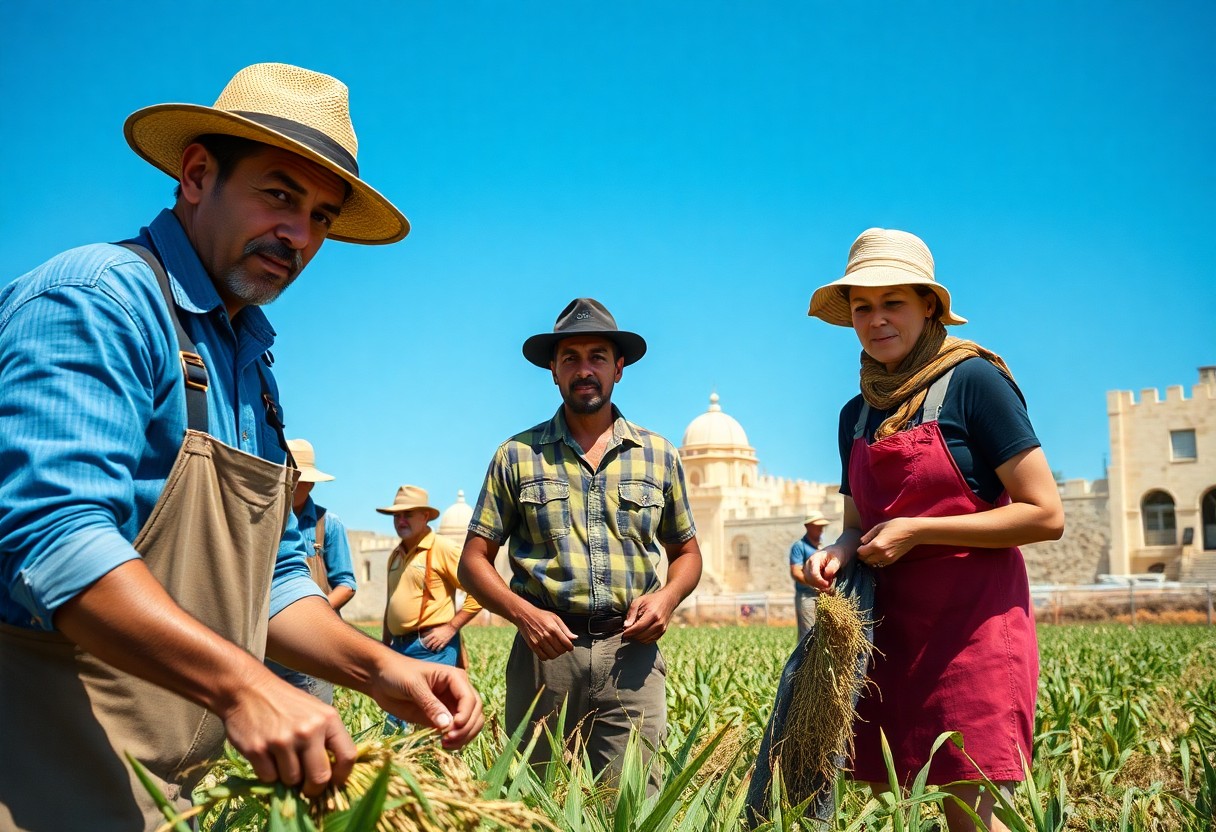
You may have admired Malta's stunning landscapes and vibrant culture showcased in travel brochures, but the bustling tourist season relies heavily on a unique seasonal labour force. This workforce, often comprising both local and international employees, plays a vital role in sustaining the island's economy and hospitality services. In this post, we explore into the dynamics of Malta's seasonal labour market, exploring the challenges and benefits faced by workers and employers alike, as well as the impact on the broader community during peak travel times.
The Anatomy of Malta's Seasonal Labour Market
Major Industries Driving Seasonal Demand
The tourism industry is the most significant driver of seasonal labour demand in Malta, employing approximately 29% of the workforce during peak months. Apart from hospitality and accommodation sectors, which see a surge in staff requirements, the entertainment, restaurant, and retail industries also experience significant boosts. Notably, cultural events and festivals throughout spring and summer further amplify the need for temporary workers, leading to a diverse array of job opportunities in catering, event management, and related fields.
Key Characteristics of the Labour Pool
The seasonal labour pool in Malta is predominantly composed of young, dynamic individuals, many of whom are students seeking summer employment. This demographic is often multilingual, reflecting Malta's cosmopolitan nature and enhancing customer interactions in the tourism sector. Additionally, a substantial portion of workers comes from other European countries, drawn by competitive wages and the allure of living in a Mediterranean paradise.


















Many seasonal workers possess transferable skills, contributing to a diverse range of roles. For example, numerous individuals have prior experience in hospitality or customer service, bolstering the quality of service provided during the peak season. This adaptability allows businesses to efficiently navigate the fluctuations of seasonal demand. Moreover, the expectation of flexible working hours attracts those looking for short-term, quick employment, thereby enriching Malta's unique labour landscape.
The Role of Non-EU Workers in Malta's Economy
Legal Framework Governing Seasonal Workers
Malta's legal framework for seasonal workers, particularly those from non-EU countries, is regulated under specific immigration and employment laws. Seasonal workers need to obtain a work permit ensuring adherence to the regulations set forth by the Employment and Industrial Relations Act. The process typically involves an employer sponsorship, where businesses must demonstrate the need for foreign labor and that no suitable local candidates are available, providing a balanced approach to filling seasonal roles.
Rights and Protections for Migrant Labour
Migrant laborers, especially seasonal workers, are entitled to several rights and protections under Maltese law. These include access to fair wages, safe working conditions, and the right to join trade unions. Employers must adhere to laws regarding minimum wage and work hours, providing the legal safeguards necessary to ensure that these workers are not exploited.
In specific sectors, laws in Malta mandate additional protections tailored to seasonal workers. The Occupational Health and Safety Authority oversees regulations ensuring safe working environments, while the Employment Conditions Act guarantees minimum salary standards that reflect the cost of living. Non-EU workers can also seek recourse through the National Commission for the Promotion of Equality, which addresses workplace discrimination, and various NGOs that advocate for labor rights, creating a support system for those navigating the challenges of temporary employment in a foreign country. This network of protections not only empowers migrant laborers but also enhances Malta's reputation as a fair employer within the global labor market.
Job Opportunities: Where Are They?
Peak Seasons and Employment Trends
Malta experiences peak employment seasons primarily during summer, coinciding with a surge in tourism. From June to September, demand for seasonal labor skyrockets, with hospitality and retail sectors seeking additional staff. The shoulder seasons of spring and early autumn also offer opportunities, though at a reduced scale. During these months, businesses often require temporary workers for events and festivals that attract visitors to the islands.
Notable Employment Sectors
The key sectors employing Malta's seasonal labor force include hospitality, tourism, and construction. Each of these industries presents different roles, from seasonal hospitality staff in hotels and restaurants to construction workers advancing public and private developments. As Malta continues to grow as a tourist destination, the reliance on seasonal workers within these sectors remains high.
Hospitality and tourism are undeniably at the forefront, absorbing the lion's share of seasonal workers. The industry is not limited to traditional roles in hotels and restaurants; it extends to entertainment venues, tour operators, and recreational services, providing diverse roles that range from waitstaff to tour guides. In 2022 alone, over 34% of employed individuals in Malta engaged in hospitality-related jobs. Additionally, the construction sector has seen a steady uptick in demand for skilled labor during summer months, reflecting ongoing infrastructure development projects influenced by both local and foreign investments. This interplay among sectors underscores the importance of a robust seasonal labor market to sustain Malta's economic growth.
The Economic Impact of Seasonal Labour in Malta
Contributions to GDP and Local Economies
Malta's seasonal labour force plays a pivotal role in bolstering the nation's GDP. The influx of seasonal workers, particularly in tourism-related sectors, injects around €1 billion annually into the local economy. This activity not only stimulates growth in hospitality and retail but also provides considerable tax revenue, funding vital public services. The direct engagement of seasonal employees supports a myriad of local businesses, from small family-run restaurants to boutique shops, creating a diverse economic ecosystem that thrives on seasonal demand.
The Ripple Effect on Long-Term Employment
Short-term employment opportunities generated by seasonal labour lead to significant long-term benefits in Malta's job market. Many seasonal positions evolve into permanent roles, fostering workforce stability. Additionally, seasonal workers often acquire valuable skills and experiences that enhance their employability, which can lead to a more competent and versatile permanent labour force. The gradual integration of temporary workers into long-term roles contributes to reduced unemployment rates and boosts overall employee retention for local businesses.
This ripple effect extends beyond immediate employment statistics. As seasonal workers transition into permanent roles, they bring fresh ideas and diverse perspectives, which can invigorate workplace culture and drive innovation. On a broader scale, a stable labour pool encourages businesses to invest in local communities, facilitating further economic development. As local employers recognize the benefits of retaining skilled seasonal workers year-round, they become more competitive, elevating Malta's position in the global market. The cyclical nature of this dynamic reinforces the significance of seasonal labour, ensuring its continued relevance in Malta's economic landscape.
Challenges Facing Seasonal Workers
Housing and Accommodation Issues
Finding suitable housing remains one of the biggest challenges for seasonal workers in Malta. With the influx of tourists and a limited supply of affordable accommodation, many seasonal employees resort to sharing cramped living spaces or settling for distant locations that increase their daily commute. Often, landlords may take advantage of the high demand, charging exorbitant rents that can swallow a significant portion of a seasonal worker's income, leaving little room for savings or leisure activities.
Language Barriers and Integration Difficulties
Language barriers present numerous challenges for seasonal workers, hindering their ability to fully integrate into Maltese society and workplaces. Many come from various countries, speaking limited English or Maltese, which can lead to misunderstandings in both professional settings and social interactions.
The multilingual landscape of Malta complicates matters further, as many locals are conversant in several languages, creating an expectation of proficiency. This disconnect can lead to feelings of isolation among seasonal workers, limiting their opportunities to engage with the community. Social integration programs are scarce, making it difficult for newcomers to build local networks while acquiring the necessary language skills. Such barriers can diminish the overall experience of working in Malta, as the inability to connect with others affects not only job performance but also personal well-being. Providing targeted language training and cultural workshops could foster a stronger sense of belonging and support for these workers during their time on the island.
The Influence of Tourism on Labour Demand
Seasonal Surge: Tourism's Explosive Growth
Malta's tourism sector has witnessed unprecedented growth over the last decade, with visitor numbers skyrocketing from around 1.2 million in 2010 to nearly 2.7 million by 2019. This influx has created a palpable seasonal surge in labour demand, particularly in the hospitality and service industries, where businesses scramble to accommodate the influx of tourists. The peak summer months see a dramatic increase in job postings, with many employers seeking additional staff to handle everything from front desk operations to culinary services, illustrating the direct correlation between tourism and employment fluctuations.
Case Study: The Hospitality Sector's Dependency
The hospitality sector is perhaps the most telling example of tourism's influence on Malta's labour market. Many hotels and restaurants rely heavily on seasonal workers, especially during the peak tourist months. In fact, studies indicate that upwards of 70% of hospitality staff are temporary employees, highlighting a system intricately linked to Malta's tourism patterns.
This dependency manifests in various ways. During high season, hotels often increase their staff to maintain service levels, resulting in a rush for seasonal workers to fill roles ranging from housekeeping to management. In 2019, the hotel occupancy rate frequently reached over 85%, necessitating an urgent need for temporary staff. Conversely, as the season wanes, these positions become scarce, leading to a fluctuating job market where many workers face uncertainty as summer transitions to winter. The seasonal nature of this demand showcases the delicate balance that Malta's economy maintains with its tourism-driven employment structure.
Workers' Stories: Testimonials from the Ground
Experiences of Labourers in Malta
Seasonal workers in Malta often share a mix of excitement and challenges during their time on the island. Many find the vibrant atmosphere exhilarating, with opportunities to meet diverse people. However, the reality of long hours and high-pressure work environments can lead to feelings of exhaustion. For instance, a Nigerian chef reported working 65 hours a week during peak season, revealing both the demanding nature of the industry and the pride in serving dishes inspired by local cuisine.
Cultural Exchange and Community Building
Seasonal employment in Malta fosters an environment ripe for cultural exchange. Workers from various backgrounds bring unique customs and traditions, enriching the local community. A recent festival featured food stalls run by seasonal labourers from Eastern Europe, highlighting their cuisines and encouraging interaction between locals and visitors.
This cultural exchange not only benefits the workers by allowing them to share their heritage but also enhances the community's social fabric. For example, intercultural events often showcase music and dance from different countries, creating a lively atmosphere that draws both locals and tourists alike. Through these shared experiences, workers forge meaningful relationships and a sense of belonging, proving that seasonal employment can be about more than just economic need—it's also about forming connections and building a community that embraces diversity.
The Intersection of Technology and Seasonal Labour
Digital Platforms Facilitating Job Matches
Online job portals and mobile applications have revolutionized the way seasonal employment is facilitated in Malta. Platforms like MalteseJobs.com and FlexiJobs connect employers with a transient workforce, streamlining the hiring process. These platforms enable workers to create profiles, showcase their skills, and apply for roles, while employers can post jobs and sift through applications efficiently. This technological shift promotes faster matches, catering to the immediate needs of the tourism sector, especially during peak seasons.
The Future of Remote Work and Seasonal Roles
The rise of remote work has opened new avenues for seasonal roles, expanding the flexibility of job opportunities in Malta's tourism domain. Rather than being confined to physical locations, workers can fulfill roles such as customer service or content creation from anywhere, enabling employers to tap into a broader talent pool. This adaptability caters to the evolving trends of the modern workforce while significantly mitigating accommodation issues faced by seasonal workers.
As remote work increasingly becomes the norm, seasonal roles in Malta are likely to diversify. The integration of technology allows for tasks previously bound by geographical constraints, shifting the focus from rigid, location-based employment to more flexible arrangements. For instance, a seasonal worker in customer support can manage inquiries from their home country, allowing Maltese businesses to maintain high service standards without the need for physical presence. This evolution could lead to an influx of skilled professionals eager to engage with Malta's flourishing tourism industry, regardless of their location.
Employer Perspectives: What Businesses Want
Skills and Qualifications Sought After
Employers in Malta prioritize specific skills and qualifications that enhance the efficiency of their seasonal labour force. Language proficiency, particularly in English and Italian, is highly valued to ensure effective communication with both customers and team members. Additionally, experience in hospitality, customer service, and culinary skills often top the list, as many seasonal jobs revolve around tourism and dining sectors. Certifications in food safety or first aid can set candidates apart, ensuring businesses maintain high standards and compliance with regulations.
Retention Strategies for Seasonal Staff
To foster loyalty among seasonal staff, employers implement various retention strategies aimed at enhancing job satisfaction and performance. Offering competitive wages, flexible working conditions, and opportunities for skill development plays a pivotal role in attracting and retaining talent. Many businesses also cultivate a welcoming work environment where staff feel appreciated and part of a cohesive team.
For instance, some resorts and restaurants in Malta have successfully adopted incentive programs that recognize high-achieving employees with bonuses or additional days off. They often host team-building activities that encourage camaraderie among seasonal workers, contributing to a positive workplace culture. Moreover, providing opportunities for cross-training ensures that seasonal staff can expand their skill sets, making them more versatile and valuable to employers while increasing their own employability for future seasons.
Government Policies Shaping the Labour Landscape
Initiatives to Streamline Recruitment Processes
Malta's government has implemented several initiatives to simplify the hiring of seasonal workers, addressing both employer needs and worker aspirations. The introduction of a centralized online recruitment platform allows employers to post vacancies and access a diverse pool of applicants efficiently. This initiative reduces the time taken for hiring processes, facilitates better matching of skills to roles, and ensures adherence to regulatory requirements, establishing a smoother transition for both parties involved.
Aspects of Policy Supporting Worker Wellbeing
Government policies in Malta promote worker wellbeing through comprehensive regulations that prioritize health and safety, fair wages, and access to imperative services. Seasonal workers are protected under labor laws that guarantee their rights, ensuring they benefit from adequate working conditions, including safe living arrangements and health insurance options. Additionally, the government actively engages with employers to raise awareness of mental health issues and encourage supportive workplace environments.
These policies are designed not only to enhance the immediate experience of seasonal laborers but also to foster a sustainable workforce. Occupational health and safety regulations mandate regular assessments of working conditions, while initiatives like the Workers' Insurance Scheme provide imperative coverage for medical emergencies. Access to local support services, such as counseling and social programs, contributes to a more fulfilled workforce, ultimately enhancing productivity during peak seasons. By actively addressing the diverse needs of these workers, Malta cultivates a labor environment that values health, security, and respect as fundamental components of the seasonal labor force experience.
The Community Response to Seasonal Migration
Local Sentiment and Social Dynamics
Local sentiment towards seasonal workers in Malta varies widely, with some residents embracing cultural diversity while others exhibit reluctance or resentment. This complex social dynamic often stems from economic concerns within the local population, as opportunities for work and housing become tight, particularly in peak seasons. Instances of community outreach to engage with seasonal workers illustrate a growing awareness of the economic interdependence between locals and migrants, yet tensions can linger beneath the surface, reflecting broader global attitudes towards migration.
Initiatives Promoting Integration and Acceptance
Several organizations in Malta are actively working to foster a sense of community and belonging among seasonal workers. Initiatives range from language courses to social events designed to bridge cultural gaps. For example, the NGO Integra Foundation offers workshops that teach both language skills and cultural norms, helping workers integrate into local society while also encouraging locals to participate in multicultural celebrations, fostering interaction beyond mere coexistence.
Programs like “Cultural Bridges,” which organizes events showcasing traditional cuisine, music, and dance from various countries represented among seasonal workers, play a pivotal role in promoting understanding and acceptance. Partnerships with local businesses provide platforms for networking, allowing seasonal workers to share their skills and contribute to the community. Additionally, collaborations with schools incorporate migrant narratives into educational curricula, facilitating discussions about diversity and shared experiences. These inclusive initiatives not only pave the way for better integration but also enrich Maltese society as a whole, emphasizing mutual respect and coexistence.
Predictions for the Future of Seasonal Work in Malta
Evolving Labour Market Trends
Seasonal work in Malta is expected to transform significantly over the next few years. With the emergence of new industries, such as technology and eco-tourism, there is a growing demand for seasonal workers with specialized skills. This shift may lead to increased opportunities for higher-skilled professionals during peak seasons, as businesses seek to enhance service quality amidst intensifying competition.
The Potential Impact of Global Events
Global events, such as economic fluctuations and health crises, can drastically alter Malta's seasonal labour landscape. Events like the COVID-19 pandemic highlighted the fragility of reliance on seasonal workers, exposing vulnerabilities in the tourism-dependent economy.
The rise of remote work has also prompted many to reconsider traditional employment models, perhaps leading to a prioritization of flexible and seasonal contracts. Economic uncertainty can deter tourists, directly affecting the demand for seasonal labour. In contrast, positive global trends, such as increased travel and investment, might create opportunities for the local workforce. Stakeholders in Malta must remain agile and responsive to these developments to ensure a robust seasonal labour strategy that can adapt to both challenges and opportunities.
Best Practices for Job Seekers in Malta's Seasonal Labour Market
Networking Strategies to Boost Employment Chances
Building connections within Malta's tourism and hospitality sectors can significantly enhance employment opportunities. Engaging in local events, joining industry-specific groups on social media, and reaching out to professionals via platforms like LinkedIn can help establish valuable contacts. Many employers rely on referrals, making personal interactions at trade fairs or local meetups beneficial. Joining expat communities and participating in these networks can lead to hearing about job openings before they are publicly advertised.
Essential Steps for Smooth Transition and Adaptation
Successfully navigating Malta's seasonal labour market requires adapting to a new environment while grasping local customs and practices. Prioritize finding suitable accommodation early on and familiarize yourself with the public transport system for ease of commuting. Embrace opportunities for cultural immersion by participating in local festivals or community events, which can aid in adjusting to life in Malta and expanding your social network. Understanding the nuances of the workplace culture will make it easier to integrate and thrive in various job settings.
One effective way to ensure a smooth transition is by researching local employment regulations, such as work permits and contracts specific to seasonal jobs. Before arriving, looking into potential employers' backgrounds and gathering insights from previous employees can help set realistic expectations regarding work hours, wages, and overall job satisfaction. Consider taking short language courses to bridge any language barriers that may arise, enhancing both professional interactions and daily life in Malta. Being proactive in these areas positions job seekers for a seamless transition into the seasonal workforce.
To wrap up
Now that we have explored the dynamics of Malta's seasonal labour force, it is clear that this system plays a significant role in the island's economy. The influx of seasonal workers not only supports important industries, particularly tourism and agriculture, but also highlights the need for comprehensive policies that ensure fair treatment and integration. Understanding these underlying mechanisms can enhance our appreciation of Malta's vibrant workforce, showcasing both the opportunities and challenges that arise in a globalized labor market.
FAQs
What is seasonal labour in Malta?
Seasonal labour in Malta refers to temporary employment that peaks during the tourist season, especially in hospitality, retail, and event sectors.
Which industries rely most on seasonal workers in Malta?
The tourism, hospitality, retail, entertainment, and construction sectors are the primary industries employing seasonal workers in Malta.
Who makes up Malta’s seasonal workforce?
It includes students, local job seekers, EU nationals, and non-EU workers, many of whom are multilingual and possess transferable skills.
What are the legal requirements for non-EU seasonal workers?
Non-EU seasonal workers need a valid work permit, usually tied to employer sponsorship, under Malta’s Employment and Industrial Relations Act.
What protections exist for seasonal and migrant workers in Malta?
They are entitled to fair wages, safe working conditions, union rights, and protection against workplace discrimination under Maltese law.
When is the peak hiring season for seasonal jobs in Malta?
The peak hiring season spans from June to September, with spring and early autumn also offering opportunities tied to festivals and events.
How does seasonal labour impact Malta’s economy?
It contributes over €1 billion annually to the economy, supporting GDP growth, tax revenue, and the viability of local businesses.
What challenges do seasonal workers face in Malta?
Common challenges include high housing costs, language barriers, limited social integration, and job insecurity after the tourist season.
How does tourism influence Malta’s labour market?
Tourism significantly increases labour demand, with many businesses relying on seasonal hires to maintain service levels during busy months.
How is technology shaping seasonal employment in Malta?
Online job portals and remote work options have improved job matching and flexibility, helping both employers and workers adapt quickly.

Anna Amstill
I am an avid Blogger and Writer with more than 6 years of experience with Content Writing. An Online Marketing expert specializing in Blog writing, Article writing, Website content, SEO specific Keyword content and much more. Education B.A. - business management, York University, Canada, Graduated 2016.
Related Posts
Year round travel in Malta
May 12, 2026
Spring Adventures In Malta
May 11, 2026
Malta Early Spring Travel Boom
May 9, 2026
Budget airlines lift Malta tourism
May 8, 2026

Spring visitors spend more in Malta
May 7, 2026
Malta airport traffic rises in spring
May 6, 2026

Malta hotel occupancy trends in spring
May 5, 2026
Malta attracts new spring travelers
May 4, 2026
Malta tourism tests power grid
May 2, 2026