













Winter travel for Malta culture
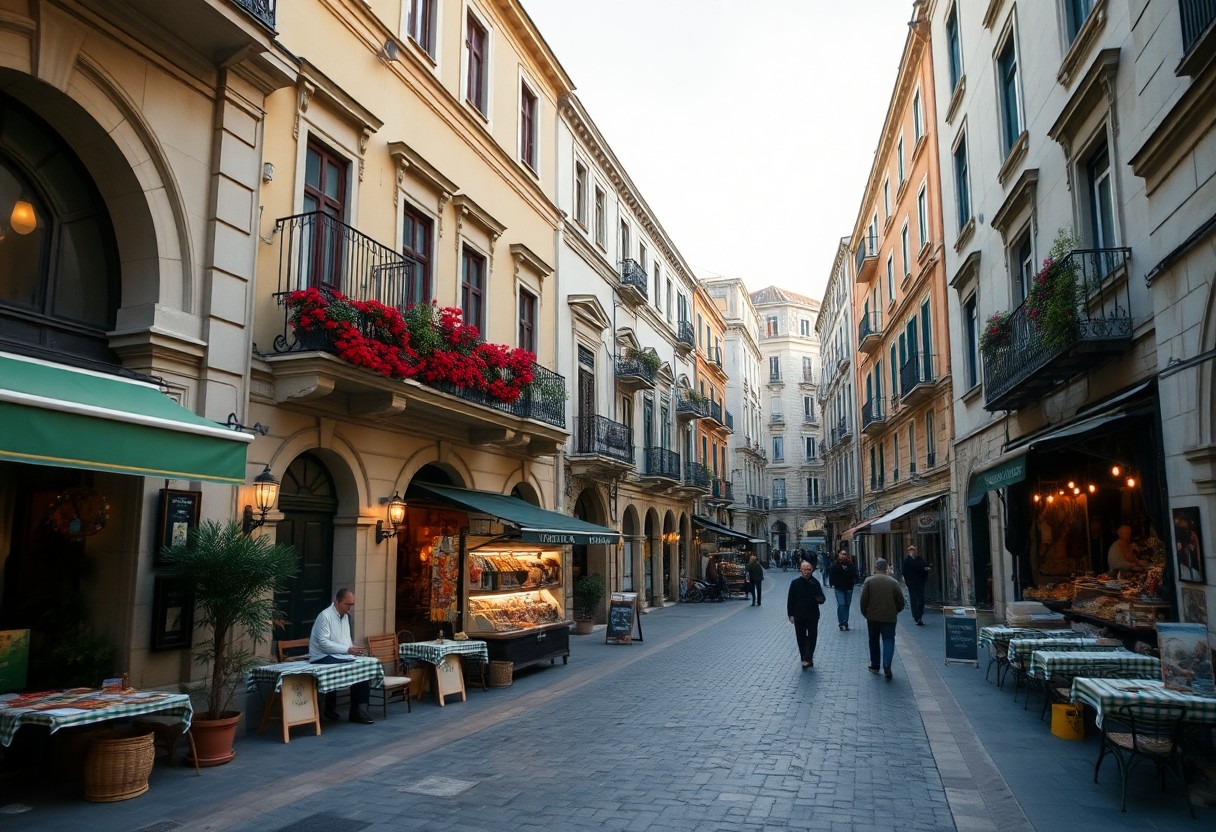
There's a unique charm in exploring Malta during the winter months, particularly for culture enthusiasts. With fewer crowds and a cooler climate, visitors can immerse themselves in the island's rich history, art, and traditions. From ancient temples and vibrant festivals to world-class museums and local cuisine, Malta offers a diverse range of cultural experiences that are often overshadowed by the bustling summer tourist season. Discover the many ways to appreciate Malta's heritage and get an authentic taste of its vibrant culture this winter.
Key Takeaways:
- Malta offers a rich cultural experience with its historical sites, including ancient temples and UNESCO World Heritage cities.
- Winter events, such as local festivals and exhibitions, provide unique opportunities to engage with Maltese traditions and arts.
- Milder winter weather enhances the enjoyment of exploring the island's museums, galleries, and cultural performances without the summer crowds.
Understanding Malta's Cultural Heritage
Historical Overview
Malta's history spans thousands of years, influenced by various civilizations including the Neolithic settlers, the Phoenicians, Romans, Byzantines, and the British. The island's strategic location in the Mediterranean made it a coveted territory, evident in its diverse architectural styles and historical sites that narrate tales of conquest and coexistence.
The Significance of the Phoenicians, Romans, and Knights of St. John
The Phoenicians, as early as 800 BC, established trade routes that integrated Malta into a broader Mediterranean network. The Roman Empire further developed the island, enhancing its infrastructure and culture. The Knights of St. John later fortified Malta, shaping its identity and architecture in the 16th century.


















The Phoenicians introduced advanced trade practices, while the Romans enhanced urban development, evident in the remains of Roman villas and amphitheaters. The Knights of St. John left an enduring mark through grand baroque structures and fortifications, most notably Valletta, which reflects their strategic military aspirations and unique artistic expressions. These periods collectively contribute to Malta's layered cultural identity and historical significance.
UNESCO World Heritage Sites in Malta
Malta boasts three UNESCO World Heritage Sites: Valletta, the ancient Megalithic Temples, and the Ħal Saflieni Hypogeum. Each site illustrates the island's rich history, from impressive fortifications to prehistoric ritual complexes.
Valletta, a masterpiece of baroque architecture, showcases the legacy of the Knights of St. John, while the Megalithic Temples date back to 3600 BC, making them among the oldest free-standing structures in the world. The Ħal Saflieni Hypogeum is an extraordinary underground burial site that reveals insights into prehistoric Malta's spiritual beliefs and funerary practices. Collectively, these sites highlight Malta's exceptional cultural heritage and its importance on the global stage.
Weather and Climate Considerations for Winter Travel
Typical Winter Weather Patterns
During winter, Malta experiences mild temperatures averaging between 10°C to 16°C (50°F to 61°F). Rainfall is more frequent, especially in December and January, often contributing to a lush landscape. Though chilly breezes can occur, especially near the coast, sunny days are not uncommon, allowing for enjoyable outdoor exploration.
Best Times for Cultural Events
Cultural events in Malta peak during winter months, especially around the festive seasons. December to February showcases numerous celebrations, including Christmas festivities and local feasts that highlight Maltese traditions, providing rich experiences for culturally minded travelers.
Events like the Valletta Baroque Festival in January attract music lovers and history enthusiasts alike, while Carnival in February transforms the streets with vibrant parades and local cuisine. These happenings not only offer entertainment but also deepen understanding of Malta's diverse heritage, showcasing its distinct blend of historical influences.
Clothing and Preparation for Seasonal Changes
Key Cultural Festivals and Events in Winter
The Valletta Baroque Festival
The Valletta Baroque Festival, held every January, celebrates the rich musical heritage of Malta through a series of performances featuring baroque music. This festival attracts renowned local and international artists who perform in stunning venues throughout the capital, including churches and historical buildings, creating an enchanting atmosphere that captivates both locals and visitors alike.
Mdina Medieval Festival
Taking place in late April, the Mdina Medieval Festival immerses attendees in the history of Malta's medieval period. The event features reenactments, traditional crafts, and street performances, transforming the ancient walled city into an interactive living history museum, allowing guests to experience life as it was during the Middle Ages.
During the Mdina Medieval Festival, the city comes alive with vibrant displays that showcase its historic roots. Visitors can witness sword fights, archery displays, and themed markets featuring artisanal products. Local actors don period costumes, enhancing the immersive experience, while food stalls offer traditional dishes, creating a festive atmosphere that invites participation and exploration.
Christmas Celebrations and Traditions
Christmas in Malta is marked by a blend of religious and local customs, celebrated with fervor and color. Festive decorations adorn streets and churches, with intricately crafted nativity scenes (presepju) displayed both in homes and public spaces, showcasing local artistry and devotion.
Malta's Christmas celebrations also feature unique traditions such as the Midnight Mass held on Christmas Eve, followed by festive feasts that include traditional Maltese dishes like roast rabbit and mince pies. The season is further enlivened by local markets selling handmade gifts and sweets, while various events, such as carol singing and concerts, enhance the holiday spirit throughout the islands.
Museums and Cultural Institutions
National Museum of Archaeology
The National Museum of Archaeology, located in Valletta, showcases Malta's prehistoric artifacts, dating back to the Neolithic period. Highlights include the impressive collection of intricate sculptures, pottery, and the unique fat lady figurines, all reflecting the island's rich ancient history. The museum not only provides insight into Malta's early civilizations but also illustrates their influence on contemporary Maltese culture.
The Malta Experience
The Malta Experience offers visitors a captivating audiovisual presentation that narrates the island's storied past, from prehistoric times to the present. This immersive journey highlights pivotal events, cultural transformations, and the overall resilience of the Maltese people against various historical backdrops. It serves as an crucial starting point for anyone seeking a deep understanding of Malta's heritage.
Through stunning visuals and engaging storytelling, The Malta Experience enriches visitors' perspectives on significant historical milestones, including the Knights of St. John and the impact of World War II. The exhibition is complemented by a visitor center that provides additional resources and insights into contemporary Maltese life, making it a comprehensive introduction to the nation's culture.
The Maritime Museum of Malta
The Maritime Museum of Malta, housed in a former navy bakery in Vittoriosa, explores Malta's nautical history spanning thousands of years. The museum features impressive maritime artifacts, ship models, and interactive exhibits that highlight the island's strategic maritime position in the Mediterranean. Visitors can learn about famous naval battles and the evolution of seafaring in Maltese culture.
With artifacts ranging from Phoenician relics to World War II equipment, The Maritime Museum of Malta offers a deep investigate the island's relationship with the sea. The collection includes cannons, shipwreck treasures, and the iconic Maltese Luzzus, traditional fishing boats that symbolize the island's enduring maritime heritage. This museum effectively illustrates Malta's significant role in seafaring history and trade, making it a must-visit for culture enthusiasts.
Architectural Wonders of Malta
Baroque Architecture and Its Impact
Malta's Baroque architecture is a stunning testament to the island's historical significance and cultural influences. Characterized by grand churches and palaces, this style flourished in the 17th and 18th centuries, largely shaped by the Knights of St. John. The impressive St. John's Co-Cathedral in Valletta exemplifies Baroque artistry, featuring intricate marble floors and Caravaggio's renowned painting, “The Beheading of Saint John the Baptist.” This architectural style has not only defined Malta's skyline but has also influenced local craftsmanship and cultural identity.
Ancient Megalithic Temples
The ancient megalithic temples of Malta are among the oldest free-standing structures in the world, dating back to around 3600 BC. These prehistoric temples, such as Mnajdra and Hagar Qim, showcase advanced engineering techniques, with massive stone blocks weighing several tons. Furthermore, they reveal insights into the spiritual and communal lives of Malta's early inhabitants, making them a fascinating focus for cultural tourism.
Mnajdra, located on the southern coast, is particularly noted for its astronomical alignments, with sunlight illuminating its interior during solstices. Hagar Qim's impressive structure features a series of interconnected chambers and intricate carvings, hinting at rituals and ancestral worship. These temples, now UNESCO World Heritage Sites, not only highlight Malta's prehistoric significance but also attract scholars and tourists, eager to uncover the mysteries of an ancient civilization.
The Citadel of Gozo
The Citadel of Gozo, perched atop a hill in Victoria, is a remarkable fortress reflecting the island's tumultuous history. It dates back to the medieval period and features a series of fortifications, narrow winding streets, and ancient structures that narrate tales of resilience. The Citadel's stunning panoramic views of Gozo further enhance its appeal to visitors interested in Malta's architectural heritage.
As a focal point of Gozo, the Citadel boasts several significant landmarks, including the imposing Cathedral of the Assumption, adorned with frescoes and ornate ceilings. The intricate ramparts and defensive walls showcase a blend of Norman and Baroque elements, creating a unique architectural tapestry. Touring the Citadel not only offers a glimpse into Malta's past but also provides a serene atmosphere, making it a perfect spot for culture enthusiasts seeking to explore deeper into the island's historical narrative.
Local Cuisine and Culinary Festivals
Traditional Maltese Dishes
Traditional Maltese cuisine reflects the island's diverse history and influences, featuring dishes like pastizzi, puff pastry filled with ricotta or peas, and rabbit stew, known as “fenek.” Harira, a hearty soup flavored with spices, and imqaret, date-filled pastries, showcase Malta's rich flavors. Fresh seafood, particularly aljotta, a fish soup, is also prominent due to the island's maritime heritage.
Culinary Experiences During Cultural Events
Culinary experiences during cultural events offer travelers a unique opportunity to savor local flavors while engaging with Malta's vibrant traditions. Events like the Feast of St. Paul's Shipwreck in Valletta feature street vendors serving classic dishes alongside lively processions, blending food with cultural spectacle.
During these events, visitors can participate in cooking demonstrations, learn traditional recipes, and even sample locally produced wines. The atmosphere is vibrant, often accompanied by folk music and dancing, making it an immersive experience that highlights Malta's culinary heritage and community spirit. Seasonal festivals also showcase limited-time specialties, providing a tantalizing taste of local culture.
Markets and Street Food
Malta's markets and street food scene offers a delightful exploration of local flavors. The Marsaxlokk Fish Market on Sundays provides a picturesque backdrop to sample fresh catch, while Valletta's bustling stalls serve up a variety of snacks, from qassatat to local cheeses.
Markets like the Vittoriosa Market offer an array of street food options, allowing visitors to taste traditional fare on the go. Vendors serve delights such as ħobż biż-żejt, a local bread drizzled with olive oil, and stuffed vegetables, ensuring a flavorful culinary adventure that captures the essence of Maltese street life.
Exploring Valletta: A Cultural Hub
Historical Significance of Valletta
Founded in 1566 by the Knights of St. John, Valletta was strategically designed as a fortress city. It stands as a testament to the military ingenuity of its era, showcasing a blend of Renaissance and Baroque architecture. Valletta's rich history is deeply interwoven with battles, diplomacy, and cultural exchanges, earning its designation as a UNESCO World Heritage site.
Major Landmarks and Attractions
The highlights of Valletta include St. John's Co-Cathedral, the Grand Master's Palace, and the Upper Barracca Gardens. Each location reflects the city's vibrant past and offers visitors a glimpse into Malta's artistic and historical essence.
St. John's Co-Cathedral, adorned with Caravaggio's masterpieces, is a must-visit for art lovers, while the Grand Master's Palace serves as a seat of government, showcasing stunning armor collections. The Upper Barracca Gardens provide panoramic views of the Grand Harbour and feature beautiful landscaping, making it a serene escape amidst the bustling city. Additionally, the National Museum of Archaeology continues to captivate with its extensive exhibition of artifacts, emphasizing Valletta's archaeological importance.
Walking Tours and Cultural Guided Experiences
Exploring Valletta on foot allows travelers to fully absorb its rich cultural heritage through guided tours that weave together history and local narratives. Expert guides provide insights into the city's stories, architecture, and traditions.
The walking tours highlight Valletta's key sites, ranging from its intricate alleyways to significant monuments. For instance, visitors can partake in themed tours, such as those focusing on the Knights of St. John or the Baroque architecture trail, enhancing their understanding of Malta's multifaceted culture. These immersive experiences often include local tastings, making the exploration both educational and enjoyable.
The Role of Arts and Theater
The Traditional Maltese Folk Theatre
Traditional Maltese folk theatre, known as ‘Teatru tal-Poplu,' showcases the rich narratives of Maltese culture through vibrant performances. Rooted in historical events and local legends, these productions often take place during village feasts, bringing communities together. The art form utilizes a blend of music, dance, and storytelling, reflecting the island's heritage and captivating both locals and visitors alike.
Contemporary Art Scene in Malta
The contemporary art scene in Malta has been flourishing, with various artists and galleries pushing boundaries and exploring new mediums. Influenced by local culture and global trends, many exhibitions are held throughout the year, particularly in Valletta and contemporary art hub, the Valletta Contemporary. This atmosphere fosters innovation and invites dialogue, making it a vibrant tapestry of modern creativity.
Institutions like MUZA (Museum of Art) play a vital role in promoting contemporary artists, hosting rotating exhibitions that highlight both emerging and established talents. Events like the Malta Arts Festival and various art fairs provide further platforms for artists to showcase their work, encouraging a collective creative spirit. Local art spaces often collaborate with international artists, generating unique cultural exchanges that enhance the artistic landscape.
Attendance at The Manoel Theatre
The Manoel Theatre, one of the oldest working theatres in Europe, attracts a diverse audience with its rich program of performances ranging from operas to contemporary plays. With a seating capacity of around 625, its intimate atmosphere allows for a unique connection between performers and the audience, making each event a memorable experience.
This historic venue not only hosts local productions but also international acts, ensuring a varied lineup of entertainment. Its central location in Valletta, combined with the allure of its Baroque architecture, makes the Manoel Theatre a cultural hotspot. In recent years, attendance has steadily increased, reflecting a growing appreciation for the arts in Malta, with sold-out performances showcasing the theatre's popularity among both locals and tourists.
Literary and Musical Heritage
Influential Maltese Writers and Poets
Malta boasts a rich literary tradition, highlighted by figures such as Dun Karm Psaila, often regarded as the national poet, whose works reflect the island's identity and culture. Another notable figure is' Maud Olofson, whose writings investigate into the complexities of Maltese life. Contemporary voices like Immanuel Mifsud and Clare Azzopardi continue to shape the literary landscape, offering fresh perspectives that resonate with both locals and international readers.
Traditional Maltese Music Forms
Traditional Maltese music, deeply rooted in the island's history, captures a blend of influences, from Sicilian folk tunes to North African rhythms. Instruments like the għana and the tambur present vibrant musical storytelling that enhances Malta's cultural fabric. Local festivities often showcase these traditional forms, allowing audiences to appreciate the island's unique musical heritage.
The għana is particularly significant in Maltese culture, characterized by its poetic nature and improvisational flair. Often performed in duels, singers compete using wit and technique, weaving local narratives and emotions into their performances. This genre not only entertains but also preserves the Maltese language and oral traditions, ensuring their perpetuation across generations.
Classical Music and Opera in Malta
Malta's classical music scene is thriving, with venues like the Manoel Theatre hosting performances that spotlight both local and international talent. The Valletta International Baroque Festival showcases masterpieces from renowned composers, emphasizing the island's commitment to high-quality classical art. Additionally, Malta has produced notable musicians like soprano Josephine Barstow, adding to its musical prestige.
Classical music in Malta also reflects the island's diverse history, with influences stemming from its colonial past. The rich tapestry of opera has flourished since the 18th century, with operatic performances becoming a significant aspect of local culture. Educational institutions like the Malta School of Music foster new talent, ensuring that opera remains a vibrant and respected art form on the island.
Religious Influence on Culture
Major Churches and Their Historical Significance
Malta is dotted with majestic churches, each narrating a chapter of its rich religious history. The awe-inspiring St. John's Co-Cathedral in Valletta showcases baroque artistry and houses Caravaggio's masterpieces, while the Rotunda of Mosta, known for its enormous dome, is often considered one of the largest in Europe. Dating back to the Knights of St. John, these landmarks not only serve as places of worship but also as testaments to Malta's cultural and architectural heritage.
Role of Religion in Local Festivals
Religion deeply influences Malta's vibrant local festivals, providing a blend of tradition and community celebration. From the colorful processions during feasts of patron saints to the theatrical re-enactments of biblical stories, these events draw locals and visitors alike, highlighting the island's devotion and communal spirit.
Each festival pulses with life, featuring music, dance, and culinary delights. For instance, the feast of St. Paul in Valletta attracts thousands, showcasing not only religious reverence but also a sense of unity as the streets come alive with fireworks and decorations. These festivals, often steeped in centuries-old traditions, serve as a vibrant canvas reflecting the religious fervor ingrained in Maltese culture.
Pilgrimages and Holy Sites
Pilgrimages to holy sites are a prominent aspect of Malta's religious landscape, with several locations drawing the faithful from near and far. The Sanctuary of Our Lady of Mellieħa, perched on a hill, is particularly revered and attracts thousands during its annual feast.
Visitors often initiate on pilgrimages to connect with the island's spiritual heritage. The procession leading to the Sanctuary of Our Lady of Ta' Pinu, although situated in Gozo, holds profound significance, echoing the call to faith for many. Additionally, sites like the Hypogeum of Ħal Saflieni, once believed to be a sacred burial ground, further illustrate that Malta's historical narrative is intertwined with its rich spiritual traditions.
Engaging with Local Communities
Opportunities for Cultural Exchange
Malta offers numerous avenues for cultural exchange, allowing travelers to engage authentically with local traditions and customs. Programs, such as language exchanges and cooking classes, enable visitors to learn Maltese while sharing their own cultural experiences. This interaction fosters mutual appreciation and understanding, enriching the traveler's experience beyond mere sightseeing.
Volunteer Programs Focused on Cultural Heritage
Travelers can immerse themselves in Malta's rich cultural heritage through volunteer programs dedicated to preserving historic sites and traditions. These initiatives often involve hands-on work in museums, archaeological digs, or cultural festivals, allowing participants to contribute meaningfully while learning from locals.
One impactful example is the Heritage Malta program, which recruits volunteers for various projects, including restoration work at UNESCO World Heritage sites. Participants not only gain practical skills but also deepen their understanding of Malta's history and culture by collaborating directly with conservation experts and local historians, ensuring that cultural preservation efforts meet community needs.
Interaction with Local Artisans and Craftspeople
Engaging with local artisans offers a unique glimpse into Malta's traditional crafts, such as lace-making and glass-blowing. Travelers can visit workshops to witness these age-old techniques in action, often participating in the creation of their own handmade souvenirs.
Local artisans, such as those found in Mdina's artisan shops, provide hands-on experiences that highlight the importance of craftsmanship in Maltese culture. Workshops led by skilled craftsmen, like glass artisans from the island of Gozo, not only showcase intricate techniques but also share stories about the cultural significance of their art, making each interaction a celebration of Malta's vibrant heritage.
Travel Logistics and Accommodations
Best Transportation Options in Winter
During winter, Malta's public transportation system remains efficient and budget-friendly. Buses connect major towns and attractions, making travel easy for culture enthusiasts. Renting a car offers greater flexibility, especially for reaching less visited cultural sites. Alternatively, taxis and ridesharing apps can provide convenient transport, particularly in the evening when public transport is less frequent.
Recommended Culturally Themed Accommodations
Choose accommodations that resonate with Malta's rich history and culture. Boutique hotels often feature traditional architecture, while guesthouses may offer authentic Maltese hospitality. Locations in Valletta or Mdina provide proximity to cultural landmarks, allowing guests to immerse themselves in local heritage during their stay.
In Valletta, the intimate boutique hotel Casa Ellul is an excellent choice, with its blend of historical charm and modern amenities. Alternatively, consider the Phoenicia Malta, set within vibrant gardens, which combines luxury with easy access to historical sites. Both options amplify the cultural experience through their unique designs and strategic locations.
Navigating Tourist Crowds and Peak Times
Winter typically ushers in a quieter Malta, offering travelers the chance to enjoy cultural sites without the typical summer throngs. Midweek visits to popular attractions can help avoid larger groups. Early mornings or late afternoons are ideal for exploring, as these times often see fewer visitors.
Many cultural sites, such as the ancient city of Mdina, are best explored during winter months, when the landscape is serene. Opting for guided tours during these quieter times can provide deeper insights without the distractions of crowded spaces. Engaging directly with local guides enhances the cultural experience while sidestepping peak tourist congestion.
Sustainable and Responsible Travel Practices
Promoting Local Culture and Heritage
Travelers can play a significant role in preserving Malta's rich traditions by participating in local festivals and workshops. Engaging with artisans and attending cultural events not only deepens the visitor's experience but also nurtures the island's heritage. For instance, the Carnival of Malta showcases vibrant costumes and historical performances that visitors can join, fostering appreciation and understanding of local culture.
Environmental Considerations for Winter Travelers
Winter travelers to Malta should adopt eco-friendly practices by opting for public transport and supporting businesses that prioritize sustainability. Many eco-tourism initiatives are emerging, which offer guided tours emphasizing conservation and the island's natural beauty.
Utilizing public transportation reduces carbon footprints significantly, and selecting eco-friendly tour operators helps maintain Malta's natural and historical sites. Several organizations focus on sustainability, providing opportunities for travelers to engage in beach clean-ups or environmental workshops, enhancing awareness and responsibility towards the island's unique ecosystem.
Supporting Local Economies Through Cultural Engagement
Direct involvement in Malta's cultural expressions, such as attending local theater productions or crafts markets, empowers local artists and businesses. By purchasing handmade goods or tickets to performances, travelers stimulate the economy and encourage cultural continuity.
Supporting local economies through cultural engagement goes beyond mere transactions; it fosters relationships between visitors and residents. For example, purchasing traditional lace or participating in a Maltese cooking class not only provides income to artisans but also promotes community involvement and cultural exchange, ensuring that these crafts and traditions thrive in the modern era. Such experiences create lasting connections that resonate well beyond the traveler's visit, reinforcing the value of Malta's cultural landscape.
To wrap up
Conclusively, Malta in winter offers an enriching experience for culture enthusiasts. With fewer crowds, visitors can immerse themselves in the island's vibrant history, art, and traditions. The mild climate enhances exploration, whether it's wandering through ancient ruins, attending local festivals, or enjoying the unique culinary scene. Museums and cultural sites maintain their charm, providing insight into Malta's diverse heritage. This season allows for a deeper connection with the local culture, making winter an ideal time for travelers seeking a profound and memorable adventure.
FAQs
Why is winter a good time to explore Malta’s cultural attractions?
Winter offers cooler weather, fewer crowds, and easier access to top cultural sites, museums, and festivals, making it ideal for culture-focused travel.
Which historical sites should first-time visitors prioritise in winter?
Valletta, the Megalithic Temples, and the Ħal Saflieni Hypogeum are among the most significant UNESCO sites worth exploring during winter.
Are Malta’s museums open throughout the winter season?
Yes, major museums including the National Museum of Archaeology and the Maritime Museum remain open year-round with regular visiting hours.
What cultural festivals take place in Malta during winter?
Winter highlights include Christmas celebrations, Carnival in February, and the Valletta Baroque Festival, which draws global classical music enthusiasts.
Is the weather suitable for outdoor historical tours in winter?
Malta’s winter temperatures remain mild, usually between 10°C and 16°C, making outdoor tours comfortable on most days.
What makes Valletta a top winter destination?
Valletta offers rich history, world-class museums, stunning architecture, and seasonal cultural events that are easier to enjoy without summer crowds.
What traditional Maltese dishes should visitors try in winter?
Popular winter dishes include rabbit stew, aljotta fish soup, pastizzi, and festive sweets such as mince pies and imqaret.
Are guided walking tours available during the winter months?
Yes, guided tours operate year-round, offering historical insights, cultural narratives, and special themed routes through Valletta and other heritage sites.
Which winter events appeal most to cultural travellers?
The Valletta Baroque Festival in January and Christmas traditions such as nativity displays and concerts are especially popular.
Can visitors experience Malta’s contemporary art scene in winter?
Absolutely. Galleries like Valletta Contemporary and institutions such as MUZA host exhibitions and events throughout the winter season.

Paula Nancy
Hello and Welcome to my profile. I'm a UK based entrenched full-time Blogger, Journalist, columnist and a certified writer with many years of sound writing experience. If you need a high-quality and original content, I'm here to provide you with the best writing services.
Related Posts
Year round travel in Malta
May 12, 2026
Spring Adventures In Malta
May 11, 2026
Malta Early Spring Travel Boom
May 9, 2026
Budget airlines lift Malta tourism
May 8, 2026

Spring visitors spend more in Malta
May 7, 2026

Malta airport traffic rises in spring
May 6, 2026

Malta hotel occupancy trends in spring
May 5, 2026
Malta attracts new spring travelers
May 4, 2026
Malta tourism tests power grid
May 2, 2026