












Malta Without Summer Noise
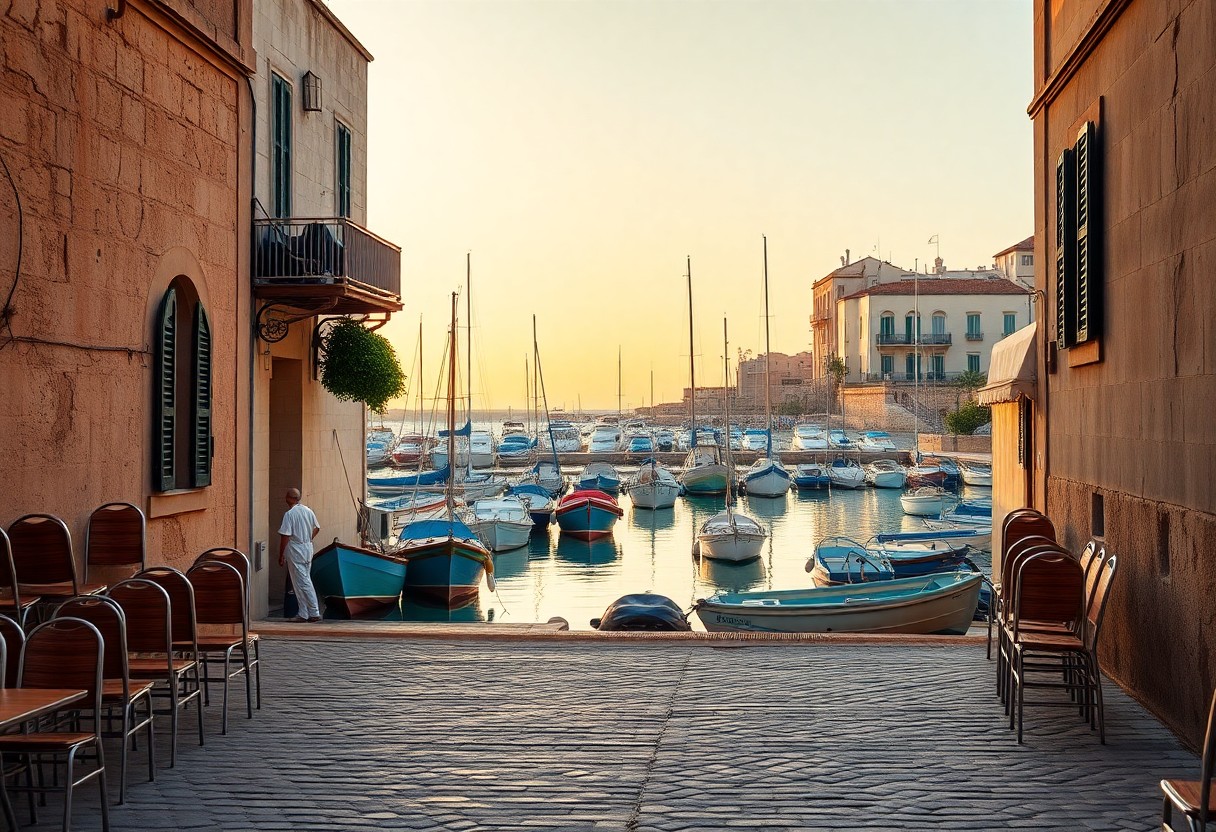
Experience Malta beyond the summer surge: off-season visits reveal quieter harbors, uncrowded heritage sites, and authentic daily life as locals reclaim streets. Cooler, comfortable weather favors walking, coastal hikes, and photography, while cultural calendars shift to festivals, theatrical performances, and traditional markets. Practical travel tips-reduced prices, more flexible bookings, and better access to guided tours-make this period ideal for immersive exploration and deeper understanding of Malta’s history and maritime landscapes.
Understanding Malta's Seasonal Changes
Overview of Malta’s Climate Patterns
Mediterranean weather delivers hot, dry summers and mild, wetter winters: July-August highs typically range 28-32°C (82-90°F), while January lows sit around 10-12°C (50-54°F). Rainfall concentrates between October and March, averaging roughly 400-500 mm annually. Coastal sea breezes moderate daytime heat, but inland valleys like Mellieħa and Luqa can record higher gusts and temperature spikes during heatwaves. These patterns shape when beaches, boat services, and festivals run at full throttle.
Seasonal Tourism Trends
Peak tourism clusters in June-September, with pre-pandemic arrivals near 2.6-2.7 million annually and hotel occupancy in hotspots often exceeding 85-90% in July-August. Day-trip traffic to the Blue Lagoon and Comino can reach several thousand visitors daily on weekends, while Valletta and St Julian’s see elevated restaurant and taxi demand. Shoulder months (April-May, October) offer lower prices and quieter streets.


















Weekday versus weekend flows are stark: weekdays bring steady cultural visitors and business travelers, whereas weekends concentrate partygoers and family holidaymakers. Festivals and village festas multiply in July-August, filling plazas nightly with brass bands, fireworks, and processions that draw regional crowds. Travel infrastructure responds with extra ferry runs and charter flights, which together amplify daytime and evening density in coastal nodes.
Why Summer Noise is a Consideration
Noise sources multiply in summer: village festas with brass bands and fireworks, nightlife clusters in Paceville and St Julian’s, heavy boat traffic around popular coves, and increased road congestion. Fireworks and bands near residential areas can exceed 70 dB at close range, and harbour activity keeps motor noise up late into the evening-factors that reshape the island’s daytime calm and nighttime quiet for visitors seeking tranquility.
Impacts extend beyond discomfort: sleep disruption is common for inland guesthouses near festa routes, and wildlife-especially nesting seabirds around Comino-experiences disturbance. Practical responses include booking accommodation in quieter localities (Mdina, Gozo’s Mgarr or Xlendi), visiting Blue Lagoon before 10:00 on weekdays, or choosing April/October travel windows when events and traffic drop markedly.
The Impact of Summer Tourism on Malta
Overcrowding and Its Effects
With a resident population of roughly 520,000 and pre-pandemic arrivals near 2.7 million in 2019, summer concentrates visitors into Sliema, St Julian's, Valletta and the Blue Lagoon. Public transport and ferry services suffer long delays, historic pavements show accelerated wear, and popular sites see queueing and degraded visitor experience; on peak days some harbours handle thousands more people than local infrastructure was designed for, forcing temporary traffic diversions and added waste collection rounds.
Cultural Disruptions and Noise Pollution
Paceville and other nightlife hubs generate sustained late-night noise that shifts residential rhythms, while amplified music at events like Isle of MTV or Valletta's summer festivals pushes sound into adjoining neighbourhoods. Short-term rentals concentrate transient groups in once-family streets, increasing complaints and altering patterns of daily life; residents report more frequent sleep disruption, less use of public spaces at night, and a general erosion of quiet residential character.
Municipal responses have become more visible: local councils and police now deploy targeted enforcement during peak months, issuing fines, imposing amplified-music limits and experimenting with curfews on licensed premises. The cumulative effect also changes traditional rituals-village festas and morning markets see different crowds and timetables-and community groups have lobbied for stricter short-let registration and noise abatement zones to protect year-round residents.
Economic Implications of High Tourist Seasons
Tourism represents roughly a quarter of Malta's economy, and summer months deliver a disproportionate share of annual revenue. Hotels and restaurants can see occupancy and takings spike in July-August, while off-season occupancy often drops substantially; this seasonality creates a boom-bust business model, inflating short-term incomes and raising costs like rents and wages during peak demand.
The seasonal pattern also affects labour and housing markets: many hospitality jobs are short-term contracts concentrated in June-September, increasing turnover and limiting year-round career development. Landlords favour short-term lets because they yield higher summer returns, pushing long-term rental prices up for locals. Policy responses include promoting shoulder-season events, incentives for year-round employment, and schemes such as Malta’s remote-worker/nomad visas to diversify demand beyond the high-summer window.
Traveling to Malta in Off-Peak Seasons
Benefits of Off-Peak Travel
Fares and rooms often fall 30-50% outside July-August, freeing budget for experiences; quieter streets make Valletta's museums and Mdina strolls genuinely peaceful; service is more attentive with lower staff-to-guest ratios; and access to boat trips, archaeological sites and guided tours is easier-no long queues and more flexible booking windows for niche activities like birdwatching or underwater photography.
Ideal Times to Visit Malta for Peace
Late October-November and February-April deliver the best balance of mild weather and low crowds: average daytime highs run about 15-20°C, spring blooms produce dramatic rural hikes, and visitor numbers typically fall by 50-70% compared with peak summer weeks.
Digging deeper, January is the quietest month-many smaller guesthouses close but larger hotels remain open with steep discounts-while March and October offer pleasant sea breezes and active cultural calendars without mass tourism. Public transport runs year-round though some rural buses are less frequent in winter; ferry crossings to Gozo remain reliable, making day trips and overnight stays easy for travelers seeking solitude and steady services.
What to Expect from Off-Peak Travelers
Expect a mix of longer-stay visitors-remote workers, retirees and cultural tourists-plus outdoor enthusiasts who prioritize hiking, cycling and winter bird migration; groups are smaller, itineraries slower, and demand leans toward local restaurants, farmhouse B&Bs and self-catered apartments rather than party-centric venues.
In practice this means average stays lengthen to 7-14 days versus 3-5 in summer, bookings occur closer to arrival dates, and travelers favor rental cars for flexible exploration of quiet villages like Marsaxlokk or Qala. Weekday activity peaks around market hours and church services, so planning visits for mid-mornings or late afternoons yields the most tranquil experiences while still supporting local businesses.
Exploring Malta’s Rich Heritage and Sites
Historical Landmarks and Their Significance
Mdina’s fortified lanes, Valletta’s St John’s Co-Cathedral with Caravaggio’s “Beheading of Saint John”, and the Neolithic Ġgantija and Ħaġar Qim temple complexes (dating c.3600-2500 BC) show layers from prehistoric to baroque. The Ħal Saflieni Hypogeum requires advance booking and is limited to 80 visitors per day, so visiting off-season lets you study detailed stonework, Hospitaller fortifications like Fort St Elmo, and maritime museums without summer crowds.
Local Culture and Traditions in Peace
Village life surfaces plainly when crowds thin: għana (traditional Maltese folk singing) sessions in village squares, artisans in Ta’ Qali and Gozo offering boat-building and lace-making demonstrations, and fishermen mending nets in Marsaxlokk present authentic routines. Off-peak timing makes it easier to join a two-hour filigree or lace workshop, sit through a church choir rehearsal, or observe traditional bread-baking in a local bakery without rushing.
Deeper engagement reveals how seasonal rhythms shape practices: for example, Gozo’s lace (bizzilla) workshops in Victoria run small classes year-round, guild-style festas maintain liturgical rites even when pyrotechnics pause, and coastal hamlets hold weekly fish auctions with limited visitors-ideal for ethnographic observation. Photographers and researchers can often arrange interviews with craftsmen and clergy by contacting parish offices or the Ta’ Qali crafts centre a week ahead.
Special Events and Festivals During Off-Peak
Carnival in February (Valletta and Nadur, Gozo) and Notte Bianca in October offer cultural intensity without peak-season heat; smaller parish feasts like St Paul’s Shipwreck (10 February) remain lively but manageable. Museums and heritage sites tend to run special winter exhibitions and guided tours, so you can attend concerts, baroque recitals, or themed museum nights with shorter queues and better access to curators.
For planning, check parish calendars and Valletta’s event listings: Nadur Carnival emphasizes satirical floats and community parades, while Notte Bianca opens museums late-night and stages pop-up performances-both attract thousands but far fewer than summer festivals. Booking tickets for museum concerts or Hypogeum slots one to two weeks in advance usually secures the best times; local tourist offices can also arrange curator-led visits to usually-closed chapels and private palazzos.
The Natural Beauty of Malta
Scenic Landscapes and Tranquil Spots
Clifftop panoramas at Dingli Cliffs rise roughly 250 meters, offering sunset views over terraced fields and the open sea. Buskett Gardens provides one of Malta’s rare woodland pockets, while quiet lanes around Mdina and Rabat reveal limestone terraces, small chapels, and centuries-old stone walls-places where a solitary walk can stretch for hours without encountering another visitor.
Coastal Areas Free of Crowds
Hidden bays such as Fomm ir-Riħ and Mgarr ix-Xini remain largely empty outside peak weeks, rewarding early arrivals with crystal water and undisturbed shoreline. Blue Grotto attracts day-trippers, but nearby coves and narrow inlets require short hikes or steep descents, which naturally limits numbers and preserves calm.
Fomm ir-Riħ’s access involves a steep trail down limestone steps to a pebble shore, so plan for sturdy shoes and take the morning ferry of sun for the best light. Mgarr ix-Xini sits in a sheltered cleft with shallow, clear water ideal for snorkeling; limited parking and a single coastal lane mean visitors are mostly locals or determined walkers.
Nature Reserves and Places for Solitude
Majjistral Nature and History Park and Ghadira Reserve offer varied habitats-garrigue, salt pans, and reedbeds-where migrating raptors and small passerines pass through in spring and autumn. Marked trails range from short loops to multi-hour routes, letting you tailor a quiet half-day hike that still feels remote.
Buskett’s shaded avenues are especially peaceful in late winter when almond blossom appears, and small clearings invite picnics away from roads. Majjistral’s coastal paths traverse limestone plateaus with minimal shade, so bring water and start early; these routes reveal geological features, hidden coves, and sweeping sea vistas with few fellow hikers.
Culinary Delights Beyond Summer Crowds
Local Cuisine and Traditional Dishes
Pastizzi remain a breakfast staple, while fenek (rabbit stew) holds status as Malta’s national dish; gbejna (small sheep or goat cheeses) appear in salads and pasta, and ħobż biż-żejt (rustic bread with tomato, tuna or capers) is a ubiquitous snack. Lampuki (dorado) season from mid-September to December brings fresh catches to coastal kitchens, often grilled or baked in tomato and caper sauces.
Dining Experiences Off the Beaten Path
Smaller village tavernas in places like Marsaxlokk, Mellieħa and Gozo’s Xlendi serve daily-changing menus that reflect that morning’s market haul; chefs there often focus on single-fish preparations, homemade pasta, and locally foraged herbs, offering quieter, more authentic meals than central Valletta spots.
Many off-season establishments run 4-6-course tasting menus or set lunches, changing ingredients daily and sourcing directly from the Sunday fish market at Marsaxlokk or nearby farmers. Service is slower and more personal-expect chefs to explain provenance, and to find dishes such as slow-braised fenek, lampuki pie during autumn, or seasonal mushroom ragù at country inns.
Markets and Food Festivals in Off-Peak Seasons
Marsaxlokk’s weekly fish market on Sundays operates year-round and is the best place to buy lampuki and other local catches; Valletta’s Is-Suq tal-Belt hosts winter pop-ups and occasional food fairs, while December brings Christmas food bazaars in Valletta and Mdina showcasing local producers and preserves.
Arrive early (7-11 am) at Marsaxlokk for the freshest selection and speak with fishers about what’s in season-lampuki appears in stalls from September through December. Winter farmers’ markets and small autumn festivals often feature 10-20 regional producers selling gbejna, honey, preserved capers and seasonal preserves, making off-peak a productive time for food-focused visits.
Accommodation Options for a Quieter Stay
Boutique Hotels and Their Unique Offerings
Mdina’s Xara Palace and Valletta’s Casa Ellul exemplify boutique stays: under 30 rooms, historic limestone buildings and personalized service that prioritises calm. Many offer internal courtyards, rooftop terraces with limited-footfall hours and staff able to assign courtyard-facing rooms; these features cut street noise significantly and suit travelers who want design-led comfort without the scale and bustle of larger hotels.
Advantages of Alternative Lodging
Self-catered apartments, rural farmhouses and private villas grant control over schedule and sound: you choose quiet neighbourhoods, avoid nightly bar districts and set your own dining hours. Gozo, with a population ≈37,000 and a 25-minute ferry from Cirkewwa, is a clear alternative for lower visitor density and calmer nights year-round.
Converted farmhouses and traditional Maltese homes built from globigerina limestone provide natural acoustic mass and thermal stability, which helps keep interiors quieter than thin-walled modern builds. Hosts often offer listings with private entrances, internal courtyards, and double-glazed windows; verifying these details and seeing-floor plans lets you pick properties where living spaces face gardens rather than streets, reducing late-night disturbance.
Recommendations for Peaceful Stays
Choose properties on the edges of towns (Mdina, Gozo villages, Mgarr), book outside July-August, and filter reviews for words like “quiet” or “noise.” Ask hosts for room orientation-courtyard or garden-facing-and confirm local nightlife proximity before booking; requesting a top-floor room or one with thick masonry walls can make a measurable difference.
When researching, use Google Street View at evening hours and read recent reviews for specific noise sources (bars, church bells, building works). Contact hosts to request arrival times that avoid noisy cleaning shifts, verify window types (double glazing vs single), and ask for exact distance to the nearest main road; those small checks often prevent the single biggest source of disruption.
Activities for a Myriad of Interests
Adventure Tourism in a Calm Environment
Diving remains standout: Malta and Gozo host more than 50 named dive sites, from the Blue Hole and Azure Window remnants in Gozo to wrecks like the HMS St. Angelo; sea-kayaking around Comino’s Blue Lagoon and cliff-walking at Dingli Cliffs or the Victoria Lines (about 12 km of fortifications) give adrenaline without crowds, while guided rock-climbing and cycling operators run small-group excursions tailored to quieter seasons.
Relaxation and Wellness Experiences
Hotel spas such as Corinthia Palace in Attard and Kempinski San Lawrenz in Gozo offer thalassotherapy pools, salt rooms and signature Maltese-apple or olive oil massages; sunrise yoga sessions on Għajn Tuffieħa and solitary swims at St. Peter’s Pool provide low-key, restorative options away from peak-season noise.
Many wellness providers sell half-day packages (typically €50-€120) including a 60-90 minute treatment plus pool and sauna access; smaller retreats run multi-day programs combining mindful hikes, breathwork, and local-food detox menus, while private instructors offer one-off sessions-yoga, Pilates or guided meditation-bookable from €25 for group classes to €70+ for private lessons.
Cultural Tours and Workshops with Locals
Guided walks through Mdina’s silent streets, Valletta’s St. John’s Co-Cathedral, and the three cities reveal history with fewer tourists; the Ħal Saflieni Hypogeum restricts entry to 80 visitors daily so off-season bookings are easier. Workshops include filigree silver-making, Ta’ Qali pottery, pastizzi or ftira baking, and Gozo cheese (ġbejna) demonstrations led by family producers.
Licensed guides typically charge €15-€25 for group tours and €80-€150 for private tours; hands-on workshops often run 1-3 hours-pastizzi classes about €30-€45, traditional cheese-farm tours with tastings around €20-€35-and community-led evenings in villages like Xagħra or Marsaxlokk pair meals with storytelling and small-group craft sessions for immersive local exchange.
Navigating Transportation in Off-Peak Times
Public Transportation and Its Benefits
Malta's bus network runs reliably even off-peak, with many core routes maintaining 20-30 minute frequency and rural lines dropping to 30-60 minutes; the Tallinja app gives real-time arrivals and route maps. Airport transfers to Valletta take roughly 20-25 minutes, while buses to Cirkewwa link with the Gozo Channel ferry (about a 25-minute crossing), making seamless island-hopping possible without renting a car.
Car Rentals Versus Local Biking
Renting a car offers freedom to reach Dingli Cliffs, Wied iz-Zurrieq and inland villages at your own pace, though driving is on the left and streets are narrow; off-season daily rates frequently fall 30-50% compared with summer. Biking-especially e-bikes on Gozo-works well for short coastal loops and town centers, avoids parking fees, and keeps trips under 20-40 km manageable for most riders.
When renting, expect a pre-authorisation on your card, predominance of manual transmissions, and tighter insurance terms for younger drivers; book compact models for narrow lanes. Paid parking zones operate in Sliema and St. Julian’s with hourly tariffs, while free parking is easier inland off-season. For bikes, several hire shops in Sliema, Marsaxlokk and Victoria stock pedal and e-bikes, and helmets plus a basic repair kit are standard – plan routes with elevation in mind, as Gozo’s climbs are steeper.
Benefits of Walking Tours
Walking tours excel off-peak because quieter streets and shorter museum queues let small groups (typically 6-12 people) linger at sites; a Valletta city circuit commonly lasts 2-3 hours and covers major bastions, St. John’s Co-Cathedral exterior and hidden courtyards. Local guides add context that maps miss, and schedules are more flexible outside high season.
Bookable options range from themed history walks to food-and-wine tastings; expect 90-180 minute tours priced roughly €10-€25 per person for group walks, while private guides run higher. Audio-guides and map-based apps provide self-guided alternatives, but guided walks often secure priority access to busy churches and museums, turning a quieter day into a deeper cultural experience.
Engaging with the Local Community
Opportunities for Cultural Exchange
Attend informal language tandems in Valletta or community dinners in Marsaxlokk and Mdina where groups of 20-60 locals meet; join a għana (traditional Maltese singing) evening or a village history walk led by long-time residents to trade stories, recipes and music and to learn about festa history from people who lived it.
Volunteering and Community Projects
Volunteer roles range from weekend beach clean-ups and coastal bird surveys to heritage-site maintenance and food-distribution shifts, with typical events drawing 10-50 participants and offering single-day or recurring commitments suited to short stays.
Sign up directly through NGOs such as BirdLife Malta for habitat monitoring, Heritage Malta for site conservation, or local charities for meal services; expect to commit 2-4 hours for a single event or a monthly shift, bring basic gear (sturdy shoes, gloves) and provide ID; hosts often pair newcomers with a local coordinator and supply short orientations and medical-safety briefings.
Connecting with Local Artists and Craftsmen
Visit Ta' Qali Crafts Village, Spazju Kreattiv events in Valletta or studio-open days in Rabat and Gozo to meet filigree silversmiths, lace-makers and ceramicists, where short workshops and demonstrations let you learn techniques while discussing materials, local motifs and commissions directly with makers.
Book workshops-typically 2-3 hours-for hands-on experience, or arrange a studio visit to observe multi-step processes; many artisans accept barter-style exchanges (help in the studio for skills tuition), while artist residencies and seasonal pop-ups provide deeper collaboration opportunities and the chance to commission bespoke pieces or participate in community exhibitions.
The Role of Technology in a Quieter Malta Experience
Apps for Finding Quiet Spots
Apps like SoundPrint and HushCity let users locate and rate low-noise venues and green areas-SoundPrint maps measured decibel readings while HushCity crowdsources quiet urban pockets. Combine those with Decibel X for on-site dB readings (under ~50 dB is typically perceived as quiet). Also consult Google Maps' Popular Times and Live Busyness to avoid peak hours; travelers often pair these tools to find calm cafés in Valletta or peaceful coves on Gozo.
Social Media and Local Recommendations
Local Facebook groups, r/Malta on Reddit and Instagram geotags are fast ways to surface quiet cafés, beaches, or walking routes; recent posts show whether a spot hosts nightlife or live events. Messaging 3-5 locals or Airbnb hosts usually produces consistent, time-specific tips. Scan comments for words like “quiet,” “crowded,” or “live music” and prioritize recommendations posted within the last two weeks for current information.
Forums and groups often cite concrete windows-avoid promenades between 20:00-23:00 on summer weekends and aim for early mornings (06:30-09:30) or weekday afternoons. Ask contributors for recent photos or a quick Decibel X reading to verify noise levels; tangible data from locals reduces the chance of stale advice.
Virtual Tools for Planning Your Visit
Google Street View and local webcams offer visual cues about crowds, outdoor speakers, and traffic flow; Street View timestamps reveal seasonal changes while live cams show current activity at harbors and main bays. Pair these with transit apps to time arrivals outside rush hours (weekday peaks roughly 07:00-09:00 and 16:30-18:30) to avoid bus and ferry-related noise spikes.
Topographic tools like Google Earth reveal natural buffers-cliffs and valleys cut road noise while open bays amplify wind and surf. Check hourly wind forecasts on Windy or Meteo (gusts above ~20 km/h raise ambient sound) and consult tide tables for quieter low-tide stretches; overlaying these virtual sources gives a reliable pre-visit noise profile.
Staying Safe and Comfortable in Malta
Health and Safety Tips for Travelers
Carry necessary documents and be proactive about minor risks: many pharmacies operate 24/7 in Valletta and Sliema, 112 is the emergency number across Malta, and coastal currents can be strong even outside summer.
- Bring your EHIC/GHIC or private insurance card plus prescription copies
- Hydrate, use SPF 30+ sunscreen, and avoid peak sun hours
- Check for lifeguards and local flag warnings before swimming
This simple prep reduces unnecessary clinic visits and speeds emergency help if needed.
Adapting to Local Customs and Practices
Drive on the left and expect narrow, winding roads in villages; public transport is widely used-single Tallinja bus fares are about €2-and English is an official language, so communication is easy. Churches are integral to daily life: modest dress is appropriate when visiting, and local festas, while frequent in summer, are much quieter off-season.
More detail: Malta has over 350 churches and many village festas from May to September, so off-season travelers encounter fewer crowds and louder celebrations. Tipping around 10% is appreciated but not obligatory; market haggling happens for souvenirs but not in supermarkets. For respectful pacing, greet shopkeepers with “Bongu” or simply English-locals respond well to basic Maltese phrases and polite behavior at religious sites and family-run businesses.
Recommended Travel Insurance
Select a policy with at least €100,000 medical coverage and €250,000 emergency evacuation/repatriation, plus trip cancellation and baggage protection; include optional water-sports or scuba-diving cover if you plan dives. Verify 24/7 helpline access and that pre-existing conditions are declared to avoid claim denials.
For extra assurance, compare specialist providers-World Nomads for adventure travel, Allianz or AXA for comprehensive family plans-and inspect policy limits on hospital stays, CT scans, and repatriation. Keep digital and printed copies of the policy, insurer emergency number, and authorization procedures; if admitted to a hospital, call your insurer immediately to confirm coverage and approved facilities.
Collecting Memories: Photography and Journaling
Capturing Malta's Beauty in Silence
Mdina's narrow lanes and Gozo's cliffs reward slow shooting: use a tripod for long exposures at f/8-f/11, ISO 100-200, and slow shutter speeds (0.5-4s) to smooth Mediterranean waves. Hunt for golden-hour light around Fort St. Elmo and the Blue Grotto at 17:30-18:30 in summer; winter sunsets come closer to 16:30. Frame architectural textures-limestone walls, Baroque balconies-and include scale with a single human subject for quieter, more intimate compositions.
Tips for Travel Blogging and Journaling
Structure entries into scene, detail, and takeaway: a 50-150 word lead, 200-400 word body with three sensory details, and a 30-50 word practical note (times, costs, transport). Aim for 300-700 words per post for search visibility; keep daily journal notes to 150-300 words. Use timestamps and location tags (GPS or street name) so later editing ties images to places precisely.
- Draft photo captions with camera settings (e.g., 35mm, f/8, 1/125s) to teach technique and aid future edits.
- Save EXIF and location metadata; export raw archives to a dated folder structure, like 2026-01_Mdina.
- Use offline-first apps (Day One, Evernote) when signal drops; sync later to cloud.
- This improves accuracy and speeds post production when back on reliable Wi‑Fi.
Publish cadence matters: schedule two feature posts per week (500-800 words) and short daily updates (150-300 words). Optimize one headline for SEO-include “Malta,” specific locality (e.g., “Marsaxlokk”), and an intent word like “quiet” or “hidden” for higher click-through rates. Pair each post with 6-12 images sized to 1200-1600px wide for fast loading; export JPEGs at 80% quality and retain full-resolution masters in a dated archive. Track engagement: aim for a 3-6% click-through on links and adjust topics accordingly.
- Tag posts with precise location hashtags (#Mdina, #BlueGrotto) and a local tourism handle to increase reach.
- Create a reusable template: headline, lead, three subheads, photo gallery, logistics box, and a closing tip.
- Schedule social shares at 09:00 and 19:00 CET to hit local and international audiences.
- This turns sporadic notes into a consistent, audience-building archive.
Sharing Experiences with Others
Post curated sets of 8-12 photos to Instagram carousels, use 10-20 images in a printed mini photobook for hosts or guesthouses, and upload full-resolution albums to Google Drive (15 GB free) for family. Tag local cafes or B&Bs where photos were taken; many establishments repost with credit. When sharing, include one logistical detail-price, season, or transit time-to make the anecdote actionable for future visitors.
Choose platforms by purpose: Instagram for visual narratives, Medium for longer essays with formatting, and a personal blog for SEO and archives. Seek permissions when photographing private interiors or events; ask once, show a frame, and offer a copy. Credit locals who guide you-tag the fisher in Marsaxlokk or the artisan in Valletta-then follow up by emailing a low-res image for their records. Consider donating high-quality prints to a local library or community center as a gesture of thanks and cultural exchange.
Summing up
Summing up, Malta without summer crowds reveals quieter harbors, calmer streets, cooler temperatures and more authentic interactions; sites like Valletta, Mdina and Gozo offer relaxed exploration, better local access and lower prices. Plan for off-season weather, limited ferry schedules and some seasonal closures, and you'll get a distinctly different, rewarding travel experience that emphasizes culture, landscape and pace over party-driven tourism.
FAQs
What is the best off-season time to visit Malta for peace and quiet?
Late October to November and February to April offer mild weather, fewer tourists, and easy access to heritage sites without summer crowds.
How does Malta’s climate change outside the summer months?
Off-season weather is cooler and more comfortable, with daytime temperatures averaging 15–20°C, ideal for walking, hiking, and sightseeing.
Are major attractions still open in Malta during the off-season?
Yes, most museums, historical landmarks, ferries, and guided tours operate year-round, often with shorter queues and better availability.
Is Malta more affordable to visit outside peak summer?
Flights and accommodation can be 30–50% cheaper off-season, allowing travelers to upgrade experiences or stay longer on the same budget.
What kind of travelers visit Malta in the off-peak season?
Off-season visitors include cultural travelers, remote workers, retirees, photographers, and outdoor enthusiasts seeking slower, immersive stays.
Does public transportation work well in winter months?
Malta’s bus network and Gozo ferry run year-round, with reliable schedules, though rural routes may be slightly less frequent.
Are festivals and events available outside summer in Malta?
Yes, events like Carnival in February, Notte Bianca in October, and smaller parish feasts provide cultural experiences without peak-season congestion.
Is Malta suitable for outdoor activities during the off-season?
Absolutely, cooler temperatures are ideal for hiking, cycling, diving, kayaking, birdwatching, and coastal walks.
Where are the quietest places to stay in Malta?
Mdina, Gozo villages, Mellieħa, and rural farmhouses offer peaceful accommodation away from nightlife hubs and busy coastal resorts.
Will restaurants and local markets still operate off-season?
Most local restaurants, bakeries, and markets remain open year-round, often providing more personal service and seasonal menus.

Paula Nancy
Hello and Welcome to my profile. I'm a UK based entrenched full-time Blogger, Journalist, columnist and a certified writer with many years of sound writing experience. If you need a high-quality and original content, I'm here to provide you with the best writing services.
Related Posts
Year round travel in Malta
May 12, 2026
Spring Adventures In Malta
May 11, 2026
Malta Early Spring Travel Boom
May 9, 2026
Budget airlines lift Malta tourism
May 8, 2026
Spring visitors spend more in Malta
May 7, 2026
Malta airport traffic rises in spring
May 6, 2026

Malta hotel occupancy trends in spring
May 5, 2026
Malta attracts new spring travelers
May 4, 2026
Malta tourism tests power grid
May 2, 2026