













The Unseen Side of Malta’s Tourist Police
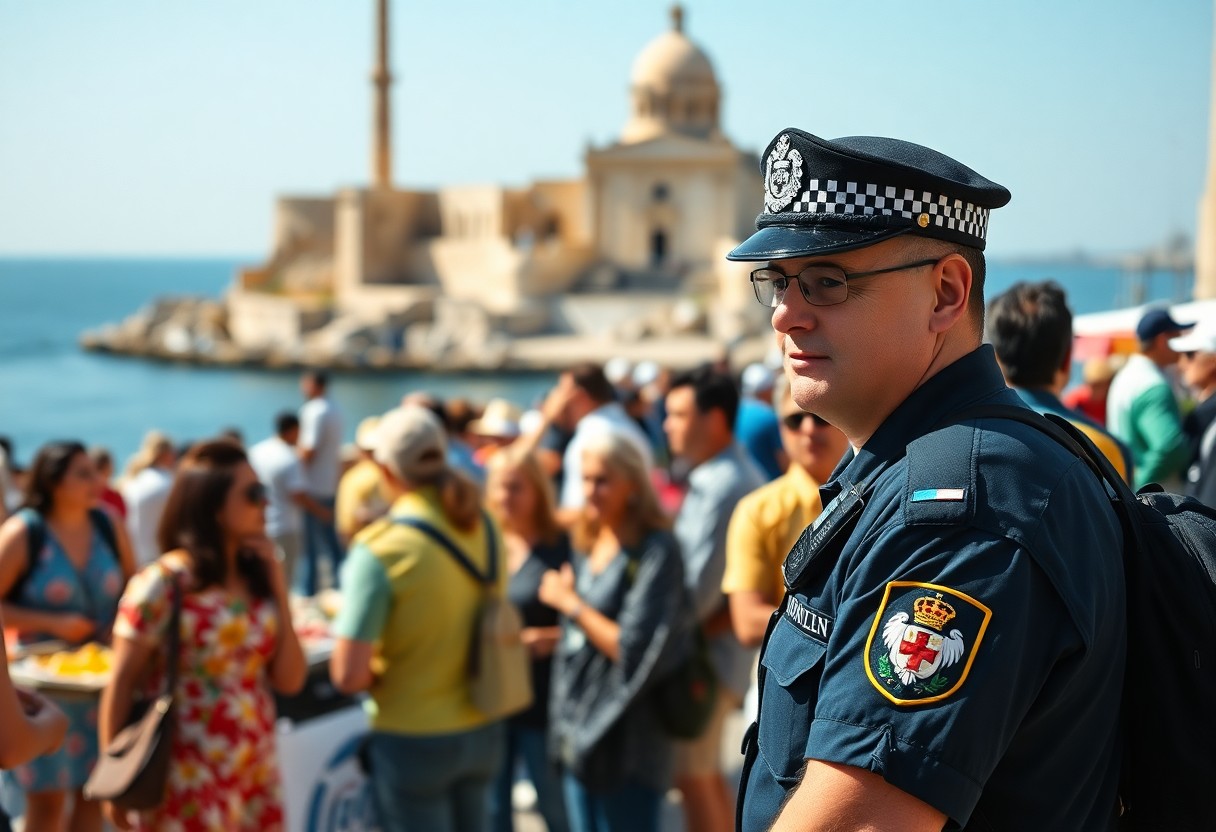
With an increasing influx of tourists to Malta, the role of the Tourist Police extends beyond mere enforcement of law and order. This specialized unit not only ensures safety and security but also plays a pivotal role in enhancing visitor experience through support and guidance. Delving deeper into their responsibilities reveals insights into how they are often the unsung heroes of Malta's vibrant tourism landscape, tackling challenges that arise while fostering a welcoming environment for visitors from around the globe.
Behind the Badge: The Role of Malta's Tourist Police
Mission and Objectives
Malta's Tourist Police operate with a focused mission to ensure a safe and enjoyable environment for all visitors. By fostering positive interactions and addressing concerns, they aim to enhance the overall tourist experience while promoting the island's reputation as a secure travel destination.
Day-to-Day Responsibilities
Each day, Malta's Tourist Police actively engage with visitors, providing assistance, guidance, and protection. Their responsibilities include patrolling popular tourist areas, responding to incidents, and offering valuable information to ensure a seamless experience for both tourists and locals alike.


















In practice, daily responsibilities encompass a range of activities. Officers might be found stationed at key tourist spots, ready to answer questions about local attractions or direct visitors to public transport. They play a vital role in crowd control during events like local festivals, ensuring that both festive energy and safety go hand in hand. Incident responses can vary, from aiding lost tourists to managing petty crime, reflecting their versatility and commitment to maintaining a welcoming atmosphere. Their visibility serves to reassure visitors, reinforcing the idea that safety and hospitality are paramount in Malta's tourism strategy.
The Face of Tourism: Interactions with Visitors
First Impressions: Welcoming Tourists
Upon arrival, tourists in Malta are often greeted by the warm and approachable presence of the Tourist Police. Their attire, marked by friendly badges and easily identifiable uniforms, signifies a commitment to safety and hospitality. These officers are strategically positioned at key arrival points, such as airports and ferry terminals, ready to guide visitors with information about local attractions, traditions, and customs. This immediate connection sets a positive tone for tourists' experiences in the islands.
Building Trust Through Engagement
Engagement goes further than just providing information; it fosters a sense of security and community among visitors. Officers frequently participate in local events, including festivals and cultural gatherings, allowing them to interact with tourists in a relaxed environment. These interactions often lead to valuable feedback, such as safety concerns or suggestions for enhancing experiences, creating a channel of open communication between the visitors and the authorities.
By hosting information sessions and workshops tailored to tourists, the Tourist Police not only disseminate vital safety tips but also demonstrate their dedication to creating a welcoming atmosphere. Engaging visitors in discussions about local laws and customs—like the importance of respecting cultural sites—ensures that guests feel informed while encouraging responsible behavior. Statistics show that areas where police actively engage with the community report lower crime rates, highlighting the effectiveness of this proactive approach not just in building trust, but in promoting a safer Malta for everyone.
The Training Regimen: Preparing for Tourist Relations
The Curriculum: Skills for the Job
The training curriculum for Malta's Tourist Police is comprehensive and tailored to address the specific needs of visitors. Recruits undergo rigorous instruction in areas such as conflict resolution, cultural sensitivity, and legal knowledge pertaining to tourism regulations. Additionally, they learn basic first aid and emergency response protocols, ensuring they can handle various situations that travelers may encounter. This multifaceted approach equips officers with not only the necessary practical skills but also the emotional intelligence required for effective communication with diverse groups.
Real-World Simulations: Learning from Experience
Real-world simulations play a pivotal role in the preparation of Tourist Police officers, allowing them to practice their skills in a controlled yet realistic environment. During these simulations, recruits are faced with scenarios ranging from dealing with lost tourists to managing large crowds at events. Officers analyze their responses and receive feedback, sharpening their decision-making and interpersonal skills under pressure.
The simulations are designed with real-life cases in mind, often drawing on past incidents encountered by the Tourist Police. For example, during one scenario, officers are tasked with handling a situation where a family reports a lost child at a popular tourist attraction. The exercise tests not only their crisis management capabilities but also emphasizes the importance of active listening and empathy. Feedback sessions feature retired officers who share their experiences, allowing recruits to learn from both successes and mistakes, which ultimately fosters a proactive and adaptable mindset important for serving the vibrant tourist community of Malta.
The Challenge of Cultural Sensitivity
Navigating Diverse Tourist Backgrounds
Malta's Tourist Police interact with visitors from various cultural backgrounds, each bringing unique traditions, manners, and expectations. Understanding these nuances is vital for effective communication and maintaining a positive image of Malta. Officers undergo training that emphasizes cultural etiquette, allowing them to empathize with the diverse needs of tourists, ranging from managing the expectations of an American family to addressing the customs of an Asian tourist group.
Bridging Language Barriers
With over 2.7 million tourists visiting Malta annually, language can often become a significant barrier for effective communication. The Tourist Police are well-equipped to handle these challenges through multilingual staff or training in basic phrases from several commonly spoken languages. This initiative enhances their ability to provide vital information and assistance to tourists who may otherwise struggle to articulate their needs.
The ability to communicate in multiple languages is not just a convenience; it can drastically alter the experience for visitors navigating a new country. By learning key phrases in French, German, Italian, and even Mandarin, Tourist Police can diffuse potentially stressful situations, such as misunderstandings regarding local laws or assistance requests. The emphasis on language training extends beyond mere vocabulary; it includes understanding regional accents and colloquialisms, equipping officers to engage more effectively with a broader range of tourists. This cultural and linguistic awareness fosters a welcoming atmosphere that reflects Malta's hospitality, encouraging repeat visits and positive reviews that are vital for the nation's tourism industry.
Crime Prevention: A Focus on Safety
Strategies for Deterring Crime in Tourist Areas
Malta's Tourist Police implement several proactive strategies to deter crime in popular tourist spots. High visibility patrols in bustling areas, such as Valletta and St. Julian's, not only enhance visitor safety but also create a sense of security. Regular awareness campaigns educate tourists on avoiding common scams and petty crimes, such as pickpocketing. Collaboration with local businesses ensures that hospitality staff are equipped to assist visitors in distress, further reinforcing a safe environment.
Collaboration with Local Law Enforcement
The synergy between Malta's Tourist Police and local law enforcement agencies enhances overall safety measures. Joint training programs ensure consistent communication on crime trends affecting tourists, enabling a swift and coordinated response. Regular meetings facilitate information sharing about specific threats, resulting in quicker deployment of resources when needed.
This collaboration manifests in tangible outcomes. For example, in 2022, the Tourist Police reported a 15% decrease in incidents involving tourists compared to the previous year, largely attributed to shared intelligence and community engagement efforts. By uniting their forces, these agencies create a comprehensive safety net, making it increasingly difficult for criminals to operate without detection, ultimately protecting the visitors that contribute significantly to Malta's economy.
Crisis Management: Responding to Emergencies
Handling Medical Incidents
When medical emergencies arise, Malta's Tourist Police act swiftly to ensure visitor safety. Officers are trained in first aid and CPR, enabling them to provide immediate assistance until professional medical help arrives. In 2022 alone, they assisted over 200 tourists in need of urgent medical care, demonstrating their proactive approach in emergency situations.
Addressing Natural Disasters
Natural disasters, such as severe storms and flooding, can disrupt tourism and pose risks to visitors. Malta's Tourist Police are equipped with response protocols designed to manage these crises effectively. They coordinate with various agencies to guide tourists to safety during such events.
During a significant storm in 2021, the Tourist Police showcased their efficiency by mobilizing resources to evacuate vulnerable areas and guiding tourists to designated safe zones. Their collaboration with local residents and emergency services provided seamless support, ensuring that visitors remained well-informed and secure. This proactive stance not only safeguarded lives but also reinforced Malta's reputation as a safe destination amidst challenging circumstances.
The Technology Factor: Tools of the Trade
Digital Resources for Real-Time Assistance
Malta's Tourist Police leverage sophisticated digital resources to ensure prompt and effective assistance to visitors. Utilizing mobile apps and GPS-enabled systems, officers can access vital information about emergencies, tourist hotspots, and crowd dynamics in real-time. These tools not only enhance response times but also allow for better resource allocation during peak tourist seasons, ensuring that help is always within reach.
Use of Social Media for Communication
Social media has become an indispensable channel for the Tourist Police to engage with the public, share vital information, and respond to queries. Platforms like Facebook and Twitter enable immediate communication and updates on local events, safety tips, and emergency protocols, attracting a younger demographic of tourists who rely heavily on digital platforms for travel information.
Through active engagement on social media, the Tourist Police not only disseminate important information but also foster a sense of community and reassurance among visitors. With thousands of followers across various platforms, officers can quickly address concerns, answer questions, and provide guidance. Initiatives such as live Q&A sessions and interactive posts have significantly increased both transparency and visitor satisfaction, demonstrating a modern approach to public safety that resonates well with today's tech-savvy traveler.
Community Relations: Working with Local Residents
Fostering Mutual Respect
Malta's Tourist Police actively engage with local residents to build a foundation of trust and mutual respect. Through open dialogues and regular community meetings, they address concerns and share insights, ensuring that the presence of law enforcement on the streets is seen as a partnership rather than an imposition. This approach not only facilitates effective communication but also helps dispel any misconceptions about the police's role in tourism hotspots.
Community Involvement Initiatives
The Tourist Police have launched several initiatives aimed at enhancing community involvement. Programs such as neighborhood watch meetings, local event participation, and educational campaigns on safety and crime prevention foster a proactive approach to tourism and community relations.
One notable initiative is the annual “Malta Safer Together” campaign, which encourages residents to collaborate with the Tourist Police on local safety measures. This program has seen impressive engagement, with over 500 residents participating in its workshops last year alone. Additionally, the Tourist Police often support local festivals and cultural events, providing security while also promoting the richness of Malta's heritage to visitors. Such involvement not only showcases a commitment to the local community but creates a more welcoming environment for tourists, transforming the often-separate realms of local life and tourist experiences into an integrated, vibrant culture.
The Other Side of Enforcement: Navigating Legalities
Understanding Local Laws Affecting Tourists
Malta's legal framework includes regulations specifically designed with tourists in mind. Familiarity with local laws, such as smoking restrictions in public spaces and the prohibition of alcohol consumption on certain beaches, can help prevent misunderstandings. The Tourist Police make efforts to educate visitors on these laws, often distributing pamphlets or hosting workshops in popular tourist areas that highlight the importance of complying with local regulations.
Balancing Enforcement with Service
Tourist Police find themselves in a delicate position where enforcement and service must coexist harmoniously. While their goal is to uphold the law, they also strive to ensure that tourists feel welcome and supported during their stay. This dual approach fosters a sense of safety without creating an adversarial atmosphere. Through community events and outreach programs, officers provide vital information on local customs, enhancing the visitor experience.
Balancing enforcement with service is not merely a matter of policy; it is an vital practice that shapes the visitor experience in Malta. For instance, during peak tourist season, officers are deployed to hotspots like Paceville, not just to deter unruly behavior but also to assist visitors looking for directions or information about local attractions. This approach encourages a positive relationship between law enforcement and tourists, transforming potential confrontations into opportunities for service and education, thereby reinforcing Malta's reputation as a friendly and welcoming destination.
Behind the Scenes: The Logistics of Tourist Police Operations
Resource Allocation and Staffing
Efficient resource allocation is vital for the functioning of Malta's Tourist Police. The team is strategically composed of 120 officers who are deployed across major tourist hotspots, ensuring a police presence that reassures visitors. Each officer is trained to handle specific tasks, with a focus on languages spoken and local areas of expertise, optimizing their effectiveness during peak seasons when visitor numbers surge.
Strategies for Effective Patrols
The Tourist Police employ a variety of strategies for efficient patrols, including time-based deployments and the use of data analytics to identify high-traffic areas. Officers conduct foot and vehicle patrols, adjusting their routes based on real-time information gathered from tourist feedback and safety audits. This dynamic approach enables quick responses to incidents and promotes a visible presence, enhancing tourists' sense of security.
Utilizing technology, the Tourist Police integrates a mobile app that allows officers to communicate seamlessly with each other, report incidents, and share valuable information quickly. Additionally, patrols are scheduled around peak tourist hours, ensuring that officers are available during the busiest times in areas demanding extra vigilance. This proactive strategy has resulted in a significant reduction in petty crime, contributing to Malta's reputation as a welcoming and secure destination.
The Personal Investment: Officer Experiences and Insights
Stories from the Field: Memorable Encounters
Officers often recount heartwarming stories that reinforce the impact of their work. One officer shared an instance where they helped a lost child find their parents during a crowded festival, leading to emotional tears of relief from both the child and their family. Such encounters highlight the daily opportunities for connection, compassion, and the satisfaction of being a reassuring presence in tourism's vibrant tapestry.
The Emotional Toll of the Job
Being part of Malta's Tourist Police can take an emotional toll on officers, as they often encounter distressing situations. Each day holds the potential for confronting tourists in crisis, grappling with various psychological stresses, or managing high-stakes incidents involving local individuals or public safety. These experiences can weigh heavily, leading to anxiety and burnout.
An officer's role entails not only upholding safety but also providing emotional support to visibly distressed individuals. Such situations can invoke feelings of helplessness when outcomes are out of their control. With limited resources to address mental health aspects effectively, the burden can accumulate over time. Many officers turn to peer support and debriefing sessions, yet the ironic challenge remains: maintaining personal well-being while dedicating themselves to the well-being of others in the fast-paced tourism environment.
The Future of Tourism Policing in Malta
Adapting to Changing Tourist Trends
As the landscape of global tourism continues to evolve, so too must the strategies of Malta's Tourist Police. A growing emphasis on sustainable tourism and immersive experiences means that officers need to stay attuned to the preferences and behaviors of a more diverse visitor demographic. This includes addressing the needs of eco-tourists, culture-seekers, and digital nomads, ensuring safety and security measures reflect their distinct requirements for a fulfilling travel experience.
Innovations in Training and Policy
Modern tourist policing in Malta is increasingly shaped by innovations in training techniques and policy adaptations. By incorporating technology and data analytics into their programs, officers are trained to respond more effectively to emergent trends and issues. For instance, the implementation of virtual reality simulations offers officers immersive experiences to practice real-world scenarios—ranging from managing crowds during large events to addressing potential security threats. Ongoing collaboration with local businesses and community organizations helps align police approaches with evolving tourist expectations, fostering a more cohesive environment for travelers.
The focus on innovations extends beyond training. Policies are being re-evaluated to embed flexibility, aiming to enhance real-time responses based on data-driven insights. For example, recent pilot programs deploy crowd management applications that can predict peak tourist influxes, allowing the Tourist Police to allocate resources more efficiently. Furthermore, partnerships with tech startups have given rise to apps enabling tourists to report issues instantaneously, promoting community engagement and enhancing the overall safety ecosystem. Such forward-thinking measures lay a strong foundation for the future, ensuring Malta remains a top-tier destination for travelers seeking both adventure and security.
Voices from the Sector: Interviews with Key Officials
Perspectives from Top Leadership
Leadership within Malta's Tourist Police emphasizes a vision rooted in collaboration and community engagement. According to Superintendent Anna Grech, the goal is not only to ensure the safety of tourists but also to reinforce the integrity of the local culture. By implementing programs tailored to educate both residents and visitors about mutual respect and cultural practices, the force aims to create a harmonious environment where tourism and local life can thrive together.
Insights from Frontline Officers
Frontline officers of Malta's Tourist Police share firsthand accounts of their interactions with the public, providing a unique perspective on the challenges they face daily. These officers, often our first line of defense during busy tourist seasons, report frequent incidents that range from lost belongings to cultural misunderstandings. Their experiences underline the importance of training not only in legal matters but also in cultural sensitivity.
One officer, Constable Marco Pace, candidly discussed the nuanced challenges encountered while patrolling the bustling streets of Valletta during peak tourist months. He highlighted an afternoon when multiple tourists struggled with language barriers, leading to confusion during a public event. Thanks to the specialized training provided by the Tourist Police, he was able to mediate effectively, offering assistance while also educating visitors on local customs. This hands-on experience not only enriched the tourists' understanding but also fostered goodwill, exemplifying the multifaceted role of the Tourist Police in promoting safety and harmony.
Summing up
From above, the role of Malta's Tourist Police extends far beyond traditional law enforcement; they serve as a vital resource for visitors, ensuring a safe and enjoyable experience. Their presence enhances the sense of security among tourists while providing crucial information and assistance. Understanding their multifaceted responsibilities highlights the importance of viewing them as more than just enforcers, but as integral contributors to the tourism ecosystem. By fostering positive interactions, the Tourist Police help shape Malta's welcoming reputation, ultimately benefiting both visitors and the local community.
FAQs
What is the main role of Malta’s Tourist Police?
The primary role of Malta’s Tourist Police is to ensure the safety, security, and comfort of visitors while enhancing the overall tourist experience.
Where can I find Tourist Police officers in Malta?
They are usually stationed at popular tourist areas, transport hubs like airports and ferry terminals, and during public events or festivals.
Do Tourist Police officers speak foreign languages?
Yes, many officers are trained in basic phrases of several major languages to assist tourists from diverse backgrounds effectively.
Can Tourist Police help with lost belongings or directions?
Absolutely. Officers regularly assist with lost property reports, provide directions, and offer general support to visitors in need.
How do the Tourist Police handle medical emergencies?
They are trained in basic first aid and CPR and respond quickly to medical incidents, assisting tourists until professional help arrives.
What kind of training do Tourist Police officers receive?
Training includes conflict resolution, cultural sensitivity, emergency response, tourism laws, and real-world simulations of tourist interactions.
Do Tourist Police help during festivals or large events?
Yes, they play a key role in crowd control and event security, ensuring safety while maintaining a welcoming atmosphere.
How do they deal with language and cultural differences?
Officers are trained in cultural etiquette and multilingual communication to better understand and assist tourists from various backgrounds.
Are the Tourist Police involved in crime prevention?
Yes, through high visibility patrols, awareness campaigns, and coordination with local law enforcement, they actively deter tourist-related crimes.
How can I contact the Tourist Police in Malta?
You can approach them in person at major tourist locations, or contact them through official social media channels and emergency services.

Anna Amstill
I am an avid Blogger and Writer with more than 6 years of experience with Content Writing. An Online Marketing expert specializing in Blog writing, Article writing, Website content, SEO specific Keyword content and much more. Education B.A. - business management, York University, Canada, Graduated 2016.
Related Posts
Year round travel in Malta
May 12, 2026
Spring Adventures In Malta
May 11, 2026
Malta Early Spring Travel Boom
May 9, 2026
Budget airlines lift Malta tourism
May 8, 2026
Spring visitors spend more in Malta
May 7, 2026
Malta airport traffic rises in spring
May 6, 2026

Malta hotel occupancy trends in spring
May 5, 2026
Malta attracts new spring travelers
May 4, 2026
Malta tourism tests power grid
May 2, 2026