Is the MGA Truly Holding Online Casinos Accountable?

Malta’s pre-Christmas season combines local food, community celebrations and cultural events across the islands. For practical planning, read our Malta travel guide and browse things to do in Malta. Check VisitMalta and Heritage Malta for current schedules. Programmes can change.
Malta’s quieter autumn attractions can offer a different perspective on historic areas, coastal settings and local communities. For practical planning, read our Malta travel guide and browse things to do in Malta. Check VisitMalta and Heritage Malta for current visitor information. Access and schedules can change.
Malta’s autumn arts scene includes music, exhibitions and local cultural programmes, although schedules and venues can change. For practical planning, read our Malta travel guide and browse things to do in Malta. Check VisitMalta and Heritage Malta for current information.










The MGA’s investigative powers should be measured against the legal authority available, the decisions published and the practical effect of enforcement. For related analysis, read our investigations coverage and consult the Malta Gaming Authority. This article separates recorded findings from wider interpretation.
Whether the MGA is holding online casinos accountable should be assessed through published decisions, supervisory practice, operator duties and the available evidence. For related analysis, read our investigations coverage and consult the Malta Gaming Authority. Conclusions must distinguish documented fact from interpretation.
With growing concerns about player protection and responsible gambling, the role of the Malta Gaming Authority (MGA) has come under scrutiny. They oversee online casinos operating within their jurisdiction, yet questions remain about the effectiveness of their regulatory measures. He or she may wonder if the MGA is doing enough to hold these platforms accountable for their practices. This blog post researchs into the MGA's regulatory framework, how it impacts online casinos, and whether it is truly fulfilling its mandate to safeguard players.
Overview of the MGA's Regulatory Framework
Before delving into the complexities of the online gaming industry, it is crucial to understand the framework established by the Malta Gaming Authority (MGA). The MGA is responsible for regulating remote gaming and ensuring compliance with industry standards, thereby promoting fair play and consumer protection. Its regulatory framework encompasses licensing, monitoring, and enforcement, which collectively aim to foster a safe gambling environment while also encouraging economic growth within the jurisdiction.
History and Establishment of the MGA
MGAs origins trace back to 2001 when it was established to regulate the rapidly evolving online gaming market in Malta. Over the years, it has adapted to technological advancements and shifting consumer behaviors, positioning itself as a leader in the global gaming industry. The MGA has played a pivotal role in setting stringent regulatory standards that enhance Malta's reputation as a safe and reliable jurisdiction for online gambling.
Key Responsibilities of the MGA
Any overview of the MGA's role highlights several key responsibilities that ensure regulatory compliance within the gaming sector. These responsibilities include issuing licenses, monitoring operators for adherence to legal requirements, and investigating complaints against gaming providers. In addition, the MGA is tasked with promoting responsible gambling practices and collaborating with international regulatory bodies to uphold ethical standards in the global gaming landscape.
It is imperative for the MGA to maintain strict oversight over licensed operators to mitigate risks associated with online gambling. This includes conducting thorough background checks during the licensing process and ongoing audits to ensure compliance with established regulations. By implementing robust measures, the MGA aims to uphold player protection, prevent fraud, and ensure that operators fulfill their obligations. Such diligence not only enhances the integrity of the online gaming market but also helps maintain public confidence in the sector as a whole.
Accountability Measures Implemented by the MGA
Some accountability measures implemented by the Malta Gaming Authority (MGA) are designed to ensure fair play and consumer protection within the online casino sector. The MGA enforces strict regulations, requiring operators to adhere to ethical standards and operational transparency, which in turn builds public trust and fosters a safe gaming environment.
Licensing and Compliance Procedures
For the MGA, licensing and compliance procedures are pivotal in maintaining industry integrity. Operators must undergo rigorous assessments, demonstrating their financial stability, commitment to responsible gaming, and adherence to strict operational guidelines to obtain and retain their license.
Monitoring and Enforcement Actions
Actions taken by the MGA include continuous monitoring of licensed operators to ensure compliance with established regulations. The authority conducts audits, reviews performance metrics, and investigates complaints to address any potential infringements promptly and efficiently.
Licensing procedures ensure that operators are subject to regular audits, allowing the MGA to verify continued compliance with laws and standards. This ongoing oversight serves as a deterrent against unethical practices in the online gaming industry. In cases of non-compliance, the MGA possesses enforcement powers, including fines, license suspension, or revocation. Such measures further reinforce the MGA's commitment to maintaining a secure and accountable online gaming environment.
Impact of MGA Regulations on Online Casinos
They provide a structured environment that ensures online casinos operate within a framework that prioritizes player safety and security. The Maltese Gaming Authority (MGA) has implemented regulations that compel casinos to adhere to rigorous standards, ultimately fostering a trustworthy online gaming atmosphere. These regulations not only maintain the integrity of gaming operations but also enhance the overall experience for players.
Consumer Protection Initiatives
Impact has been significant, as the MGA has established a variety of consumer protection initiatives aimed at safeguarding players. These measures include responsible gaming features, ensuring fair treatment, and offering support for problem gambling. By promoting these initiatives, the MGA actively works to create a gaming environment where players can enjoy their experience without the risk of exploitation or harm.
Transparency and Fair Play Standards
Play is an important component of online gambling regulations, fostering trust between players and operators. The MGA mandates regular audits and assessments of gaming platforms, ensuring that they adhere to established fairness standards. This transparency not only reinforces player confidence but also encourages casinos to operate ethically and responsibly.
Consumer trust is built on transparency and fair play standards set forth by regulatory bodies like the MGA. By enforcing strict auditing processes and requiring detailed reporting from operators, they ensure that games are fair and outcomes are random. This commitment to honesty and integrity in gaming not only protects consumers but also solidifies the MGA's reputation as a leading regulatory authority in the online gaming space, fostering a competitive market that prioritizes customer satisfaction and loyalty.
Criticisms of the MGA's Accountability Efforts
To many, the Malta Gaming Authority (MGA) has faced significant criticisms regarding its accountability efforts. Stakeholders argue that the governing body does not always adequately monitor online casinos, leading to concerns over operational transparency and player protection. This lack of stringent oversight raises questions about whether the MGA is truly fulfilling its role in ensuring the integrity of the online gaming industry.
Limitations in Regulatory Oversight
With the rapid evolution of online gaming technologies, the MGA's regulatory framework has struggled to keep pace. Stakeholders point out that as new gaming platforms emerge, the authority's existing regulations may not fully address contemporary challenges, impeding effective governance and oversight of online casinos.
Challenges in Enforcing Compliance
MGAs often grapple with enforcement challenges, as compliance mechanisms may not be consistently applied across the board. This inconsistency can lead to varying standards among licensed operators, resulting in potential risks for players and undermining overall trust in regulatory systems.
To improve compliance enforcement, the MGA must establish more robust mechanisms that ensure all licensed online casinos adhere to the highest standards of accountability and transparency. Implementing regular audits and requiring comprehensive reporting from operators can create an environment where compliance is not optional but mandatory. These steps are crucial for building trust and ensuring that online gaming continues to be a fair and safe space for players.
The Role of Technology in Monitoring Online Casinos
Unlike traditional gambling establishments, online casinos operate in a digital environment that demands innovative technological solutions for effective oversight. Regulatory bodies, such as the MGA, utilize advanced software and data analytics to track gaming activities, ensuring compliance with legal standards and responsible gaming practices. These technologies allow for real-time monitoring, enabling authorities to identify and address potential issues before they escalate, thereby fostering a safer gaming environment for players.
Innovations in Regulatory Practices
Role of technology in regulatory practices has evolved significantly, as authorities adopt sophisticated systems to enhance their oversight capabilities. These innovations encompass processes such as automated reporting, forensic data analysis, and AI-driven risk assessments, which assist regulators in scrutinizing online casino operations. By embracing technological advancements, regulatory bodies ensure that they remain adaptive and effective in promoting accountability and protecting player interests.
Future Technological Trends in Accountability
Regulatory frameworks will likely continue to integrate cutting-edge technologies to enhance accountability in online gambling. Developments such as blockchain for transparent transaction tracking and machine learning for predictive analytics are on the horizon, promising to elevate the standards of oversight. Authorities will increasingly rely on these tools to ensure online casinos maintain ethical practices, ultimately benefiting players and fostering trust in the gaming industry.
Monitoring the landscape of online casinos is pivotal as technologies continue to advance. With the potential for blockchain and AI systems to revolutionize the way transactions are recorded and analyzed, she predicts that future accountability measures will be more transparent and efficient. By implementing such technologies, regulatory bodies can gain deeper insights into gaming behaviors and ensure compliance, reinforcing trust between players and operators. As the sector evolves, these innovations are likely to play a critical role in shaping a more secure and responsible online gambling environment.
Comparison with Other Regulatory Bodies
All gaming regulators aim to ensure fairness and security in online gambling; however, their approaches and effectiveness can vary significantly.
| Regulatory Body | Key Features |
|---|---|
| MGA | Focuses on player protection, transparency, and financial security; strict licensing requirements. |
| UKGC | Strong emphasis on responsible gambling and consumer protection, enforcing strict penalties for non-compliance. |
| AGCO | Regulates online gaming in Ontario, prioritizing integrity and innovation within the market. |
MGA vs. Other Major Licensing Authorities
On comparing the MGA with other regulatory bodies such as the UK Gambling Commission and the Alcohol and Gaming Commission of Ontario, it becomes evident that each body has its unique strengths. While the MGA focuses heavily on stringent licensing and guidelines for online casinos, the UKGC emphasizes responsible gambling practices, incorporating robust consumer protection measures. Conversely, AGCO balances innovation with integrity, catering specifically to a digital gaming environment.
Best Practices and Lessons Learned
Practices from various regulatory frameworks can be consolidated for enhancing accountability in online gaming. Observing standard regulations, transparency in licensing, and inclusivity in player protection are imperative for fostering trust with players. Incorporating detailed reviews of operational performance can further ensure that online casinos adhere to their commitments.
For instance, regulatory bodies can adopt a collaborative framework, sharing methodologies for compliance audits and regular assessments of licensed operators. By analyzing successful frameworks from the UKGC or AGCO, the MGA can implement richer consumer protection policies, ultimately elevating standards for online casinos. This exchange of best practices not only promotes accountability but also cultivates a responsible gambling environment that benefits all stakeholders involved.
To wrap up
With this in mind, it becomes evident that the MGA's effectiveness in holding online casinos accountable is a multifaceted issue. While they have established regulations and oversight mechanisms aimed at protecting players, there are ongoing challenges, including enforcement and adaptability to technological advancements. He, she, and they recognize that continuous scrutiny and evolution of these standards are necessary to ensure that the integrity of the gaming environment is maintained, fostering trust among players and the industry alike.

Michael Schmitt
Michael Schmitt is the founder of TRIDER.UK and Editor of Malta Media. He writes about iGaming, gambling regulation, corporate structures, financial services and market integrity, combining investigative journalism with nearly three decades of experience in corporate services and international business.
Related Posts

Ms Wittmann celebrates Berlin ruling despite MGA hacking findings
October 12, 2026
Vyking integrates Xtremepush CRM tools for global iGaming operators
September 23, 2026
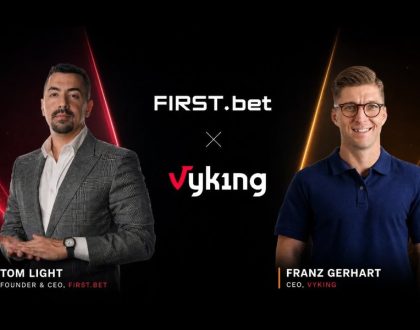
Vyking builds its own sportsbook on FIRST.bet’s SportOS
September 21, 2026