

















The Challenges of Real-Time Monitoring in Casino Platforms?
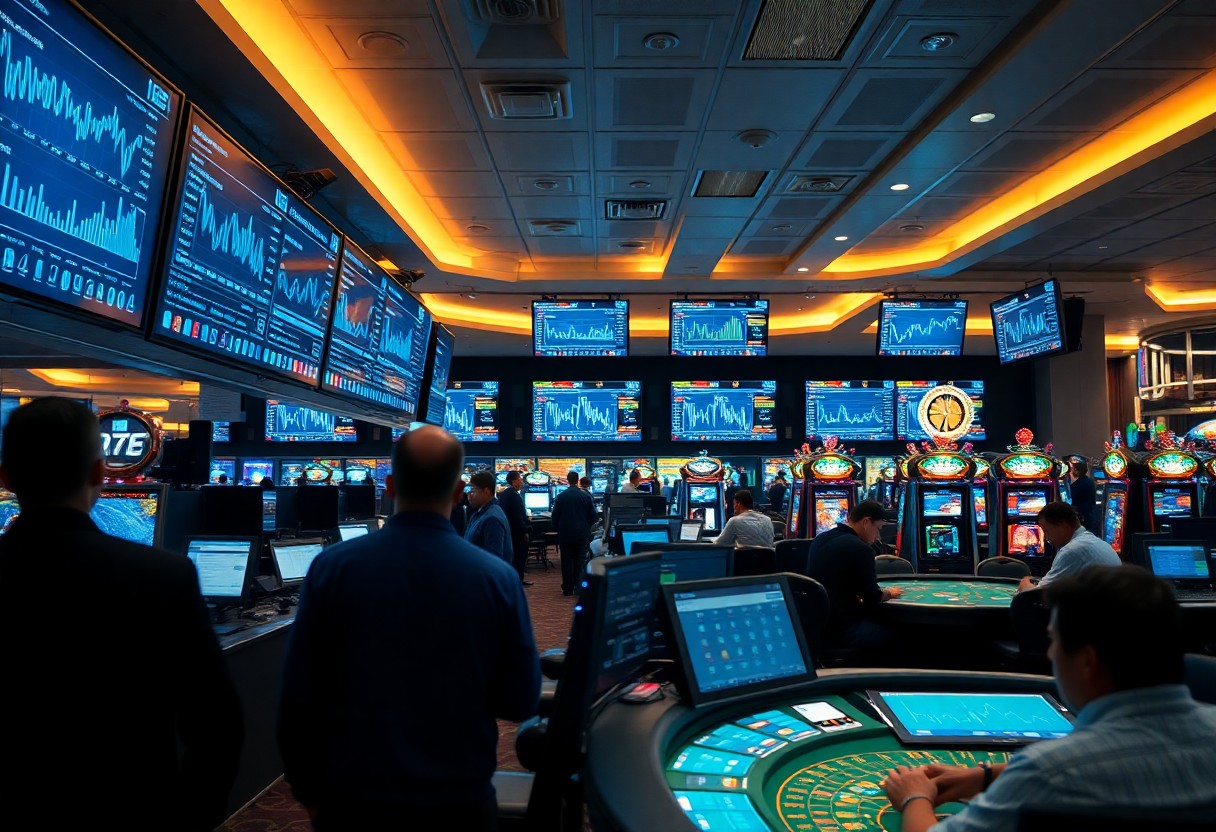
Monitoring the intricate operations of casino platforms in real-time presents a host of challenges that impact player experience and regulatory compliance. As the online gaming industry continues to evolve, ensuring accurate tracking of transactions, detecting fraudulent activities, and maintaining operational integrity become increasingly complex. This post will explore the technological hurdles, regulatory requirements, and resource allocations that casino operators face in implementing effective real-time monitoring systems.
Key Takeaways:
- Real-time monitoring requires robust technology infrastructure to handle large volumes of data and ensure rapid processing.
- Ensuring data security and compliance with regulatory standards remains a significant challenge for casino platforms.
- User privacy must be balanced with the necessity of real-time surveillance for fraud detection and prevention.
Understanding Real-Time Monitoring
Definition and Importance
Real-time monitoring in casinos refers to the continuous surveillance and analysis of activities, transactions, and gameplay as they happen. This practice is crucial for identifying fraud, ensuring regulatory compliance, and enhancing player safety, ultimately protecting the casino's reputation and financial integrity.
Key Components of Real-Time Monitoring in Casinos
The key components of real-time monitoring in casinos include data collection systems, analytics engines, alert mechanisms, and reporting tools. These elements work synergistically to provide comprehensive oversight of operations, enabling operators to react promptly to any anomalies.










Data collection systems gather extensive information from various sources such as slot machines, table games, and online platforms. Analytics engines process this data in real-time, identifying trends and irregularities that could indicate issues like suspicious betting patterns or potential addiction behaviors. Alert mechanisms inform staff immediately about critical situations, facilitating rapid response. Reporting tools compile findings for ongoing evaluation, ensuring that management can make informed decisions and adhere to compliance requirements.
Technologies Used in Monitoring Systems
Monitoring systems in casinos utilize advanced technologies such as Artificial Intelligence (AI), machine learning algorithms, and video analytics to facilitate effective oversight. These technologies enhance the capability to detect and predict irregularities.
AI and machine learning play significant roles by analyzing vast datasets to identify patterns that may not be evident through traditional methods. Video analytics, again, allows for the analysis of surveillance footage in real-time, helping identify player behavior that could flag cheating or other criminal activities. Integration of these technologies fosters a proactive approach to risk management, ensuring that casinos maintain high standards of operational integrity.
Regulatory Challenges
Compliance with Gaming Regulations
Casino platforms must adhere to a wide array of gaming regulations, which are frequently updated to reflect industry changes. Non-compliance can lead to severe penalties, including fines or loss of operating licenses. This necessitates continuous monitoring to ensure that all practices align with local and international regulations, complicating real-time monitoring efforts.
Data Privacy Concerns
Data privacy emerges as a significant hurdle in real-time monitoring, as casinos collect vast amounts of sensitive player information. Stakeholders must navigate complex laws such as GDPR and CCPA, which impose strict requirements on data handling practices. The risk of data breaches amplifies this concern, heightening the need for robust security measures.
With the rise of stringent privacy regulations, casinos face the daunting task of ensuring player data remains secure while complying with legal requirements. Violations can result in not only hefty fines but also damage to reputation. Effective encryption and anonymization practices must be implemented to protect sensitive data against unauthorized access, making the management of real-time monitoring systems increasingly complex.
Cross-Jurisdictional Issues
Operating across multiple jurisdictions introduces significant challenges for real-time monitoring. Different regions may have varying regulations regarding gaming operations, data collection, and player protection. Navigating these discrepancies can lead to compliance issues and operational risks if not properly addressed.
The complexity of cross-jurisdictional issues is exemplified by the diverse regulatory landscapes in states like New Jersey and Nevada. Casinos must ensure that their monitoring systems account for local laws while maintaining consistent operational standards. Failure to adapt to these regulatory variances can result in significant financial and legal repercussions, emphasizing the need for agile compliance strategies to facilitate real-time monitoring across diverse markets.
Technological Challenges
Integration of Legacy Systems
Integrating legacy systems with modern real-time monitoring solutions presents significant hurdles. Many casinos operate with outdated systems that lack compatibility with newer technology, making seamless data exchange nearly impossible. This fragmentation can lead to gaps in data visibility, slowing down response times and limiting the effectiveness of monitoring efforts.
Data Accuracy and Reliability
Ensuring data accuracy and reliability poses a major challenge in real-time monitoring. Inaccurate data can stem from faulty sensors, communication issues, or manual entry errors, leading to flawed analytics and decision-making. Such discrepancies can adversely affect operational efficiency and regulatory compliance.
Data accuracy is vital for real-time monitoring systems; inaccurate information can lead to significant financial losses or compliance violations. For example, a miscalculation in player transactions may generate false alarms that prompt unnecessary investigations or, conversely, miss critical detections of fraudulent activities. Continuous data validation processes and robust error-checking algorithms are crucial to enhance the overall reliability of monitoring systems.
Cybersecurity Threats
Cybersecurity threats are a pressing concern for casinos implementing real-time monitoring systems. Given the sensitive nature of financial data and personal information, casinos are frequent targets for cyberattacks. Any breach can not only compromise data integrity but also damage the casino's reputation and consumer trust.
Cybersecurity threats are ever-evolving, with techniques like ransomware attacks and data breaches becoming more sophisticated. For instance, if a casino's monitoring system is compromised, hackers could manipulate data to conduct fraudulent transactions or disrupt operations. As a result, continuous monitoring of security measures and regular updates to protocols must be prioritized to combat these persistent threats effectively.
Operational Challenges
Resource Allocation and Staffing
Efficient resource allocation and staffing pose significant operational hurdles for casino platforms. Balancing the workload among teams tasked with monitoring systems can lead to either understaffing or overstaffing, impacting operational costs. Many casinos are now turning to data-driven software tools to help optimize staffing levels based on real-time activity spikes, ensuring that adequate personnel are available during peak periods without incurring unnecessary labor costs.
Training and Development of Personnel
Ongoing training and development of staff are vital for maximizing the effectiveness of real-time monitoring systems. Employees must be adept at interpreting data quickly and accurately, as mistakes can have immediate financial repercussions. To address this, casinos are conducting regular workshops that emphasize the importance of data literacy and system navigation.
The integration of hands-on training with simulated monitoring scenarios enhances employee confidence and competence. Additionally, establishing mentorship programs allows experienced staff to guide newer personnel, ensuring that knowledge transfer occurs effectively. As technology evolves, access to continuing education through online platforms has become crucial to keep personnel updated on best practices and new tools, fostering a culture of continuous improvement within the organization.
Management of Real-Time Data
Managing the inflow of real-time data represents a significant challenge for casino platforms. The sheer volume of transactions occurring concurrently requires systems that can not only process but also analyze information instantaneously to detect anomalies or trends. This demands sophisticated data management tools that can filter out noise and highlight actionable insights without overwhelming staff.
Implementing advanced analytics software enables casinos to sift through massive datasets, transforming raw data into strategic insights. Automated reporting systems provide teams with succinct summaries that aid in swift decision-making. Furthermore, ensuring data integrity is paramount; discrepancies or delays can lead to severe operational setbacks or compliance violations. Consequently, investing in robust cybersecurity measures and regular data audits has become vital part of managing this data influx effectively.
User Experience Considerations
Impact on Player Engagement
Real-time monitoring significantly influences player engagement by providing immediate feedback and enhancing interactivity. Features like live alerts about game status or personalized rewards based on player behavior can create a more immersive experience, keeping players invested for longer periods.
Transparency vs. Privacy
Striking the right balance between transparency and privacy remains a pivotal issue. Players desire insight into how their data is used, yet maintaining their privacy is equally important to foster trust and security within the platform.
For instance, while detailed transparency policies inform players about data usage, overly intrusive monitoring can deter users who fear for their privacy. Casinos must craft policies that respect player data while still providing insight into operational practices, cultivating a sense of security without compromising user confidence. This dual approach fosters a trustworthy environment for engagement.
Balancing Security with Customer Experience
Security measures need to be rigorous without detracting from the overall player experience. Implementing stringent authentication processes like biometrics can enhance safety, but overly complex procedures may frustrate users and lead to abandoned sessions.
To achieve an optimal balance, casinos can streamline security protocols by integrating seamless authentication technologies while ensuring players feel secure. For example, using single sign-on features or employing behavioral analytics can reduce friction while still monitoring for potentially harmful activities. This method enhances the player experience by allowing for smooth navigation while instilling confidence in the platform's security measures.
Future Trends in Real-Time Monitoring
The Role of Artificial Intelligence
Artificial intelligence is set to revolutionize real-time monitoring in casino platforms by enabling predictive analytics and automated decision-making. By analyzing player behavior patterns and game data, AI can help identify potential issues, optimize game offerings, and enhance player engagement, ultimately leading to improved customer satisfaction and loyalty.
Advancements in Data Analytics
Data analytics continues to evolve, introducing sophisticated techniques that enhance real-time monitoring effectiveness. With the rise of machine learning algorithms, casinos can derive actionable insights from massive datasets at unprecedented speeds.
The application of advanced data analytics allows casinos to segment players more accurately, predict gaming preferences, and respond to emerging trends. For instance, real-time dashboards that leverage data visualization enable operators to monitor key performance indicators instantly, leading to quicker interventions and strategic adjustments. Furthermore, predictive modeling helps in identifying high-risk behavior, thereby informing responsible gaming initiatives.
Emerging Technologies in Casino Platforms
Emerging technologies such as blockchain, IoT, and augmented reality are shaping the future landscape of casino platforms, enhancing the capabilities of real-time monitoring systems. These technologies facilitate improved transparency, security, and user experience.
Blockchain technology can provide an immutable ledger for every game transaction, enhancing trust among players while allowing real-time auditing of operations. The Internet of Things (IoT) enables interconnected devices across the casino, from slot machines to security cameras, to share data instantaneously, while augmented reality can offer interactive gaming experiences that require constant monitoring. Together, these innovations not only elevate player engagement but also enhance operational efficiency and monitoring accuracy.
Final Words
Upon reflecting, the challenges of real-time monitoring in casino platforms are multifaceted, encompassing technological, regulatory, and operational complexities. Ensuring data integrity and system reliability remains paramount, while navigating compliance with evolving legal frameworks adds another layer of difficulty. Additionally, the need for sophisticated analytics to detect suspicious activities complicates monitoring efforts. Ultimately, addressing these challenges is crucial for enhancing player safety and maintaining the integrity of the gaming environment, thus fostering trust among stakeholders in a highly competitive industry.
FAQ
Q: What are the primary challenges faced in real-time monitoring of casino platforms?
A: The primary challenges include data overload, ensuring data accuracy, maintaining system performance, integrating diverse data sources, and adapting to regulatory changes.
Q: How does data overload affect real-time monitoring in casinos?
A: Data overload can lead to slower decision-making, increased processing times, and difficulties in identifying critical incidents amidst the volume of information generated by various gaming activities.
Q: What steps can be taken to ensure data accuracy during monitoring?
A: Implementing robust data validation processes, utilizing advanced analytics tools, conducting regular audits, and employing machine learning algorithms can help maintain high data accuracy.
Q: How can performance of monitoring systems be optimized?
A: Optimizing performance can be achieved by upgrading hardware, utilizing caching mechanisms, implementing load balancing, and regularly reviewing system architecture for efficiency enhancements.
Q: What role do regulatory changes play in the challenges of monitoring casino platforms?
A: Regulatory changes can complicate monitoring efforts by requiring updates to compliance protocols, necessitating changes in data handling practices, and increasing the need for transparency in reporting activities.

Ash
I like to keep it short. I am a writer who also knows how to rhyme his lines. I can write articles, edit them and also carve out some poetic lines from my mind. Education B.A. - English, Delhi University, India, Graduated 2017.
Related Posts


Scalara Labs launches casino platform with AI and no-code operator control
September 30, 2026

ThrillTech launches ThrillArena as a player-funded tournament platform
September 28, 2026

DeGaming unveils new identity built around transparent iGaming systems
September 25, 2026

Fast Track launches native Fast Track AI app for iPhone business users
September 25, 2026
EveryMatrix powers Danske Licens Spil casino platform launch in Denmark
September 25, 2026

GR8_TECH rebuilds frontend architecture for faster iGaming performance
September 24, 2026