


Dark patterns in casino UX and how to remove them

This post explores the prevalence of dark patterns within casino user experiences, highlighting deceptive design choices that manipulate player behavior. Understanding these tactics is vital for fostering a fair and transparent gaming environment. We will identify common dark patterns found in casinos and provide actionable strategies to eliminate them, ensuring a user-centric approach that enhances player satisfaction and trust. By addressing these design flaws, casinos can not only comply with ethical standards but also build long-lasting relationships with their players.
Key Takeaways:
- Identify and eliminate deceptive practices that manipulate user behavior, such as forced clicks or misleading information.
- Implement clear and transparent design choices that empower users to make informed decisions without coercion.
- Enhance user experience by incorporating ethical UX principles and prioritizing customer welfare and accessibility.
Understanding Dark Patterns in Casino UX
Definition of Dark Patterns
Dark patterns refer to user interface design strategies that manipulate users into making decisions that benefit the business, often at the expense of their own interests. These deceptive techniques exploit cognitive biases, making it challenging for users to navigate choices transparently and ethically.
Common Types of Dark Patterns in Casino Design
Casino designs often incorporate various dark patterns that mislead users. Examples include disguised ads, forced continuity, and hidden fees, which can trap players in unintentional commitments. These tactics impact player decisions, leading to increased spending without proper awareness.










| Type of Dark Pattern | Description |
|---|---|
| Disguised Ads | Advertisements that appear as part of game content. |
| Forced Continuity | Subscription renewals that are difficult to cancel. |
| Hidden Fees | Additional charges not clearly disclosed upfront. |
| Obscured Information | Key details buried in fine print. |
| Sneaking Opt-ins | Automatically enrolling users in promotional lists. |
Understanding these common patterns is necessary for recognizing how they affect users. Their implementation can create a seemingly enjoyable experience while leading to negative outcomes for unaware players. Such tactics are designed to enhance revenue through manipulation rather than merit.
- Awareness of these patterns can help in identifying unhealthy design practices.
| Type of Dark Pattern | Potential Impact |
|---|---|
| Disguised Ads | Increases user spending on unwanted content. |
| Forced Continuity | Resulting in excessive subscription fees without prior consent. |
| Hidden Fees | Leading to financial strain on players unaware of extra costs. |
| Obscured Information | Players make uninformed decisions due to lack of clarity. |
| Sneaking Opt-ins | Players receive unwanted communications post-engagement. |
Identifying Dark Patterns
How to Recognize Deceptive Design Elements
Deceptive design elements often disguise critical information or mislead users into actions they didn't intend. Look for vague language, overloaded options, or hidden fee disclosures just before checkout. Common tactics include making opt-out processes overly complicated or presenting misleading visuals that suggest a favorable outcome. These tactics create an environment where users might unknowingly agree to unfavorable terms or conditions.
Tips for Users: Spotting Manipulative Practices
To identify manipulative practices, users should be vigilant and cautious while navigating casino platforms. Check for the clarity of information, especially around bonuses and terms. Observe whether options are presented plainly or hidden within confusing interfaces. Suspicious offers that appear too good to be true often signal dark patterns. Users should approach promotions and sign-up incentives with skepticism and always double-check the fine print.
- Pay attention to offers that require immediate action.
- Look for clarity in terms and conditions.
- Observe for pressure tactics such as countdown timers.
- Assess if options to withdraw or unsubscribe are obscured.
Recognizing these techniques helps users safeguard their interests. Being informed about these common tactics empowers users to make better decisions and avoid unintentional pitfalls in their gambling experience.
Factors Contributing to Dark Patterns in Casino UX
Various factors contribute to the prevalence of dark patterns in casino UX, including competition and profit-driven motives. Designers may resort to manipulative tactics to increase user engagement or retention, often prioritizing business goals over user welfare. Furthermore, the fast-paced nature of online gambling can lead to shortcuts in ethical design, allowing dark patterns to emerge more readily.
- The pressure of market competition encourages aggressive marketing tactics.
- Short-term revenue strategies often overshadow long-term user satisfaction.
- Understanding user psychology can lead to exploitative design decisions.
- Lack of regulation in some jurisdictions permits deceptive practices.
Recognizing these influencing factors can help stakeholders develop ethical design standards. By understanding the motivations behind the use of dark patterns, regulators, designers, and users alike can push for more transparent, user-friendly casino experiences.
Impact of Dark Patterns on Users
Psychological Effects on Players
Dark patterns significantly manipulate players' emotions, creating a sense of urgency or fear of missing out. These tactics exploit cognitive biases, leading players to make impulsive decisions. For instance, countdown timers can pressure players to gamble more quickly than they would normally, leading to an altered perception of risk and reward.
Financial Consequences of Manipulative Design
The financial implications of dark patterns are profound, with players often losing more than they anticipate. Hidden fees, misleading advertisements, and deceptive withdrawal processes can lead to unexpected financial burdens, pushing users further into detrimental spending habits.
Research indicates that 30% of players have reported spending significantly more than intended due to manipulative design tactics. These include practices like auto-play features and complex terms hidden in fine print, converting leisure into a financial trap. Over time, the cumulative effect can lead to heavy financial losses, negatively impacting the player's overall welfare and financial stability.
Ethical Considerations in Casino UX Design
Designing ethical user experiences should prioritize player welfare over profit maximization. The incorporation of transparency, informed consent, and user control is paramount, ensuring that users are not subjected to predatory practices. Ethical design also fosters a positive relationship between casinos and players, increasing long-term loyalty.
Ethical considerations extend beyond legality; they encompass social responsibility. For instance, casinos that prioritize player well-being and transparency not only comply with regulations but also cultivate trust and loyalty. Effective ethical design practices can lead to sustainable business models that benefit both players and operators, promoting a healthier gambling environment.
How to Remove Dark Patterns
Strategies for Ethical UX Design
Implementing ethical UX design involves prioritizing transparency and user empowerment. This can include clear communication regarding terms and conditions, offering easy access to user support, and promoting responsible gambling practices. A user-centric approach not only fosters trust but can enhance long-term player engagement.
Steps for Identifying and Removing Dark Patterns
Start by auditing your existing user interface for manipulative design features. Gather user feedback to identify pain points and areas where users feel misled. Analyzing user behavior and conversion rates can also highlight elements that may be contributing to negative experiences.
Engaging in this process requires collaboration with UX designers, user researchers, and product managers. Create a checklist of common dark patterns, such as hidden fees or pressure tactics, to systematically review every section of the casino experience. Usability testing with real users can reveal insights into their interaction patterns, enabling clear identification of problematic areas.
Best Practices for a User-Centric Casino Experience
Adopting best practices for a user-centric experience means integrating user feedback loops and facilitating a seamless, honest gaming environment. Ensure that users can easily navigate the platform without encountering unnecessary hurdles or deceptive designs.
This includes designing interfaces that guide users naturally while clearly indicating their choices and resulting actions. For instance, offering a straightforward account management system with transparent withdrawal policies fosters a positive relationship between players and the casino platform, encouraging loyalty while adhering to ethical standards. Regular user testing should refine these practices, tailoring the user experience further based on evaluated feedback.
Tips for Casinos to Avoid Dark Patterns
- Enhancing Transparency in Design
- Creating Intuitive User Journeys
- Encouraging Responsible Gambling Practices
Recognizing the need for ethical design can lead to a stronger, more trustworthy relationship between casinos and players.
Enhancing Transparency in Design
Casinos should focus on clear and concise communication about terms, conditions, and associated costs. Providing players with easily accessible information regarding game odds, withdrawal limits, and potential risks can foster trust and accountability. Visual design elements such as tooltips and straightforward language can further enhance understanding without overwhelming the user.
Creating Intuitive User Journeys
Streamlining the user experience ensures players can navigate the site with ease. A logical flow from account creation to gameplay minimizes frustration while maximizing engagement. Consistent placement of key features such as deposit, withdrawal, and support options guides users naturally through the experience.
Creating intuitive user journeys involves mapping out every interaction a player has with the casino platform. User feedback can be instrumental in identifying pain points and areas for improvement. This iterative process allows casinos to refine user pathways, ensuring that players find what they need quickly and efficiently, ultimately enhancing their overall experience.
Encouraging Responsible Gambling Practices
Casinos must implement features that promote responsible gambling, such as deposit limits, self-exclusion options, and access to educational resources. Incorporating these elements within the user interface can help players make informed decisions about their gambling habits.
Encouraging responsible gambling practices not only protects users but also fortifies the casino's reputation. By proactively offering tools and resources dedicated to responsible gambling, casinos can demonstrate their commitment to player welfare. Educational campaigns, combined with easy access to support services, reinforce a culture of accountability and safety within the gaming environment.
Tools and Resources for Ethical UX Design
Software for Testing User Experience
Various tools are available for testing user experience effectively, such as usability testing platforms like UserTesting and Hotjar. These applications provide insights into user behavior, allowing designers to identify pain points and understand interaction patterns. By leveraging A/B testing tools like Optimizely or Google Optimize, designers can assess the impact of changes on user satisfaction and engagement.
Guidelines for Ethical Design in Gambling
Implementing guidelines for ethical design in gambling involves adhering to established principles ensuring responsible gaming practices. The National Council on Problem Gambling emphasizes creating user-friendly environments that promote informed decision-making and minimize risks. Compliance with these guidelines not only enhances player trust but also fosters long-term engagement.
Communities and Forums for UX Best Practices
Engaging in communities and forums dedicated to UX best practices can greatly enhance knowledge and collaboration among designers. Platforms like UX Stack Exchange and Reddit's r/userexperience offer a wealth of resources, discussions, and real-world insights from professionals who share similar goals of promoting ethical design.
These communities provide a platform to exchange ideas, seek feedback, and learn from industry leaders. Participating in discussions about ethical considerations and sharing case studies can elevate standards within the UX community, fostering a culture of responsibility and user-centric design. Utilizing these resources can help designers stay informed about the latest trends and methodologies in ethical UX practices.
Conclusion
Following this analysis of dark patterns in casino user experience, it is evident that these deceptive practices undermine user trust and promote unhealthy behaviors. To remove them, developers must prioritize transparency, implement ethical design principles, and ensure that user consent is explicit and informed. By fostering a fair and responsible gaming environment, casinos can enhance user satisfaction and loyalty while contributing to a more sustainable industry. Understanding and addressing these issues will ultimately lead to a better experience for all players.
FAQ
Q: What are dark patterns in casino UX?
A: Dark patterns are design techniques that manipulate users into taking actions they may not have intended, such as overspending or signing up for unwanted notifications. In casino UX, these can include misleading buttons, hidden fees, and deceptive promotions.
Q: How can dark patterns negatively impact users in online casinos?
A: They can lead to impulse gambling, increased spending, and a negative user experience. Users may feel tricked or frustrated, which can affect their trust in the casino platform and lead to potential gambling addiction.
Q: What are effective strategies to remove dark patterns from casino UX?
A: Effective strategies include simplifying user interfaces, ensuring transparency in promotions, providing clear information about costs, and allowing users to easily opt-in or opt-out of services without hidden obstacles.
Q: How can user feedback help in identifying dark patterns in casino UX?
A: User feedback can highlight areas where users feel confused or manipulated. By conducting surveys or usability tests, casino operators can identify specific design elements that contribute to negative experiences and address them accordingly.
Q: What role does regulation play in combating dark patterns in online casinos?
A: Regulation can set standards for fair and transparent practices in online gambling. Compliance with these regulations can help ensure that casino operators avoid dark patterns and promote a safer gambling environment for users.

Anna Amstill
I am an avid Blogger and Writer with more than 6 years of experience with Content Writing. An Online Marketing expert specializing in Blog writing, Article writing, Website content, SEO specific Keyword content and much more. Education B.A. - business management, York University, Canada, Graduated 2016.
Related Posts
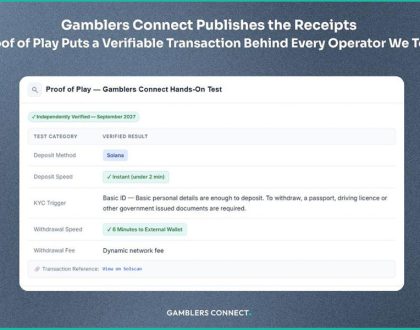
Gamblers Connect launches Proof of Play for transparent operator reviews
September 21, 2026

Ygam reports stronger impact as youth gambling harm prevention expands
September 14, 2026


Kongebonus launches complaints centre for Norway’s online casino players
September 8, 2026


Sweden launches gambling harm inquiry focused on children and young men
September 5, 2026

Mindway AI partners with Gaming1 to advance responsible gambling in NL
September 3, 2026