













Secrets of Malta’s Ancient Stone Temples
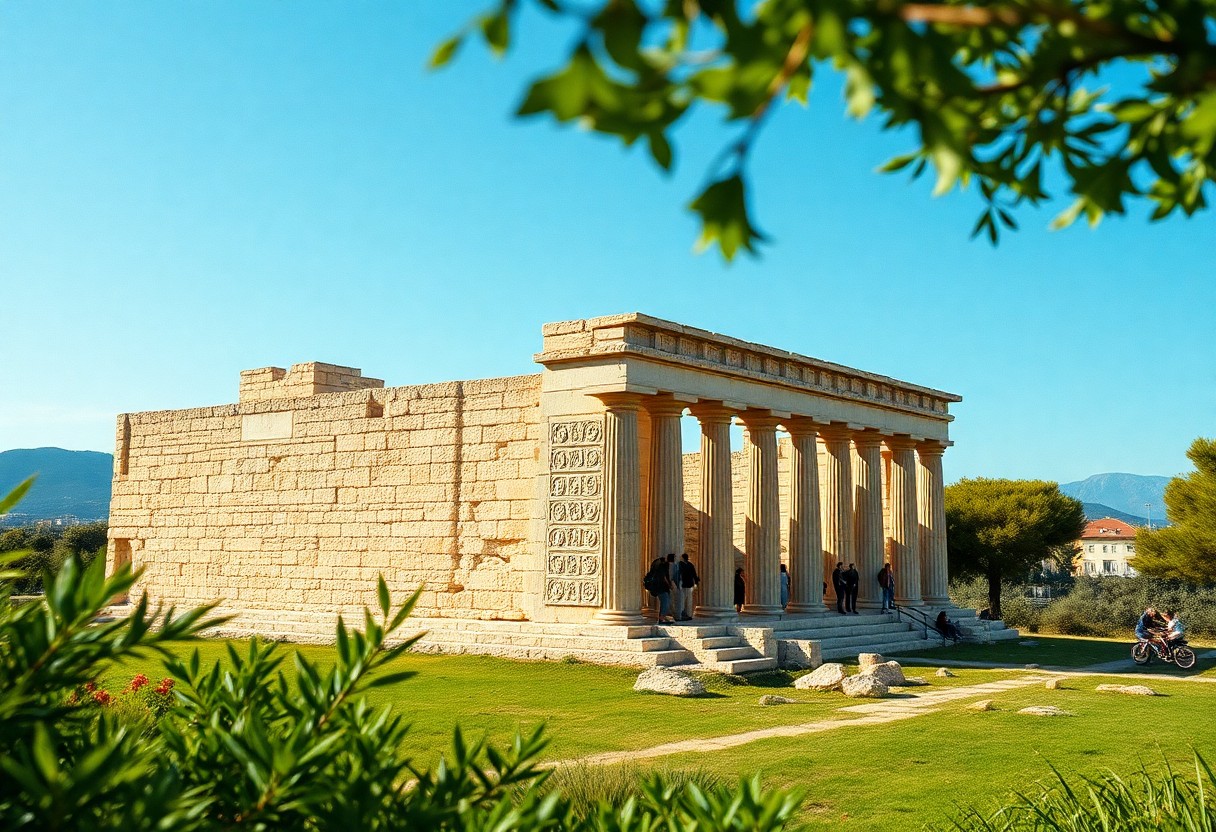
There's a wealth of history hidden within the ancient stones of Malta's temples, often overlooked by mainstream tour narratives. While guides provide engaging insights into their architecture and significance, they frequently omit fascinating details about their construction, cultural context, and lesser-known theories. In this post, we'll explore into the mysteries surrounding these monumental structures, exploring what makes them unique and the stories that remain untold. Prepare to discover a richer understanding of Malta's prehistoric heritage beyond the typical tourist information.
Unveiling the Age of Malta's Temples
The Fascinating Timeline of Construction
Dating back to between 3600 and 2500 BCE, Malta's temples reflect a remarkable timeline of human ingenuity and architectural prowess during the Neolithic period. These megalithic structures evolved dramatically over the centuries, with the earliest temples like Ġgantija in Gozo showcasing primitive but remarkable design. As time progressed, distinct architectural styles emerged, culminating in the intricate carvings and sophisticated layouts seen in temples such as Hagar Qim and Mnajdra. This timeline offers a direct glimpse into the significant developments in spirituality and societal organization across Malta's vibrant prehistoric communities.
Who Were the Creators? Insights into Neolithic Society
The creators of Malta's temples remain shrouded in mystery, but evidence suggests they were part of a highly organized society that thrived in the Neolithic Age. Archaeological findings indicate that these ancient inhabitants relied on agriculture, animal husbandry, and advanced craftsmanship. Artifacts such as pottery, tools, and figurines not only provide insight into their daily lives but also reveal their deep spiritual beliefs, as the temples often served as sites for rituals and communal gatherings.


















The society that constructed these temples was likely matrifocal, with a strong emphasis on fertility and goddess worship. Statues depicting exaggerated feminine features highlight a reverence for fertility, which signifies the community's understanding of life cycles and agricultural success. Furthermore, their ability to transport massive limestone blocks without modern technology speaks volumes about their collective efforts, social cohesion, and advanced knowledge of architectural engineering. The enigma of Malta's temple builders remains a captivating aspect, as their legacy continues to intrigue historians and archaeologists alike.
The Architectural Wonders of Temples
Innovative Design Features Hidden in Plain Sight
Among the captivating aspects of Malta's temples are the subtle yet innovative design features that might go unnoticed during a guided tour. For instance, the alignment of certain temples with celestial events showcases an advanced understanding of astronomy by ancient builders. Structurally, the use of corbelled arches and intricate stonework reflects a craftsmanship that hints at sophisticated engineering techniques far ahead of their time. Visitors might miss these details amidst the grandeur, but they reveal a level of ingenuity that is simply awe-inspiring.
The Role of Natural Elements in Temple Construction
Natural elements played a foundational role in the construction of Malta's temples, directly influencing their design and orientation. Builders strategically incorporated locally sourced limestone, known for its durability and malleability, which allowed for intricate carvings and elaborate facades. Temples like Hagar Qim and Mnajdra are positioned to interact with the landscape, as their entrances align perfectly with the sunrise and sunset on equinoxes, highlighting a deep reverence for nature's cycles.
The harmonious integration of the natural landscape into temple architecture is evident at sites such as the Tarxien Temples, where large stones were carefully selected and shaped to complement the surrounding environment. This not only enhanced the aesthetic appeal but also imbued the structures with an energy that ancient inhabitants likely believed connected them to the earth. Such considerations exemplify a relationship between the sacred space and its natural surroundings, emphasizing the significance of Earthly elements in ancient Maltese culture. Each temple serves as a physical testament to how closely they observed and respected the natural world, offering visitors an enriched experience when exploring these historic sites.
Hidden Symbols and Their Meanings
Decoding the Mysterious Carvings
Throughout the temple complex, intricate carvings whisper stories of a bygone era. Symbols such as spirals, concentric circles, and animal figures are woven into the very fabric of the stone walls. Each carving invites exploration, hinting at a deeper understanding of the prehistoric society that created them. By studying these motifs, researchers have begun to glean insights into the spiritual and ritualistic practices of the time, suggesting that these artworks served not just decorative purposes but also spiritual significance.
Religious Significance Behind Common Motifs
The recurring themes found within Malta's temples often point to a rich tapestry of beliefs that reflect the island's ancient spirituality. Symbols such as the spiral are interpreted as representations of life's cyclical nature, while others denote fertility and maternal figures, possibly indicating a form of goddess worship. Temples like those at Ggantija and Mnajdra house these motifs prominently, suggesting a society deeply connected to agricultural cycles and reverence for the divine.
The religious narratives expressed through these symbols are multifaceted. For instance, the spiral motif might have served as a representation of the sun's movement across the sky—a life-giving force vital to agriculture. Similarly, the depiction of horned animals often indicates prominence in ritual sacrifice, which may have been a cornerstone of their belief system. Temples such as Hagar Qim show clear traces of these interpretations, providing insight into how the ancient inhabitants of Malta integrated their daily lives with their spiritual practices, ensuring a harmony between the natural world and their understanding of divinity.
Insights into Rituals and Ceremonies
The Use of Temples in Ancient Worship Practices
Ancient Maltese temples were pivotal to spiritual life, serving as sanctuaries for ritualistic worship. Pilgrimages to these monumental structures were common, where communities gathered to perform ceremonies that likely involved animal sacrifices, offerings, and communal feasts to appease deities. These rituals facilitated a deeper connection with the divine and reinforced social bonds among the inhabitants.
What the Artifacts Reveal About Daily Life
Artifacts unearthed from temple sites reveal a considerably rich tapestry of daily life in ancient Malta, highlighting not just spiritual practices but also broader societal structures. Items like decorative pottery, tools, and personal ornaments are indicative of the artistic sensibilities and practical needs of the time, while burial artifacts suggest elaborate death rites and beliefs surrounding the afterlife.
Among these artifacts, the richly adorned pottery, such as the famous “Fat Lady” figurines, offers a glimpse into the artistic creativity that characterized the society. Evidence points to a thriving craftsmanship culture, with tools and artifacts indicating specialized roles within the community. The diversity of findings also illustrates trade connections, as the materials used spanned beyond local resources. Such discoveries underscore the complexity of social interactions, religious devotion, and economic practices in a civilization that, despite its small size, left a significant mark on history.
The Visitor Experience: What's Not Included in Tours
The Importance of Guided Exploration vs. Self-Guiding
While guided tours provide valuable insights into Malta's temples, venturing out on your own allows for a personal connection with the sites. Guided exploration often follows a set narrative, whereas self-guiding opens up opportunities for spontaneous discoveries and a deeper appreciation of the surrounding landscapes. Engaging with the sites at your own pace can reveal details and nuances often missed in a quick group tour, fostering a more intimate experience with the ancient architecture.
The Secrets Lurking in the Shadows of the Structures
Malta's temples hold secrets that elude even the most seasoned tour guides. Among the ruins lie stories etched in the stone, waiting to be uncovered. Many visitors overlook the smaller carvings, hidden passageways, and unexplained features that hint at the island's ancient rituals and beliefs. These subtle clues paint a picture of a society whose sophisticated understanding of astronomy and agriculture influenced their architectural designs. For instance, some researchers suggest that certain temple alignments coincide with the solstices, serving as ancient calendars or astronomical observatories.
Diving deeper, the mysterious stone blocks resonate with energy, leading to speculation about their original purposes. As enthusiasts explore the various chamber layouts, they might stumble upon faint engravings that scholars believe depict rituals or celestial phenomena. The interplay of light and shadow within the temples can also evoke an emotional response, enhancing one's understanding of how those ancient artisans interacted with their environment. The multilayered history embedded in these structures enriches the experience, rewarding those willing to look beyond the surface and embrace the whispers of the past.
Engaging with Local Myths and Legends
The Stories That Shaped the Temples' Reputation
The ancient temples of Malta are cloaked in a rich tapestry of myths and legends that significantly contribute to their allure. From tales of sun worship to the enigmatic existence of demi-gods, stories often depict the temples as sacred sites of power and mysteries. One particularly famous legend suggests that the temples were built by a race of giants, lending an air of enchantment and fostering a sense of reverence that continues to captivate visitors today.
How Folklore Influences Modern Perceptions
Modern perceptions of Malta's temples are heavily influenced by traditional folklore that intertwines with the island's history. Local narratives often speak of ancient rituals celebrating fertility and agriculture, further romanticizing these historic structures. This folklore not only enriches the visitor experience by adding layers of meaning but also cultivates a sense of identity among locals, ensuring that these stories are kept alive through generations.
The intertwining of folklore with the temples shapes how both tourists and natives view these archaeological wonders. For instance, the story of the “Sleeping Giant,” a myth linked to Mnajdra, emphasizes a deep connection between the land and its inhabitants, reinforcing local pride and curiosity. Such tales spark imaginations, encouraging exploration beyond the physical aspects of the temples and urging visitors to immerse themselves in the rich cultural context of Malta. This blending of history and legend transforms each temple visit into an experience steeped in mystery and significance, inviting a deeper appreciation for their ancient origins.
Environmental Factors: The Impact of Time and Weather
The temples of Malta are historical treasures, yet they face constant threats from the environment. Natural elements and shifts in climate play pivotal roles in preserving—or deteriorating—these sites. While many tourists gaze in awe at the massive limestone structures, few realize the myriad environmental factors that contribute to the temples' ongoing story.
- Corrosion from saltwater exposure due to rising sea levels
- Erosion from wind and rain, contributing to structural weaknesses
- Vegetation growth that can damage stonework if left unchecked
- Temperature fluctuations that can cause cracks and material fatigue
- Earthquakes and tectonic movements that threaten stability
How Climate Affects the Integrity of Ancient Structures
Localized weather patterns significantly impact the temples' preservation. For instance, Malta's Mediterranean climate brings both scorching summers and mild winters, leading to thermal expansion and contraction of the limestone. Over time, these temperature variations can cause crucial fissures, allowing water penetration that results in further deterioration.
Conservation Efforts: The Hidden Challenges
Ongoing maintenance of these ancient sites presents substantial hurdles, largely due to limited funding and resource allocation. Additionally, the influx of tourists can exacerbate wear, making careful monitoring imperative to minimize damage and enhance preservation.
Conducting conservation requires a delicate balance between accessibility for visitors and protection from environmental stressors. With each passing year, the momentum of urban development and climate change intensifies. These forces often collide with the goals of conservationists, necessitating sophisticated strategies that consider both historical integrity and modern realities. Recognizing the importance of sustainable tourism becomes vital to ensuring these ancient temples endure for future generations.
The Influence of Tourism on Preservation
Balancing Visitor Access With Structural Integrity
Striking a balance between allowing visitors to explore the temples and ensuring their structural integrity is a formidable challenge for conservationists. High foot traffic can lead to erosion and degradation of these ancient sites, prompting the need for controlled access measures. Specific sites, like the Ħaġar Qim Temple, have implemented designated pathways and viewing platforms to help mitigate damage while still providing an engaging visitor experience.
Success Stories in Sustainable Tourism
Sustainable tourism practices have emerged as a beacon of hope for the preservation of Malta's temples. With initiatives aimed at minimizing environmental impacts, local authorities and organizations are fostering a culture of awareness among visitors. Efforts such as guided tours that emphasize respect for heritage and controlled visitor limits have yielded positive results in protecting these ancient structures.
One notable success story is the partnership between local NGOs and tourism boards, which has led to the development of eco-friendly programs promoting the temples as cultural hubs. Programs like the “Heritage Guardian” initiative in 2019 saw trained guides educating tourists about the temples' significance while reinforcing best practices for preservation. Visitor feedback has shown increased awareness and appreciation for the delicate balance between tourism and conservation, ensuring that these historical sites can be enjoyed for generations to come.
The Financial Side: Value Beyond the Entrance Fee
A Look at Economic Impacts on Malta's Local Community
The presence of Malta's ancient temples significantly bolsters the local economy, drawing nearly 1.2 million tourists annually. This influx generates substantial revenue not just through entrance fees, but also supports local businesses including hotels, restaurants, and shops. According to studies, tourism related to heritage sites contributes around 12% to Malta's GDP, illustrating how cultural landmarks stimulate employment and income for numerous families throughout the island.
The Untold Costs of Temple Maintenance
Maintaining Malta's enigmatic temples presents a considerable financial burden. The delicate interplay between preservation and wear requires ongoing budget allocations, with costs estimated at several hundred thousand euros per site annually. Factors such as weathering, misguided restoration techniques, and environmental impacts compound these expenses, highlighting the continuous struggle to safeguard these ancient wonders.
Maintenance tasks often involve meticulous care, using both modern technology and traditional methods. For instance, teams use laser scanning and 3D modeling to assess the condition of the stones, which helps in planning restorations while preserving authenticity. Moreover, funds must be allocated for cleaning, structural repairs, and environmental controls, which can deter the more superficial understanding of temple visits being a mere entry fee. Local authorities typically operate on tight budgets, sometimes relying on donations and international grants to cover these expenses, ultimately revealing the intricate financial web that supports the preservation of Malta's heritage.
Exploring Unofficial Experiences: Underground Networks
Discovering the Lesser-Known Temple Sites
For those willing to venture off the main tourist routes, Malta offers a selection of lesser-known temple sites that provide a richer historical context. Places like the temples of Skorba and Ta' Hagrat are often overshadowed by the more famous structures like Ġgantija and Ħaġar Qim. These hidden gems often feature intriguing archaeological remains, and visiting them allows for a more intimate experience, free from large crowds. Engaging with local folklore associated with these sites can also unveil a deeper connection to Malta's ancient past.
The Role of Local Experts in Off-the-Beaten-Path Tours
Local experts play a vital role in providing access to Malta's lesser-known temples, often enriching the visits with their extensive knowledge and personal anecdotes. These individuals not only guide you through the historical significance of the sites but also share insights into local practices and traditions that are often overlooked by conventional tours. Their familiarity with the land enables them to create tailored experiences that uncover the hidden stories behind Malta's ancient architecture, fostering a deeper appreciation for the island's heritage.
Engaging with local experts can substantially enhance your understanding of Malta's spirituality and cultural evolution. Many of these guides are qualified archaeologists, historians, or anthropologists, providing an authoritative perspective that tourists normally miss out on. For instance, a guided tour by a local might include not just the temples' architecture but also explorations of ancient rituals or unique myths tied to the locations. Such insights transform a simple visit into a compelling narrative of Malta's heritage, encouraging a profound respect for its historical significance.
The Future of Malta's Temples
Challenges Facing Preservation in the 21st Century
Rapid urbanization and tourism are creating significant challenges for the preservation of Malta's ancient temples. Increased foot traffic can lead to structural strain, while neighboring developments threaten the integrity of these archaeological sites. Additionally, climate change poses a risk, with rising sea levels potentially affecting coastal temples such as Mnajdra. Balancing modernization and heritage conservation requires a coordinated effort from the Maltese government, local communities, and international organizations dedicated to historical preservation.
Visionary Projects on the Horizon
In response to these challenges, several innovative projects are being proposed to safeguard Malta's rich history and cultural heritage. Initiatives like the Heritage Malta Masterplan aim to enhance visitor experiences while implementing stricter regulations around site management. Future plans also include augmented reality apps that offer deeper engagement with the temples' history, providing virtual tours that educate visitors without compromising the physical sites. These developments not only seek to protect the temples but also to foster a greater appreciation for Malta's ancient past among locals and tourists alike.
One noteworthy project is the collaboration between local conservation experts and international entities to create an interactive visitor center near Tarxien Temples. This center will feature state-of-the-art technology, including 3D reconstructions of the temples as they may have appeared thousands of years ago. It will also serve as a research hub for students and archaeologists, fostering a community-centric approach towards heritage preservation. Ultimately, these visionary projects aim to ensure Malta's temples remain a vibrant part of the cultural landscape, bridging the gap between the past and future generations.
Cultural Exchange: What You Can Learn from the Temples
Bridging Ancient Wisdom with Modern Insights
Malta's temples, dating back to the Neolithic period, hold an incredible wealth of knowledge about early human civilization. Visitors can uncover ancient architectural techniques that remain relevant today, revealing how our ancestors harmonized with their environment. The precision of stonework and the use of local materials demonstrate a sustainability ethos that resonates with modern ecological practices, showcasing how past innovations can inform contemporary building methods and philosophical approaches to life.
The Role of Malta's Temples in Global Heritage
Recognized as UNESCO World Heritage Sites, Malta's temples serve as a testament to humanity's shared history. These structures not only represent the ingenuity of ancient cultures but also highlight the interconnectedness of civilizations across the Mediterranean. As focal points for archaeological study, they contribute to our understanding of societal development, spiritual practices, and technological advancements that transcended borders, influencing cultures far beyond Malta itself.
Exploring the significance of Malta's temples within the spectrum of global heritage illustrates their impact on collective human history. Sites like Ħaġar Qim and Mnajdra showcase the sophistication of ancient communities in terms of craftsmanship and astronomical alignment, offering insights into their relationship with the cosmos. The temples also provide a narrative of human migration, trade, and cultural exchange throughout time, affirming that these ancient landmarks are not merely local attractions but vital threads in the fabric of global heritage. Understanding this context enriches the visitor experience, encouraging a deeper appreciation for the shared legacies that unite us across different cultures and eras.
Your Adventure: Smart Tips for Exploring the Temples
- Wear comfortable shoes; the terrain can be uneven.
- Bring water, especially during hot midday hours.
- Consider timing visits to avoid crowds and fully absorb the atmosphere.
- Utilize audio guides or apps for immersive learning.
- Respect the sites—no climbing on stones or touch the artifacts.
Best Times to Visit for a Unique Experience
Early mornings or late afternoons offer a more tranquil experience at Malta's temples. The lighting during these times enhances the ancient stones' beauty and allows for breathtaking photographs with fewer crowds. Visiting in the off-season, specifically from late autumn to early spring, also helps in experiencing the temples without the hustle of tourist traffic.
Must-Have Apps and Resources for Informed Exploration
Equipping yourself with the right tools can amplify your temple exploration. Specific apps, such as “Malta Map” and “Heritage Malta,” provide rich information about each site, including historical facts, diagrams, and maps to navigate effectively. Additionally, social media platforms like Instagram can offer visual inspiration and tips from fellow travelers.
Using these apps not only enriches your understanding but can also direct you to hidden gems nearby. For instance, “Malta Map” alerts you to lesser-known temples that may be overlooked by conventional tours. Moreover, sites like “Heritage Malta” offer audio guides that you can download in advance to facilitate a more engaging exploration. This combination of tools provides an informed journey through Malta's fascinating archaeological heritage.
To wrap up
Summing up, while Malta's temples are often celebrated for their ancient architecture and historical significance, there are several lesser-known aspects that provide a deeper understanding of these sites. From their alignment with celestial events to the unique construction techniques used, these temples reveal a rich cultural tapestry that goes beyond what standard tours highlight. Engaging with local experts and exploring beyond the typical narratives can enhance your appreciation of Malta's prehistoric heritage and provide a more comprehensive experience of its archaeological wonders.
FAQs
What makes Malta's temples unique compared to other ancient structures?
Malta's temples are some of the oldest freestanding structures in the world, with intricate carvings, astronomical alignments, and a rich blend of architecture and spirituality.
Who built the ancient temples of Malta?
They were constructed by a Neolithic society believed to be matrifocal, highly spiritual, and skilled in agriculture, engineering, and craftsmanship.
What is the purpose of the spiral symbols found in the temples?
Spirals are thought to represent life cycles, the sun's path, or fertility—key elements in the spiritual beliefs of Malta's prehistoric people.
Are the temples aligned with astronomical events?
Yes, temples like Mnajdra are aligned with solar events such as solstices and equinoxes, showcasing an advanced understanding of astronomy.
What materials were used in building the temples?
The temples were built using locally sourced limestone, which was both durable and easy to carve for detailed architectural and symbolic elements.
What kind of rituals were performed at Malta’s temples?
Rituals likely included animal sacrifices, fertility ceremonies, feasts, and spiritual gatherings to honor deities and mark agricultural cycles.
How do environmental factors threaten the temples today?
Erosion, saltwater corrosion, vegetation growth, and temperature fluctuations all contribute to the slow deterioration of these fragile sites.
What conservation efforts are in place to protect Malta’s temples?
Controlled visitor access, climate monitoring, modern scanning technologies, and heritage awareness programs are part of ongoing conservation strategies.
Are there lesser-known temple sites worth visiting?
Yes, Skorba and Ta' Hagrat are quieter yet historically rich sites that offer a deeper, more personal experience of Malta’s ancient heritage.
How does folklore influence the understanding of Malta’s temples?
Local legends—like giants building the temples—add cultural depth and shape modern interpretations, blending myth with archaeological insight.

Anna Amstill
I am an avid Blogger and Writer with more than 6 years of experience with Content Writing. An Online Marketing expert specializing in Blog writing, Article writing, Website content, SEO specific Keyword content and much more. Education B.A. - business management, York University, Canada, Graduated 2016.
Related Posts
Year round travel in Malta
May 12, 2026
Spring Adventures In Malta
May 11, 2026

Malta Early Spring Travel Boom
May 9, 2026

Budget airlines lift Malta tourism
May 8, 2026

Spring visitors spend more in Malta
May 7, 2026

Malta airport traffic rises in spring
May 6, 2026

Malta hotel occupancy trends in spring
May 5, 2026

Malta attracts new spring travelers
May 4, 2026

Malta tourism tests power grid
May 2, 2026