













The Art of Maltese Balcony Craftsmanship
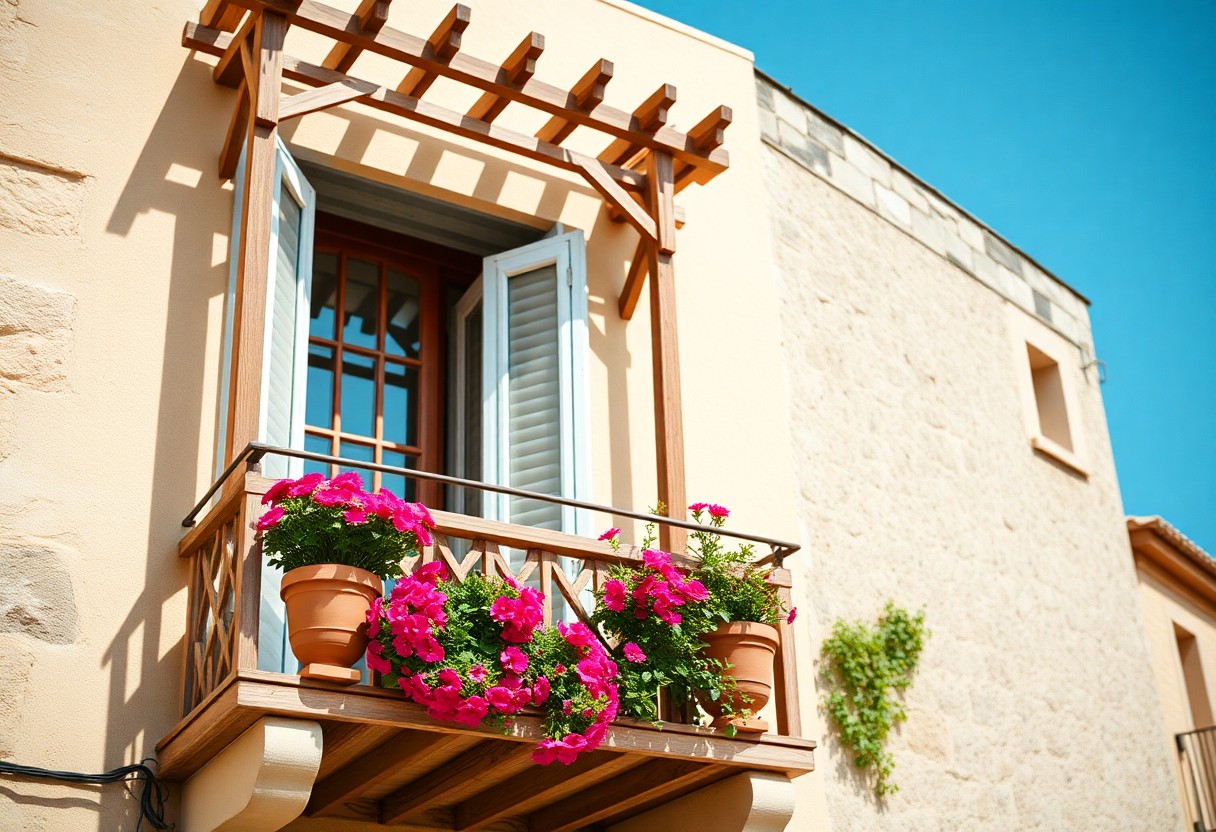
Just as Malta's rich cultural heritage is reflected in its stunning architecture, the art of Maltese balcony craftsmanship stands as a testament to the island's historical significance. These iconic structures, adorned with intricate woodwork and vibrant colors, are not only functional but also embody the unique artistry of Maltese artisans. Unfortunately, this traditional craft is facing a decline, as modern construction methods and materials overshadow the timeless appeal of handcrafted balconies. In this blog post, we'll explore the history, significance, and the urgent need for preservation of this disappearing art form.
Just as Malta's historic architecture reflects its rich cultural heritage, the intricate craftsmanship of Maltese balconies encapsulates a unique artistry that is gradually fading away. These vibrant and ornate wooden balconies, known as ‘galleriji', have long adorned the facades of the island's towns and villages, offering both functionality and aesthetic appeal. However, advancements in construction techniques and shifting architectural trends threaten the preservation of this traditional craft. This post explores into the significance of Maltese balcony craftsmanship, its historical context, and the urgent need to safeguard this cultural gem for future generations.
The Historical Significance of Maltese Balconies
Cultural Heritage and Identity
The Maltese balcony serves as a powerful symbol of identity, threading together the diverse histories and narratives of the island. Steeped in folklore and tradition, these balconies reflect the mingling of various cultures, from Arab influences to those of the Knights of St. John. They have witnessed many societal shifts, becoming a backdrop for imperative life events and community gatherings, reinforcing the island's collective memory and heritage.


















Architectural Evolution Over Centuries
Throughout history, Maltese balconies have evolved into an iconic architectural feature, adapting to changing styles and influences while maintaining their distinctive charm. Initially influenced by medieval designs, they showcased Baroque elements during the 17th and 18th centuries, reflecting the affluent lifestyle of the period's elite. The introduction of ornate woodwork and colorful paint schemes became prevalent as local artisans applied their craftsmanship, solidifying the balcony's role as both a functional space and an aesthetic expression.
The evolution of Maltese balconies highlights an intriguing intersection of artistic expression and practicality, with each architectural change subtly narrating the socio-political atmosphere of the era. In the 19th century, for instance, the industrial revolution ushered in the use of iron railings and simpler designs to meet the needs of a growing working class, merging beauty with utility. As ownership of property became more accessible, balconies morphed into more personalized spaces, with each family showcasing its style, thus enriching Malta's architectural tapestry. Today's remaining examples evoke a nostalgia for a time when craftsmanship and community were at the forefront of local life, standing as testament to the artistry and identity of the Maltese people.
The Rich History of Maltese Balconies
Origins and Early Developments
The Maltese balcony, or “balconcin,” traces its roots back to the 16th century, coinciding with the arrival of the Knights of St. John. Crafted to enhance both the architectural aesthetic and functionality, these wooden structures emerged from local design traditions and the influence of Mediterranean styles, reflecting a unique blend that characterizes Malta's rich heritage. The early balconies were often elaborate, made from timber, with intricate carvings, showcasing the skills of local craftsmen while allowing inhabitants to enjoy the vibrant street life below.
Cultural Significance Through the Ages
Maltese balconies have transcended mere architectural elements to symbolize the island's identity. Throughout history, they have witnessed pivotal events, from the festive parades of Carnival to everyday life, serving as gathering points for social interactions and community connections. Their distinctive designs, often adorned with colorful paint, resonate with the collective memory of the Maltese people, acting as testament to the cultural evolution over centuries.
As symbols of domesticity and social status, balconies also reflect Malta's storied past, merging influences from various rulers and cultures that have inhabited the islands. The variations in design across regions echo the diverse backgrounds of the inhabitants, making each balcony a narrative of its own. Architectural styles varied between periods, with Baroque and Neoclassical elements blending seamlessly, each balcony acting as a visual archive of Malta's fiesty historical ballet. Even with modernization, these structures remain a beloved feature of Maltese architecture, illustrating their enduring charm and cultural resonance.
The Craftsmanship Behind Maltese Balconies
Traditional Materials and Techniques
Authentic Maltese balconies are hewn from local limestone, oak, and intricate wrought iron, which not only reflect the island's aesthetic but also its geological resources. The limestone, sourced from quarries across Malta, is soft enough to carve yet durable against the elements. Artisans traditionally crafted each balcony by hand, employing time-honored techniques such as chiseling and framing, resulting in unique designs that showcase intricate detailing and a connection to the past.
The Role of Local Artisans in Preservation
Local artisans play a pivotal role in preserving the legacy of Maltese balcony craftsmanship, ensuring that techniques and skills are passed on to future generations. Many artisans undergo extensive training, often starting as apprentices and learning the nuances of both design and construction. Their dedication to craftsmanship is evident in the meticulous restoration processes they employ, preserving the essence of these architectural gems while keeping them functional and visually appealing. Community workshops and exhibitions further engage younger generations, fostering an appreciation for this unique art form.
Artisans also collaborate with cultural organizations to document and revive traditional methods, ensuring that the art of balcony crafting does not fade into obscurity. Initiatives that promote heritage tourism often benefit from their expertise, showcasing the intricate designs that draw visitors to Malta. Through workshops and social media, these craftsmen share their knowledge, creating a renewed interest among youth—a vital step in revitalizing this once-prevalent art and encouraging contemporary interpretations that honor traditional designs while meeting modern needs.
Master Craftsmanship: The Artisans Behind the Balconies
Traditional Techniques Passed Down Through Generations
Local artisans have often honed their skills through techniques inherited from their forebears, ensuring that each Maltese balcony is not just a structure but a work of art. These craftsmen employ methods such as hand-carving with chisels and using traditional tools that have remained relatively unchanged for centuries. The attention to detail and the profound understanding of balance and aesthetics are evident in the intricate designs that grace the facades of the Valletta and Mdina streets, each balcony reflecting the unique heritage of its maker.
Materials That Define Quality Craftsmanship
The materials selected for crafting these balconies play a pivotal role in the final aesthetic and stability. Limestone, a common choice, is prized for its durability and beauty. Craftsmen often favor locally sourced materials, ensuring that each balcony integrates seamlessly into the architectural landscape of Malta. Balconies adorned with wrought iron railings or colorful wooden shutters further exhibit a commitment to quality, as these materials not only enhance visual appeal but also withstand the elements.
Limestone used in balconies often comes from nearby quarries, renowned for its fine grain and warm tones. This stone's porous nature allows it to breathe and adapt to Malta's changing climate, making it an ideal selection. Complementary materials like robust wrought iron and treated timber are skillfully combined to create an elegant fusion of strength and style. The use of vibrant colors in wooden features can be traced back to local traditions, making each balcony not just a dwelling place but a canvas reflecting the island's colorful history. With such quality materials, these balconies are not just functional; they endure as symbols of artistry and heritage throughout the ages.
Aesthetic Appeal: The Iconic Design Elements
Color, Form, and Functionality
The vibrancy of Maltese balconies lies in their striking colors and unique forms. Local artisans employ a vivid palette, often featuring bold greens, blues, and reds that enhance the limestone façade of traditional Maltese buildings. These balconies project a sense of individuality while maintaining a uniform aesthetic within the streetscape. Functional design elements, such as sturdy railings and wide overhangs, serve to provide shade and protection against the harsh Mediterranean sun, illustrating how form and functionality intersect harmoniously in these iconic structures.
Symbolism in Maltese Balcony Designs
Exploring the symbolism embedded in Maltese balcony designs reveals a rich tapestry of cultural identity and heritage. Balconies are not mere architectural features; they embody the history and values of the Maltese people. Often referred to as “ballut,” these balconies represent a connection between the private and public spheres, allowing inhabitants to engage with their community while maintaining a sense of seclusion.
The symbolism extends deeper with the diverse motifs and intricate carvings that decorate many Maltese balconies. Elements such as floral patterns, animals, and even religious symbols are not just ornamental; they signify protection, fertility, and faith. For instance, the presence of the Maltese cross in some designs resonates with the country's historical ties to the Knights of St. John. Each balcony thus tells a story, reflecting the unique cultural and historical landscape of Malta, encapsulating a legacy that continues to evolve while honoring the past.
Architectural Styles: Aesthetic Evolution of Maltese Balconies
Baroque Influences in Balcony Design
Baroque architecture heavily influenced the grandeur of Maltese balconies, particularly during the 17th and 18th centuries. This era brought about ornamental details, dramatic scrolls, and intricate carvings, showcasing the wealth and status of the property owners. The iconic wooden balconies often featured elaborate balustrades and vibrant colors, reflecting the Baroque emphasis on theatrics and emotional expression, thereby transforming urban streets into picturesque canvases of architectural splendor.
The Shift to Modern Minimalism
The transition to modern minimalism marked a significant departure from the ornate designs of the past. As the 20th century progressed, functionality and simplicity took precedence, with balconies becoming sleeker and more understated. Contemporary designs incorporate clean lines, geometric shapes, and materials like steel and glass, allowing the structures to blend seamlessly with modern urban landscapes while prioritizing space and utility.
This pivot towards minimalism didn't merely arise from aesthetic preferences but also responded to evolving lifestyles and urban planning philosophies. The focus shifted towards practicality, with balconies serving as functional outdoor spaces rather than merely decorative elements. Notably, many new developments in Malta embraced open-plan concepts, favoring the integration of balconies as extensions of living spaces. The urban narrative became one of fostering connection with the environment, allowing for unobstructed views and a sense of openness, while the intricate craftsmanship of earlier styles was increasingly relegated to nostalgia and preservation efforts.
The Socioeconomic Impact of Maltese Balconies
Community Connectivity and Urban Life
Maltese balconies serve as more than architectural elements; they foster community engagement and urban connectivity. Residents often use these spaces to interact with neighbors, showcasing an intrinsic aspect of Maltese social culture. The design encourages openness and visibility, making the balconies a focal point for gatherings and conversations, which strengthens social ties and enhances the vibrancy of local neighborhoods.
Balcony Tourism: A Visual Attraction
Tourism in Malta has increasingly become interwoven with the superficial charm of its renowned balconies. Visitors are drawn not only to the impressive architectural styles but also to the stories that each balcony tells. With millions flocking to the island each year, these colorful structures provide countless photo opportunities, promoting the aesthetic allure of the urban landscape.
In 2019, Malta welcomed over 2.7 million tourists, many of whom sought out popular neighborhoods such as Valletta and Mdina to capture the picturesque balconies. Social media platforms have played a significant role in amplifying this interest, with hashtags showcasing vibrant, intricately designed balconies becoming trends. This visual appeal translates into economic benefit, as local businesses leverage the influx of tourists wanting to experience the vibrant culture reflected in these architectural gems. From guided balcony tours to photography workshops, the tourism industry has embraced the balconies as a focal marketing point, reinforcing their indispensable role in Malta's socioeconomic fabric.
The Role of Maltese Balconies in Urban Identity
Symbolism of the Maltese Balcony in National Heritage
The Maltese balcony serves as a profound emblem of the islands' social and architectural heritage. These uniquely designed structures symbolize a blend of cultural influences resulting from centuries of foreign rule and local adaptation. They stand as testaments to Malta's identity, reflecting historical shifts while embodying the resilience and artistic expression of its people. Each balcony tells a unique story, linking past and present, making them vital components of national pride and heritage.
Balconies as Social Intersections in Community Life
The role of Maltese balconies extends beyond aesthetics; they act as critical social interfaces within the urban landscape. Residents utilize them as spaces to engage with neighbors, celebrate local traditions, and participate in communal gatherings. These balconies often become extensions of home life, fostering interactions that strengthen bonds among community members, which is particularly evident during festivals or markets where residents lean out to exchange greetings and share experiences.
In bustling neighborhoods like Valletta and Mdina, balconies are not just architectural features; they form the backdrop of daily life. During village feasts, for instance, colorful decorations drape across balconies, creating a lively atmosphere that draws locals and tourists alike into the vibrant tapestry of Maltese culture. Moreover, these intimate spaces often host small gatherings where conversations and stories flourish, contributing to a sense of belonging and unity among the residents. Balconies, therefore, are quintnecessary to understanding the fabric of Maltese social life—enabling connection and fostering a spirit of community that continues to thrive in contemporary contexts.
The Decline of Artisan Craftsmanship
The Impact of Industrialization on Traditional Techniques
Industrialization has dramatically altered the landscape of craftsmanship in Malta, favoring mass production over artisanal methods. The introduction of machinery and standardized materials has led to a decline in the demand for skilled artisans who traditionally crafted bespoke balconies. This shift has resulted in a homogenization of design, where unique features and intricate details are sacrificed for efficiency and cost-effectiveness.
Economic Factors Leading to Craftsmanship Erosion
Various economic pressures have contributed to the erosion of craftsmanship in Malta, impacting artisans' livelihoods and the continuity of traditional techniques. Rising material costs, coupled with the availability of cheaper imported products, have made it increasingly difficult for local craftsmen to compete. Additionally, a younger generation is often motivated to pursue more lucrative careers, leaving traditional crafts vulnerable to decline.
- Increased competition from foreign manufacturers reduces local artisans' market share.
- Economic instability prompts a focus on immediate financial gain over skilled trades.
- High cost of raw materials leads to unfeasibility in artisanal production.
- Limited interest in craftsmanship among youth due to perceived financial risks.
Artisans face a significant dilemma: to adapt their processes for survival or stick with traditional methods that may not yield sufficient income. The skills passed down through generations are at risk of becoming obsolete as the allure of quick financial rewards in other sectors becomes increasingly appealing. Less priority given to craftsmanship contributes to a cultural loss that diminishes Malta's unique architectural identity.
- Disappearing mentorship opportunities affect skills transfer to new artisans.
- Market demand increasingly favors mass-produced alternatives over handmade quality.
- Shifts in consumer attitudes prioritize convenience over cultural heritage.
- Urban development pressures often disregard the contributions of local craftsmen.
Shifting Architectural Styles: The Loss of Tradition
Modern Architects vs. Traditional Craftsmen
The clash between modern architects and traditional craftsmen has led to a significant departure from Maltese balcony design. While contemporary architects prioritize sleek lines and minimalist aesthetics, the intricate, ornate details of traditional craftsmanship are often disregarded. This shift not only alters the visual character of urban environments but also risks the extinction of artisanal techniques passed down through generations.
The Influence of Globalization on Local Design
Globalization has introduced diverse architectural influences, often overshadowing local traditions. With international trends dominating the design landscape, Maltese balconies have increasingly been replaced by uniform structures lacking cultural resonance. This trend poses a challenge to preserving the unique identity of Malta's architectural heritage, pushing local craftsmen to the periphery of the design conversation.
The encroachment of globalization on local design practices can be seen in the prevalence of faceless apartment blocks that omit the charm of traditional Maltese architecture. For instance, development projects funded by foreign investors often favor profit-driven designs that appeal to global markets rather than honoring local context. This has not only diminished the visual narrative shaped by centuries of Maltese craftsmanship but has also led to a homogenization of urban spaces, where the essence of Malta's identity is weakened amidst the push for modernity. Balancing contemporary needs with respect for heritage will be integral to retaining Malta's architectural uniqueness moving forward.
Preservation Efforts: Reviving the Craft
Organizations and Initiatives Dedicated to Restoration
Several organizations in Malta are committed to preserving the craftsmanship of balconies. The Malta National Trust and the Heritage Malta agency actively promote awareness and restoration projects aimed at renovating and protecting the unique architectural heritage. Additionally, local non-profits partner with artisans to restore dilapidated balconies, ensuring that traditional skills are passed on while also enhancing community engagement through workshops and restoration initiatives.
Educational Programs Reintroducing Traditional Skills
Educational institutions in Malta are increasingly integrating traditional craftsmanship into their curriculums. Courses focused on masonry, woodworking, and ornamental plasterwork allow students to gain hands-on experience in balcony construction methods. These programs, often developed in collaboration with artisans, not only preserve these skills but also foster a new generation of craftsmen equipped to carry on the legacy of Maltese balconies.
By engaging participants in practical learning experiences, these educational programs strengthen community ties while emphasizing the importance of cultural heritage. For instance, the Institute for the Creative Arts hosts workshops where students recreate historical balcony designs, learning about materials and techniques firsthand. This approach not only enhances skill development but also raises awareness about the significance of Maltese balconies as a vital aspect of the island's identity. More than just coursework, these initiatives inspire pride in local traditions and encourage active participation in safeguarding Malta's architectural legacy.
The Disappearing Craft: Challenges for Artisans
Economic Pressures and Market Demand
Modern economic pressures significantly impact the ability of artisans to sustain traditional Maltese balcony craftsmanship. Cheaper, mass-produced alternatives from overseas dominate the market, pushing skilled craftsmen to lower their prices or seek different trades. As younger generations gravitate towards more lucrative job opportunities, the demand for bespoke, handcrafted balconies diminishes, raising concerns over the preservation of this unique art form.
The Aging Workforce of Craftsmen
The workforce responsible for creating Malta's iconic balconies is predominantly aging, which poses challenges to the craft's future. Many artisans, having spent decades perfecting their skills, are nearing retirement without sufficient younger replacements trained to continue their legacy. This generational gap threatens not only craftsmanship but also the transmission of vital techniques and cultural knowledge necessary for sustaining this art.
In Malta, as the number of experienced craftsmen dwindles, the younger population shows little interest in pursuing traditional trades. This shift results in a significant loss of not just technical skills but also the cultural heritage embedded in balcony craftsmanship. Workshops promoting traditional techniques are few, and those that do exist struggle to attract apprentices. Consequently, the art of crafting bespoke balconies risks becoming a relic of the past, emphasizing the urgency of revitalizing interest and training within the community. Preservation efforts must address these workforce challenges to ensure a rich legacy endures for future generations.
The Influence of Tourism on Balcony Aesthetics
How Tourists Perceive and Influence Local Craftsmanship
Tourists often see Maltese balconies as quintcrucial symbols of the island's charm, leading to a spike in demand for their aesthetic appeal. This admiration results in a heightened appreciation for traditional craftsmanship, with visitors frequently sharing photos and stories on social media, effectively shaping the narrative around local culture. As tourists seek unique experiences, artisans are inspired to reclaim and recreate traditional designs that resonate with this global audience.
The Balance Between Authenticity and Commercialization
Striking a balance between honoring traditional craftsmanship and catering to tourism-driven demands presents a challenge for artisans in Malta. As options expand to include more standardized and commercially viable designs, the risk of diluting the unique qualities that characterize authentic Maltese balconies increases. Artisans face the difficult task of adapting their work to attract tourists while maintaining the integrity and artisanal nature that define the craft.
This tension has led to a duality in the market—while some artisans embrace innovation to appeal to tourists, others remain steadfast in their dedication to preserving authentic techniques. Many have found that creating limited edition pieces that blend tradition with modern aesthetics can satisfy both visitor expectations and cultural preservation. Workshops and guided experiences have become popular, allowing tourists to engage with the craftsmanship while fostering a greater appreciation for the skill and artistry involved in creating authentic Maltese balconies. These initiatives show promise in sustaining local craftsmanship and ensuring that the true essence of Maltese balconies is not lost amidst commercialization.
Resilience and Revival: Efforts to Preserve Craftsmanship
Community Initiatives and Workshops
Local artisans and community organizations are actively engaging the public through workshops and hands-on initiatives, fostering an appreciation for traditional Maltese balcony craftsmanship. Workshops often include restoration demonstrations, teaching participants the intricate techniques used in this fine art, while encouraging the younger generation to take part in these age-old practices. Events like ‘The Balconies Festival' in Valletta celebrate these crafts, inviting artisans to showcase their skills and connect with the community.
Government Policies and Support Systems
The Maltese government has taken steps to safeguard the craftsmanship of traditional balconies through various support systems and policy measures. Grants and funding opportunities for artisans are now available, along with training programs aimed at skill development within local communities. These initiatives aim to ensure that craftsmanship not only survives but thrives amid modern challenges.
As part of a broader cultural heritage strategy, the government's commitment includes legislative measures that protect historical buildings and their unique architectural features. Funding under these initiatives supports restoration projects and trains newcomers in advanced crafting techniques, ensuring that the knowledge and skills do not vanish with the older generation. Additionally, collaborations with educational institutions help integrate traditional craftsmanship into the academic curriculum, promoting awareness and respect for this integral aspect of Malta's identity. By combining financial incentives, training programs, and legislative support, these comprehensive efforts create a sustainable environment for the revival and maintenance of Maltese balcony craftsmanship.
Braving Modernity: New Innovations in Balcony Design
Integrating Technology with Traditional Craftsmanship
Technological advancements are reshaping the art of balcony design, merging traditional craftsmanship with modern tools. Designers are now using 3D modeling software to create intricate patterns commonly found in Maltese balconies, bringing a precision that handcrafting often struggles to achieve. Augmented reality allows property owners to visualize how contemporary styles can still reinvigorate the cultural essence of balconies, creating a hybrid of traditional and innovative aesthetics.
Sustainable Materials and Practices in Balcony Construction
The move towards sustainability affects balcony design significantly, where eco-friendly materials like reclaimed wood or aluminum are gaining popularity. These options not only reduce the carbon footprint but also enhance durability and aesthetic appeal, ensuring that modern balconies are both practical and visually harmonizing with their historical surroundings.
Sustainable materials such as bamboo, which grows rapidly and is biodegradable, offer a compelling alternative to traditional hardwoods. The use of recycled metals minimizes waste and provides structural integrity, while innovative coatings can enhance weather resistance, extending the balcony's lifespan. This commitment to sustainability allows contemporary designers to honor Malta's architectural heritage while embracing modern environmental consciousness, paving the way for future generations to enjoy balconies that are as responsible as they are beautiful.
The Role of Technology in Craft Preservation
Digital Tools for Design and Construction
The integration of digital tools into traditional craft processes has revolutionized how artisans design and construct Maltese balconies. Software programs like CAD (Computer-Aided Design) allow designers to create intricate 3D models and simulations, ensuring precision in measurements and aesthetics. This technology not only streamlines the construction process but also enables artisans to explore innovative designs that remain true to cultural heritage while incorporating modern building techniques.
Virtual Reality: Reimagining Balcony Experiences
Virtual reality (VR) has opened up exciting possibilities for experiencing and interacting with Maltese balconies. By immersing users in virtual environments, VR can recreate historical balconies and their settings, allowing individuals to appreciate the artistry and architectural nuances that might be overlooked in real life. Through guided tours, viewers gain a deeper understanding of the craft's significance and, in doing so, cultivate a sense of appreciation for the traditional artisans who created these iconic structures.
This technology transforms how we engage with Maltese architecture by offering experiences that combine education with entertainment. For instance, simulated tours of historical neighborhoods using VR can allow users to visualize the balconies in their original contexts, complete with atmospheric details like ambient sounds and historical narratives. As users traverse these digital landscapes, they not only gain insights into the architectural styles that define Maltese culture but also feel a renewed connection to the craftsmanship that is at risk of being forgotten.
Interviews with Contemporary Artisans
Perspectives from Established Craftsmen
Veteran craftsmen like Joseph Grech emphasize the importance of maintaining traditional techniques while adapting to contemporary needs. Grech, who has been in the business for over 40 years, believes that the intricacy of Maltese balconies is rooted in history and symbols of local culture. He insists that every carved motif tells a story, and while modern materials have their place, the soul of craftsmanship lies in the hands that shape it, preserving the essence of heritage for future generations.
Insights from Emerging Talents in Balcony Craft
Younger artisans are redefining the landscape of balcony craftsmanship by blending traditional artistry with innovative designs. A new wave of craftsmen, like 29-year-old Elena Mizzi, draws inspiration from nature and urban living, creating balconies that reflect contemporary aesthetics while respecting their cultural roots. They experiment with sustainable materials and eco-friendly practices, illustrating a seamless fusion of past and present in their work.
A standout example of this shift is Mizzi's recent project, where she combined reclaimed wood with glass elements to create a minimalist yet functional balcony. Her designs not only emphasize beauty but also prioritize the environment by incorporating biophilic elements, which encourage a connection to nature within urban settings. This approach has resonated with a younger clientele, eager to embrace balconies that are both stylish and sustainable. The dialogue between established techniques and fresh, innovative ideas reveals a vibrant future for Maltese balcony craftsmanship.
Sustainable Practices in Balcony Craftsmanship
Eco-friendly Materials and Building Techniques
Craftsmen are increasingly turning to sustainable materials such as reclaimed timber, which not only minimizes waste but also reduces the carbon footprint associated with new wood production. Innovative building techniques include the use of locally sourced limestone, ideal for the unique Maltese climate. By prioritizing these eco-friendly options, artisans not only preserve traditional aesthetics but also contribute to a more sustainable future for Malta's iconic architecture.
Balconies in the Context of Climate Resilience
In light of evolving climate patterns, balconies are being designed with resilience in mind. The incorporation of green spaces and stormwater management systems not only enhances urban biodiversity but also mitigates flooding risks. These functional additions provide insulation and reduce energy consumption, making balconies more than just ornamental features—they become vital components in cities adapting to environmental challenges.
Balconies designed for climate resilience often include features such as rain gardens that absorb excess stormwater or vertical gardens that improve air quality while insulating buildings. Studies suggest that integrating vegetation into urban structures can reduce temperatures by up to 10 degrees Celsius, making balconies a pivotal aspect of city planning. By marrying traditional craftsmanship with modern ecological principles, Malta's balconies can play a significant role in combatting the impacts of climate change and ensuring the longevity of its unique architectural heritage.
The Global Perspective: Comparing Craftsmanship Across Cultures
| Culture | Architectural Features |
|---|---|
| Maltese | Balconies with ornate woodwork and intricate iron railings |
| Spanish | Balcón de forja, often adorned with colorful ceramic tiles |
| Chinese | Hongloug, featuring protruding eaves and decorative lattice work |
| Italian | Loggias or Juliet balconies that enhance ornamental richness |
| Greek | Traditional wooden balconies complemented by whitewashed walls |
Parallels between Maltese Balconies and Similar Architectural Features Worldwide
Many cultures feature architectural elements that serve similar functions to Maltese balconies, often blending beauty with utility. For instance, Spanish balconies incorporate vibrant tiles and wrought iron, emphasizing regional identity, while Italian loggias provide inviting outdoor spaces enriched by frescoes. These parallels highlight the universal human desire to connect indoor and outdoor environments, celebrating craftsmanship that resonates with our shared cultural heritage.
Lessons Learned from Other Cultures in Preservation
Systems for preserving traditional crafts worldwide provide valuable insight for safeguarding Maltese balcony craftsmanship. In Japan, for instance, the practice of patronage for artisans enables their skills to thrive across generations. Cultural preservation policies in Europe, like those in France, emphasize the importance of authentic materials and craftsmanship in restoration projects. By tapping into these examples, Malta can better navigate the challenges faced by its own unique architectural heritage.
Exploring the preservation strategies of international counterparts reveals innovative approaches worth emulating. The Japanese model often focuses on community engagement, fostering public workshops that not only educate but also instill pride in local craftsmanship. Meanwhile, Italy prioritizes the protection of traditional trades through financial incentives for artisans involved in restoration. Implementing similar strategies in Malta could fortify efforts to sustain the unique artistry behind its iconic balconies, ensuring their survival in a rapidly modernizing world.
Architects and Artisans: Collaboration for the Future
Bridging the Gap Between Craft and Modern Architecture
Collaboration between architects and artisans fosters a harmonious blend of modern techniques and time-honored craftsmanship. By incorporating local artistic talent into the design process, contemporary projects can achieve a unique identity that respects tradition while embracing innovation. Collaborations often involve workshops where architects and craftsmen come together, resulting in designs that reflect the rich history of Maltese balconies but are also functional and aesthetically pleasing for today's urban environments.
Innovative Partnerships to Reinforce Heritage
Forging connections between architects and local artisans opens doors to innovative partnerships that breathe life into traditional practices. These alliances provide a platform for sharing knowledge and techniques that can safeguard Maltese balcony craftsmanship. Design firms such as Architecture Project are actively partnering with local craftsmen to ensure that new structures encourage the use of traditional materials and methods, enhancing sustainability while celebrating Maltese cultural identity.
These partnerships extend beyond mere aesthetics; they aim to create a sustainable future for Maltese craftsmanship in a rapidly evolving architectural landscape. By inviting artisans into the design process, modern projects can incorporate elements like locally sourced limestone and hand-carved embellishments, creating structures that resonate with the community's heritage. Initiatives like these have even led to pilot projects that feature educational programs for young craftsmen, ensuring the transmission of skills and fostering a renewed appreciation for the artistry inherent in Maltese balconies.
Case Studies: Successful Revivals of Maltese Balcony Craft
- Valletta Restoration Project: Over 200 balconies restored between 2017 and 2020, enhancing the historical fabric of Malta's capital.
- Senglea Revitalization Initiative: Focused on 50 iconic balconies, resulting in a 30% increase in tourism to the area due to improved aesthetics and heritage preservation.
- Birgu Cultural Program: A community-led effort that restored 75 balconies and increased local property values by 20% as of 2021.
- Mosta Heritage Walk: Incorporating 60 traditional balconies into a new pedestrian-friendly area, promoting local craftsmanship while boosting foot traffic.
- Gozo Balcony Festival: Annual event since 2019, drawing over 5,000 visitors each year and showcasing restored balconies alongside workshops for artisans.
Projects Restoring Historical Balconies
Efforts to restore historical balconies in Malta have garnered a significant amount of attention and funding, with multiple projects emphasizing preservation. One standout is the Valletta Restoration Project, which successfully restored over 200 balconies within three years, reinforcing the city's UNESCO World Heritage status and attracting both local residents and tourists alike.
Innovations in Balcony Design That Honor Tradition
Modern designers are embracing innovation while respecting traditional Maltese balcony aesthetics. Cutting-edge materials, like reinforced glass and sustainable wood composites, are being utilized to create balconies that maintain the iconic look but boast enhanced durability and environmental performance. This blend of old and new ensures craftsmanship retains its cultural significance while meeting contemporary needs.
Innovations in design are paving the way for a new era of Maltese balconies that honor traditional craftsmanship. Architects are experimenting with modular designs that allow for customizable features, while still adhering to the ornate profiles characteristic of Maltese balconies. By integrating technology, professionals can produce designs that are not only eye-catching but also practical, with options for weather resistance and accessibility. As a result, a new generation is being inspired to appreciate and engage with the craftsmanship of the past, ensuring its survival in the modern architectural landscape.
A Global Perspective: Balconies Around the World
Comparative Analysis with Other Cultures
Examining balcony designs globally reveals fascinating cultural adaptations and architectural styles. For instance, Spanish ‘balcón' often features wrought iron railings, while traditional Italian ‘loggia' emphasizes expansive outdoor living. In contrast, contemporary Japanese balconies prioritize minimalism, with wood and glass elements harmonizing with nature. The diverse interpretations showcase both utilitarian and aesthetic roles, demonstrating how cultural values shape the function and design of balconies across the globe.
Comparative Analysis of Balconies Worldwide
| Country | Balcony Style |
|---|---|
| Spain | Wrought iron railings, ornate designs |
| Italy | Loggias with arches and expansive layouts |
| Japan | Minimalist wooden and glass structures |
Learning from International Practices
Exploring global balcony practices uncovers insights that can enhance local designs. Countries like Brazil integrate vibrant colors, reflecting their cultural heritage, while Scandinavian countries emphasize sustainable materials and functionality. Adopting these international elements can enrich Malta's architectural narrative, encouraging a fusion of tradition and innovation in the craft of balcony designs. Such global collaborations could revitalize Maltese craftsmanship and inspire a contemporary renaissance.
Incorporating elements from international designs not only expands aesthetic possibilities but also promotes environmental consciousness. The rise of eco-friendly materials and energy-efficient structures in countries like Denmark serves as a benchmark for sustainable balcony construction. Furthermore, examining how various cultures use balconies for communal interaction can inform future Maltese designs, encouraging social spaces that celebrate both heritage and modernity. Integrating these lessons could foster a fresh appreciation for the balcony as a vital element of urban living in Malta, linking its historical significance with contemporary needs.
The Future of Maltese Balcony Craftsmanship
Predictions for the Next Decade
In the coming decade, the resurgence of interest in heritage craftsmanship is expected to breathe new life into Maltese balcony construction. The growth of cultural tourism is likely to foster a heightened appreciation for traditional artisan skills, leading to a potential revival of local workshops. Additionally, sustainable materials and eco-conscious designs may become more prominent, blending modern aesthetics with time-honored techniques while appealing to a broader market focused on environmental responsibility.
The Role of Consumers in Supporting Artisan Craft
Consumers play a pivotal role in the preservation and promotion of Maltese balcony craftsmanship. By choosing to purchase handcrafted items and directly supporting local artisans, individuals can help sustain these traditional practices. Engaging with artisans not only honors cultural heritage but also creates a ripple effect that encourages further innovation within the craft. Consumers' preferences for authenticity and quality over mass-produced goods drive demand for bespoke designs, allowing craftsmen to thrive while keeping their age-old skills alive.
Utilizing social media platforms and online marketplaces, consumers can now discover and connect with Maltese artisans in ways that didn't exist before. This modern dynamic empowers individuals to showcase their work, share their stories, and reach potential buyers globally. The demand for personalized items fosters a symbiotic relationship between artisans and consumers, wherein each purchase signifies a commitment to preserving Maltese heritage and craftsmanship. By intentionally choosing to invest in local artisans, consumers are not only acquiring unique pieces but also championing a sustainable future for traditional craftsmanship.
The Emotional Connection: Stories from Balcony Dwellers
Personal Narratives of Residents
Residents often weave rich personal narratives around their Maltese balconies, viewing them as extensions of their homes. Take Maria, a 70-year-old grandmother who spends afternoons nurturing her potted flowers, sharing stories of her late husband's woodworking talents with the neighborhood children below. Each balcony tells a unique tale, reflecting the lives and memories of its inhabitants.
Balconies as Spaces of Memory and Social Interaction
Balconies serve as vital communal spaces, fostering social interaction and creating a sense of belonging within the urban environment. These platforms become gathering spots where neighbors exchange greetings, share meals, or celebrate special occasions together. Indeed, the iconic wooden balconies of Valletta have witnessed countless relationships blossom, serving not only as a physical structure but also as a canvas for life's moments.
These intimate spaces often hold the echoes of laughter and the warmth of friendships forged over time. For many, balconies are not just architectural features but living memories. During local festivals, for instance, families adorn their balconies with lights and decorations, turning their homes into vibrant displays of community spirit. Conversations from one balcony to another create an invisible network, reinforcing bonds among residents and enriching the cultural tapestry of the neighborhood.
The Emotional Connection: Why Balconies Matter
Personal Stories of Connection to Maltese Balconies
Residents share poignant memories tied to their balconies, from watching sunsets with loved ones to hosting vibrant street celebrations. These picturesque structures represent more than just architectural elements; they serve as a stage for life's most cherished moments, embodying family traditions and community spirit. Each balcony tells a unique story, making them cherished points of connection to personal histories and cultural heritage.
The Role of Balconies in the Collective Memory of Malta
Balconies in Malta are not just individual spaces; they are integral to the collective memory of the Maltese people. Throughout Malta's history, these wooden protrusions have witnessed significant events, from political rallies to family gatherings. They stand as silent witnesses to the island's evolution, reflecting societal changes and the resilience of its culture. Their vibrant colors and intricate designs foster a sense of belonging, connecting generations and reminding citizens that their shared past shapes their future. As such, these architectural gems hold immense cultural weight, becoming symbols of national identity and pride.
Steps Toward Revival: What Individuals Can Do
Supporting Local Artisans and Businesses
Patronizing local artisans and businesses dedicated to balcony craftsmanship is vital for sustaining this cultural legacy. By investing in handmade products and commissioning work from skilled craftsmen, individuals contribute directly to the preservation of these traditional skills and encourage younger generations to pursue similar paths. Initiatives such as workshops or community projects can also foster a deeper appreciation for Maltese artistry, creating a sustainable economic model for artisans.
Advocacy for Craft Education and Training
Advocating for craft education and training programs is crucial to ensure the next generation possesses knowledge of this intricate art. Establishing partnerships between educational institutions and craftsmen can facilitate workshops that provide hands-on experiences. This approach not only revitalizes interest in traditional techniques but also prepares aspiring artisans to face modern challenges, ensuring that skills are passed down through generations. Local schools can introduce curriculum pieces incorporating architecture and craftsmanship, allowing students to engage with their heritage meaningfully.
The establishment of craft-centered educational programs has shown positive outcomes in other countries, such as Japan, where traditional techniques are taught alongside modern practices. In Malta, similar initiatives could be aided by collaborations with existing heritage organizations. Moreover, scholarships or grants could encourage students to explore carpentry, metalwork, and design related to Maltese balconies. Implementing these educational frameworks will cultivate not only talent but a community that values and practices balcony craftsmanship, preserving its rich cultural significance for years to come.
Summing up
Summing up, the art of Maltese balcony craftsmanship is a fading tradition that reflects the island's rich cultural heritage. As modern developments overshadow these iconic structures, the unique techniques and artistry of skilled craftsmen risk being lost. Preserving this distinctive architectural feature is important not just for Malta's aesthetic landscape, but also for safeguarding its historical identity. Encouraging appreciation and restoration initiatives can help ensure that future generations recognize and value the craftsmanship that has defined Maltese balconies for centuries.
Presently, the art of Maltese balcony craftsmanship faces significant challenges, as traditional skills diminish in the wake of modern construction methods and changing architectural preferences. This unique form of artistry, once integral to Malta's cultural landscape, is at risk of fading into obscurity without concerted efforts for preservation and revitalization. By fostering an appreciation for this heritage and supporting artisans, Malta can ensure that these iconic balconies continue to reflect its rich history and character for future generations.
FAQs
What are Maltese balconies, and why are they unique?
Maltese balconies, or “galleriji,” are traditional enclosed wooden structures that project from building façades. Their vibrant colors and intricate craftsmanship reflect Malta’s rich cultural heritage and architectural history.
When did Maltese balconies first appear?
Maltese balconies trace their origins to the 16th century during the era of the Knights of St. John. Initially functional, they evolved into ornate expressions of wealth and artistry.
What materials are traditionally used in crafting Maltese balconies?
Traditional balconies are made from local limestone, timber (often oak or pine), and wrought iron. These materials are chosen for their durability and aesthetic appeal.
How do Maltese balconies reflect Malta’s cultural heritage?
They serve as visual symbols of Malta’s blended history, incorporating Arab, Baroque, and Mediterranean influences, and have been central to daily life, festivals, and community interaction.
Why is the art of Maltese balcony craftsmanship declining?
The rise of industrial construction, economic pressures, globalization, and shifting architectural preferences have diminished demand for traditional handcrafted balconies.
What role do local artisans play in preserving this tradition?
Artisans preserve balcony craftsmanship by passing down skills through apprenticeships, restoring historic balconies, and participating in cultural initiatives and workshops.
How are Maltese balconies significant in urban life?
They promote community interaction, provide aesthetic and functional value, and serve as social spaces, especially during festivals and public events.
What styles influence Maltese balcony design?
Baroque, Neoclassical, and modern minimalist styles all influence balcony design. Earlier balconies were ornate and symbolic, while modern versions tend toward simplicity.
Are there efforts in place to preserve Maltese balcony craftsmanship?
Yes. Organizations like Heritage Malta and The National Trust of Malta lead restoration projects and promote educational programs to revive traditional techniques.
How can the public contribute to preserving this cultural heritage?
Supporting artisan work, participating in educational programs, advocating for heritage-friendly development, and engaging with preservation projects can all help maintain this unique art form.

Anna Amstill
I am an avid Blogger and Writer with more than 6 years of experience with Content Writing. An Online Marketing expert specializing in Blog writing, Article writing, Website content, SEO specific Keyword content and much more. Education B.A. - business management, York University, Canada, Graduated 2016.
Related Posts
Year round travel in Malta
May 12, 2026
Spring Adventures In Malta
May 11, 2026
Malta Early Spring Travel Boom
May 9, 2026

Budget airlines lift Malta tourism
May 8, 2026

Spring visitors spend more in Malta
May 7, 2026

Malta airport traffic rises in spring
May 6, 2026

Malta hotel occupancy trends in spring
May 5, 2026
Malta attracts new spring travelers
May 4, 2026
Malta tourism tests power grid
May 2, 2026