

















The Netherlands’ Casino Market – Failing Regulatory Control?
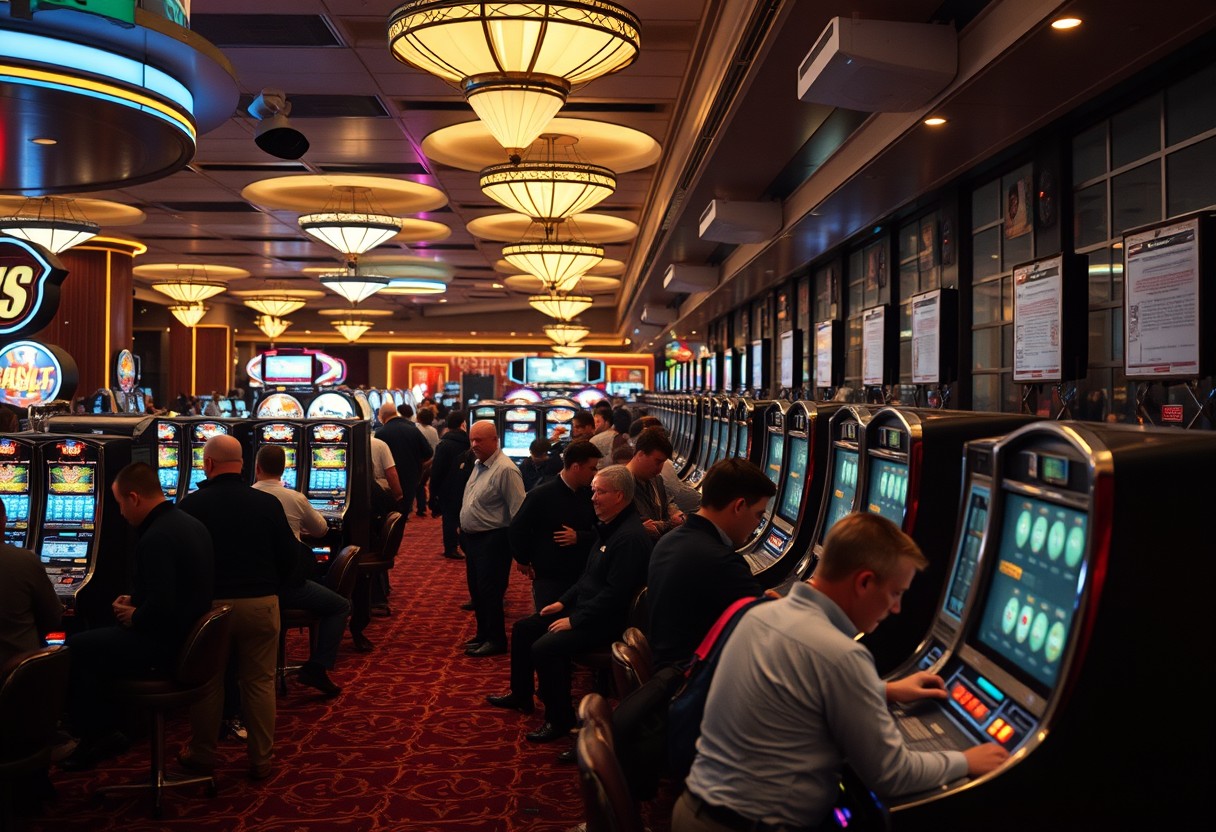
Casino regulations in the Netherlands have undergone significant changes in recent years, leaving many to wonder whether these measures are effectively safeguarding players and maintaining market integrity. As a stakeholder in this dynamic environment, it's vital for you to understand the current state of regulatory oversight and the implications it holds for both operators and consumers. In this blog post, we will research into the nuances of the Dutch casino market, examining whether the existing regulatory framework is robust enough or if it falls short of the necessary protections.
Overview of the Dutch Casino Market
For those interested in the evolution of gambling in the Netherlands, understanding the historical context is imperative. The contemporary casino market traces its roots back to the opening of the first legal casino in 1976. Since then, the sector has experienced various regulatory changes, with the current framework established in 2012, promoting both the fair operation of gaming activities and player protection. This has paved the way for a regulated environment while also adapting to technological advancements.
Market Structure
Structure of the Dutch casino market is characterized by a blend of land-based and online operations, emphasizing the importance of both traditional and digital gaming experiences. The market consists primarily of casinos regulated by the Dutch Gambling Authority, which ensures adherence to responsible gaming practices, licensing, and consumer protection policies.









Market segmentation is evident as you navigate through various offerings, including casinos, lotteries, and online gaming platforms. The land-based casinos, predominantly operated by Holland Casino, hold a significant market share, while the online sector has gained rapid traction since the legalization of remote gaming in 2021. This diverse structure reflects varying consumer preferences and the latest trends in the gaming sector.
Key Players in the Industry
One of the pivotal aspects of the Dutch casino market is the key players that shape its landscape. Holland Casino, the state-owned operator, dominates the land-based scene, while several international online gaming companies now fulfill the growing demand for digital platforms.
For instance, as the online gambling market expands, you'll find prominent names like Bet365, Unibet, and LeoVegas entering the fray, acquiring licenses to operate in the Netherlands. These companies not only enhance competition but also contribute to innovations in gaming technology, which enriches your overall experience as a player.
Regulatory Framework
Legal History of Gambling in the Netherlands
You may find it interesting that the history of gambling regulations in the Netherlands dates back to the early 1960s when the Betting and Gaming Act was introduced. This landmark legislation laid the groundwork for regulating games of chance, enabling the establishment of state-run lotteries while prohibiting most forms of private gambling. Over the decades, several amendments have been made to adapt to emerging trends and concerns, ultimately leading to a more structured approach to the gambling industry.
Current Regulations and Licensing
An evolving landscape characterizes current gambling regulations in the Netherlands, primarily shaped by the Remote Gambling Act, which came into effect in April 2021. This framework allows for the licensing and regulation of online gaming operators, ensuring compliance to safeguard players while enhancing market integrity. The Kansspelautoriteit (KSA) oversees these regulations, ensuring that all licensed operators maintain high standards.
History shows that as the digital gaming market expanded, Dutch authorities recognized the necessity of legalizing and regulating online gambling. With strict licensing requirements in place, operators must demonstrate financial stability, integrity, and responsible gambling practices. Consequently, players can enjoy a safer gambling environment while the government can mitigate potential social risks associated with unregulated gambling activities.
Role of the Kansspelautoriteit (KSA)
For anyone engaging with the Dutch gambling market, the Kansspelautoriteit (KSA) serves as the regulatory body tasked with enforcing gambling laws and protecting consumers. Established in 2012, the KSA plays a crucial role in monitoring licensed operators, initiatives for responsible gambling, and ensuring fair play in all gambling activities.
For instance, the KSA actively conducts rigorous investigations and audits to ensure compliance among licensed operators. They also promote public awareness campaigns to inform players about the risks associated with gambling. This multifaceted approach aims to create a balanced and responsible gambling environment, reflecting the KSA's commitment to protecting consumers while fostering a legitimate gaming industry.
Issues of Regulatory Control
After examining the current landscape of the Netherlands' casino market, it becomes clear that regulatory control faces significant challenges. These issues can lead to a precarious environment for both operators and players, undermining the system intended to ensure safety and fairness in gambling.
Enforcement Challenges
Issues arise in enforcing regulations effectively, as the rapidly changing gambling landscape often outpaces legislative measures. This can result in a lack of consistent oversight, making it difficult for authorities to identify and take action against non-compliant operators.
Online Gambling Market Dynamics
Control of the online gambling market presents a unique set of challenges, especially with the proliferation of digital platforms that operate out of reach of Dutch regulatory bodies. As more players shift to online gambling options, the inability to monitor and regulate these platforms leaves the market vulnerable to exploitation.
A robust online gambling market requires vigilant monitoring and enforcement to protect players. With numerous unlicensed websites catering to Dutch residents, the regulatory bodies must enhance their mechanisms to track these operators and impose penalties for violations. The digital nature of these platforms makes it challenging to regulate, introducing a myriad of risks for consumers who may not fully understand the legal implications of using such services.
Impact of Unlicensed Operators
An alarming consequence of weak regulatory control is the rise of unlicensed operators who capitalize on the market's vulnerabilities. Many players unknowingly gamble with these sites, exposing themselves to significant risks without the protections offered by licensed establishments.
Plus, unlicensed operators often provide inadequate security measures, leaving users vulnerable to fraud and data breaches. Without oversight, these operators can easily manipulate odds, provide misleading information, and fail to address responsible gambling practices, putting players at greater risk. Strengthening regulatory frameworks is necessary to safeguard your interests and promote a fair gambling environment in the Netherlands.
Consumer Protection Measures
Notably, consumer protection is crucial in the Netherlands' casino market to ensure a safe and fair gambling environment. Policymakers and operators have implemented various measures aimed at protecting players while promoting responsible gaming practices.
Responsible Gambling Initiatives
Measures aimed at responsible gambling initiatives are designed to help you identify and manage any potential gambling problems. These include self-exclusion programs, deposits and loss limits, and extensive information on problem gambling resources. You are expected to play responsibly, and these initiatives enable you to take control of your gambling habits.
Age Verification Protocols
On the other hand, age verification protocols play a critical role in ensuring that only individuals of legal gambling age can access casino services. This provides a safeguard against underage gambling that can lead to negative consequences for young individuals.
The effectiveness of age verification protocols relies on the stringent measures operators must employ to verify your age before granting access to gambling activities. Casinos are required to collect personal information and use reliable verification systems to ensure compliance with legal age restrictions. This commitment helps protect young people from the risks associated with gambling.
Transparency in Operations
Any reputable casino must prioritize transparency in its operations to build trust and maintain consumer confidence. This involves clear communication of terms and conditions, game odds, and payout percentages that you, as a player, should be aware of before engaging with any gambling platform.
With transparency, operators provide you with vital information that empowers you to make informed decisions. By openly sharing data regarding their operational practices, casinos can create a responsible gambling environment where you feel secure and informed about potential risks. This fosters accountability and encourages ethical conduct within the industry.
Financial Implications
All eyes are on the financial implications of the Netherlands' casino market as it navigates regulatory challenges. Understanding how these elements interact can provide valuable insights into the sustainability of the industry.
Revenue Generation from Licenses
On the surface, the licensing fees collected from operators can contribute significantly to the gaming authority's budget, enabling further regulatory effectiveness. You might be surprised to know how much these fees influence the market dynamics and contribute to the overall economy.
Economic Impact on Local Communities
Generation of local jobs and economic growth is often touted as one of the primary benefits of legalized casinos. When casinos thrive, they create numerous job opportunities, not only within their premises but also in related sectors like hospitality and services.
Earnings from casinos can stimulate local economies as establishments invest in community development projects and infrastructure improvements. As you analyze the potential benefits, keep in mind that local businesses often see increased traffic, leading to enhanced sales and a more vibrant community atmosphere.
Taxation of Gambling Revenues
For governments, taxation on gambling revenues represents a critical source of public funding, which can be allocated to vital services and community programs. Understanding how these taxes function will help you grasp their significance in the broader financial ecosystem.
With the regulatory framework in place, the taxes collected from gambling operations can substantially contribute to public coffers. You may see these funds directed towards education, healthcare, and infrastructure, highlighting the vital role of a well-regulated casino market in supporting societal needs. However, in the case of ineffective regulatory control, you may wonder how much of this potential revenue is actually realized, which raises concerns about the sustainability of funding for public services.
International Comparisons
Now, as you examine the regulatory landscape in the Netherlands, it is necessary to look abroad for insights and potential improvements. Below is a comparative analysis of various global casino markets, highlighting the key differences and regulatory frameworks.
| Country | Regulatory Framework |
|---|---|
| United Kingdom | Rigorous regulations with a focus on player protection, responsible gambling, and regular audits. |
| Australia | State-based approach; varying regulations but generally strong compliance and consumer protections. |
| Canada | Provinces regulate gambling; modern frameworks offer flexibility and adaptability to market changes. |
| Singapore | Highly controlled environment with strict entry regulations and comprehensive monitoring systems. |
Regulatory Approaches in Other Countries
Countries around the globe have adopted diverse regulatory approaches to their casino markets, often emphasizing player safety and compliance. For instance, the United Kingdom has established extensive measures to protect consumers, while Australia operates on a state-based model that allows local governments to tailor regulations to their specific contexts.
Lessons from Successful Markets
Comparisons between the Netherlands and successful casino markets reveal valuable lessons that can enhance your understanding of effective regulatory practices.
Another key takeaway is the importance of a balanced regulatory framework that fuses operational freedom with stringent compliance requirements. Markets like the UK and Australia have demonstrated that when regulations are both fair and enforceable, it not only secures consumer safety but also fosters responsible gambling practices, ultimately promoting market integrity.
Potential Models for Reform
The need for reform in the Netherlands' casino market can be informed by successful international models that emphasize adaptability and consumer protection.
Understanding these potential models involves delving into adaptive regulatory frameworks that allow for real-time responses to market dynamics. By integrating features from countries like Canada and the UK, the Netherlands can create a more robust regulatory environment that safeguards players' interests while ensuring that the market remains competitive and vibrant.
Summing Up
Conclusively, as you navigate the complexities of The Netherlands' casino market, it's crucial to recognize the potential pitfalls of failing regulatory control. Your understanding of the legal landscape is critical, as unregulated gambling operations may undermine the integrity and safety of the market. By staying informed about regulatory developments and advocating for stringent oversight, you contribute to a healthier gaming environment that protects both consumers and legitimate operators. Your engagement can help shape a more robust framework, ensuring that the industry operates with transparency and accountability.

Esther
I am a professional writer with 8 years of experience in this field and I can provide you with the best-written content you can find. Education B.A. - English, George Washington University, United States, Graduated 2011.
Related Posts





iGaming Trends Report: SOFTSWISS & WorldGaming
July 15, 2026
Gamblers Connect unveils Verified Sources panel
July 13, 2026