













The Real Cost of a Maltese Sunset
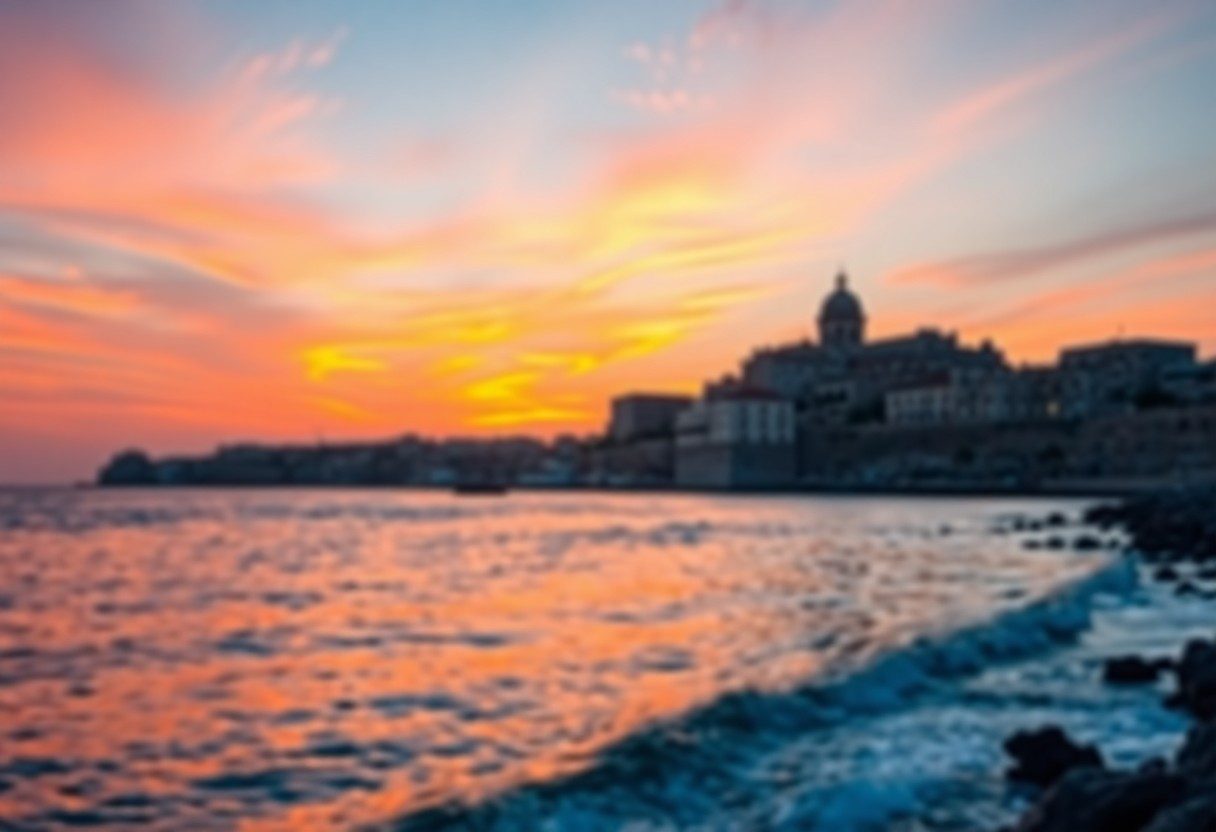
With its azure waters and breathtaking coastal views, a sunset in Malta offers a picturesque experience that many travelers cherish. However, the true cost extends beyond just the stunning visuals. From the economic impact on local businesses to the environmental implications of tourism, exploring these aspects unveils important insights into what makes these sunsets more than just a beautiful sight. This post will research into the multifaceted costs associated with enjoying a Maltese sunset, shedding light on the lasting effects of this cherished natural phenomenon.
The Allure of Maltese Sunsets
Cultural Significance
Maltese sunsets are deeply woven into the cultural fabric of the archipelago. Traditionally, they symbolize the transition between work and leisure, with locals often gathering at waterfronts to unwind after a long day. This daily ritual fosters community ties, as families and friends come together to share stories and enjoy the vibrant hues of the sky. Festivals and celebrations frequently highlight dinner parties or gatherings timed with the sunset, further solidifying its role in Malta's social life.
Tourists' Perspectives
For many visitors, witnessing a Maltese sunset is a bucket-list experience that defines their travels. The soft, golden glow reflecting over the Mediterranean, coupled with historic backdrops like the Azure Window or Mdina's ancient walls, offers a picturesque moment few can resist. Tourists armed with cameras often flock to popular spots, eager to capture the beauty that has enchanted artists and writers for centuries.


















Tourists frequently express awe at the picturesque scenes they encounter—more than just a visual treat; these sunsets evoke a sense of serenity and wonder. Many describe the experience as transcendent, with sunsets often becoming a highlight of their trip. With travel reviews citing “the best sunset I've ever seen” and “unforgettable moments spent with loved ones,” it's clear that the allure of Maltese sunsets resonates deeply, inviting numerous romantic proposals, reflective moments, and treasured memories created under the dying light. Operators even capitalize on this awe, offering sunset boat cruises or dining experiences specifically tailored to embrace these breathtaking views, enhancing the overall travel experience.
Decoding the Adoration: What Makes the Sunset Special?
The Unique Geographical Features
The Maltese archipelago's striking topography sets the stage for extraordinary sunsets. With its rugged coastlines, dramatic cliffs, and serene inlets, the landscape amplifies the colors as the sun dips below the horizon. Locations like the Azure Window, before its collapse, or the fishing village of Marsaxlokk provide panoramic views where the interaction between the sea and sky creates a mesmerizing canvas that flatters the setting sun.
The Role of Climate and Weather
The Mediterranean climate characteristic of Malta significantly influences its sunset experiences. Mild winters and warm summers, alongside prevailing winds, often lead to cloud patterns that enhance the sunset's spectacle. Favorable atmospheric conditions, combined with the region's typically low humidity, create vivid displays of orange, pink, and purple hues, which dance across the evening sky.
Humidity levels in Malta during summer average around 68%, while winter months drop to about 63%. These variations play a role in the overall atmospheric clarity, whereby clear skies allow for more dramatic sunset colors. Rain is rare in summer, which typically leads to spectacular sunsets, characterized by striated clouds catching the light. With sunsets occurring around 7 PM in peak summer, visitors are often treated to nightly performances where nature's palette takes center stage against the backdrop of Malta's enchanting coastline.
Navigating the Price Tag: Costs Involved in Witnessing a Sunset in Malta
Travel and Accommodation Expenses
Reaching Malta usually involves airfare, which varies greatly based on your location and season. A round-trip ticket from Europe typically ranges from €50 to €150, while transatlantic flights can exceed €600. Once there, accommodations present another layer of cost, with budget options starting at around €30 per night and luxury hotels reaching €300 or more, especially if they offer stunning sea views perfect for sunset watching.
Dining and Local Experiences
Dining in Malta provides an opportunity to indulge not only in local flavors but also in the overall ambiance that enhances sunset-viewing experiences. A standard meal can cost anywhere from €15 to €50 per person, depending on the restaurant's sophistication, while those with a waterfront view may charge a premium. Engaging in local experiences, such as taking a sunset cruise or participating in traditional festivals, can also add up, with sunset boat tours averaging €35 per person.
The dining scene in Malta is a rich tapestry reflecting its cultural influences, merging Mediterranean staples with local delicacies. For an authentic taste, consider trying rabbit stew or the famed pastizzi at a local eatery, where meals are affordably priced around €5. For a more upscale experience, rooftop restaurants offer spectacular views alongside exquisite cuisine, with a meal averaging €25 to €50 per person. Adding a local wine, which might range from €10 to €30 for a bottle, can elevate the experience, making each sunset not just a visual delight but a culinary adventure as well.
Beyond the Aesthetics: Emotional Value of the Maltese Sunset
Psychological Impact on Visitors
Visitors often report a profound sense of tranquility and emotional clarity when witnessing a Maltese sunset. The vibrant colors cast across the sky can evoke feelings of nostalgia and peace, which can serve as a mental reset for many urban dwellers. The display often invites contemplation, prompting individuals to slow down and appreciate the moment, fostering mindfulness in a world that is often rushed. Research indicates that viewing natural beauty reduces stress and anxiety, giving the Maltese sunset a significant psychological edge in enhancing overall well-being.
Relationship Building in the Ambiance
The serene backdrop of a Maltese sunset creates a conducive environment for meaningful interactions. Groups of friends, couples, and families find themselves slowing down, sharing laughter, and exchanging stories, often leading to deeper connections. The gentle clinking of glasses, soft music in the background, and warm conversations weave together a tapestry of memorable experiences that strengthen relationships in their most authentic form.
Such moments are often characterized by intimate conversations and shared reflections that become the foundation for lasting memories. Couples might find themselves rekindling that initial spark while enjoying the golden hour, whereas friends may share laughter over a shared drink, forging bonds bolstered by the stunning spectacle. Studies show that shared experiences, especially in enchanting settings, enhance social connectivity, allowing relationships to thrive in ways that go beyond ordinary interactions. Thus, the sunset not only serves as a visual masterpiece but also acts as a catalyst for relational growth amidst its stunning scenery.
The Economic Ripple Effect of Sunset Tourism
Contribution to Local Businesses
Sunset tourism significantly boosts the Maltese economy, particularly benefiting local businesses. Restaurants, cafes, and bars near prime sunset spots experience increased foot traffic, generating higher sales. For example, businesses in Valletta report sales surges of up to 30% during peak sunset hours, encouraging owners to hone their offerings to attract sunset-seekers. This activity fosters a vibrant local economy, creating job opportunities and supporting artisans and vendors who sell crafts and souvenirs to tourists.
Seasonal Fluctuations and their Impact
The influx of tourists during the peak summer months demonstrates how sunset tourism can lead to seasonal fluctuations in the economy. The demand for sunset-viewing experiences peaks from June to September, resulting in increased employment in related sectors. However, this seasonal boom can lead to a stark drop in revenue during off-peak months, challenging businesses that depend heavily on this influx to remain viable year-round.
During the low tourist season, typically from October to May, many local businesses face significant financial challenges. For instance, restaurants and hotels may operate at reduced hours or even close temporarily, resulting in layoffs and diminished income for local families. As a result, the reliance on seasonal tourism can create economic instability for those solely dependent on sunset-related revenues. Initiatives that promote year-round attractions and events, such as cultural festivals or outdoor markets, are crucial in mitigating these seasonal effects and fostering a more sustainable local economy.
Environmental Costs: The Balance Between Tourism and Conservation
Potential for Over-Tourism
Over-tourism poses a serious threat to Malta's delicate ecosystems, particularly as the population of tourists swells during sunset viewing hours. Popular spots like the Azure Window or Dingli Cliffs can become overcrowded, leading to environmental degradation and increased waste. In peak seasons, visitor numbers can surpass 2 million, placing unsustainable pressure on local resources and wildlife habitats.
Ecological Footprint of Visitors
The growing influx of visitors leaves behind an ecological footprint that extends beyond litter. From increased vehicle emissions to the strain on water and energy supplies, the habits of tourists are altering Malta's natural landscape. Areas prone to tourist congestion face soil erosion, habitat destruction, and heightened pollution levels, disrupting local flora and fauna.
For instance, a study found that beaches in heavily trafficked areas of Malta suffer from significant erosion due to foot traffic and littering. Additionally, the needed infrastructure to support tourism—hotels, roads, and facilities—further fragment habitats, jeopardizing the survival of native species. These environmental consequences serve as a potent reminder of the intricate balance between enjoying Malta's natural beauty and preserving it for future generations. The responsibility lies with both tourists and authorities to exercise sustainable practices to mitigate these impacts.
Capturing the Moment: The Photography Factor
Equipment and Investment for Perfect Shots
To immortalize the stunning Maltese sunsets, photographers often invest in high-quality camera gear. A decent DSLR or mirrorless camera can cost anywhere from $500 to several thousands, depending on the model and features. Quality lenses tailored for low-light conditions and filters are imperative as well, adding another $200 to $1,000 to the budget. Together, these tools form the backbone of any serious sunset photography endeavor, ensuring that every breathtaking hue and shadow plays beautifully in the captured image.
The Market for Sunset Photography
The demand for sunset photography in Malta has exploded, fueled by the rise of social media platforms where stunning visuals are currency. Professional photographers and hobbyists alike compete to sell their best shots to local businesses, travel agencies, and tourists. Many capture these picturesque scenes for stock photography, where prices can range from $10 to $100 per image, depending on exclusivity and licensing rights. With numerous sunset photography workshops and tours offered, this niche has transformed into a thriving market segment, catering to both skilled artists and casual snap-shooters seeking to turn a passion into profit.
Recent trends indicate that sunset photography isn't just a fleeting hobby; it has blossomed into a full-fledged industry in Malta. Tour operators now market sunset cruises that often include professional photo sessions, creating a comprehensive experience for tourists. Local businesses recognize the value of vibrant imagery for promotional campaigns, constantly seeking captivating sunset shots to enhance their branding. As a result, the market continues to grow, fostering a new generation of photographers eager to capture the beauty of Malta's twilight skies and share their work with the world.
From Sunset Cruises to VIP Viewpoints: Experience Cost Comparisons
| Activity | Average Cost |
|---|---|
| Sunset Cruise | €40 – €80 per person |
| VIP Viewpoint Access | €10 – €25 per person |
| Beach Sunset Spotting | Free (with optional food/drink costs) |
| Sunset Dinner at a Coastal Restaurant | €30 – €60 per person |
Analyzing Various Options
Exploring different ways to enjoy a Maltese sunset reveals a broad spectrum of experiences, each with its unique financial implications. Choosing a sunset cruise offers a romantic ambiance but at a higher cost, while VIP viewpoint spots provide prime locations for less. Alternatively, simply finding a beach or coastal area typically incurs minimal costs, allowing for a budget-friendly sunset experience that still captures the island's magic.
Value versus Expense
Weighing the value of these sunset experiences against their costs can help travelers make informed choices. Budget considerations play a vital role in determining what type of sunset viewing is best suited to individual preferences. Paying more for a sunset cruise can be worthwhile for those seeking a special experience, while others may find tranquility and beauty at little to no expense from a beach or local spot.
Investing in a sunset cruise provides not just a view but an immersive experience on the water, often accompanied by refreshments and entertainment. However, opting for a lesser-priced VIP viewpoint might afford more access to scenic views and photo opportunities without breaking the bank. The essence of enjoying a sunset ultimately boils down to personal priorities: whether to savor a more isolated and upscale experience or to embrace the natural beauty of Malta without significant financial commitment.
Uncovering Local Secrets: Hidden Spots for Breathtaking Views
Lesser-Known Locations
While popular viewpoints like the Upper Barracca Gardens often steal the spotlight, hidden gems across the Maltese islands offer equally mesmerizing vistas. One such spot is the Dingli Cliffs, where sweeping panoramic views of the Mediterranean create a truly enchanting sunset backdrop without the crowds. Another lesser-known locale is the Fawwara Chapel in Gozo, providing a rustic, serene atmosphere far removed from the bustling tourist areas.
Costs Associated with Exploration
Finding these hidden treasures can be incredibly rewarding but may require some investment in terms of transport and time. Many of these locations are accessible via local buses, which usually cost around €2 per ride. For those looking to explore off the beaten path, a rental car would average around €25–€35 per day, providing the freedom to traverse the scenic countryside without restriction.
Additionally, hiking or biking to these secluded spots incurs no entry fees, but investing in a good map or a navigation app could help maximize your experience. Combine your trip with a picnic of local delicacies that might set you back another €10–€15, and the total cost for a sunset outing remains quite reasonable. Despite minimal financial outlay, the value gained from witnessing an untouched sunset view on Malta is immeasurable, making the adventure worthwhile.
The Role of Social Media in Sunset Popularity
Influencers and Their Impact
Influencers play a pivotal role in shaping the aesthetic appeal of destinations like Malta. With their carefully curated feeds, they transform ordinary sunsets into highly sought-after events. By posting striking visuals and relatable captions, they create a narrative that makes sunset watching a must-have experience, prompting followers to flock to these picturesque spots for their own photo opportunities. The result is a cycle in which the more alluring the imagery, the greater the rush of visitors seeking to replicate it.
Economic Implications of Viral Sunset Content
The advent of viral sunset content on social media platforms has significant economic implications for Malta. As stunning sunset images proliferate, they entice a surge in tourism, driving local businesses such as restaurants, hotels, and tour operators to capitalize on this influx of visitors. In 2022 alone, Malta experienced a 25% increase in tourism related to social media trends, indicating that well-timed sunset posts directly affect local economies. This burgeoning trend encourages investment in sunset-centric attractions, further solidifying the island's status as a prime destination for sunset chasers.
This rapid growth in visitor numbers reflects how social media has shifted tourism dynamics. Local businesses have begun to adopt strategies targeting these sunset-seeking travelers, offering special sunset viewings, themed dining experiences, and even guided sunset tours. The economic ripple effect of such investments not only amplifies the visibility of local cultures but also fosters a community around sunset appreciation, all sparked by social media perception. In this atmosphere, a picturesque sunset can significantly drive revenue, proving that the allure of a Maltese sunset extends well beyond its natural beauty to wield substantial economic power.
Sundown Activities: What to Do After the Sun Sets
Nightlife and Entertainment Costs
Engaging in Malta's nightlife can range widely in price, depending on your preferences. Bars and clubs in St. Julian's, for instance, may charge entry fees around €10, while cocktails can set you back €8 to €15 each. Live music venues are another popular choice, with cover charges varying from free to €20. If you opt for a more exclusive experience, high-end clubs may enforce minimum spend policies, making a night out potentially amount to €100 or more per person.
Dining vs. Street Food Experiences
Exploring Malta's culinary landscape after sunset presents a delightful dilemma between fine dining and the vibrant street food scene. While dining at a restaurant can cost upwards of €25 to €50 for a main course, street food options provide a more budget-friendly experience. Local favorites like pastizzi or ftira typically range from €1 to €4 each, allowing for a fulfilling meal that won't break the bank.
Opting for street food not only enhances your cultural experience but also offers authentic flavors at an accessible price. For instance, you can fill up on a hearty plate of rabbit stew or indulge in a snack of freshly baked pastizzi without spending much. This allows for trying multiple dishes in one night while mingling with locals at vibrant market stalls or food trucks. In contrast, fine dining establishments boast exquisite ambiance and service, featuring Mediterranean-inspired menus that elevate the familiar to a new level of culinary brilliance. Each experience offers its own flavor of Malta, whether it's cozy and casual or elegant and refined.
Planning Your Sunset Experience: Tips and Tricks
- Choose your location wisely; cliffs, beaches, and historical sites offer varying backdrops.
- Pay attention to the weather forecast for optimal viewing conditions.
- Plan to arrive early to secure a good spot and soak in the atmosphere.
- Consider local eateries for a sunset dining experience.
- Leave room in your schedule for unexpected detours and exploration.
Timing and Location Considerations
Specific times of year yield different sunset experiences in Malta. The best months for vibrant sunsets are from May to September, but keep in mind that the sun sets earlier in the winter months. Locations like Dingli Cliffs or the Blue Lagoon at Comino offer expansive views, while the charming architecture of Valletta adds an urban contrast that's equally breathtaking. Proper timing and choice of location can transform a simple sunset into a captivating spectacle.
Budgeting for Your Perfect Evening
Allocating a budget for your sunset experience enhances enjoyment. A plan might include dining out, transportation, and even unique activities like boat trips or guided tours. By setting financial priorities, you can avoid overspending while still indulging in the rich culture and cuisine Malta offers. A budget of around €50-€70 should allow for a delightful meal complemented by a drink while watching the sunset.
Building a budget for your sunset experience means accounting for distinct factors like transportation and meals, which can vary significantly across the island. For instance, public transport is economical but may demand extra time, while taxis or rideshares offer convenience at a higher cost. Exploring local dining options brings about culinary discoveries without breaking the bank, and combining these elements not only maximizes enjoyment but ensures a memorable evening. This holistic approach allows for an affordable yet enriching Maltese sunset experience.
The Future of Sunset Tourism in Malta
Trends and Predictions
As travel shifts post-pandemic, sunset tourism in Malta is expected to gain further traction, particularly among eco-conscious travelers. With social media platforms emphasizing experiential content, unique sunset spots will likely see increased traffic. Tour operators might tailor packages that focus not only on the visual appeal but also on storytelling and cultural immersion, catering to a growing market that values authenticity over traditional sightseeing.
Sustainability Initiatives
Numerous stakeholders in Malta's tourism sector are embracing sustainability as a focal point for future growth. Initiatives like responsible waste management, promotion of local produce in sunset dining experiences, and eco-friendly transportation options are gaining momentum.
Recent collaborations between the Maltese government and environmental organizations have led to programs aimed at preserving coastal areas around popular sunset spots. For instance, projects are underway to implement stricter regulations on littering and to encourage the use of biodegradable products in local restaurants and cafes. Some tour companies are introducing sunset cruises powered by solar energy, minimizing their carbon footprint while offering an eco-conscious experience. These steps mark a shift toward a more sustainable tourism model that balances the allure of Malta's breathtaking sunsets with the environmental responsibilities faced by the island.
Conclusion
Hence, appreciating a Maltese sunset extends beyond its breathtaking beauty, encompassing the environmental and economic impact of tourism in the region. While the picturesque views are alluring, they come with a price—local ecosystems and communities often bear the burden of seasonal influxes. By understanding the real cost associated with this natural spectacle, travelers can make more informed decisions that support sustainable practices, ensuring that future generations can also enjoy the enchanting sunsets Malta has to offer.
FAQs
Why are sunsets in Malta considered special?
Malta’s sunsets are renowned for their vibrant colors, enhanced by the Mediterranean climate and the island’s unique geography, including cliffs and coastal views.
What makes Maltese sunsets culturally significant?
They symbolize the transition from work to leisure in Maltese culture and often serve as the backdrop for family gatherings, festivals, and local traditions.
How much does it cost to witness a sunset in Malta?
Costs vary widely—from free beach viewing to sunset cruises (€40–€80) or dining at seafront restaurants (€30–€60 per person).
When is the best time of year to view sunsets in Malta?
The peak months are June to September, offering clearer skies and dramatic displays due to low humidity and optimal weather conditions.
Are there environmental concerns linked to sunset tourism?
Yes, over-tourism leads to waste accumulation, habitat damage, and increased emissions in popular sunset locations like Dingli Cliffs.
What is the psychological impact of watching a sunset in Malta?
Many visitors report feelings of calm, mindfulness, and emotional clarity, contributing positively to mental health and relaxation.
How does sunset tourism affect Malta’s economy?
It significantly boosts local businesses, especially restaurants and tour operators, but also causes seasonal economic fluctuations.
What are the most popular sunset photography spots in Malta?
Top locations include the Dingli Cliffs, Mdina, Marsaxlokk, and previously the Azure Window, offering iconic backdrops for photos.
Is there a market for sunset photography in Malta?
Yes, Malta hosts a growing sunset photography market, catering to professionals and tourists through stock image sales and guided tours.
How can tourists enjoy Malta’s sunsets sustainably?
Visitors can reduce their environmental impact by avoiding crowded hotspots, minimizing waste, and supporting eco-friendly local businesses.

Anna Amstill
I am an avid Blogger and Writer with more than 6 years of experience with Content Writing. An Online Marketing expert specializing in Blog writing, Article writing, Website content, SEO specific Keyword content and much more. Education B.A. - business management, York University, Canada, Graduated 2016.
Related Posts
Year round travel in Malta
May 12, 2026
Spring Adventures In Malta
May 11, 2026
Malta Early Spring Travel Boom
May 9, 2026
Budget airlines lift Malta tourism
May 8, 2026
Spring visitors spend more in Malta
May 7, 2026
Malta airport traffic rises in spring
May 6, 2026

Malta hotel occupancy trends in spring
May 5, 2026
Malta attracts new spring travelers
May 4, 2026
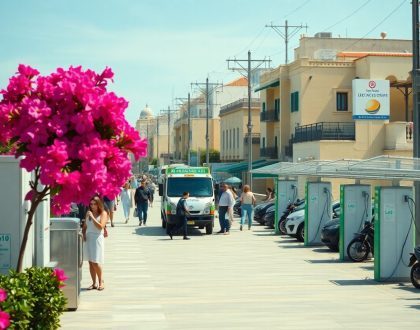
Malta tourism tests power grid
May 2, 2026