












Winter Festivals Across Malta
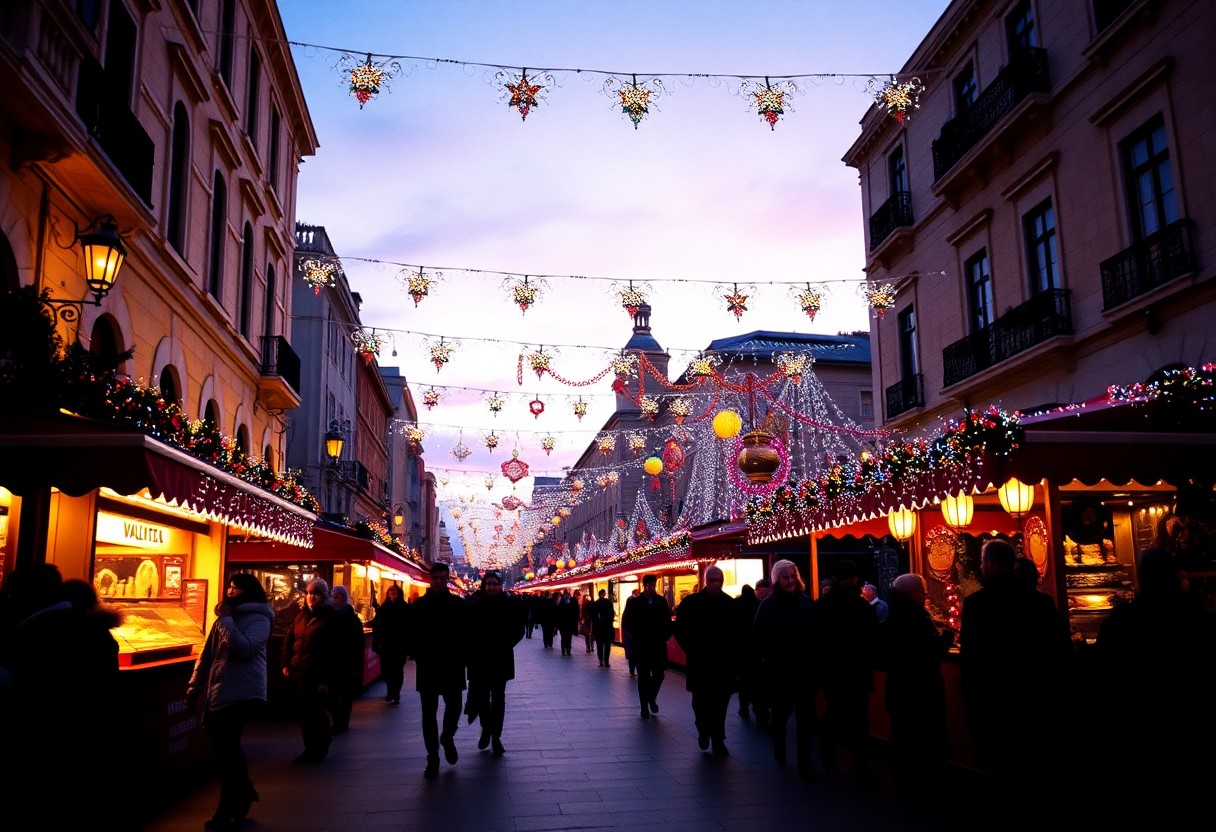
Rhythm pulses through the heart of Malta during the winter months, as vibrant festivals illuminate the island's rich cultural tapestry. These celebrations, deeply rooted in tradition, showcase dazzling parades, lively music, and delectable local cuisine, drawing locals and visitors alike. From the captivating lights of Valletta to the spirited events in smaller towns, Malta transforms into a festive wonderland. This blog post explores the unique characteristics and highlights of Malta's winter festivals, offering insights into a season of joy, unity, and celebration that captivates all who experience it.
Key Takeaways:
- Malta's winter festivals blend tradition, culture, and community engagement.
- Festivals feature local music, dance, and culinary experiences, highlighting Maltese heritage.
- Events often promote local artisans and businesses, boosting tourism during the off-peak season.
Historical Significance of Winter Festivals in Malta
Origins of Winter Celebrations
The origins of winter celebrations in Malta trace back to ancient times, where rituals and festivities were held to honor the changing of seasons. Early inhabitants participated in pagan practices, celebrating the winter solstice to mark the return of light. With the advent of Christianity, many of these traditions were infused with religious significance, evolving the celebrations into the vibrant festivals observed today.
Evolution Over the Centuries
Over the centuries, Malta's winter festivals have transformed significantly, influenced by various cultures and historical events. From the Knights of St. John in the 16th century, who introduced grand feasts and fireworks, to British colonial influences, which brought new music and customs, the festivals reflect a tapestry of cultural evolution that continues to adapt and thrive.


















Today, the fusion of traditions presents a unique blend of Maltese identity, incorporating elements of Italian, French, and British festivities. Events like the Christmas Village and the Carnival have maintained historical roots while embracing modern themes, ensuring relevance for contemporary audiences. The resilience and adaptability of these celebrations exhibit Malta's rich cultural heritage, making each festival a living history lesson.
Cultural Influences Shaping Maltese Festivals
The cultural landscape of Malta has been shaped by various civilizations, resulting in a diverse festival scene that celebrates both local and foreign traditions. Influences from Arabic, Italian, and British cultures are particularly evident in the music, food, and artistic expressions found during winter celebrations.
This blend is most apparent in the culinary offerings, where traditional Maltese dishes coexist with Italian delicacies, reflecting the island's historical connections. Musical genres, such as folk and contemporary pop, showcase a melting pot of influences, contributing to the vibrant atmosphere. The interplay of these cultures enriches the festivals, creating an inclusive space where Maltese identity is both celebrated and continuously redefined.
Major Winter Festivals in Malta
Festas of St. Nicholas
The Festas of St. Nicholas, celebrated in the town of Rabat, marks a vibrant centerpiece of Malta's winter calendar. This annual celebration, held in early December, features a procession, traditional music, and firework displays, honoring the town's patron saint. Visitors can enjoy local delicacies, with stalls showcasing Maltese treats, making it a joyous gathering for locals and tourists alike.
Christmas Celebrations
Malta's Christmas Celebrations are a delightful spectacle filled with lights, decorations, and traditions unique to the island. From the enchanting nativity scenes displayed in every village to the lively Christmas markets, these festivities create a magical atmosphere throughout December.
In addition to the festive decorations, communities come alive with carol singing and vibrant street performances. Traditional Maltese dishes like mince pies and figolli enhance the festive feast. The culmination is midnight Mass on Christmas Eve, a cherished tradition that attracts families to local churches. Many towns also host special events, including a Christkindlmarkt, where artisans sell crafts and seasonal foods.
New Year's Eve Festivities
New Year's Eve Festivities in Malta are marked by exuberance and celebration, especially in Valletta, where renowned parties take place. The capital transforms into a lively hub, filled with music and dance, drawing crowds eager to welcome the new year.
The night features an array of concerts and entertainment options that stretch well into the early morning hours. High-energy performances from local bands and DJs create an electrifying atmosphere. Fireworks over the Grand Harbour at midnight are a breathtaking highlight, offering a stunning visual backdrop for the festivities, making it an unforgettable experience for attendees.
Carnival Traditions
Carnival Traditions in Malta showcase a riot of color and creativity, as towns like Valletta and Nadur host elaborate parades in February. This pre-Lenten celebration is famous for its extravagant costumes and elaborate floats, reflecting Malta's rich cultural heritage.
Each village embraces its unique carnival character, with acts ranging from playful satirical performances to musical ensembles. Nadur is particularly known for its spontaneous street parties, where revelers don quirky masks and costumes. Competitions for the best floats and costumes are held, emphasizing community spirit and creativity. The festivities conclude with Ash Wednesday, marking the start of Lent, leaving lasting memories of jubilation and artistry behind.
The Role of Music in Winter Festivals
Traditional Maltese Music
Traditional Maltese music, characterized by its unique blend of Mediterranean influences, plays a significant role in winter festivals. Instruments like the għana (folk songs) performed with the guitar and accordion capture the essence of Maltese culture and heritage. Festas feature local bands that evoke nostalgia, often drawing crowds who participate in singing and dancing, reinforcing community bonds.
Contemporary Musical Influences
Contemporary musical influences have revitalized the winter festival scene in Malta, showcasing a fusion of genres that resonate with younger audiences. From pop and jazz to electronic music, local and international artists contribute to an eclectic lineup that appeals to diverse tastes. The incorporation of modern sounds creates dynamic performances that keep festival-goers engaged.
This blending of styles is evident in events like the Valletta Waterfront concerts, where local talents collaborate with international stars, providing a platform for emerging genres. Moreover, events often incorporate multilingual lyrics and contemporary themes, reflecting the shifting cultural landscape of Malta. This evolution highlights the importance of music in bridging generational gaps, fostering unity through shared experiences.
The Impact of Music on Festival Atmosphere
The atmosphere of Malta's winter festivals is undeniably enhanced by music, as it energizes crowds and accentuates the celebratory spirit of the events. Each note and rhythm amplifies the festive ambiance, inspiring joy and connection among attendees. Live performances create a sense of immediacy and excitement that recorded music cannot replicate.
Music acts as the heartbeat of festivals, facilitating interactions among participants and promoting communal celebrations. For instance, during the Feast of St. Paul, the lively brass bands invigorate the streets, encouraging impromptu dance-offs and storytelling. Such interactions not only elevate the experience but also create lasting memories, drawing visitors back year after year to partake in the vibrant atmosphere Malta's winter festivals uniquely offer.
The Culinary Delights of Malta's Winter Festivals
Traditional Winter Dishes
Each winter festival in Malta showcases heartwarming traditional dishes that reflect the island's rich culinary heritage. Feast on rabbit stew (Fenkata), often slow-cooked with garlic and wine, alongside comforting dishes like a steaming bowl of Minestra, a wholesome vegetable soup. These meals not only sustain the festive atmosphere but also bring communities together, celebrating the season with age-old recipes passed down through generations.
Festive Confections and Sweets
The holiday season in Malta bursts with festive confections, where local sweets dominate the culinary landscape. A must-try is the luscious honey-focused treat, Helwa tat-Tork, a traditional nougat infused with almonds, sesame, and honey. Another festive favorite, Qaghaq tal-Ghasel, showcases a rich pastry filled with a decadent fig jam, perfectly embodying the sweet spirit of the winter season.
Festive confections serve as an integral part of celebrations, often enjoyed during social gatherings and family events. The vibrant flavors and unique textures of these sweets resonate with both locals and visitors, creating a delightful experience. Bakeries come alive with these treats during festivals, ensuring that the aroma of freshly baked goods adds to the cheer, making the sweet indulgence a cherished winter ritual.
The Role of Local Ingredients
Local ingredients play a pivotal role in shaping the flavors and authenticity of Malta's winter festival cuisine. Many traditional dishes are crafted using ingredients sourced from nearby farmers, ensuring freshness and supporting local agriculture. The rich Mediterranean climate fosters an abundance of produce, from aromatic herbs to succulent vegetables, which are staples in Maltese cooking.
Seasonal ingredients such as fava beans, fresh fish, and citrus fruits enrich the culinary landscape during winter festivals. Utilizing these local products not only helps maintain flavor integrity but also promotes sustainability and community connection. Chefs and home cooks alike take pride in showcasing these elements, creating dishes that reflect the island's identity while celebrating the harvest season.
Art and Architecture in Winter Festival Celebrations
Decorative Elements of Churches and Streets
During winter festivals, churches and streets across Malta transform into vibrant displays of creativity. Churches, adorned with intricate nativity scenes and colorful lights, become focal points for community gatherings. Streets are festooned with illuminated banners, while local artisans set up stalls showcasing handmade crafts, creating an immersive atmosphere that embodies the spirit of the season.
Art Installations and Exhibitions
Art installations and exhibitions during Malta's winter festivals attract both locals and tourists. Galleries and public spaces feature works from contemporary Maltese artists, reflecting the island's rich cultural heritage. This year, an installation in Valletta, designed to evoke the island's maritime history, has drawn significant attention, illustrating the profound connection between art and local traditions.
One particularly notable exhibition is the “Maltese Souls” showcase, presenting a diverse range of artworks that explore themes of identity and belonging. Artists use mixed media to represent Malta's complexities, encouraging viewers to engage deeply with the narratives woven into the island's fabric. Participatory events, such as workshops led by the featured artists, foster community interaction and inspire budding talents.
The Influence of Baroque Architecture
The influence of Baroque architecture is evident throughout Malta, especially during winter festivals when historical buildings serve as backdrops to the celebrations. Baroque churches like St. John's Co-Cathedral in Valletta stand out with their ornate facades and elaborate interiors, enhanced by festive decorations that highlight their artistic grandeur.
This architectural style not only reflects Malta's historical wealth but also adds dramatic flair to winter festivities. The play of light on the gilded surfaces of the churches creates a magical ambiance, drawing visitors into the rich narrative of the island's past. The juxtaposition of the contemporary art displays against these grand structures communicates a dialogue between history and modernity, enriching the overall festival experience.
Community Involvement in Festival Organization
The Role of Local Societies
Local societies serve as the backbone of Malta's winter festivals, uniting communities through shared traditions and cultural heritage. Established organizations, such as band clubs and parish councils, play a pivotal role in planning events, from parades to religious processions, ensuring that each festival reflects the unique character of its locality.
Volunteering and Community Spirit
The essence of Malta's winter festivals thrives on the dedication of volunteers who bring vibrant energy and enthusiasm. Residents from all walks of life join forces to set up events, promote activities, and create an inviting atmosphere for both locals and tourists alike, fostering a sense of unity and pride.
Volunteering during these festivals often spans multiple months, with individuals engaging in various roles, from decoration and logistics to entertainment coordination. This active participation cultivates a strong community bond, as neighbors work side by side, sharing skills and creating lasting friendships while ensuring the success of these cherished celebrations.
Intergenerational Involvement
Intergenerational involvement is a key feature of Malta's winter festivals, bridging the gap between young and old. Families often participate together, sharing knowledge, traditions, and experiences, which helps preserve cultural identity while fostering respect across age groups.
Many festivals include activities designed to engage participants of all ages, from children's workshops to traditional dance performances. These initiatives not only entertain but also encourage storytelling and mentorship, allowing older generations to pass down cultural legacies while inspiring younger participants to embrace and contribute to their heritage.
The Influence of Tourism on Winter Festivals
Visitor Participation and Experience
Winter festivals in Malta attract a diverse range of tourists, enriching the local atmosphere. Visitors engage in unique activities like traditional cooking classes and cultural performances, fostering a deep connection with Maltese heritage. The immersive experience of enjoying festive decorations and local delicacies enhances their appreciation of the island's culture. This participation not only delights tourists but also encourages them to share their experiences, further promoting Malta's appeal as a winter destination.
Economic Impact of Festivals
Malta's winter festivals significantly contribute to the local economy, generating millions in revenue. Hotel bookings and restaurant patronage see a surge during these events, offering vital income to local businesses. Tourism-related activities, such as guided tours and artisan markets, foster economic growth and provide job opportunities in the community.
The economic impact of winter festivals extends beyond immediate revenue. According to the Malta Chamber of Commerce, these events attracted over 400,000 visitors last year, leading to a reported 12% increase in seasonal tourism revenue. Additionally, the demand for local products and crafts spurred by festival attendees supports artisans and cultivates a sustainable market for Maltese goods, reinforcing the community's financial resilience.
Balancing Tradition and Modern Tourist Expectations
As tourism in Malta grows, balancing traditional festival elements with modern expectations poses a challenge. While maintaining authentic cultural expressions, organizers often integrate contemporary aspects like technology and social media promotions to engage younger audiences. This approach creates a more dynamic festival atmosphere that resonates with both locals and visitors.
To effectively bridge this gap, festivals have started incorporating interactive elements, such as live streaming events or mobile applications that provide detailed information on festival schedules and local history. Such adaptations ensure that traditions remain intact while appealing to the ever-evolving tourist demographic, fostering greater participation and satisfaction during the winter season.
Religious Observances and Significance
Spirituality During Festivals
In Malta, winter festivals intertwine deeply with spirituality, reflecting the island's rich Catholic heritage. Celebrations such as Christmas and the Feast of St. Paul's Shipwreck attract thousands, with locals participating in midnight masses and Eucharistic celebrations. These observances instill a sense of community and faith, as families come together to reflect on the season's meaning and share their traditions.
Processions and Rituals
Processions serve as vivid expressions of faith during Malta's winter festivals. Vibrantly adorned statues of saints are carried through the streets, accompanied by prayers, hymns, and floral tributes. The procession of St. Paul, for instance, features local bands and volunteers, showcasing deep-rooted devotion that unites communities across the islands during sacred events.
One celebrated procession occurs on the Feast of St. Paul's Shipwreck in Valletta, where a large statue of the saint is paraded with reverence. Thousands gather to participate, dressed in traditional attire, while local band clubs provide spirited music that resonates throughout the city. Such events highlight the festive atmosphere and collective joy, reinforcing the community's shared beliefs and devotion to their patron saints.
The Intersection of Faith and Tradition
Winter festivals in Malta represent a seamless fusion of faith and local tradition, marked by unique rituals that have been passed down through generations. Each festival showcases not only the religious significance but also the cultural practices that make these occasions truly special. Activities like preparing traditional foods further enhance the sense of continuity and nostalgia among attendees.
The interplay of faith and tradition is evident in the way local crafts, music, and culinary practices are integrated into religious celebrations. For instance, the preparation of festive sweets like qaghaq tal-luqaq during Christmas complements local caroling traditions. This blend underscores how these festivals facilitate cultural expression while simultaneously reinforcing the spiritual foundation of the community, ensuring that both aspects remain vital to Malta's identity.
Thematic Focus of Winter Festivals
Themes Representing Local Culture
Winter festivals in Malta are rich in themes that celebrate the island's heritage, such as feasts dedicated to patron saints, traditional music, and folkloric performances. Events like the Feast of St. Paul or the Christmas Village in Valletta showcase local crafts, cuisine, and historical reenactments, fostering a deeper appreciation for Maltese traditions among residents and visitors alike.
Environmental Awareness and Sustainability
Many winter festivals now emphasize environmental stewardship, integrating sustainability into their programs. Initiatives include waste reduction through recycling stations and promoting local, organic produce in food stalls, thereby encouraging eco-friendly practices among attendees.
This focus on sustainability also manifests in collaborations with local environmental organizations, which offer workshops on conservation and responsible tourism. Events feature eco-friendly decorations and energy-efficient lighting, showcasing how cultural celebrations can align with environmental responsibility. Engaging the community in clean-up efforts after festivals further strengthens the connection between celebration and caring for the planet.
Celebrations of Diversity and Inclusion
The winter festivals embrace diversity by highlighting cultural expressions from various communities, providing a platform for multicultural performances and culinary demonstrations. This inclusivity allows for a vibrant exchange of traditions, enriching the overall experience for all attendees.
By featuring international artists and cultural groups, these festivals create a space for understanding and appreciation of different heritages. The incorporation of global cuisines and music fosters an atmosphere of unity, encouraging dialogue and cooperation among diverse populations. Such celebrations not only entertain but also play a vital role in promoting social cohesion within Malta's multicultural landscape.
Impact of Weather on Festival Dynamics
The Influence of Malta's Winter Climate
Malta's winter climate, characterized by mild temperatures averaging 10-15°C, creates a unique atmosphere for festivals. Rainfall is more frequent during this season, necessitating adjustments in planning and execution. Despite potential weather-related disruptions, the relatively temperate conditions can enhance the appeal of outdoor festivities, attracting both locals and tourists to engage with the vibrant celebrations.
Adaptations to Weather Challenges
Festival organizers in Malta skillfully adapt to weather challenges by incorporating contingency plans. With unpredictable rain showers and gusty winds, many events feature backup locations and flexible scheduling. This proactive approach ensures that the festivities continue, regardless of what nature throws their way, keeping participants engaged and entertained.
For example, during the Valletta Carnival, organizers have established multiple indoor venues that can host activities if outdoor conditions worsen. This has been particularly effective, allowing traditional parades, performances, and competitions to occur under cover. The ability to swiftly transition events reinforces resilience and guarantees a consistent festival experience, regardless of meteorological whims.
Utilization of Indoor vs. Outdoor Venues
The selection of venues plays a vital role in the success of winter festivals in Malta. Outdoor events utilize public squares and historic streets, enhancing the cultural ambiance, while indoor venues offer shelter and comfort. Planners often balance these factors by providing a mix of both to maximize participation and enjoyment.
Indoor venues like local halls and theaters are often utilized for performances and workshops during inclement weather, ensuring that key features of the festival remain accessible. Conversely, outdoor spaces encourage social interaction and create a festive atmosphere, vital for parades and markets. This adaptability not only enhances the festival experience but also supports local businesses by drawing visitors to various locations around the island.
Participation of International Artists
Collaboration with Global Performers
Winter festivals in Malta frequently feature collaborations with international artists, enriching the local scene. These artists bring diverse styles and perspectives, enhancing the cultural tapestry of the festivals. Events like the Valletta International Baroque Festival showcase renowned musicians from across Europe, creating a blend of traditional Maltese and global influences that attract both locals and tourists alike.
The Role of Foreign Influences in Local Festivals
Foreign influences play a pivotal role in shaping Malta's winter festivals, infusing them with new sounds, styles, and artistic practices. Notably, the Mediterranean Festival of Arts welcomes performers from various countries, highlighting how global creativity can harmonize with Maltese traditions. Such interactions not only elevate the artistic quality but also broaden community engagement with international culture.
Artists from regions such as North Africa, Europe, and the Middle East participate in unique performances that reinterpret local folklore and music. This blending of styles fosters an inclusive environment, allowing Maltese audiences to experience a spectrum of cultural expressions. Performances may feature traditional Maltese instruments alongside contemporary global music, showcasing how intermingling influences can lead to a richer festival experience, ultimately contributing to the preservation and evolution of Malta's cultural identity.
Cross-cultural Exchange
Cross-cultural exchange is a defining element of Malta's winter festivals, promoting dialogue among diverse cultures. Events such as the Malta Mediterranean Music Festival highlight collaborative performances that celebrate both local and international heritage, fostering an appreciation for musical diversity.
This exchange goes beyond mere performances; it facilitates workshops and discussions that engage audiences in understanding different artistic traditions. For instance, local artists often participate in collaborative projects with international performers, sharing skills and techniques that enhance their creative practices. As a result, the festivals not only entertain but also serve as platforms for intercultural dialogue, helping to cultivate a sense of global community through the arts.
Youth Engagement and Future of Winter Festivals
Initiatives for Young People
Engaging youth in winter festivals is paramount to ensuring their vibrancy and evolution. Initiatives such as youth-led committees and volunteer programs actively involve young people in planning and executing events. For instance, the “Youth for Culture” initiative empowers students to collaborate on festival design, providing a platform for their creative expression while cultivating a sense of ownership over their cultural heritage.
Educational Programs Related to Festivals
Educational programs are important for instilling a deeper understanding of Malta's winter festivals among young people. Workshops focused on traditional crafts, music, and history encourage students to explore their cultural roots while developing practical skills.
These programs often involve collaboration with local schools and cultural organizations, fostering awareness and appreciation for Malta's rich traditions. For example, schools integrate festival-related projects into their curricula, where students research, create presentations, or even participate in festival-related activities, bridging the gap between education and cultural celebration.
Future Directions and Sustainability
Looking ahead, the sustainability of winter festivals relies on innovative approaches that resonate with younger generations. Implementing eco-friendly initiatives, such as waste reduction and carbon-neutral practices, is becoming more common, creating a more sustainable festival environment.
In the pursuit of sustainability, Malta's winter festivals are increasingly incorporating local produce and artisans, fostering community involvement and environmental responsibility. By emphasizing local talent and sustainable practices, these festivals not only preserve Maltese culture but also adapt to the values of younger audiences, ensuring their relevance and continuity in the years to come.
Documenting Malta's Winter Festivals
Photography and Videography
Capturing the essence of Malta's winter festivals through photography and videography is vital for preserving their vibrant narratives. Photographers aim to document colorful parades, intimate gatherings, and breathtaking spiritual ceremonies, encapsulating the series of lively events that unfold. These visual records not only serve as art but also as historical archives, allowing future generations to experience the festivals' atmosphere and cultural significance.
Literary Representations in Local and Global Contexts
Literature often echoes the rich tapestry of Malta's winter festivals. Local authors draw upon personal experiences, weaving stories around traditional celebrations that resonate with both residents and diaspora. In contrast, global literature contextualizes Malta within broader themes of cultural exchange, highlighting the melting pot nature of its traditions.
Research has shown that literature reflecting Malta's winter festivities often explores themes of identity, community, and resilience. Works by authors such as Immanuel Mifsud and Joseph A. Gauci contribute to a deeper understanding of how these festivals influence Maltese culture. They engage with the local populace's sentiments while inviting international readers to appreciate the unique flavor of Malta's wintry celebrations. These narratives foster a sense of belonging and contribute to the islands' cultural heritage, reaching beyond borders and affirming Malta's place in a global context.
The Role of Social Media
Social media serves as a powerful tool in promoting Malta's winter festivals, bridging the gap between tradition and modernity. Platforms like Instagram and Facebook enable festival organizers and attendees to share real-time experiences, fostering a sense of connection among participants. The visually driven nature of these platforms enhances engagement, drawing a wider audience.
During recent winter festivals, specific hashtags have generated thousands of posts, showcasing the vibrancy and uniqueness of each event. For example, local influencers and travelers alike contribute to the narrative, creating a mosaic of perspectives ranging from stunning imagery of parades to behind-the-scenes looks at the preparations. This digital storytelling elevates the festivals' profile globally, encouraging tourism and sparking interest from those curious about Malta's cultural richness. Social media has transformed how the festivals are perceived and experienced, highlighting the importance of community engagement in the digital era.
Summing up
With this in mind, Malta's winter festivals encapsulate a vibrant fusion of tradition and contemporary celebration, showcasing the island's rich cultural heritage. These events not only attract tourists but also foster community spirit, offering unique experiences through music, food, and local customs. As winter descends, the lively atmosphere serves as a testament to Malta's resilience and enduring charm, making it a must-visit destination during this season. Ultimately, the rhythm of these festivals highlights the island's ability to bring people together in festive unity.
FAQs
What makes Malta’s winter festivals unique?
Malta’s winter festivals combine deep-rooted religious traditions, vibrant music, local cuisine, and strong community involvement, creating celebrations that reflect the island’s layered history and identity.
When do winter festivals typically take place in Malta?
Winter festivals in Malta usually run from early December through February, covering Christmas celebrations, New Year’s events, and Carnival festivities before Lent begins.
Are Malta’s winter festivals suitable for tourists?
Yes, the festivals are highly accessible to tourists, offering cultural performances, markets, guided activities, and opportunities to experience authentic Maltese traditions.
Which are the most popular winter festivals in Malta?
Key winter festivals include Christmas celebrations across the island, New Year’s Eve events in Valletta, the Festas of St. Nicholas in Rabat, and Carnival in Valletta and Nadur.
How important is religion in Malta’s winter festivals?
Religion plays a central role, especially in Christmas celebrations and saint feasts, with masses, processions, and rituals forming the spiritual foundation of many festivals.
What types of food are featured during winter festivals?
Winter festivals highlight traditional Maltese dishes such as rabbit stew, vegetable soups, festive pastries, honey-based sweets, and seasonal baked goods made with local ingredients.
How does music influence the festival atmosphere?
Music is essential to Malta’s winter festivals, ranging from traditional folk songs and brass bands to modern pop and international performances that energize crowds and enhance celebration.
Do winter festivals benefit Malta’s economy?
Yes, winter festivals significantly boost tourism during the off-peak season, increasing hotel occupancy, restaurant business, artisan sales, and local employment opportunities.
How do local communities participate in festival organization?
Local band clubs, parish councils, volunteers, and families collaborate in planning, decorating, performing, and hosting events, strengthening community bonds and cultural continuity.
How do festivals balance tradition with modern expectations?
Organizers preserve traditional customs while integrating modern elements such as contemporary music, digital promotion, sustainability initiatives, and interactive experiences for diverse audiences.

Paula Nancy
Hello and Welcome to my profile. I'm a UK based entrenched full-time Blogger, Journalist, columnist and a certified writer with many years of sound writing experience. If you need a high-quality and original content, I'm here to provide you with the best writing services.
Related Posts
Year round travel in Malta
May 12, 2026
Spring Adventures In Malta
May 11, 2026
Malta Early Spring Travel Boom
May 9, 2026
Budget airlines lift Malta tourism
May 8, 2026
Spring visitors spend more in Malta
May 7, 2026
Malta airport traffic rises in spring
May 6, 2026

Malta hotel occupancy trends in spring
May 5, 2026
Malta attracts new spring travelers
May 4, 2026
Malta tourism tests power grid
May 2, 2026