













Tourism Boom and Local Impact
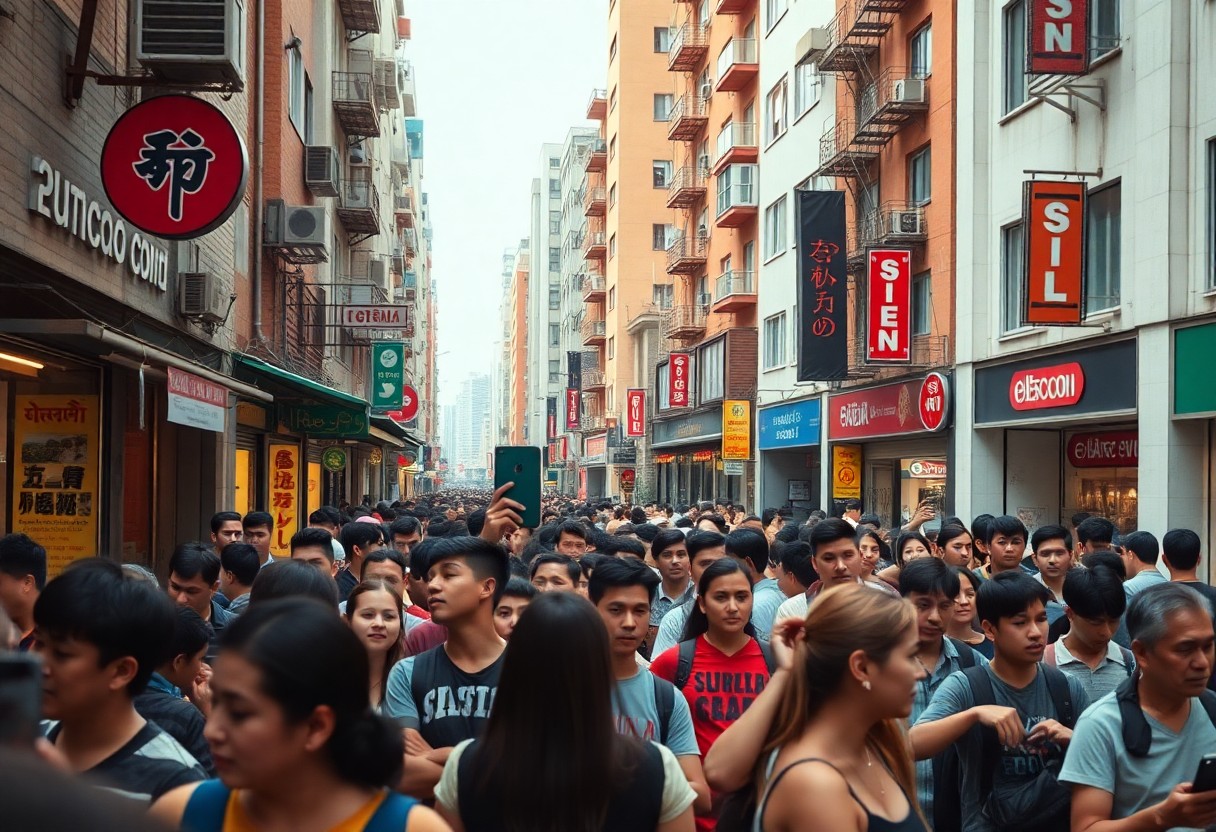
Booming tourism has transformed numerous destinations into bustling hotspots, often at the expense of local communities. As travelers flock to popular spots in search of unique experiences, many residents find their neighborhoods overrun and their way of life disrupted. This post probes into the implications of this trend, examining the friction between local needs and the insatiable demand for adventure, while highlighting voices from those who inhabit these once-peaceful locales. Understanding this phenomenon is vital for fostering a sustainable relationship between tourists and the communities they visit.
The Alarming Rise of Tourist Numbers
Statistical Growth of the Industry
The tourism sector has experienced unparalleled growth over the last decade, with international tourist arrivals increasing from 1 billion in 2012 to over 1.5 billion in 2019, according to the World Tourism Organization. This sharp rise reflects a booming global economy and improved accessibility, as travel becomes more affordable and air travel routes expand. As the world slowly recovers from the impacts of the pandemic, forecasts suggest that numbers may reach pre-COVID levels, if not exceed them, by the end of 2024.
Key Destinations Sparking the Surge
Several iconic locations have seen a remarkable surge in tourist traffic, including cities like Barcelona, Bali, and Venice. These destinations, known for their unique cultural offerings, stunning landscapes, and vibrant atmospheres, have become magnets for travelers around the globe. They often serve as case studies for the benefits and burdens that mass tourism can impose on local infrastructure and resources. As demand escalates, these locales grapple with the pressing need to balance visitor satisfaction with the well-being of residents.


















Barcelona, with its rich history and architectural marvels, has reported a 25% increase in tourists over five years, reaching nearly 30 million visitors annually. This influx has strained public services and increased the cost of living for locals, sparking protests against overcrowding and gentrification. Similarly, Bali's beautiful beaches attract millions, yet the rapid development to accommodate tourists has led to resource depletion and environmental concerns, including waste management crises. Each destination provides a stark reminder of how tourism can change landscapes, both literally and culturally, often without the input of those who call these places home.
The Economic Mirage: Benefits vs. Disadvantages
Short-Term Gains for Local Businesses
The influx of tourists has provided an immediate boost to local businesses. Restaurants, shops, and hotels have seen a significant uptick in revenue, often reporting increases of 30% or more during peak seasons. This surge allows businesses to hire additional staff and invest in renovations or new product lines, fostering a vibrant, albeit temporary, economic landscape. Many communities have crafted lucrative souvenir markets and experiential tours to capitalize on this windfall, signifying a direct economic benefit from tourist dollars.
Long-Term Economic Impacts on Residents
On the flip side, the long-term economic implications for residents can be more complex and potentially harmful. Housing markets often face strain as property values soar due to demand for vacation rentals, pushing locals out of their communities. Additionally, important services can become strained under the pressure of a constantly growing population, leading to increased costs that local residents ultimately bear. The reliance on tourism can create a precarious economic situation where the local economy becomes overly dependent on fluctuating tourism trends.
As tourism continues to dominate local economies, the fabric of communities begins to fray. A prime example is the city of Venice, where property rental prices have skyrocketed, driving out long-term residents in favor of tourists. In places like Barcelona, local protests against short-term rentals aim to combat the displacement of families due to gentrification driven by investor-driven short-term rental markets. This ongoing struggle illustrates the broader challenge of balancing short-term gains with the sustainable long-term needs of communities, ultimately questioning whether the economic boom is beneficial or if it simply masks deeper issues that foster inequity and social dislocation.
The Plethora of Perceived Benefits
Job Creation and Employment Opportunities
The surge in tourism has created a multitude of job openings across various sectors, enhancing employment opportunities for local residents. Hospitality industries, including hotels, restaurants, and travel agencies, have thrived, often leading to a significant reduction in local unemployment rates. Consider coastal towns where seasonal positions transform into year-round roles due to the high demand for services, allowing numerous individuals to secure stable incomes.
Infrastructure Improvements and Investment
Tourism often catalyzes substantial improvements in local infrastructure, such as transportation networks, public facilities, and recreational areas. These upgrades not only accommodate the influx of visitors but frequently enhance the quality of life for residents as well. For instance, municipalities may invest in better roads, parks, and public transit systems, driven by the imperative to attract and maintain tourist interest.
Project examples abound where cities have seen infrastructure investments take shape with tourism in mind. In Barcelona, a surge in visitors prompted the local government to improve its public transport system and develop pedestrian-friendly spaces. Meanwhile, cities like Amsterdam and Venice have also revitalized their waterfront areas, blending aesthetic enhancements with functional improvements. The long-term commitment to infrastructure driven by tourism can yield enduring benefits for both residents and visitors, ultimately reshaping towns for the better. However, the true challenge remains: ensuring these benefits do not come at the expense of the local culture and community wellbeing.
The Inconvenient Truth Behind Overtourism
Strain on Local Resources and Services
Rapidly increasing tourist footfall has placed immense pressure on local amenities, from public transport systems to waste management services. For instance, cities like Barcelona have reported a 25% increase in waste generation during peak tourist seasons, overburdening collection services and leading to overflowing bins in popular areas. Public infrastructure, such as roads and sanitation facilities, can quickly become under-resourced, diminishing the quality of life for residents and tourists alike.
Environmental Degradation and Conservation Challenges
The consequences of overtourism extend far beyond discomfort, as natural landscapes and ecosystems face serious disturbances. Beaches in Thailand, once celebrated for their pristine conditions, have suffered erosion and contamination from excessive foot traffic and littering, prompting authorities to temporarily close popular sites for recovery efforts. This not only highlights the immediate impact of tourism on biodiversity but also raises questions about the long-term sustainability of these treasured locations.
In many regions, the delicate balance between human activity and environmental conservation is disrupted. Coastal ecosystems such as coral reefs are particularly vulnerable, with studies indicating a 50% decline in reef health in areas frequented by divers and snorkelers. Wildlife habitats also face fragmentation as tourist developments encroach upon natural areas. Governments and conservation groups are increasingly finding it difficult to maintain these ecosystems while accommodating the influx of visitors. Strategies, such as timed entry systems and strict visitor limits, are being explored but often meet resistance from businesses reliant on tourist dollars, reflecting the ongoing tension between economic benefit and environmental stewardship.
Shifting Cultural Dynamics: The Balancing Act
Erosion of Local Traditions and Identity
As tourist numbers swell, the essence of local culture often becomes diluted. Traditional celebrations, food, and customs may be overshadowed or altered to cater to the expectations of visitors. For example, in Bali, sacred ceremonies may be modified into performances aimed at entertainment, losing their spiritual significance. This erosion can lead to a homogenization of cultural expressions, diminishing the rich tapestry that once distinguished each community.
Rise of Authenticity vs. Commercialization
The tension between offering authentic cultural experiences and the commercialization of those experiences is palpable. In cities like Barcelona, local artisans transform their crafts to appeal to tourists, but this often sacrifices quality and tradition for ease of production. Local markets, once bustling with genuine local goods, now feature trinkets and souvenirs that lack depth and meaning. This clash leaves communities grappling with what it means to remain true to their heritage while adapting to the demands of an ever-evolving market.
Communities are increasingly aware of the need to retain their authentic identities as tourism evolves. In response, many local leaders are initiating programs aimed at preserving traditions while still profiting from tourism. For instance, some villages encourage genuine engagement by promoting workshops where visitors can participate in traditional crafts or cooking classes, creating a more enriching experience that honors local culture. However, the challenge remains in finding that delicate balance where local identity and tourism development coalesce, ensuring both can thrive without overshadowing one another.
The Residents' Perspective: Voices from the Ground
Anecdotal Experiences of Locals
Residents often share stories of how the surge in tourism has altered the fabric of their daily lives. One café owner recalled having to change her hours to accommodate the influx of visitors, often sacrificing evenings with her family. Meanwhile, the noise from increased foot traffic and late-night parties has disrupted the once serene neighborhoods, prompting many locals to feel as if they've lost their community to an endless cycle of vacationers seeking leisure.
Community Resistance Movements
In response to the challenges posed by tourism, various grassroots movements have emerged, emphasizing the need for responsible travel and preservation of local culture. These setups host community meetings and awareness campaigns, urging visitors to respect local norms while advocating for policies that prioritize residents' quality of life. Activists have also been vocal about addressing issues like housing affordability and environmental sustainability, initiating petitions to local governments to recalibrate the balance between economic gain and community well-being.
One prominent community-led initiative, “Local First,” has gained traction by promoting businesses that emphasize sustainable practices and only welcome visitors who understand the importance of cultural preservation. This movement has organized events where locals share their stories, perspectives, and concerns about over-tourism directly with visitors, fostering a deeper appreciation for the places they're exploring. Recent studies indicate that communities with strong resistance movements have shown resilience, with a reported 25% decrease in tourist-related noise complaints after their initiatives took flight, proving the power of unified local voices. This evidence not only reinforces the need for community input but also highlights a shift towards more conscientious tourism that values rather than utilizes local populations.
Social Media's Role in the Tourist Explosion
The Influence of Influencers and Virtual Tours
Influencers wield significant power in shaping travel trends, often turning lesser-known destinations into must-visit spots overnight. With platforms like Instagram and TikTok dominating travel conversation, influencers showcase glamorous snapshots and videos that entice their followers to explore these hidden gems. Virtual tours, curated by these influencers, give potential tourists a taste of experiences they can't resist. This trend has generated a whirlwind of excitement and a rush of visitors, yet many locals feel the pressure of catering to sudden and overwhelming interest.
Hashtag Cultures and Their Impact on Destination Choices
Hashtag cultures play a transformative role in how travelers choose their destinations. Popular tags such as #Wanderlust or #TravelGoals not only evoke a sense of adventure but also create a collective narrative surrounding particular locations. As users scroll through feeds filled with picturesque locations, the urgency to visit those places grows, driving decision-making in ways that directly affect local communities.
The power of hashtags extends beyond individual posts; they influence travel trends on a broader scale. Destinations tagged in viral posts often see an influx of visitors wanting to recreate the same aesthetic. For example, locations like Thailand's Maya Bay gained explosive popularity due to its presence in the film “The Beach” and subsequent hashtags, resulting in overtourism that locals never anticipated. Ultimately, hashtag cultures can pave the way for unsustainable tourism practices, as sites once tranquil become inundated with eager travelers vying for the perfect shot, leaving locals to grapple with the changes that follow.
Policy Failures: Regulation and Response
The Lack of Effective Tourism Management by Authorities
The absence of robust frameworks to manage tourism growth has left many local communities grappling with overwhelming visitor numbers. Authorities often prioritize short-term economic gains over sustainable development, resulting in inadequate infrastructure and services. Resources for vital public amenities like transportation and waste management have fallen short, leading to overburdened systems that locals struggle to navigate. This mismanagement reveals a disconnect between policymakers and the realities residents face daily, leaving communities strained and frustrated.
Case Studies in Successful and Unsuccessful Regulation
Examining different approaches to tourism regulation reveals stark contrasts in outcomes. Successful case studies demonstrate how strategic planning and community engagement can lead to sustainable tourism, while unsuccessful attempts expose the pitfalls of neglect and bureaucratic indifference. The effectiveness of regulations can often be quantified through visitor satisfaction, environmental impact, and economic benefits to residents. Analysis of several case studies provides valuable insights for future tourism policies.
- Venice, Italy: Introduced a visitor cap in 2021, limiting daily tourist numbers to 30,000, leading to a 20% decrease in congestion and improved local satisfaction ratings.
- Bali, Indonesia: Implemented a ‘stay for 3 days' campaign which increased tourism spending by 15% while significantly lessening visitor numbers and environmental strain.
- Barcelona, Spain: Enforced a tourist tax that generated over €30 million in 2020, allocated towards public services to mitigate tourism impacts, improving local infrastructure.
- Amsterdam, Netherlands: Banned new Airbnb rentals in the city center in 2019, resulting in a 40% drop in short-term rentals and restoring neighborhood balance.
These examples of regulation highlight the importance of balanced approaches in destination management. Venice's cap on visitors has shown promise in diminishing overcrowding, while Barcelona's tourist tax funding for local services has bolstered community support. In contrast, the failures in places like overtouristed Santorini expose the risks of ignoring resident feedback and prioritizing profits over people, leading to environmental degradation and local disillusionment.
Innovative Solutions: Local-led Initiatives and Alternatives
Community-based Tourism Models
In response to overwhelming tourist influx, many communities are embracing community-based tourism models that prioritize local culture and sustainability. These initiatives empower residents to design and lead tourism experiences that genuinely reflect their heritage while managing visitor numbers. Examples include community-led hiking tours in Nepal and artisan workshops in craft-rich regions, allowing travelers to engage directly with local traditions, ensuring that economic benefits remain within the community.
Sustainable Practices for Future Preparedness
Adopting sustainable practices is crucial for protecting local ecosystems and cultures while maintaining a thriving tourism industry. Initiatives such as limiting visitor capacity, implementing seasonal tourism regulations, and promoting eco-friendly transport options are gaining traction. Additionally, collaboration with environmental organizations can lead to enriching tour experiences that educate tourists about local biodiversity and conservation efforts.
For instance, Finland's “Sustainable Travel Finland” program encourages local businesses to adopt eco-friendly practices and showcases them to travelers as an attractive alternative. This initiative promotes not just the preservation of natural landscapes but also drives local economies by aligning tourist interests with environmental stewardship. Establishing a framework that emphasizes sustainable practices can ensure that tourism benefits communities without sacrificing their integrity or natural resources. Through innovative local initiatives, a more balanced relationship between visitors and residents can be forged, securing the future of destinations facing challenges from tourism surges.
The Role of Technology: Streamlining Solutions
Apps and Platforms for Responsible Tourism
Innovative apps and platforms have emerged, designed to promote responsible tourism by connecting travelers with local experiences that prioritize sustainability. For instance, platforms like “Airbnb Experiences” and “GetYourGuide” encourage visitors to engage in activities that directly benefit local communities. By providing users with real-time data on eco-friendly options, these tools empower tourists to make informed choices, reducing the negative impacts of their visits on local ecosystems.
Data-Driven Decision Making in Managing Tourist Flow
Harnessing data analytics allows cities to navigate the complexities of tourist management more effectively. By utilizing visitor tracking technologies and analyzing foot traffic patterns, local governments can develop strategies to redirect crowds away from overburdened areas, such as popular attractions. This proactive approach not only enhances the experience for visitors but also enables residents to reclaim public spaces.
Advanced data analytics integrate diverse information sources, from social media trends to transit usage patterns, creating a comprehensive understanding of tourist behavior. Cities like Amsterdam have deployed these techniques with success, employing real-time data to manage bike rentals during peak hours. By fostering collaboration between tech companies and city planners, we can create adaptive pathways that align tourist volume with the community's capacity, ensuring that the local infrastructure can support both residents and visitors alike.
Global Examples: Learning from the Best and Worst
Cities That Successfully Managed Tourist Influx
Barcelona serves as a prime example of successfully managing tourist influx through strict regulations on short-term rentals and strategic investment in infrastructure. The city introduced a tourism tax, funding local projects while limiting visitor numbers during peak times. Similarly, Kyoto implemented a reservation system for its most popular temples, ensuring a controlled flow that respects both tourists and residents, minimizing congestion and preserving cultural heritage.
Destinations Facing Severe Backlash Due to Overcrowding
Venice, once celebrated for its romantic canals, now grapples with excessive tourist numbers that threaten its very existence. Local residents have expressed frustration with the overwhelming crowds, leading to the introduction of entry fees aimed at curbing the influx. The Galápagos Islands also face a dilemma; while tourism boosts the economy, it endangers the delicate ecosystems that make the islands unique, resulting in calls for strict visitor limits.
The backlash against overtourism in destinations like Venice and the Galápagos is intensifying as local communities grow increasingly vocal about their struggles. In Venice, reports indicate that over 30 million tourists visit annually, dwarfing the city's population of around 260,000. The environmental impacts are stark; aquatic ecosystems suffer as countless cruise ships pollute the waters. In the Galápagos, the balance between economic growth and sustainability hangs by a thread, with heightened regulations and community-driven initiatives becoming more critical than ever for preserving these unique environments for both locals and future visitors.
Changing the Narrative: Advocating for Local Needs
Grassroots Movements Influencing Policy Change
Local advocacy groups are rising to challenge existing tourism policies that prioritize profit over community welfare. Through campaigns, petitions, and public forums, these grassroots movements are gaining traction, leading to tangible reforms in cities like Barcelona and Venice. For instance, the “Stop Mass Tourism” initiative in Barcelona has successfully influenced municipal regulations, limiting tourist rentals and promoting community-first policies.
The Importance of Local Voices in Tourism Development
Integrating local voices into tourism planning enables a more sustainable and equitable industry. Residents possess invaluable insights about their community, including cultural values, environmental concerns, and current challenges that external stakeholders may overlook. For example, in places like Bali, local farmers have banded together to influence the tourism sector, ensuring that sustainable agricultural practices are supported and that economic benefits remain within the community. This ensures that tourism development aligns with local needs, enhancing both the visitor experience and the well-being of residents.
The participation of locals in tourism development actively reshapes the industry by creating a more authentic experience for tourists while fostering community pride. Consider the “Tourist Ambassador Program” in Peru, where trained locals lead immersive cultural experiences, allowing visitors to engage directly with the community's heritage and ways of life. This approach mitigates the potential for cultural commodification and ensures that the economic benefits of tourism flow back into the community, reinforcing the importance of local input in shaping tourism initiatives. By elevating these voices, not only does the industry become more responsible, but it also cultivates a deeper respect and understanding between tourists and residents.
The Future of Tourism Post-Pandemic
Reflections on Changes in Travel Behavior
As travel resumes, a noticeable shift in traveler priorities has emerged. Many individuals now favor less crowded, off-the-beaten-path destinations, abandoning traditional tourist hotspots for smaller towns and untouched nature. The pandemic has fostered a deeper appreciation for local culture and genuine experiences, highlighting the desire for authenticity over mere sightseeing. According to a recent survey, 63% of travelers expressed interest in sustainable tourism, indicating a long-term change in perspective on what travel means in a post-pandemic world.
Emerging Trends and Their Implications for Local Communities
Local communities must adapt to the current trends of sustainable and responsible travel, which emphasize preservation and respect for local cultures. A growing number of travelers seek experiences that impact the community positively, leading to shifts in how tourism businesses operate. For example, community-based tourism models have gained popularity, allowing locals to share their way of life while benefiting economically.
Emerging trends, particularly the rise of digital nomadism and more extended stays, pose both opportunities and challenges for local areas. Communities that embrace tools like flexible online workspaces can attract long-term visitors, which helps sustain local economies. However, an influx of tourists with deep pockets may drive up property prices and change the cultural landscape, putting pressure on local resources. Collaborating with residents to develop responsible tourism strategies will be imperative. By fostering awareness and partnerships, areas can strengthen their authenticity while minimizing disruptions caused by the evolving travel landscape.
Final Thoughts on Cultivating a Balanced Approach to Tourism
Finding the Middle Ground
A balanced approach to tourism hinges on fostering genuine connections between visitors and locals. Some destinations are adopting community-based tourism models, allowing travelers to engage directly with local cultures and contribute positively to local economies. For instance, in areas like Bhutan, the government's focus on high-value, low-impact tourism has not only preserved the cultural heritage but also maintained sustainable income flows, benefiting both the inhabitants and the environment.
Implementing Sustainable Practices
Incorporating sustainable practices into tourism is no longer a luxury but a necessity. The rise of eco-tourism has highlighted the potential for preserving natural habitats while attracting visitors. Take Costa Rica as an example; the country has embraced ecotourism and has earned a reputation as a leader in sustainable travel. With over 25% of its land protected, Costa Rica's model demonstrates how environmental stewardship can coexist with tourist activities, ensuring that the natural beauty remains intact for generations to come.
Measuring Success Beyond Numbers
Success in tourism has often been measured by sheer visitor numbers, but a new understanding emphasizes quality over quantity. Communities that track metrics such as visitor satisfaction alongside the impacts on local lifestyles gain valuable insights. The city of Venice, faced with overwhelming numbers of tourists, has begun implementing visitor caps to ensure that residents' quality of life is preserved. This new approach reflects a broader trend of prioritizing the well-being of locals and the sustainability of the environment, potentially setting a benchmark for other cities grappling with similar issues.
Inclusive Decision-Making
Encouraging inclusivity in tourism planning can lead to more harmonious relationships between visitors and locals. In Atlanta, Georgia, local residents were invited to participate in developing strategies to enhance the tourism experience while safeguarding their own interests. This kind of participatory planning not only empowers community members but also results in initiatives that reflect local priorities and values. Engaging communities in tourism governance helps identify areas of concern and areas ripe for development, fostering a shared sense of ownership among both locals and tourists.
A Path Forward
Balancing tourist activities with local needs requires ongoing dialogue, adaptability, and a commitment to sustainable practices. As travel behaviors shift in the post-pandemic landscape, stakeholders must prioritize collaborative efforts that promote resilience and foster respect for local cultures and environments. By cultivating a tourism sector that emphasizes reciprocity and respect, communities can emerge stronger, ensuring that tourism acts as a tool for growth rather than a source of tension.
Conclusion
The global tourism boom has undeniably reshaped economies, cultures, and landscapes across the world. While the industry generates employment, fosters infrastructure development, and brings valuable cultural exchange, its unchecked growth has also intensified pressures on local communities and ecosystems. Rising housing costs, cultural dilution, environmental degradation, and strained public services demonstrate that overtourism is not simply an inconvenience but a complex challenge with long-term implications.
Addressing these issues requires a balanced approach where governments, communities, businesses, and travelers share responsibility. Sustainable tourism practices, stronger regulatory frameworks, and community-led initiatives can ensure that destinations remain vibrant and authentic while protecting residents’ well-being. Ultimately, the future of tourism depends on our collective ability to prioritize people and places over profit, creating a model that values both meaningful travel experiences and the preservation of local heritage.
FAQs
What is overtourism and why is it a growing concern?
Overtourism occurs when the number of visitors exceeds a destination’s capacity, straining local resources, disrupting communities, and harming the environment.
Which destinations are most affected by overtourism?
Cities like Barcelona, Venice, and Bali are prime examples, where tourist surges have led to overcrowding, environmental stress, and rising living costs for residents.
How does tourism benefit local communities economically?
Tourism boosts local businesses, creates jobs, and often leads to infrastructure improvements, but these benefits can be short-term or unevenly distributed.
What negative effects does overtourism have on housing and affordability?
Demand for vacation rentals drives up property prices, displaces residents, and contributes to gentrification, making it harder for locals to afford housing.
How does overtourism affect the environment?
It causes issues like waste overflow, erosion, pollution, and biodiversity loss, particularly in fragile ecosystems such as coral reefs and coastal areas.
In what ways does mass tourism impact local culture?
Local traditions may be commercialized or altered for tourist consumption, reducing authenticity and diluting the cultural identity of communities.
What role does social media play in overtourism?
Platforms like Instagram and TikTok amplify tourism trends, turning once-hidden spots into overcrowded attractions through viral hashtags and influencer content.
How are governments addressing overtourism?
Some destinations use visitor caps, tourist taxes, and restrictions on short-term rentals to manage crowds and protect community interests.
What solutions can communities adopt to manage tourism sustainably?
Community-based tourism, eco-friendly initiatives, and stricter visitor limits can help balance economic benefits with environmental and social needs.
How can travelers reduce their impact on overtouristed destinations?
Visitors can travel off-season, support local businesses, respect cultural norms, and choose eco-friendly options to minimize their footprint.

Paula Nancy
Hello and Welcome to my profile. I'm a UK based entrenched full-time Blogger, Journalist, columnist and a certified writer with many years of sound writing experience. If you need a high-quality and original content, I'm here to provide you with the best writing services.
Related Posts
Year round travel in Malta
May 12, 2026
Spring Adventures In Malta
May 11, 2026

Malta Early Spring Travel Boom
May 9, 2026

Budget airlines lift Malta tourism
May 8, 2026
Spring visitors spend more in Malta
May 7, 2026
Malta airport traffic rises in spring
May 6, 2026

Malta hotel occupancy trends in spring
May 5, 2026
Malta attracts new spring travelers
May 4, 2026
Malta tourism tests power grid
May 2, 2026