













Valletta in cooler quieter months
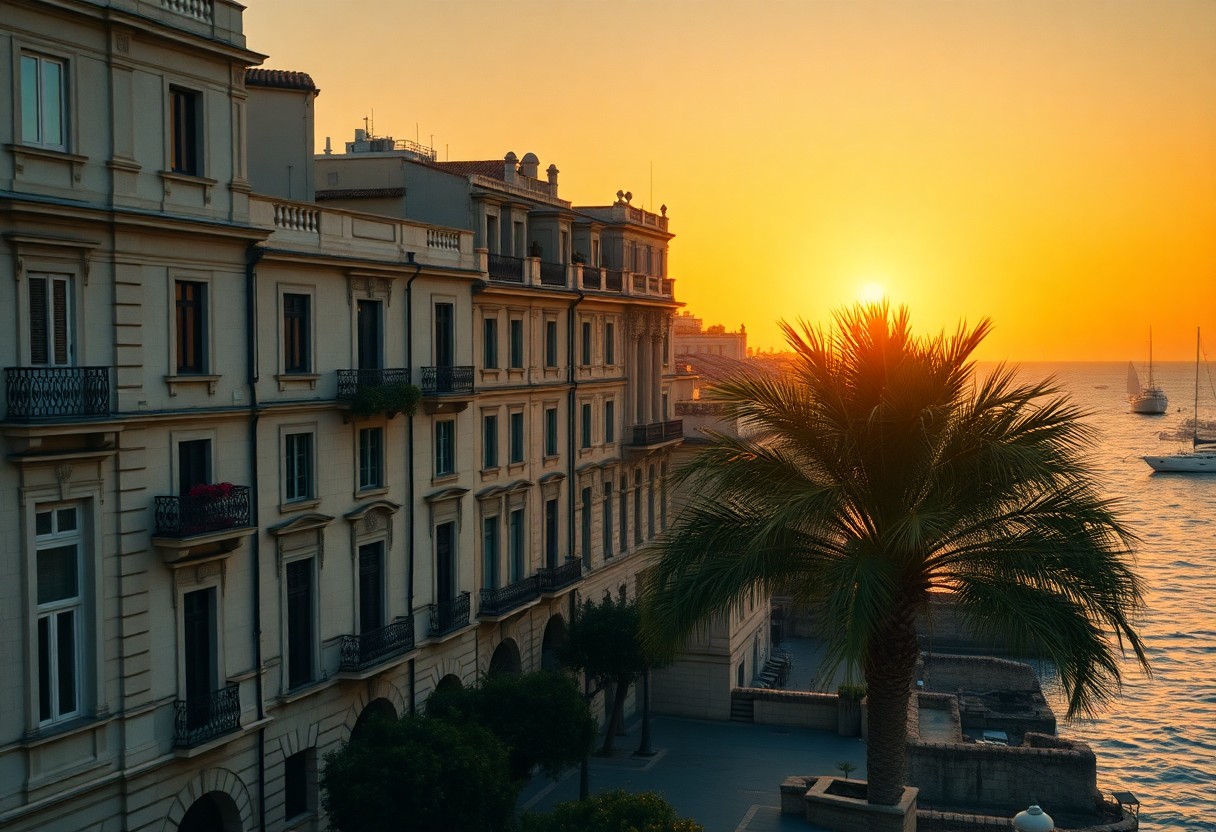
With the sweltering summer heat giving way to the milder temperatures of autumn, Valletta reveals a captivating allure that often goes unnoticed. This historic capital of Malta, renowned for its rich architectural heritage and vibrant culture, transforms into a serene haven. As the crowds thin and the days grow cooler, visitors can explore its enchanting streets, indulge in local cuisine, and enjoy cultural events in a more relaxed atmosphere. Discover the hidden gems and unique experiences Valletta offers when the summer heat fades away.
Key Takeaways:
- Valletta's charm is enhanced in the cooler evenings, allowing visitors to enjoy the historic architecture and vibrant atmosphere.
- Outdoor dining and cultural events become more appealing as temperatures drop, offering a unique experience of the city's gastronomy and local traditions.
- The city's stunning views and illuminated landmarks create a magical ambiance that attracts both locals and tourists alike after sunset.
Historical Context
Origins and Foundation of Valletta
Valletta was founded in 1566 by the Grand Master of the Knights of St. John, Jean de la Valette, following the Great Siege of Malta. Named after its founder, the city was strategically built on the Sciberras Peninsula, offering a robust defense against potential invaders while serving as the Knights' new headquarters. Its location allowed for direct access to both the Mediterranean Sea and the surrounding regions, cementing Valletta's role as an important military and maritime hub.
Architectural Influences and Styles
Valletta's architecture is a fascinating blend of Baroque, Mannerist, and Neoclassical styles, influenced by the Knights of St. John's European origins. The city showcases grand palaces, stunning churches, and intricate fortifications that reflect the craftsmanship and artistry of the time, designed to evoke both power and spirituality.


















The architectural fabric of Valletta reveals layers of influence from various cultures across Europe, particularly Italian Renaissance ideals introduced by the Knights. The stunning St. John's Co-Cathedral exemplifies this blend through its grandiose Baroque façade and elaborate interior adorned with intricate artwork, such as Caravaggio's renowned “The Beheading of Saint John the Baptist.” Furthermore, the city's grid layout, deliberate design, and public spaces showcase an intentional strategy linking military needs with the cultural aspirations of the Knights, creating an enduring urban monument.
Valletta during Different Eras
Throughout its history, Valletta has undergone significant transformations, from a military stronghold to a vibrant cultural capital. In the 19th century, under British rule, the city's architecture and infrastructure developed further with new public spaces and institutions, while World War II marked a period of resilience and hardship for its residents.
During the British colonial period, Valletta saw the addition of new structures such as the Royal Opera House and improvements in urban services, shaping its modern identity. Post-independence, the city's economic revival emphasized heritage preservation, leading to Valletta being designated a UNESCO World Heritage Site in 1980. Today, the capital thrives as a cultural and artistic center, with festivals and events that celebrate its rich history while embracing contemporary influences, embodying Valletta's enduring charm through the ages.
The Climate Shift
Understanding Malta's Climate
Malta experiences a Mediterranean climate characterized by hot, dry summers and mild, wet winters. With average summer temperatures reaching around 32°C (90°F), visitors often seek respite as autumn approaches. The transition from summer to autumn typically begins in late September, leading to a more pleasant and inviting atmosphere conducive to exploration.
The Effects of Temperature on Tourist Experience
Temperature significantly impacts the tourist experience in Valletta. High summer heat can make sightseeing uncomfortable, while cooler autumn temperatures enable longer, more enjoyable outdoor activities. As the thermometer decreases, visitors are likely to spend more time exploring the city without the hindrance of excessive heat.
Temperature Impact on Experience
| High Summer Temperatures | Potential discomfort, shorter sightseeing durations |
| Autumn Coolness | Enhanced enjoyment, extended outdoor activities |
In summer, the sweltering heat often forces tourists to limit their day's itinerary or seek air-conditioned spaces. Conversely, the drop in temperatures during autumn creates an ideal opportunity for visitors to engage with Valletta's cultural offerings, including outdoor festivals and leisurely strolls along the waterfront.
The Transition from Summer Heat to Autumn Coolness
As summer fades, Valletta begins to cool down, offering a refreshing change for both locals and tourists. By October, temperatures average around 25°C (77°F), making it the perfect time for outdoor exploration of the city's rich history and vibrant local culture.
The transition from summer to autumn is marked by clearer skies and a gentle breeze, inviting people to partake in myriad activities without the oppressive heat. This shift not only enhances comfort but also revives the lively atmosphere of Valletta, making it a prime time for cultural immersion and discovery. The city buzzes with events, attracting those eager to enjoy the balmy weather and vibrant surroundings.
The Allure of Valletta in Autumn
The Change in Scenery
As summer bids farewell, Valletta transforms into a tapestry of warm, earthy hues. The city's limestone buildings gleam in the softer autumn sunlight, while the surrounding gardens and parks burst into shades of gold and orange. This scenic shift is complemented by the scent of seasonal blooms, creating an inviting atmosphere perfect for strolls along the historic streets.
Lively Autumn Festivals and Events
Autumn breathes life into Valletta with a series of vibrant festivals that celebrate the city's rich culture. Events like the Notte Bianca and harvest celebrations draw both locals and tourists, showcasing art, music, and culinary delights. The atmosphere is electric, filled with performances and exquisite street food, making it impossible to resist joining in the festivities.
The Notte Bianca, held annually in October, sees the entire city come alive with open galleries, live performances, and culinary experiences that spill into the streets. The festival lasts all night, captivating visitors with light installations and street art. At the same time, the Malta International Food Festival showcases local cuisine, with stalls offering traditional dishes, wines, and freshly harvested produce, making autumn a feast for the senses.
Rural and Urban Landscapes Transition
Autumn in Valletta showcases a remarkable transition between rural and urban landscapes. The countryside begins to shed its summer vibrancy, as fields harvest grapes and olives, while the urban environment buzzes with activity, vibrant markets featuring local produce springing up throughout the city.
Architectural Wonders
Grand Master's Palace
The Grand Master's Palace, an icon of Valletta, originally served as the residence of the Grand Master of the Knights of St. John. Its opulent Baroque architecture is accentuated by stunning frescoes and a vast collection of armor. Now housing the Office of the President of Malta, the palace remains a powerful symbol of the island's rich history.
St. John's Co-Cathedral
St. John's Co-Cathedral stands as a testament to the grandeur of the Knights of St. John. This ornate cathedral features intricate Baroque design and houses masterpiece artworks, including Caravaggio's famous painting, “The Beheading of Saint John the Baptist.” Rich in history, it draws visitors for both its architectural beauty and cultural significance.
Inside St. John's Co-Cathedral, visitors encounter a stunning array of marble tombs and gold-leaf decorations that evoke the opulence of the 16th century. The church's equally remarkable interior is adorned with ornate chapels, each dedicated to different knights, showcasing their patron saints through elaborate altarpieces. The smooth interplay of light within the sacred space enhances the spiritual experience, creating an atmosphere both inspiring and reverent.
Fortifications and Historical Sites
The fortifications of Valletta are a formidable sight, showcasing some of the most advanced military architecture of their time. Constructed primarily by the Knights of St. John, these walls and bastions served as a critical defense against numerous sieges, exemplifying their strategic importance in the Mediterranean.
Valletta's fortifications include the impressive Fort Saint Elmo, which guards the entrance to the Grand Harbour. The extensive walls can be traced back to the late 16th century and remain largely intact. A UNESCO World Heritage site, these structures, along with the Upper Barracca Gardens, provide panoramic views of the harbor, connecting visitors to the city's storied past while inviting them to explore its unique blend of history and beauty.
Cultural Experiences
Traditional Maltese Cuisine
Indulging in traditional Maltese cuisine is a delightful experience, especially in autumn when local ingredients shine. Signature dishes like rabbit stew, bragioli (beef olives), and pastizzi (savory pastries) tell the story of Malta's rich culinary heritage. Seasonal ingredients, such as artichokes and capers, make their way into various recipes, offering a taste of the island's unique flavors.
Local Arts and Crafts
Valletta's arts and crafts scene reflects its vibrant history, showcasing a mix of traditional and contemporary works. From hand-painted ceramics to intricate lacework, each piece embodies the island's unique culture. The bustling markets, especially those in Merchant Street, feature artisans dedicated to preserving these age-old crafts while adding modern interpretations.
Visitors can watch artisans at work, gaining insights into techniques passed down through generations. The rich tradition of filigree jewelry, characterized by delicate silver and gold designs, is particularly noteworthy, making for exquisite souvenirs. Workshops often welcome tourists eager to learn, making the experience interactive and immersive in Maltese culture.
The Vibrant Nightlife Scene
As the sun sets, Valletta comes alive with a plethora of nightlife options that cater to diverse tastes. From cozy wine bars to lively clubs, the city's vibrant atmosphere, especially along the waterfront, invites both locals and tourists to enjoy the evening. Live music and themed events frequently fill the streets, creating a festive ambiance.
The nightlife in Valletta is not just about bars and clubs; it features cultural events such as open-air concerts and theatrical performances. Many establishments host local musicians, offering a platform for fresh talent. Moreover, venues like the historic Strait Street provide a glimpse into Valletta's past, often blending history with modern entertainment. Nighttime strolls through the beautifully lit streets further enhance the experience, as one can soak in the architecture while enjoying the city's pulsating energy.
Outdoor Activities
Exploring the Coastal Walks
Strolling along Valletta's coastal paths reveals breathtaking views and historical landmarks. The picturesque promenade stretches towards the neighboring Sliema, where the vibrant colors of the Mediterranean Sea meet the skyline's charm. Be sure to explore the iconic Tigne Point and the Fort Manoel area, each offering unique perspectives and photo opportunities of the harbor and distant islands.
The Best Hiking Trails Nearby
Just beyond Valletta, a variety of hiking trails cater to outdoor enthusiasts. Locations like the Majjistral Nature and History Park feature well-marked paths that wind through native flora and rugged landscapes. Popular routes include the trail leading to the scenic cliffs of Golden Bay and the panoramic views from Bingemma Hill, providing a perfect backdrop for leisure hikes.
The hiking trails near Valletta vary in difficulty, accommodating both novice walkers and seasoned trekkers. The 5-kilometer trail from Mdina to Rabat offers a cultural experience, allowing hikers to explore old fortifications and archaeological sites. Alternatively, the coastal trail from Golden Bay to Għajn Tuffieħa showcases stunning vistas and serene beaches, making it a favorite among nature lovers.
Water Sports in Milder Weather
This seasonal shift provides perfect conditions for thrilling experiences, including diving excursions to nearby wrecks and reefs. Companies like Malta Kayak Tours offer guided trips, ensuring safety and a chance to encounter vibrant marine life. The mild climate allows for extended hours on the water, making it ideal to combine fun with exploration and discovery of the stunning Maltese coastline.
Hidden Gems of Valletta
Secret Gardens and Parks
Among Valletta's understated attractions are its secret gardens and parks, which offer a tranquil escape from the city's vibrant streets. The Upper Barracca Gardens, for instance, not only provide a stunning view of the Grand Harbour but also boast lush flowerbeds and shady spots perfect for a quiet afternoon. Similarly, the Lower Barracca Gardens, smaller yet charming, feature unique monuments and a serene atmosphere, ideal for a leisurely stroll amid nature.
Lesser-Known Museums
For those intrigued by history and culture, Valletta's lesser-known museums provide fascinating insights often overshadowed by larger institutions. The National Museum of Archaeology reveals Malta's rich prehistoric past, showcasing artifacts that date back to 5200 BC. Meanwhile, the Museo di San Giovanni del Battista offers a deep probe the history of the Knights of St. John, featuring rare manuscripts and exquisite artworks.
The National Museum of Fine Arts, often overlooked, houses a remarkable collection, including works by renowned Maltese artists such as Mattia Preti. Additionally, the War Museum at Fort Saint Elmo offers a comprehensive narrative of Malta's military history, illustrated through personal stories and artifacts. Exploring these venues not only enriches understanding of Valletta's heritage but also immerses visitors in the intricate stories that shaped the island.
Off-the-Beaten-Path Locations
Exploring Valletta's hidden corners leads to extraordinary off-the-beaten-path locations. The charming Strait Street, once the nightlife hub for sailors, now features quaint cafes and local bars, showcasing the city's evolving cultural scene. Another gem is the historic Casa Rocca Piccola, a 16th-century palace that affords a glimpse into aristocratic life, complete with lavish furnishings and a fascinating collection of family artifacts.
Furthermore, a visit to the abandoned WWII shelters beneath the city reveals a haunting yet important part of Valletta's history, telling tales of resilience during wartime. These unique spots encapsulate the city's vibrant past and present, urging visitors to wander beyond the mainstream attractions and uncover the essence of Valletta's character. Each hidden gem offers a layer of discovery, fostering a deeper connection to this enchanting city.
Accessibility and Navigation
Getting to Valletta
Reaching Valletta is straightforward, with Malta International Airport serving as the main gateway. From the airport, it's a quick 15-minute drive to the city center, accessible by taxi, shuttle service, or public transport, specifically the bus routes that frequently connect to Valletta.
Transportation Options within the City
Valletta's compact layout makes it ideal for exploration on foot, but there are other transportation options available. Buses, taxis, and electric-powered ride-sharing services cover the city efficiently. Additionally, the hop-on, hop-off buses provide a convenient way to discover multiple attractions.
Public transport includes an extensive bus network, while the e-scooter rental services have recently gained popularity due to their affordability and ease of use. Consider using the Valletta ferry, which links the city to Sliema and other areas, providing scenic views during your commute. For those who prefer driving, car rentals are available, yet navigating the narrow streets can be challenging. Expect to find limited parking options and high demand during peak hours.
Tips for Walking and Exploring
Walking through Valletta uncovers its rich history and vibrant culture. To make the most of your journey, wear comfortable shoes, stay hydrated, and consider starting early in the morning when the city is quieter. The main attractions are within walking distance, allowing for spontaneous detours to smaller shops and cafés.
- Keep an eye out for signs indicating historical landmarks.
- Be prepared for uphill climbs; Valletta is built on a hilltop.
- Assume that some streets may be steep or uneven.
Exploring on foot not only offers flexibility but also enriches your experience with moments of serenity amidst the hustle. Look for hidden courtyards and small galleries, as these often lead to unexpectedly delightful encounters. Pay attention to local events, as street performances and markets frequently enhance the atmosphere.
- Plan your route around the opening hours of attractions.
- Leverage walking tours for expert insights into local history.
- Assume that rolling your sleeves up for a truly immersive experience can benefit you most.
Shopping in Valletta
Local Markets and Bazaars
Explore Valletta's vibrant local markets, where the essence of Maltese culture comes alive. The Merchant Street Market is a must-visit, offering fresh produce, handmade crafts, and tempting street food. Here, you can engage with local vendors, sample traditional flavors, and pick up unique souvenirs while soaking in the bustling atmosphere.
Boutique Shops and Artisan Stores
Valletta is home to an array of boutique shops and artisan stores that showcase local talent and craftsmanship. These shops often feature one-of-a-kind pieces, from handmade jewelry to intricate lacework, reflecting the island's rich artistic heritage.
Among the most noteworthy artisan stores is the historic Optima, known for its exquisite glassware and ceramics. Unique finds like hand-painted pottery and distinctive textiles can be sourced from shops located along the narrow streets, offering something special for every discerning shopper. Many boutiques are run by local artisans, providing not just goods, but a personal connection to Malta's vibrant craft traditions.
Traditional Souvenirs to Bring Home
Regarding souvenirs, Valletta offers an array of traditional items that encapsulate the island's culture. Look for Maltese filigree jewelry, brightly colored ceramics, and locally produced honey as memorable tokens of your visit.
Among the favorites are the intricately designed silver filigree pieces that make stunning gifts or keepsakes. You can also find the distinctive ‘Mbaxxa,' a traditional Maltese sweet, often packaged beautifully, capturing the essence of Maltese hospitality. These items not only remind you of your travels but also support local artisans and keep traditions alive.
Historical Landmarks and Tours
Guided Tours of Valletta
Valletta's guided tours provide immersive experiences, revealing the city's rich tapestry of history. Expert guides lead visitors through iconic sites such as St. John's Co-Cathedral and the Upper Barracca Gardens, often sharing anecdotes that bring the past to life. Many tours are themed, focusing on aspects like the Great Siege or the Knights of St. John, offering a deeper understanding of Valletta's significance.
Uncovering the City's History
Exploring Valletta's history is akin to unraveling a beautifully woven tapestry. The city's architecture reflects centuries of cultural influences, from Baroque churches to grand palaces. Key sites like the Fort St. Elmo and the National Museum of Archaeology provide glimpses into Malta's storied past, showcasing artifacts that date back to prehistoric times and highlighting its strategic importance in Mediterranean trade.
Audio Guides and Resources for Self-Tourists
For those who prefer exploring at their own pace, Valletta offers an array of audio guides and resources. These guides, available for download or rental, provide detailed commentary on significant landmarks while allowing visitors to tailor their itinerary to their interests.
Self-tourists can access various apps and audio tours that narrate Valletta's compelling stories. With options covering diverse topics-from military history to art-travelers can design their own journeys through the city. Many of these resources include maps and suggested walking routes, ensuring that each visitor experiences Valletta's essence fully and conveniently.
Accommodation Options
Luxury Hotels and Resorts
Valletta boasts several luxury hotels and resorts that offer opulent stays with breathtaking views. The iconic Phoenicia Malta, situated just outside the city gates, blends elegance and history, featuring a stunning infinity pool and fine dining options. Alternatively, the boutique Hotel Excelsior is renowned for its lavish interiors and exceptional service, along with easy access to the scenic harbor.
Budget-Friendly Options
Valletta also caters to the budget-conscious traveler, with a variety of affordable accommodation options that don't compromise on comfort. Hostels and guesthouses, such as Hostel Malti and Valletta Boutique, provide a mix of shared and private rooms, while maintaining proximity to major attractions.
Hostel Malti, in particular, stands out with its vibrant communal space and organized events that foster social interaction among guests. Valletta Boutique offers quaint private rooms in a family-run setting, allowing visitors to immerse themselves in local culture at economical rates. These budget-friendly choices give travelers the opportunity to experience Valletta without overspending.
Unique Stays such as Airbnb
Airbnb listings in Valletta range from charming studios to entire historic apartments, allowing guests to enjoy a unique local experience. Many properties showcase traditional Maltese architecture, offering a glimpse into the city's heritage while providing modern amenities.
Staying in an Airbnb can enhance your trip by placing you in the heart of local neighborhoods, where you can interact with residents and discover hidden gems not found in typical tourist brochures. From rooftop terraces with stunning views to cozy flats tucked away in narrow side streets, this option supports a more personalized and immersive experience during your time in Valletta.
Valley Festa
Celebrations and Their Significance
Valletta's Valley Festa showcases the island's vibrant cultural heritage, where traditional customs come alive through colorful processions, fireworks, and religious rituals. These celebrations commemorate the patron saints of local churches, fostering community spirit and preserving Maltese identity. Each event intertwines faith and festivity, drawing both locals and visitors into a tapestry of historical reverence and joy.
Local Participation in Festivals
The Valley Festa thrives on local engagement, with residents playing pivotal roles in organizing, decorating, and participating in the events. This grassroots involvement ensures that each celebration not only serves as a public festival but also reinforces community bonds through shared effort and pride.
Throughout the festivities, locals contribute by crafting elaborate floats, dressing in traditional attire, and partaking in the procession, showcasing a deep-seated commitment to their heritage. Many families participate across generations, with children learning the traditions from their elders, thus ensuring that the essence of the festa is passed down. This collective effort reinforces Valletta's strong sense of identity, as neighbors come together to celebrate their history and customs.
Cultural Performances and Shows
Cultural performances during the Valley Festa feature a range of artistic expressions, including folk music, dance, and theatrical presentations that captivate audiences of all ages. These performances not only entertain but also serve as a medium to narrate the rich stories of Valletta's past.
Acts often include traditional Maltese folk dances, such as the “għana,” where singers engage in improvisational dialogues, and theatrical reenactments of historical events. These performances transform public spaces into lively stages, with both professional artists and enthusiastic amateurs performing side by side. Engaging in this vibrant artistic expression allows participants to connect with cultural narratives in a dynamic, immersive way. As the sun sets, the piazzas pulsate with energy, embodying the spirit of Valletta and inviting all to experience its cultural heartbeat.
Tips for Enjoying Valletta in the Off-Peak
- Visit popular sites early in the morning or late in the afternoon.
- Explore lesser-known cafes and restaurants for unique dining experiences.
- Take advantage of off-peak flight and accommodation deals.
- Participate in guided tours that cater to small groups.
- Enjoy local markets that operate more freely during off-peak times.
Any traveler can enhance their experience with these simple tips.
Best Times to Visit for Fewer Crowds
For a peaceful adventure in Valletta, aim for late fall or early spring. From November to March, tourist numbers dwindle significantly, allowing for an intimate exploration of the city's historic landmarks and vibrant streets. This period also grants a milder climate, making your strolls enjoyable without the sweltering heat.
Events to Look Forward to in the Off-Peak Season
The off-peak season hosts enticing events that capture the essence of Valletta's culture. Notable celebrations such as the Malta International Baroque Festival in January or Valletta's Carnival in February showcase spectacular performances and local traditions. These events offer deeper insights into Maltese heritage and create memorable experiences.
The Malta International Baroque Festival stands out as a highlight, featuring concerts in stunning venues that range from churches to palaces. This festival not only promotes classical music but also enriches the city's artistic appeal during quieter months. Carnival, on the other hand, transforms the streets with colorful parades and spirited festivities, making it a perfect time to witness local joy and creativity.
Financial Benefits of Visiting Off-Peak
Traveling to Valletta during the off-peak season can significantly lower costs. Airfares and accommodation rates decrease, often by as much as 30% compared to peak times. This financial relief allows visitors to enjoy more experiences without breaking the bank.
Hotels frequently offer promotions or discounts during quieter months to attract guests, meaning travelers can enjoy premium accommodations at lower prices. Dining options also tend to be more affordable, and many restaurants may offer specials to entice locals and visitors alike. Overall, the off-peak period is not only an opportunity for a serene visit but also a chance to explore without financial strain.
Summing up
Ultimately, Valletta transforms into a captivating haven as the heat subsides, revealing its historical and architectural splendor. The allure of the city's vibrant streets, enriched by cultural festivals and an inviting atmosphere, draws both locals and visitors alike. The cooler evenings enhance the experience of dining al fresco, exploring charming cafes, and enjoying the stunning views of the Grand Harbour. Valletta in this season showcases not only its beauty but also its rich heritage, making it an enchanting destination for all who wish to embrace the magic of Malta.
FAQs
Why is autumn the best time to visit Valletta?
Autumn offers milder temperatures, fewer tourists, and a more relaxed atmosphere, making sightseeing, dining, and cultural events more enjoyable.
What is the weather like in Valletta during autumn?
Temperatures typically range around 25°C, with cooler evenings and clearer skies, ideal for outdoor exploration and walking tours.
Are there cultural events in Valletta during autumn?
Yes, autumn features major events such as Notte Bianca, food festivals, art exhibitions, and live performances across the city.
Is Valletta less crowded after summer?
Yes, visitor numbers decrease significantly after summer, allowing for a calmer and more immersive experience at major attractions.
What historical sites should be prioritized in Valletta?
Key sites include St. John’s Co-Cathedral, the Grand Master’s Palace, Fort St. Elmo, and the city’s UNESCO-listed fortifications.
Can visitors enjoy outdoor dining in autumn?
Absolutely. Cooler temperatures make outdoor dining more comfortable, with many restaurants offering seasonal Maltese cuisine.
Are outdoor activities available near Valletta in autumn?
Yes, hiking trails, coastal walks, water sports, and harbor cruises are particularly enjoyable in the milder autumn climate.
Is Valletta suitable for walking tours?
Valletta’s compact layout makes it ideal for walking, especially in autumn when heat is no longer a limiting factor.
What local food should visitors try in autumn?
Seasonal highlights include rabbit stew, bragioli, pastizzi, local wines, and dishes made with fresh autumn produce.
Are Valletta’s attractions accessible for first-time visitors?
Yes, Valletta is well connected by public transport, ferries, and walking routes, with guided and self-guided tour options widely available.

Paula Nancy
Hello and Welcome to my profile. I'm a UK based entrenched full-time Blogger, Journalist, columnist and a certified writer with many years of sound writing experience. If you need a high-quality and original content, I'm here to provide you with the best writing services.
Related Posts
Year round travel in Malta
May 12, 2026
Spring Adventures In Malta
May 11, 2026
Malta Early Spring Travel Boom
May 9, 2026
Budget airlines lift Malta tourism
May 8, 2026
Spring visitors spend more in Malta
May 7, 2026

Malta airport traffic rises in spring
May 6, 2026

Malta hotel occupancy trends in spring
May 5, 2026
Malta attracts new spring travelers
May 4, 2026
Malta tourism tests power grid
May 2, 2026