

















Vicky Foxcroft takes UK gambling role in new DCMS appointment
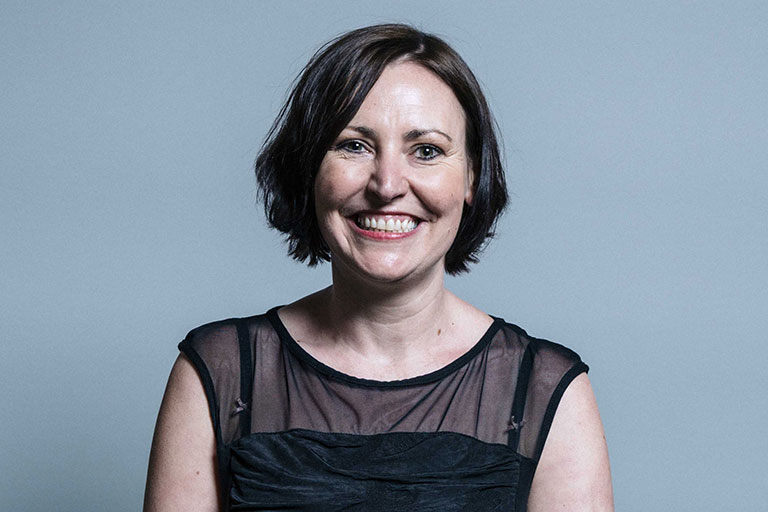
Vicky Foxcroft has taken up a ministerial role at the UK Department for Digital, Culture, Media and Sport (DCMS) with responsibility for gambling among her areas of work. Her appointment places her at the centre of a policy environment in which consumer protection, financial risk assessments, taxation and the future of the regulated betting and gaming market remain important issues. The government confirmed that Foxcroft was appointed Parliamentary Under-Secretary of State at DCMS on 22 July 2026.
Foxcroft, the Labour MP for Lewisham North, brings considerable parliamentary experience to the department. She has represented the constituency since July 2024 after previously serving as MP for Lewisham, Deptford from 2015. Her parliamentary record includes previous involvement in debates concerning gambling regulation and consumer protection.
A new ministerial focus for UK gambling
The ministerial role covering gambling sits within DCMS and carries responsibility for an industry subject to extensive legislation, regulatory oversight and public policy scrutiny. The government describes the relevant portfolio as including gambling alongside heritage, libraries and other departmental responsibilities.









Foxcroft's arrival comes at a time when the UK gambling sector is adjusting to a series of regulatory and fiscal developments. The Gambling Commission is progressing with a staged approach to Financial Risk Assessments while operators and other stakeholders continue to examine how the new framework will work in practice.
The appointment is therefore significant not because it automatically determines future policy but because Foxcroft will now have a direct role in an area where the interests of consumers, regulators, government and gambling businesses frequently need to be balanced.
The Betting and Gaming Council (BGC) has welcomed Foxcroft's appointment. The trade association represents regulated betting and gaming businesses across retail and online markets and has repeatedly called for policy decisions to be based on evidence while maintaining a strong focus on the regulated sector.
Grainne Hurst, chief executive of the Betting and Gaming Council, said:
“I would like to congratulate Vicky Foxcroft MP on her appointment as Minister responsible for gambling. We look forward to working with her to champion Britain’s casinos, betting shops and online betting, gaming and bingo businesses – an industry that brings enjoyment to millions of people, sustains 109,000 jobs, contributes billions of pounds to the economy and provides vital funding for some of Britain’s best-loved sports.”
The BGC has stated that its members contribute £6.8 billion to the UK economy and generate approximately £4 billion in tax while supporting 109,000 jobs. These figures represent the organisation's own assessment of its membership's economic contribution and should therefore be understood in that context.
Foxcroft's established public health position
Foxcroft's approach to gambling policy is not entirely new. Before entering her current ministerial role, she had publicly argued that gambling legislation should take account of public health considerations and the need to protect people who may be vulnerable to gambling-related harm.
In a 2021 parliamentary statement concerning the review of the Gambling Act 2005, Foxcroft set out a position that emphasised evidence-based regulation while also recognising that adults should be able to gamble safely. Her earlier comments remain relevant when considering the policy principles she has previously expressed.
In that statement, Foxcroft said:
“I believe the law on gambling should be approached from a public health perspective to protect the vulnerable and particularly children and young people, but to allow others who choose to do so to gamble safely. We need fit-for-purpose, evidence-based regulation that is targeted effectively to reduce gambling-related harm and that can keep up with the changing nature of gambling online. We must also ensure the right support is in place to tackle the highly serious matter of problem gambling.”
The statement is not a new ministerial policy announcement. It was made during an earlier parliamentary discussion and should be considered as part of Foxcroft's previous public position on gambling rather than as a definitive statement of future government policy.
Attention turns to financial risk assessments
One of the most closely watched issues facing the gambling minister is the development of Financial Risk Assessments.
The Gambling Commission announced in July 2026 that it would proceed with a staged implementation following consultation, stakeholder engagement and pilot work. The regulator has described the assessments as a way of identifying high-spending customers who may be experiencing current financial difficulties.
The Commission has also stressed that Financial Risk Assessments should not be confused with Financial Vulnerability Checks. The latter already operate for relevant remote gambling customers and use publicly available information to identify indicators such as bankruptcy orders or certain forms of unpaid debt.
This distinction is important because the policy debate has sometimes used broad terms such as affordability checks to describe different regulatory measures. The Commission itself has said that Financial Risk Assessments are intended to take a more targeted approach to identifying financial risk among higher-spending customers.
For Foxcroft, the immediate challenge will be understanding how the new arrangements develop and whether further policy decisions are required as implementation progresses. The minister will also need to consider the competing concerns raised by stakeholders while maintaining the government's statutory and public policy objectives.
Taxation remains another industry concern
Tax policy is another issue likely to remain prominent during Foxcroft's tenure.
The UK government has already legislated for significant changes to gambling duties. Remote Gaming Duty increased from 21% to 40% from 1 April 2026 while a new remote betting duty rate of 25% is scheduled to apply from 1 April 2027, subject to the stated exclusions. Bingo Duty was also abolished from 1 April 2026.
These measures have created a different operating environment for gambling businesses. Retail operators and online companies may face different financial pressures depending on the products they offer and the proportion of their business derived from particular forms of gambling.
For government, the policy challenge is to maintain an effective tax framework while ensuring that the regulated market remains viable. For industry representatives, the concern is that excessive regulatory or fiscal pressure could affect investment, employment and the attractiveness of the licensed market.
Foxcroft is therefore taking responsibility for gambling at a point when taxation and regulation cannot easily be considered separately.
The regulated market and black market question
Another issue likely to feature in discussions with industry is the relationship between regulation and the illegal gambling market.
The BGC has consistently argued that policy should help strengthen the regulated sector and prevent customers from moving towards unlicensed operators. Its public policy material identifies the black market as a significant concern and calls for measures aimed at illegal operators and those that facilitate their activities.
For policymakers, this creates a delicate balance. Strong consumer protections are intended to reduce gambling-related harm but regulators and government must also consider how rules affect consumer behaviour and the competitiveness of licensed businesses.
That does not mean regulatory safeguards should be weakened. Rather, it highlights the importance of evidence when assessing whether individual measures achieve their intended purpose.
Retail gambling faces continued scrutiny
The retail betting sector is another area where Foxcroft may face competing arguments.
Betting shops remain part of the UK's regulated gambling landscape and are subject to licensing requirements, machine rules, advertising restrictions and responsible gambling obligations. At the same time, changes in taxation and consumer behaviour have altered the commercial environment in which physical venues operate.
The BGC has highlighted the contribution of regulated betting shops and other venues to employment and local economies. Its position is that policy should recognise those contributions while maintaining high standards for consumer protection.
Foxcroft's previous parliamentary record indicates that she is likely to approach gambling policy with particular attention to harm reduction and public health. However, her ministerial role also requires consideration of economic and regulatory consequences across the entire licensed market.
What the appointment could mean for operators
It would be premature to conclude that Foxcroft's appointment will result in a specific change in UK gambling regulation. Government policy is developed through legislation, consultations, regulatory decisions and wider departmental processes rather than through the appointment of an individual minister alone.
Her previous comments nevertheless provide some indication of the principles that may inform her approach. Evidence-based regulation, protection of vulnerable people and stronger safeguards for children and young people have been recurring themes in her earlier statements.
The gambling industry is likely to seek clarity on the government's position as several existing reforms move from policy development towards implementation. Financial Risk Assessments will be particularly important because their practical operation could influence how operators identify and respond to customers experiencing financial difficulties.
At the same time, taxation, retail sustainability and the black market will remain significant subjects in discussions between government and industry representatives.
A closely watched period for UK gambling policy
Foxcroft's appointment marks a new stage for UK gambling policy rather than a definitive change in direction. Her responsibilities arrive against a background of established reform programmes, new tax arrangements and continuing debate over how best to protect consumers while preserving a strong regulated market.
Her previous parliamentary statements provide useful context but should not be treated as a substitute for future government policy announcements. The direction of travel will become clearer through ministerial decisions, consultations, parliamentary proceedings and regulatory implementation.
For operators, suppliers and other stakeholders, the immediate priority will be to monitor those formal processes closely. For consumers, the central question will be whether regulatory changes provide meaningful protection without creating unnecessary barriers for people who gamble within the regulated system.
Conclusion
Vicky Foxcroft enters the UK gambling brief at a consequential point for the sector. Financial Risk Assessments are moving towards staged implementation while gambling duties are changing and the relationship between consumer protection and market sustainability remains under close scrutiny.
Her previous public statements indicate a longstanding interest in evidence-based gambling regulation and the protection of vulnerable people. Her new ministerial responsibilities, however, require her to consider a much broader policy landscape that includes taxation, retail gambling, digital markets, enforcement and the continued development of the regulated sector.
The coming months should therefore provide a clearer indication of how Foxcroft intends to apply those principles in government. Any assessment of her approach should be based on formal policy decisions and regulatory outcomes rather than assumptions about her intentions.
For the UK gambling industry, the immediate need is certainty, consistency and proportionate implementation. For policymakers, the task is to maintain effective safeguards while ensuring that regulation remains evidence-led and capable of responding to changes in the way gambling is offered and consumed. Foxcroft's tenure will be closely watched by both sides as the next phase of UK gambling reform takes shape.
FAQs
Who is Vicky Foxcroft?
Vicky Foxcroft is a Labour MP who represents Lewisham North. She was appointed Parliamentary Under-Secretary of State at the Department for Digital, Culture, Media and Sport in July 2026.
What is Vicky Foxcroft's role in UK gambling policy?
Foxcroft's DCMS ministerial responsibilities include gambling. Her role places her within the government structure responsible for gambling policy alongside other departmental responsibilities.
What is Vicky Foxcroft's position on gambling regulation?
Foxcroft has previously supported an evidence-based public health approach to gambling regulation with particular attention to vulnerable people, children and young people.
Has Vicky Foxcroft previously spoken about gambling?
Yes. Foxcroft has addressed gambling policy in Parliament and has previously discussed the need for updated and evidence-based gambling regulation.
What are Financial Risk Assessments?
Financial Risk Assessments are a regulatory measure designed to help identify high-spending gambling customers who may be experiencing current financial difficulties. The Gambling Commission is progressing with a staged implementation approach.
Are Financial Risk Assessments the same as Financial Vulnerability Checks?
No. Financial Vulnerability Checks use publicly available information to identify certain indicators of financial vulnerability. Financial Risk Assessments are a separate measure designed to identify financial risk among higher-spending customers.
Why are Financial Risk Assessments important?
They are intended to help gambling businesses identify customers who may be experiencing financial difficulties and support proportionate action to reduce potential gambling-related harm.
What other issues face the UK gambling industry?
The sector is also dealing with changes to gambling duties, retail market pressures, consumer protection requirements and concerns surrounding illegal or unlicensed gambling.
What does the Betting and Gaming Council want from the new minister?
The Betting and Gaming Council has welcomed Foxcroft's appointment and said it wants to work with her on issues affecting regulated betting, gaming, bingo, casinos and betting shops.
Will Vicky Foxcroft change UK gambling laws?
There is currently no basis for assuming that Foxcroft's appointment alone will result in a specific legislative change. Any substantial change would need to proceed through the appropriate government, parliamentary or regulatory process.

Claire
A highly motivated, results-driven, enthusiastic and ambitious writer. I can offer you well researched and high-quality article writing on any topic for your website or blog and can as well re-write your existing web content.
Related Posts

Advanced Compliance Technology appoints Mark Dufty to lead game analysis
September 25, 2026

Soft2Bet adds James Hancock and Harry Heynes to its B2B leadership team
September 22, 2026

OpenBet appoints Nikos Konstakis as CEO amid a major leadership transition
September 22, 2026

MERKUR Casino UK appoints Dan Whitlam to strengthen compliance leadership
September 22, 2026

OKTO PAYMENTS appoints Marcos Techera to lead LatAm operations and growth
September 22, 2026
Targetlocal Ltd faces UK Gambling Commission remote licence suspension
September 21, 2026


Altenar appoints Mitchell Harrison as sales director for global growth
September 18, 2026
Gambling Commission reports growth across Great Britain’s gambling market
September 18, 2026