












Quiet and affordable travel to Malta
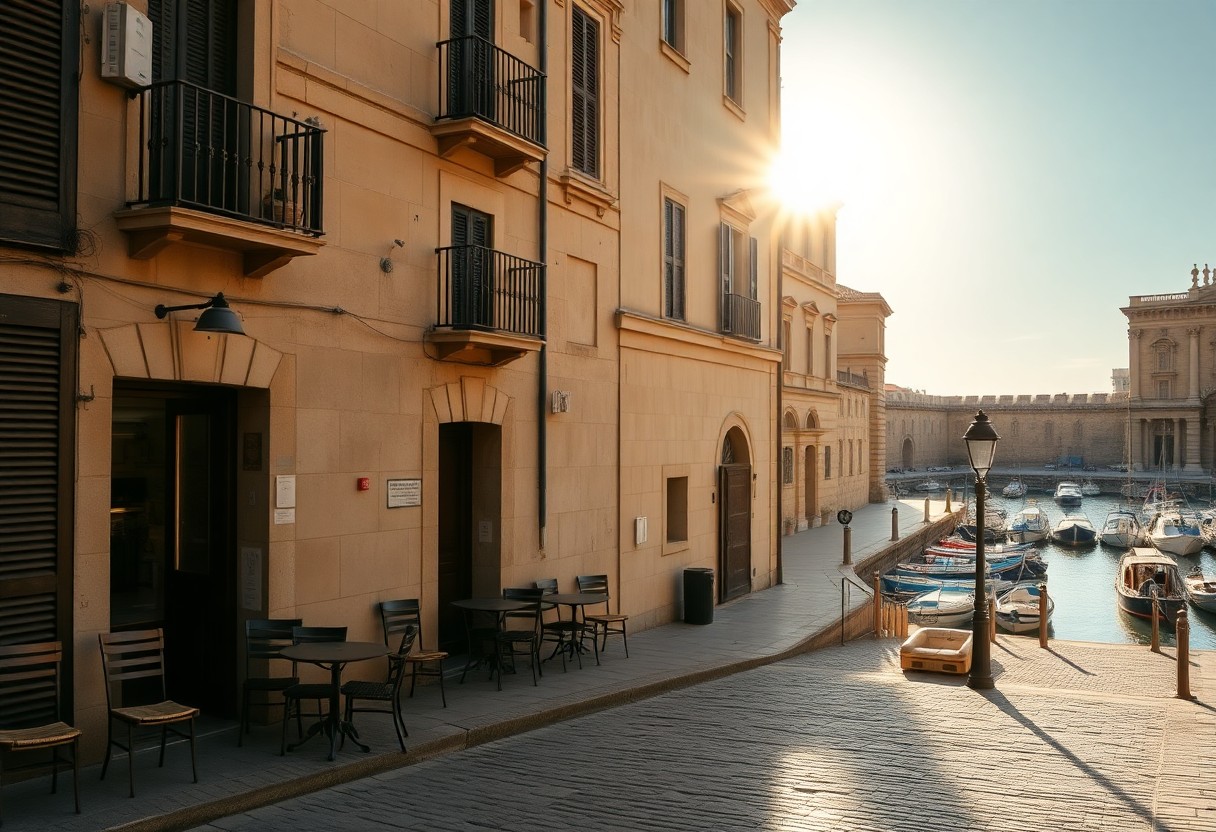
Many travelers find visiting Malta before the tourist season offers milder weather, uncrowded historic sites, lower accommodation rates and a clearer window into authentic island life; early-season visits provide better access to Valletta's museums, peaceful coastal walks and optimal conditions for photography and exploration without peak-season constraints.
Understanding Malta's Unique Appeal
Historical Significance
Ħaġar Qim and Mnajdra date to c.3600-2500 BCE, predating the Egyptian pyramids, while the Great Siege of 1565 and the Knights Hospitaller left layered fortifications-Fort St. Elmo, Fort St. Angelo and Valletta itself (UNESCO, 1980). St. John's Co-Cathedral houses Caravaggio's The Beheading of Saint John the Baptist, and the Grand Harbour's bastions still frame one of Europe's most complete urban military histories.
Natural Diversity
Across just 316 km²-Malta, Gozo and Comino-landscapes shift from the 250 m-high Dingli Cliffs to the sand of Ramla Bay and the cobalt Blue Lagoon. Dozens of dive sites, sea caves like the Blue Grotto and migratory bird stopovers concentrate varied marine and coastal habitats in a very small footprint, making off-season exploration especially rewarding.


















Buskett Gardens and the Majjistral Nature and History Park preserve rare woodlands and garigue scrub, while Posidonia seagrass meadows help keep water clarity exceptional for diving and snorkeling (visibility often 20-30 m). Ta' Dmejrek (near Dingli) is the island high point at roughly 253 m, and sheltered bays such as Mellieħa and the Blue Lagoon offer contrasting microclimates-mild winters (averaging about 12-15°C) and abundant sunshine year-round.
Cultural Vibrancy
With a population of about 520,000 and Maltese and English as official languages, Malta packs intense cultural output into compact towns: village festas with brass bands and fireworks, the National Museum of Archaeology in Valletta, and a thriving street-food scene-fenek (rabbit) and pastizzi remain everyday benchmarks of local taste. Valletta's 2018 year as European Capital of Culture underscored a lively contemporary arts pulse.
Small-scale, high-quality events flourish off-season: intimate concerts at Casa Bernard, exhibitions at Spazju Kreattiv, and film shoots-Malta serves as a backdrop for major productions such as Game of Thrones-draw creative professionals year-round. Local artisans in Birgu and Mdina keep traditional lace, glassblowing and boatbuilding alive, so visiting before peak tourism means better access to workshops, rehearsals and community-led cultural experiences.
The Tourist Season: An Overview
Definition and Timing of Tourist Season
Malta's main tourist season centers on late June through August, with shoulder months in May and September when temperatures hover 22-28°C and visitor numbers rise sharply; winter low season runs from November to February, driven by cooler weather and reduced ferry schedules, while Easter and bank-holiday weeks create short spikes outside summer.
Impacts of Peak Season on Visitor Experience
Peak months bring higher hotel rates, fuller attractions, and heavier traffic: expect longer queues at Valletta sites, crowded promenades in Sliema and St. Julian's, and increased wait times for popular boat trips to the Blue Lagoon and Gozo.
In practice this means limited same-day bookings, restaurant reservations often needed for dinner, and service staff stretched thin; for example, central hotels commonly report occupancy above 85-90% in July, and commuter ferries to Comino can face waits or sold-out midday sailings on busy weekends.
Peak Season Impacts
| Impact | Specific example |
|---|---|
| Accommodation prices | Rates often rise 20-40% in July-August |
| Attraction crowds | Blue Lagoon and Mdina busier, limited beach space |
| Transport | Ferry and bus queues, occasional 30-90 minute delays |
| Dining | Evening tables require reservations at popular eateries |
Comparison with Off-Peak Travel
Off-peak travel yields lower prices, easier bookings, and more authentic interactions with locals, though some seasonal businesses reduce hours; shoulder months like May and September often balance pleasant weather with significantly fewer crowds compared with peak summer.
Travelers during off-peak report faster museum entry, quieter harbors, and hotel discounts, while peak visitors enjoy full-service schedules and festival programming but face reduced flexibility-choosing between guaranteed events and a calmer, more economical stay.
Off-Peak vs Peak
| Off-Peak | Peak |
|---|---|
| Lower prices (commonly 20-40% off) | Higher rates, higher occupancy |
| Shorter lines, easy bookings | Long queues, reservations needed |
| Quieter beaches and towns | Busy beaches and crowded promenades |
| Some services reduced (seasonal closures) | Full service, more events and tours |
Advantages of Visiting Malta Before the Tourist Season
Fewer Crowds and a More Authentic Experience
Historic sites like Valletta (population ~6,000) and Mdina (around 250 residents) feel less like attractions and more like living places before peak season, so you can wander silent bastions and narrow streets without tour groups; mornings often mean empty café tables and unobstructed views of the Grand Harbour, letting everyday life-market stalls, fishermen, parish preparations for local festas-take center stage.
More Accessible Attractions and Services
Popular sites such as the Upper Barrakka Gardens, St. John's Co-Cathedral and ferry connections to Gozo typically have shorter waits and more flexible opening hours before the tourist influx, so guided tours, timed-entry tickets and boat trips are easier to book on short notice.
Practical benefits include same-day booking for tightly controlled sites (the Ħal Saflieni Hypogeum requires advance reservation year-round but sees better availability off-peak), fewer 30-60 minute queues at popular museums, and more ferry and bus seating-Gozo Channel sailings, for example, run about every 45 minutes, making day trips less of a logistical scramble.
Better Opportunities for Local Interactions
Visiting before the crowds means more genuine contact with Maltese residents: shopkeepers, artisans and village committees are less rushed, English is widely spoken, and seasonal events-like February Carnival in Valletta and Nadur on Gozo-offer occasions to mingle with locals rather than observe them from behind a tour group.
Deeper engagement often leads to invitations to join community activities, impromptu conversations in family-run cafés, or private tours by local guides who have time to share oral histories and personal stories about festas, fishing traditions, and coastal restoration projects-experiences that become harder to access once large numbers of visitors arrive.
Weather and Climate Considerations
Overview of Malta's Climate
Mediterranean conditions dominate: mild, wet winters and hot, dry summers. Average winter daytime temperatures sit around 12-16°C, while summer highs regularly reach 25-31°C. Annual rainfall is roughly 500-600 mm, concentrated between October and March, and Malta enjoys about 3,000 hours of sunshine yearly, which explains why shoulder seasons can feel pleasantly warm and uncrowded.
Seasonal Weather Patterns
Rainfall peaks in November and December, with stormier, cooler days from October through March; spring (March-May) brings steady warming and reduced rain, and summer (June-August) is reliably dry. Sea temperatures range from about 15°C in winter to 24-26°C in late summer, so water activities early in the year may require thicker exposure protection.
Wind patterns shift seasonally: northerly maestral breezes strengthen in late spring and are strongest in summer afternoons, often aiding sailing but increasing chop around exposed coasts. Visibility for diving outside storm periods commonly exceeds 20 m, and isolated autumn or winter storms can temporarily close Calypso or Blue Lagoon crossings between Comino and Gozo – plan flexible transfers and check ferry notices when traveling off-peak.
Best Times for Outdoor Activities Before Season
For pre-season outdoor activity, target March-April for warmer days (daytime highs near 15-20°C) and lower rainfall, or late September-early October for lingering sea warmth and thinning crowds. These windows offer comfortable hiking and cycling conditions, improved sea visibility for diving, and more reliable daylight than winter months.
Hiking Dingli Cliffs or the Malta-Gozo coastal walks is best in March-April when wildflowers bloom and trails are firm; cyclists benefit from cooler mornings and lighter traffic in April, while divers in late September find sea temps around 22-24°C and excellent visibility. Pack a midlayer, windproof shell, and a 3-5 mm wetsuit if planning early-season dives, and schedule ferry connections with a buffer for occasional rough seas.
Economical Benefits of Pre-Season Travel
Cost-Effective Accommodation Options
Smaller hotels, guesthouses and self-catering apartments often cut rates by 20-40% in shoulder months; a mid-range Valletta boutique room that lists for €140 in July can fall to €85-€110 in November. Longer-stay discounts and flexible cancellation policies are common, while booking platforms and local proprietors frequently throw in free transfers, room upgrades or breakfast to fill rooms before high season.
Discounts on Attractions and Experiences
Off-season periods routinely bring 10-30% discounts on guided tours, boat trips and specialty activities; operators reduce group minimums so private or small-group experiences become affordable. Transport to spots like Comino and Blue Grotto is less crowded and sometimes priced lower, making popular excursions more accessible without the usual peak surcharges.
For example, dive schools in Gozo and Malta often lower course and guided-dive prices outside July-August, shrinking a typical two-tank dive cost by roughly €15-€30. Heritage sites also ease booking restrictions: the Ħal Saflieni Hypogeum and other limited-ticket attractions have noticeably more available slots, cutting the need to pay premium fees to third-party resellers. Tour operators in Mdina and Valletta advertise combo tickets and off-peak promos-buying a museum-plus-guided-walking-tour package in October can save around 20% compared with separate high-season purchases.
Budget-Friendly Dining and Shopping
Lunch-set menus, daily specials and neighborhood pastizzerias keep meal costs down, with casual lunches often €8-€15 and market buys cheaper than tourist restaurants. Local markets such as Marsaxlokk and small grocers offer fresh fish and produce at lower prices, while many restaurants run quieter-week promotions and midweek prix-fixe menus outside peak months.
Street food and takeaway culture make self-catering a money-saver: buying from bakery chains and local delis cuts costs further, and supermarket prices (Lidl, Greens, Pavi) remain consistently lower than tourist eateries. Bakeries selling ftira or pastizzi typically charge €0.80-€1.50, and a full supermarket shop for two for several days can run €35-€60 depending on choices. Seasonal fish stalls in Marsaxlokk sell day-catch at wholesale-like prices on market days, enabling fresh, budget-friendly meals if you have kitchen access.
Exploring Malta's Landmarks Without the Rush
Must-Visit Historical Sites in Malta
St. John's Co-Cathedral in Valletta houses Caravaggio's Beheading of Saint John the Baptist and rewards quiet viewing before crowds swell; the Ħal Saflieni Hypogeum requires advance booking and is limited to about 80 visitors daily, so pre-season access is ideal; Mdina's silent streets and the 16th‑century fortifications built after the 1565 siege let you inspect architecture and battlements with minimal foot traffic.
Natural Wonders to Discover
Dingli Cliffs rise to roughly 253 meters and offer sunrise panoramas without the usual tour buses, while the Blue Grotto's sea‑cave reflections are best mid‑morning and Comino's Blue Lagoon-reachable by 20-25 minute boat from Cirkewwa-feels almost private before summer peaks; inland valleys and Gozo's Inland Sea provide calm snorkeling and cliff walks.
For more detail, boat operators run limited morning trips to the Blue Grotto where light angles create the vivid blues, and off‑season water clarity often improves for snorkeling near the Inland Sea and Fungus Rock; bring a mask and reef‑safe sunscreen, plan Dingli walks with a GPS route (cliff edges can be exposed), and check local ferry times-services to Comino and Gozo increase after spring, so early visits avoid cancellations and crowds.
Cultural Experiences and Festivals
Carnival in February and Valletta's Notte Bianca in October both offer deeper access before mass tourism returns, and village festas across Malta, Gozo and Comino showcase band marches, brass clubs and fireworks without the dense summer throngs; sampling pastizzi and rabbit stew at a local festa stall is easier when queues are thin and musicians rehearse in daylight.
When you want specifics, attend a festa procession which typically begins late afternoon (around 17:00) with band marches and culminates in fireworks near 23:00; many band clubs host open rehearsals and communal dinners in the weeks before peak season, so contact a local club or the parish office to join a rehearsal, reserve a table for the evening feast, or time your visit to witness a full procession and pyrotechnic display with minimal waiting.
Local Gastronomy: A Taste of Malta Before the Rush
Traditional Maltese Dishes
Fenek (rabbit stew) stands out as Malta's national dish, slow-braised with wine and herbs; lampuki (dorado) pies appear in season from September to January; pastizzi-flaky pastries filled with ricotta or mushy peas-are breakfast staples. Also try ġbejniet (small sheep/goat cheeses), bigilla (broad‑bean dip), ftira (Maltese flatbread sandwiches) and kusksu, each reflecting rural and coastal influences shaped over centuries.
Best Restaurants and Eateries to Try
Valletta and Mdina offer the densest concentration of notable spots: Rampila's bastion dining, Legligin's wine‑led small plates and Ta' Frenc on Gozo for island produce. Marsaxlokk's waterfront stalls serve line‑caught fish daily, while neighborhood bakeries and pastizzerias across Sliema, Birkirkara and Rabat serve authentic everyday fare with shorter waits before peak season.
Expect mains typically between €12-€30; chef tasting menus run €45-€95. Service tends to be more personal off‑season, so you can ask chefs about sourcing-lampuki from local boats, ġbejniet from family farms-and sometimes get a kitchen tour. Reservations remain advisable for weekend evenings and popular tables like waterfronts or fortress views.
Culinary Tours and Workshops Availability
Off‑season is ideal for small‑group culinary experiences: market tours in Valletta, olive oil tastings, and cheese‑making on Gozo run with groups of 6-12, usually lasting 2-4 hours. Prices commonly range €40-€120 depending on inclusions, and operators often cut private‑tour rates outside high season, making hands‑on options easier to secure.
Local cooking schools and farm hosts run 3‑hour workshops that combine a market visit, hands‑on preparation of a full Maltese meal (pastizzi, rabbit or lampuki pie) and communal dining; groups are deliberately small-8-10 participants-so instructors can personalize guidance. Booking 24-72 hours ahead is usually sufficient off‑peak, and many experiences include recipes and local ingredient sourcing tips.
Engaging in Pre-Season Activities
Outdoor Adventures: Hiking, Diving, and More
Dingli Cliffs and the Majjistral Nature and History Park offer coastal routes from easy 3-4 km loops to full-day 12-15 km treks, while the Victoria Lines provide 10-20 km stretches for multi-stage hikes. Diving operators run trips to Cirkewwa, Gozo's Blue Hole and popular wrecks, with many centers offering 2-tank morning dives and certification courses; calm pre-season seas mean better visibility, fewer boats and more flexible dive schedules for advanced and novice divers alike.
Arts, Crafts, and Workshops
Ta' Qali Crafts Village, Valletta ateliers and Gozo lace shops host short 2-3 hour workshops teaching filigree silverwork, bobbin lace and glassblowing; class sizes often range from 6-12 participants, letting visitors get hands-on with techniques and take home a finished piece within a single session.
Several studios price introductory sessions at €25-€60 depending on materials, with potters, glassblowers and filigree artisans offering personalised instruction and demonstrations. Bookings are easier before peak season, and many workshops include a brief history-how Maltese filigree evolved or the Gozitan lace revival-plus photographic guidance for replicating techniques later, making these practical lessons both souvenir-making and skill-building experiences.
Local Festivals and Events Prior to the Rush
Spring months (March-May) bring village festas, Easter processions and small-scale cultural nights that precede peak tourism: expect brass-band marches, neighborhood fireworks and food stalls showcasing gbejna, lampuki and ftira. Attendance is lower than summer, so you can experience parades and communal dinners at ground level rather than from roped-off vantage points.
Across Malta's 68 local councils dozens of pre-season events concentrate on tradition and community-many organize weekday concerts, open-air theater and artisanal markets that draw mainly locals. Festival schedules often post in municipal bulletins weeks ahead, allowing visitors to plan; engaging early lets you interact with organizers, sample seasonal foods at local prices and photograph rituals without crowds or commercial staging common later in the year.
Navigating Malta: Transportation Options
Availability of Public Transport Before Season
On Malta's main corridors, buses remain reliable off-season-Valletta-Sliema and Valletta-Mosta routes typically run every 15-30 minutes-while rural services can drop to once or twice daily outside peak months. Tallinja cards still work and ferry connections to Gozo run their usual schedules, though some summer-only lines and tourist shuttles are suspended. Plan around reduced frequencies for late-evening trips and check real-time schedules on the Malta Public Transport app.
Car Rentals and Driving in Malta
Driving is left-hand and roads are often narrow; expect urban limits at 50 km/h and some dual carriageways up to 80 km/h. Off-season rental rates frequently fall into the €20-€40/day range for small cars, with many agencies requiring drivers be at least 21-25 years old and hold a license for 1-3 years. Manual transmissions are more common and insurance options vary, so compare excess and cover before booking.
Choose a compact car for medieval towns like Mdina and the Three Cities, where lanes can be one-way and parking tight; GPS plus local signage helps, but be prepared to pull over for buses and scooters. EU licenses are accepted, while non-EU drivers may want an International Driving Permit; fuel stations are widespread, and car ferries to Gozo accept vehicles year-round without tolls, though reservations are recommended during holidays.
Exploring on Foot: Best Walkable Areas
Valletta is a walking city-about 1 km across-so you can reach Upper Barrakka, Republic Street and St. John's Co-Cathedral within 10-15 minutes; Mdina's core is similarly compact, its walled circuit roughly 1 km. The Three Cities offer linear waterfront promenades ideal for strolls, and Sliema's coastal walk stretches several kilometers toward St. Julian's, making short, scenic outings practical without a car.
Wear sturdy shoes for limestone steps and uneven pavements, and plan walks early morning or late afternoon to avoid glare and busier periods. Guided heritage walks (Heritage Malta and independent guides) highlight hidden alleys and fortifications; for longer seaside routes, map distances-Sliema to St. Julian's is about 3 km-and factor in coffee stops and viewpoints along the way.
Accommodations: Best Places to Stay Pre-Season
Hotel Recommendations
Opt for established hotels that reopen for pre-season: The Phoenicia (Valletta) and Grand Hotel Excelsior offer waterfront rooms and concierge services, while Xara Palace Relais & Chateaux (Mdina) provides a palace experience without summer crowds. Rates typically drop 20-40% compared with July, and occupancy often sits around 40-60% in March-April, giving you room upgrades, quieter dining, and easier booking for spa and taxi services.
Guesthouses and Homestays
Stay in family-run guesthouses in Marsaxlokk, Sliema, or on Gozo for home-cooked breakfasts and local insight; many list nightly rates of €40-€90 in pre-season. Hosts often include complimentary local maps and tips for off-season activities like coastal walks or weekday ferry schedules, and small properties rarely require the same advance booking as peak months.
Smaller guesthouses are frequently licensed by the Malta Tourism Authority and classified with 2-4 keys, which helps gauge standards. Expect personalized service-hosts will often arrange fishing-boat trips or in-house Maltese dinners-and negotiate weekly rates for stays over five nights. Check reviews for heating and hot-water consistency in early spring, and confirm ferry timetables if you're island-hopping to Gozo.
Unique Stays: Castles and Converted Structures
Choose a converted palazzo or fortified manor for authenticity: Xara Palace is a prime Mdina example, while several restored rural farmhouses and tower houses on Gozo offer private courtyards and sea-views. These properties typically command higher rates-€120-€300 per night pre-season-but provide unmatched privacy and historical character absent from chain hotels.
Availability for castle-style and tower conversions is limited, so pre-season is the smart window: many owners perform winter maintenance and reopen in March. Verify included services-some are self-catering with weekly minimums, others offer full housekeeping and on-call drivers. For photography or small events, ask about permissions and noise restrictions; several venues allow private terrace dinners but limit guest numbers due to heritage protections.
Safety and Accessibility Considerations
Health and Safety Measures
Emergency services are reachable via EU number 112 and Mater Dei Hospital in Msida handles major acute care needs; local clinics and private labs cover routine testing. Most towns have at least one 24-hour pharmacy-Valletta and Sliema especially-and tap water is potable island-wide. Petty theft is the main safety concern in busy areas, so use hotel safes and stay aware in crowded ferry terminals and market streets.
Accessibility for All Visitors
Public transport has improved accessibility: the modern bus fleet includes low-floor vehicles and priority spaces, while main ferry terminals and many museums provide ramps and step-free routes. Major hotels in Valletta, Sliema and St. Julian's advertise accessible rooms and roll-in showers, but availability is limited in historic buildings, so book specifications and transfers in advance.
Heritage sites vary: the National War Museum and the National Museum of Archaeology publish access guides and have accessible toilets, yet Mdina and some bastion walkways retain narrow, cobbled streets and steep gradients. Tour operators and larger ferries commonly offer mobility assistance, and private transfers with wheelchair lifts are available from Malta International Airport-request them when booking to ensure seamless arrival.
Navigating COVID-19 Protocols and Regulations
As of 2024, Malta has relaxed most blanket entry restrictions, but requirements can change quickly: airlines, cruise lines and event venues may still request proof of vaccination, recovery or a negative test. Testing infrastructure at Malta International Airport and private labs across the islands supports PCR and rapid antigen needs, with many labs returning results within 24 hours for travel purposes.
Consult the Maltese government site (gov.mt) and the Malta International Airport page before travel for the latest directives; pharmacies and private clinics list testing services and opening hours online. Carry digital and paper copies of any required certificates, keep a few FFP2 masks for crowded indoor transfers, and confirm testing timeframes with your return carrier to avoid last-minute hiccups.
Preparing for Your Trip
Essential Packing Tips
Prioritize layers: lightweight base layers, a fleece, and a packable waterproof for sudden coastal winds; slip-on walking shoes for cobbles and a pair of sturdier trainers for coastal trails; small daypack and reef-safe sunscreen for sunny spells. Knowing Malta's power sockets use British Type G (and often Type C), bring a UK/EU adapter and a 10,000 mAh power bank for full-day excursions.
- Light layers + fleece
- Packable waterproof jacket
- Sturdy trainers & slip-on shoes
- Daypack, hat, reef-safe sunscreen
- UK (Type G) + EU (Type C) adapter, power bank
Important Travel Documentation
Carry a passport valid at least three months beyond your planned Schengen departure date, printed ferry and accommodation confirmations, proof of travel insurance (Schengen applicants typically need ≥€30,000 medical coverage), and a photocopy of the ID page stored separately.
Check visa rules for your nationality well before booking: short-stay Schengen allowances follow the 90/180-day rule, and e-visas or entry stamps may apply; EU/EEA citizens should bring an EHIC/GHIC for healthcare access. Save digital copies to encrypted cloud storage, note Malta's emergency number (112) and the country code (+356), and register with your embassy if staying longer or traveling off-grid.
Itinerary Planning for an Efficient Visit
Exploit Malta's compact size-three full days cover Valletta, Mdina/Rabat and a Gozo day; book the Cirkewwa-Mgarr ferry (about 25 minutes) in advance during busy weekends, use a Tallinja card for cheaper bus travel, and schedule the Blue Lagoon trip first thing to avoid crowds.
Draft a timed plan: Day 1 morning at St John's Co-Cathedral (prebook timed entry), afternoon Upper Barrakka and the Three Cities; Day 2 morning Mdina stroll and lunch in Rabat, afternoon at Dingli Cliffs or a Golden Bay swim; Day 3 early ferry to Gozo for the Citadel, Ġgantija temples and Ramla Bay-factor 30-60 minutes transfer buffers for uphill streets, ferry queues, and narrow rural roads when renting a car.
Sustainable Tourism Practices in Malta
Importance of Sustainable Travel
Malta's compact 316 km² footprint and dense heritage sites-Valletta and the Megalithic Temples are UNESCO World Heritage sites-mean visitor pressure concentrates quickly; off-season travel reduces peak stress on fragile sites and water-scarce systems that depend on desalination. Conservation efforts by NGOs like Flimkien għal Ambjent Aħjar have cut litter on popular beaches, and measured reductions in summer footfall preserve archaeological layers and coastal biodiversity.
Tips for Eco-Friendly Travel in Malta
Use the efficient bus network and frequent Valletta-Sliema ferries, prioritize walking in historic cores, and carry a refillable bottle since desalinated water is limited; smaller-group, licensed guides limit disturbance at sites like Hagar Qim and Ġgantija while boosting interpretation quality.
- Take buses or ferries instead of renting multiple cars; routes cover main sites and reduce emissions.
- Choose small guesthouses or locally run B&Bs to keep spending in the community.
- Avoid single-use plastics at street stalls and beaches; bring a reusable cup and cutlery.
- Book certified guides or operators who follow permit rules for sensitive sites.
- Knowing that traveling off-peak directly lessens pressure on Malta's limited freshwater and waste systems.
Seek accommodations advertising energy and water-saving measures-several Gozo guesthouses now use solar hot water-and ask tour operators about group sizes and route choices; visiting archaeological complexes outside midday reduces wear and improves photography conditions while spreading economic benefits across quieter villages.
- Eat at family-run restaurants and buy produce at markets like Marsaxlokk to support fishers and farmers.
- Respect protected coastal zones and stick to marked paths on nature reserves such as Għadira and Rdum tal-Madonna.
- Choose operators who offset or minimize transport emissions for island transfers.
- Pack lightweight, reusable gear to reduce waste generation during hikes and boat trips.
- Knowing that small, consistent choices by visitors compound into measurable conservation gains.
Supporting Local Communities and Economies
Prioritize direct spending with local businesses: buy fresh catch at the Marsaxlokk Sunday market, commission Gozitan lace or pottery from artisans, and book island tours with independent guides who retain most revenue locally rather than multinational brokers.
Engage with community-run experiences-agritourism visits to family farms, cooking classes highlighting gbejna and ftira, or festas where donations fund church restoration-to ensure tourist euros support wages and cultural continuity; NGOs offer volunteer beach-clean days that both aid conservation and create social exchange, amplifying benefits beyond one-off purchases.
Conclusion
To wrap up, visiting Malta before the tourist season offers milder weather, uncrowded historical sites, better value, and authentic local experiences; traveling early gives easier access to cultural events, scenic coastal walks, and efficient logistics, making it the smartest choice for travelers seeking depth and convenience.
FAQs
Why is visiting Malta before the tourist season considered ideal?
Traveling before the peak months offers milder weather, fewer crowds, lower accommodation prices, and a more authentic view of Maltese daily life and culture.
When is Malta’s tourist season and what counts as pre-season?
The main tourist season runs from late June to August, while pre-season generally refers to March to May and sometimes late autumn before winter.
How does off-peak travel affect accommodation prices in Malta?
Hotels, guesthouses, and apartments often reduce rates by 20 to 40 percent outside peak season, with more flexible booking conditions and added perks.
Is the weather suitable for sightseeing before the tourist season?
Yes, spring and early autumn provide comfortable temperatures for walking, hiking, and sightseeing without the extreme summer heat.
Are major attractions open before peak season?
Most historical sites, museums, and natural attractions remain open year-round, with shorter queues and easier access before summer crowds arrive.
Can visitors still enjoy beaches and swimming off-season?
Swimming is possible, especially in late spring and early autumn, though sea temperatures are cooler and wetsuits may be needed earlier in the year.
Does visiting before the season improve cultural experiences?
Yes, smaller crowds allow more interaction with locals, easier access to workshops and festivals, and a stronger sense of community life.
Are restaurants and tours fully available outside peak months?
Most operate year-round, though some may reduce hours, while many offer off-season discounts and more personalized service.
Is pre-season travel good for photography and exploration?
Quieter streets, clearer viewpoints, and softer light conditions make pre-season ideal for photography and relaxed exploration.
Who benefits most from visiting Malta before the tourist season?
Cultural travelers, photographers, budget-conscious visitors, hikers, and those seeking calm experiences benefit the most from pre-season travel.

Paula Nancy
Hello and Welcome to my profile. I'm a UK based entrenched full-time Blogger, Journalist, columnist and a certified writer with many years of sound writing experience. If you need a high-quality and original content, I'm here to provide you with the best writing services.
Related Posts
Year round travel in Malta
May 12, 2026
Spring Adventures In Malta
May 11, 2026
Malta Early Spring Travel Boom
May 9, 2026
Budget airlines lift Malta tourism
May 8, 2026
Spring visitors spend more in Malta
May 7, 2026
Malta airport traffic rises in spring
May 6, 2026

Malta hotel occupancy trends in spring
May 5, 2026
Malta attracts new spring travelers
May 4, 2026
Malta tourism tests power grid
May 2, 2026