













Whispers of Malta’s Historic Stone Streets
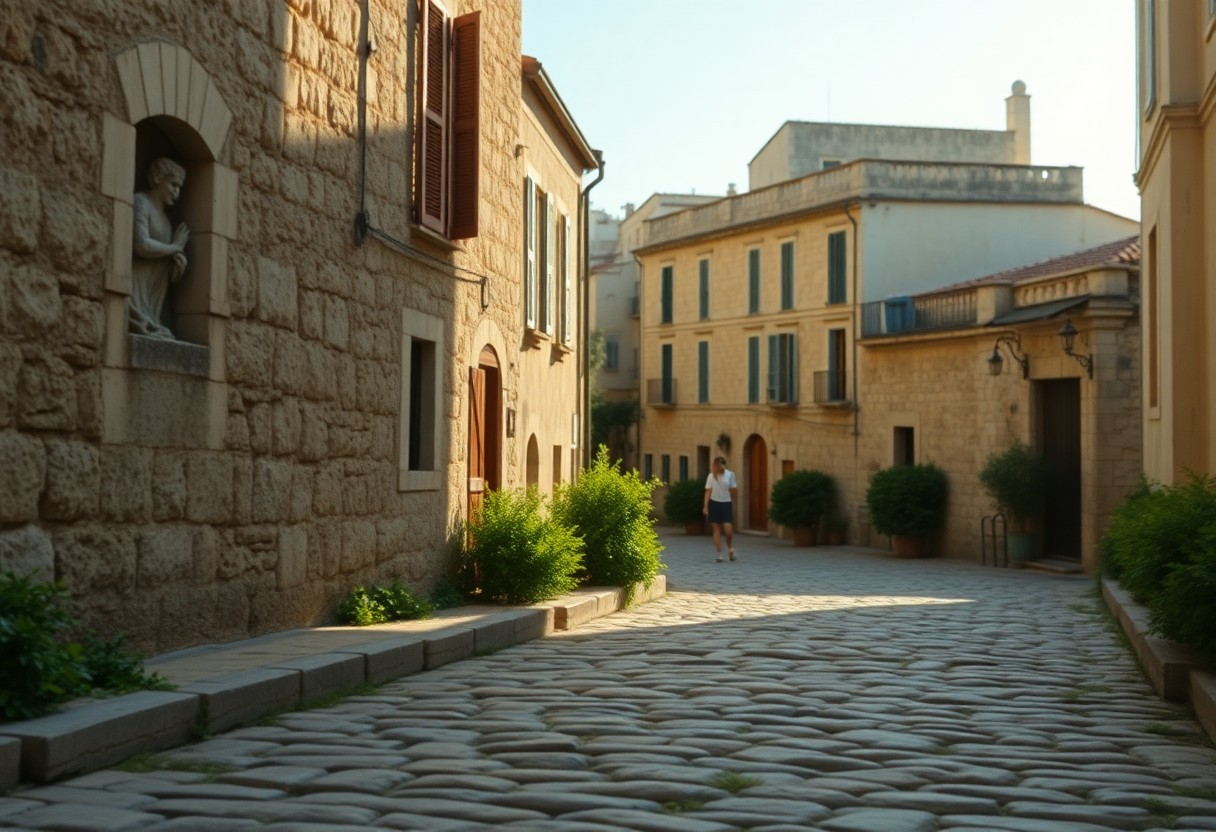
Over centuries, Malta's stone streets have been the silent witnesses to the island's rich history and diverse cultures. These ancient pathways, paved with limestone and steeped in stories, have seen everything from the Knights of St. John to modern-day life. As we explore the heritage and significance of these streets, we uncover the tales they would share, revealing insights into Malta's past, its architectural wonders, and the vibrant communities that have walked them. Join us on this journey to understanding the whispers of Malta's storied streets.
The Historical Echoes of Malta's Streets
The Origins of Stone Streets
Malta's stone streets date back thousands of years, with some of the oldest examples found in Mdina, the ancient capital. These narrow pathways, originally crafted from hard limestone, provided sturdy foundations for the vibrant communities that flourished on the island. The technique of using local stone not only showcased the ingenuity of its artisans but also created a unique aesthetic that still defines Maltese architecture today. The interplay of light and shadow along these streets tells a story of resilience and adaptation, reflecting the island's long history of various civilizations.
Notable Events Etched in Stone
Throughout its tumultuous history, Malta's streets have witnessed pivotal moments that shaped the nation. From the arrival of the Knights of St. John in 1530 to the fiercely fought battles of World War II, each layer of stone bears testimony to these significant events. As the island transitioned from one ruling power to another, the streets became corridors of both triumph and tragedy, documenting the struggles and victories of its people.


















For example, the Great Siege of 1565, in which the Knights successfully defended the island against the Ottoman Empire, left deep impressions not only on the fortifications but also on the psyche of the local population. Streets such as those leading to St. John's Co-Cathedral served as pivotal paths for both defenders and invaders. The tales of valor and sacrifice that echo in these cobblestone lanes are a reminder of Malta's indomitable spirit. Other significant events, like the Sette Giugno riots in 1919, have also influenced the socio-political landscape, showcasing how every crack and crevice tells a story of ongoing transformation.
The Voices of the Past: Stories of Community
Daily Life of Residents Through the Ages
From sunlit mornings punctuated by the clinking of coffee cups to starlit evenings buzzing with laughter, the daily rhythms of Maltese life have varied but remained deeply rooted over the centuries. Villagers would gather at the local square for markets, exchanging not just goods but stories, forming the social fabric of their communities. Families would often linger around the stone streets, celebrating life's milestones with processions and festivals that echoed through its ancient pathways.
Cultural Traditions Persisting Through Time
Time-honored traditions, like village feasts, have persisted in Malta's communities, showcasing the island's unique blend of Roman, Arab, and Knightly influences. Festivals honoring patron saints bring together families and neighbors in jubilant celebrations filled with processions, music, and feasting that date back centuries.
The fervent celebration of the feast of St. Paul in Valletta, for instance, attracts thousands and retains age-old customs that have been passed down through generations. Local craftsmanship, such as the art of lace-making and traditional Maltese pottery, thrives amidst these festivities, embodying a culture that honors its past while adapting to modern times. With every procession and artful creation, the stone streets reverberate with the rich tales of dedication, pride, and unity, allowing history to live vibrantly in the present.
Architectural Wonders: Beyond the Pavement
Unique Construction Techniques and Materials
The construction techniques used in Malta are a captivating blend of artistry and practicality, embodying centuries of tradition. Limestone, the island's main building material, is renowned for its ability to be easily carved and its durability. This locally sourced stone, often referred to as Globigerina limestone, gives buildings their characteristic warm hues. The Maltese islanders have developed unique methods such as corbel arching and the construction of elaborate wooden balconies, or ‘galleriji,' which have become iconic features of the local architecture. These techniques highlight a remarkable synergy with the landscape and environment.
Significant Structures Adjacently Affecting Streets
Alongside the intricate streets of Malta, significant architectural landmarks influence the flow of daily life. The imposing presence of St. John's Co-Cathedral in Valletta, for instance, draws visitors and locals alike, shaping surrounding alleys with its grandeur. Similarly, the ancient walls of Mdina, known as the ‘Silent City,' provide a contrasting stillness that affects the street experience, leaving an indelible mark on the footprints of those who wander beneath its arches.
Each of these significant structures tells a unique story of Malta's heritage and community identity. St. John's Co-Cathedral serves as a historical beacon, with its Baroque exteriors and opulent interiors filled with Caravaggio masterpieces, standing in stark contrast to the simplicity of the stone paths leading to it. Meanwhile, Mdina's fortifications not only protect but frame the narrow streets, giving a sense of introspection amidst the bustling scene. As pedestrians navigate these charming byways, they become part of a living tapestry woven by the interactions between the streets and their historical neighbors, showcasing Malta's rich architectural legacy.
The Stone Streets as Silent Witnesses
Historical Milestones: Wars and Occupations
The stone streets of Malta have withstood the pressure of countless historical events, bearing witness to numerous invasions and occupations. Throughout the centuries, from the Knights of St. John to British colonial rule, these ancient paths absorbed the sounds of battle and the whispers of soldiers. The Great Siege of 1565 transformed Valletta's streets into a frontline, where heroes were born, and sacrifice etched a legacy into every cobblestone.
Urban Development and Their Impact on the Streets
Malta's urban development has profoundly influenced the character and structure of its stone streets. While modern construction has introduced new materials and designs, the development has also led to a delicate balance between preserving heritage and catering to contemporary demands. The introduction of vehicular traffic has created challenges in maintaining the integrity of these historic pathways, often leaving scars that tell tales of adaptation and resilience.
The ongoing evolution of Malta's urban landscape showcases how streets originally built for horse-drawn carriages have now transformed to accommodate cars and pedestrians alike. In areas like Valletta, a UNESCO World Heritage Site, modern infrastructure intertwines with ancient designs, reflecting both the charm of historical architecture and the necessity for progress. As new developments arise, the effort to preserve the authenticity of these streets becomes paramount, ensuring that future generations can walk the same routes and connect with the past just as those before them did.
Preserving Heritage: The Role of Conservation Efforts
Current Preservation Projects
Recent efforts in Malta focus on restoring vital historical sites, such as the megalithic temples of Hagar Qim and Mnajdra, which are undergoing structural reinforcement to counteract erosion and weathering. Simultaneously, the Valletta Rehabilitation Project aims to revitalize the capital's urban landscape while ensuring that the authenticity of its Baroque architecture is maintained. These initiatives not only celebrate Malta's cultural heritage but also promote sustainable tourism by keeping the historical narrative alive for future generations.
Community Involvement in Heritage Conservation
Local communities play an necessary role in the preservation of Malta's heritage. Grassroots organizations, like Din l-Art Helwa, actively engage residents in restoration projects, fostering a sense of pride and responsibility towards their cultural landscape.
Community efforts include clean-up campaigns, educational workshops, and volunteer-led restoration of neglected buildings, which have proven effective in raising awareness and support for these heritage sites. The annual Heritage Malta Open Day, where locals and tourists experience guided tours and workshops, highlights this engagement. By encouraging citizens to share their histories, these initiatives not only preserve stone streets and structures but also weave the personal stories of inhabitants into the larger tapestry of Maltese culture, ensuring that the voice of the past continues to resonate.
Walking Through Time: A Sensory Experience
The Feel and Texture of Malta's Stone Streets
Each step on Malta's stone streets reveals a unique texture, shaped by centuries of foot traffic. The weathered limestone, cool to the touch underfoot, tells tales of merchants, knights, and common folk who have walked here. Some areas feature smooth, polished stones, while others retain a rough, gritty feel, hinting at the countless footsteps that have traversed these paths. In contrast, hidden alleys flaunt their character with uneven cobblestones, whispering stories of resilience and adaptation over time.
The Sounds and Smells that Define the Streets
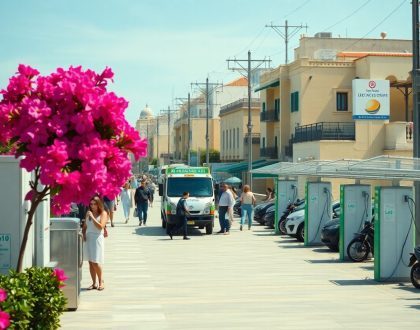
Sounds and smells intermingle in a sensory tapestry that envelops you as you wander through Malta's streets. The clatter of sandals, laughter echoing from cafes, and melodic church bells create a vibrant symphony. Meanwhile, aromas of fresh bread, salty sea air, and blooming bougainvillea waft through the air, each scent a reminder of Malta's rich cultural heritage. This sensory experience highlights the island's unique blend of history, modernity, and the everyday life that pulses through its ancient corridors.
As the sun casts a golden hue over the storied streets, the scent of freshly baked pastizzi mingles with the salty breeze from the Mediterranean, and the sound of children's laughter fills the air. This unique blend of sensory experiences immerses visitors in Malta's vibrant atmosphere. Daily life finds its rhythm in bustling markets, where vendors beckon with their wares, and traditional music wafts from nearby taverns. Each sound and smell tells a story—of vibrant culture, timeless flavors, and a community deeply rooted in its historical past. Walking through Malta is not just an exploration of the physical landscape, but a journey into the heart of its people and traditions.
The Economic Pulse: Tourism and the Streets
The Influence of Tourism on Local Economies
Tourism in Malta significantly propels the local economy, accounting for approximately 27% of the GDP. This industry not only attracts millions of visitors annually, drawn by the allure of historical architecture and vibrant culture, but also supports countless jobs across hospitality, retail, and services. Each visitor meandering through the stone streets contributes to the livelihood of local craftsmen, shop owners, and tour guides, creating a symbiotic relationship between tourists and the indigenous populace.
Balancing Commercialization and Cultural Integrity
Cities like Valletta and Mdina grapple with the challenge of sustaining economic growth while preserving their cultural heritage. As cafes and souvenir shops infiltrate historic areas, the essence of local traditions risks dilution. Striking a balance is vital; successful strategies must involve local stakeholders in tourism planning to ensure commercial activities respect and enhance, rather than overshadow, the rich historical fabric that the stone streets represent.
Long-term preservation requires a collaborative approach among residents, government, and tourism operators. Efforts such as supporting community initiatives that showcase authentic local crafts or establishing guidelines for new commercial enterprises help maintain the character of Malta's streets. Engaging tourists in cultural experiences, such as guided heritage walks or traditional festivals, fosters appreciation rather than mere consumption of the locale. By prioritizing cultural integrity alongside economic growth, Malta can continue to thrive as a beloved destination without sacrificing its historical identity.
The Stories Untold: Legends and Folklore
Mythical Narratives Born from the Streets
As the stones of Malta have weathered centuries, they've also absorbed countless stories of ancient wonders and mythical beings. Among these, the tale of the Knights of St. John prevails, where streets echo with the whispers of valor and sacrifice. Urban legends speak of brave knights who trod these paths, battling dragons and wizards, attempting to protect their beloved islands. The Dreaming Prince, an enigmatic tale about a young noble who could communicate with sea spirits, adds a layer of intrigue, inviting visitors to ponder the magic hidden within cobblestones and sandstone walls.
Local Folklore: Ghosts and Urban Legends
Malta's stone streets serve as the backdrop for an array of spooky tales, steeped in both history and local lore. Ghost stories abound, reflecting the fears and fascinations of its inhabitants. One notable legend revolves around the haunting presence of the ‘Rocca a Mare' ghost, said to wander through the fortified walls of Valletta, dressed in tattered garments as she searches for her lost love. Neighborhoods vibrate with the excitement of discoveries about spectral figures, inviting both locals and tourists to explore these stories while traversing the ancient thoroughfares. The amalgamation of history and the supernatural fosters a unique cultural richness that continues to charm those who tread these storied paths.
The Artistic Expression on Stone: Graffiti and Murals
Modern Art Forms Gaining a Footprint
In recent years, Malta has witnessed a vibrant surge in modern art forms, particularly graffiti and murals that tell the stories of contemporary life. Artists like the duo known as ‘Lell and Stim' have transformed neglected urban spaces into canvases that reflect local culture and social issues. Street art festivals, such as the Malta Street Art Festival, have further cemented this trend, inviting international talent to create murals that blend historical narratives with modern aesthetics. This creative explosion adds a layer of dynamism to the city, drawing in both locals and tourists alike.
The Message Behind Street Art
Street art in Malta often carries powerful messages, serving as a voice for the community. Many pieces tackle pressing social issues such as migration, mental health, and environmental conservation. For instance, the mural ‘Humanity Unites,' painted in the heart of Valletta, poignantly addresses the plight of refugees and invites the public to reflect on the theme of solidarity. Through bold colors and striking imagery, these artworks communicate narratives that resonate deeply with the pressing concerns of society.
The implications of these murals extend beyond aesthetic appeal, as they provoke thought and discussions among viewers. Engaging local communities in this dialogue highlights shared experiences and concerns, fostering a sense of unity and activism. Artists often use their platforms to challenge norms and raise awareness, ensuring that the messages of hope, struggle, and resilience are etched into the very fabric of Malta's stone streets. This interplay of art and social commentary transforms public spaces into galleries of reflection and action, creating a powerful narrative that is both local and universal.
Climate Challenges: The Weathering of History
Environmental Factors Affecting Stone Streets
Malta's charming stone streets, while visually captivating, face ongoing environmental challenges. Exposure to harsh weather patterns, including intense heat, humidity, and saltwater from the surrounding Mediterranean Sea, accelerates the weathering process. Additional factors such as air pollution, rampant tourism, and the growth of vegetation can also contribute to the deterioration of these ancient pathways.
- High temperatures leading to thermal expansion of stone
- Salt crystallization from sea breezes causing surface flaking
- Increased foot traffic inducing physical wear
- Vegetation growth that can disrupt structural integrity
Recognizing these factors is the first step toward preservation and restoration efforts aimed at extending the life of Malta's historic streets.
Mitigating Climate Impact Through Urban Design
Urban design plays a pivotal role in countering the negative effects of climate change on Malta's stone streets. Implementing green infrastructure, like rain gardens and permeable pavements, can effectively manage stormwater runoff, reducing erosion and wear on stone surfaces. Additionally, integrating urban forestry and green rooftops helps to not only mitigate urban heat but also protects stone structures by providing shade. Sustainable materials that mimic the original limestone can also reduce long-term damage, ensuring that the historic charm of the streets is preserved for future generations.
The Future of Malta's Stone Streets
Urban Planning: Balancing Tradition with Innovation
As Malta progresses, urban planners face the challenge of harmonizing modern infrastructure with the historical significance of the stone streets. New developments must respect the character and heritage of these pathways while integrating necessary innovations. Efforts to incorporate eco-friendly materials and advanced drainage systems are being prioritized, ensuring that Malmö's unique appeal is preserved without compromising functionality.
What Lies Ahead for Future Generations
The continuing evolution of Malta's stone streets will influence how future generations connect with their heritage and environment. As cities expand, there will be an emphasis on responsible tourism planning, allowing visitors to experience the charm of these historic roads while safeguarding them from deterioration. The implementation of sustainable practices can keep the integrity of these streets intact for many years to come.
Education and engagement will play pivotal roles in this preservation effort. By promoting an understanding of the cultural and historical significance of Malta's stone streets in schools and communities, future generations can foster a sense of pride and stewardship. Initiatives could include workshops on maintenance techniques, historical tours, and community-driven restoration projects, ensuring that the stories etched into the stones continue to be told for decades ahead.
Insights from Locals: Oral Histories
Sharing Personal Experiences and Memories
Locals have an abundance of personal anecdotes, weaving a rich tapestry of Malta's street life. Many share tales of childhood games played along the narrow alleys, where laughter echoed off stone walls, mingling with the scent of fresh bread from nearby bakeries. Elders reminisce about the vibrant markets that once thrived on these streets, describing their families' traditions and the communal spirit that made each gathering a cherished event.
The Importance of Oral Traditions in Historical Context
Oral traditions serve as a pivotal element in maintaining Malta's historical narrative, ensuring that the stories of everyday life are not lost to time. These personal accounts are often passed down through generations, reflecting the evolving culture and preserving the unique identity of Maltese communities.
The continuity of oral traditions fosters connections to the past, offering insights into the societal changes that Malta has undergone. For instance, during interviews, locals often recount how political upheavals influenced their everyday existence, reshaping communal activities and relationships. These stories enrich the understanding of Malta's heritage, showcasing how the stone streets bear witness to eras of resilience, adaptation, and transformation that are vital for appreciating the current Maltese identity.
The Crossroads of Culture: International Influence
How Different Cultures Have Shaped Malta's Streets
Over centuries, Malta's streets have absorbed the footprints of various civilizations, each leaving distinct marks that tell their story. From the Phoenicians and Romans to the Arabs and Knights of St. John, these influences are evident in street layouts, architecture, and even the local dialect. Each group introduced new building techniques, decorative elements, and social traditions that have altogether shaped the character of Malta's urban landscape, resulting in a melting pot of heritage that reflects its strategic location in the Mediterranean.
The Fusion of Styles and Traditions
Malta's vibrant street culture is also a testament to its ability to blend different architectural styles and traditions effortlessly. The Baroque facades, Moorish influences, and Neoclassical structures coexist harmoniously, showcasing a narrative of adaptation and innovation. For example, the graceful balconies that adorn Valletta are inspired by both Arabic design and European aesthetics, symbolizing the rich tapestry of influences that have interwoven throughout the island's history.
This fusion not only reflects the various architectural epochs but also highlights the adaptability of Maltese culture. The coexistence of these diverse styles is evident in the striking contrasts found in cities like Mdina, where narrow, winding streets embrace bold Baroque palaces alongside ancient fortifications. The use of local limestone in construction unites these diverse elements, ensuring that no matter the influence, the essence of Malta remains rooted in its unique geographical identity. Through this blend of design and culture, Malta's streets narrate a story that is both local and global, inviting exploration and reflection on the island's enduring legacy.
To wrap up
On the whole, the stone streets of Malta encapsulate centuries of history, culture, and the daily lives of those who have traversed them. From the ancient footsteps of the Phoenicians to the vibrant chatter of today's locals and tourists, these weathered pathways bear witness to the island's evolution. Each stone tells a story, reflecting resilience, community, and the blending of diverse traditions. Understanding the significance of these streets offers a profound appreciation for Malta's rich heritage, inviting us to imagine the countless narratives interwoven within the fabric of its timeless architecture.
FAQs
What is the historical significance of Malta's stone streets?
Malta's stone streets have witnessed key historical events, including the Great Siege of 1565 and World War II, making them living records of the island's past.
How old are the stone streets in Malta?
Some of Malta’s stone streets date back thousands of years, with the oldest examples found in Mdina, the ancient capital.
What materials were used to build Malta’s traditional streets?
Maltese streets are primarily built using local Globigerina limestone, known for its durability and warm appearance.
Which notable events took place along Malta’s streets?
Events like the Great Siege, the arrival of the Knights of St. John, and the Sette Giugno riots all unfolded across these storied streets.
How do Malta’s streets reflect local culture and traditions?
The streets host feasts, processions, and markets that celebrate Maltese heritage, fostering strong community ties across generations.
Are Malta’s historical streets being preserved today?
Yes, initiatives like the Valletta Rehabilitation Project and grassroots efforts by organizations like Din l-Art Ħelwa focus on conservation.
How has tourism impacted Malta’s historic streets?
While tourism boosts the economy, it also poses challenges to preservation, prompting efforts to balance commercial use with heritage protection.
What role does street art play in Malta’s urban spaces?
Modern murals and graffiti express contemporary issues and cultural pride, transforming neglected spaces into visual narratives.
Are there ghost stories or folklore associated with Malta’s streets?
Yes, urban legends and tales of spirits, such as the Rocca a Mare ghost, contribute to the island's rich folkloric landscape.
How is climate change affecting Malta’s stone streets?
Heat, humidity, salt air, and increased foot traffic are weathering the limestone, prompting sustainable urban design solutions for protection.

Anna Amstill
I am an avid Blogger and Writer with more than 6 years of experience with Content Writing. An Online Marketing expert specializing in Blog writing, Article writing, Website content, SEO specific Keyword content and much more. Education B.A. - business management, York University, Canada, Graduated 2016.
Related Posts
Year round travel in Malta
May 12, 2026
Spring Adventures In Malta
May 11, 2026

Malta Early Spring Travel Boom
May 9, 2026

Budget airlines lift Malta tourism
May 8, 2026

Spring visitors spend more in Malta
May 7, 2026

Malta airport traffic rises in spring
May 6, 2026

Malta hotel occupancy trends in spring
May 5, 2026
Malta attracts new spring travelers
May 4, 2026
Malta tourism tests power grid
May 2, 2026