













Winter in Malta’s Fishing Villages
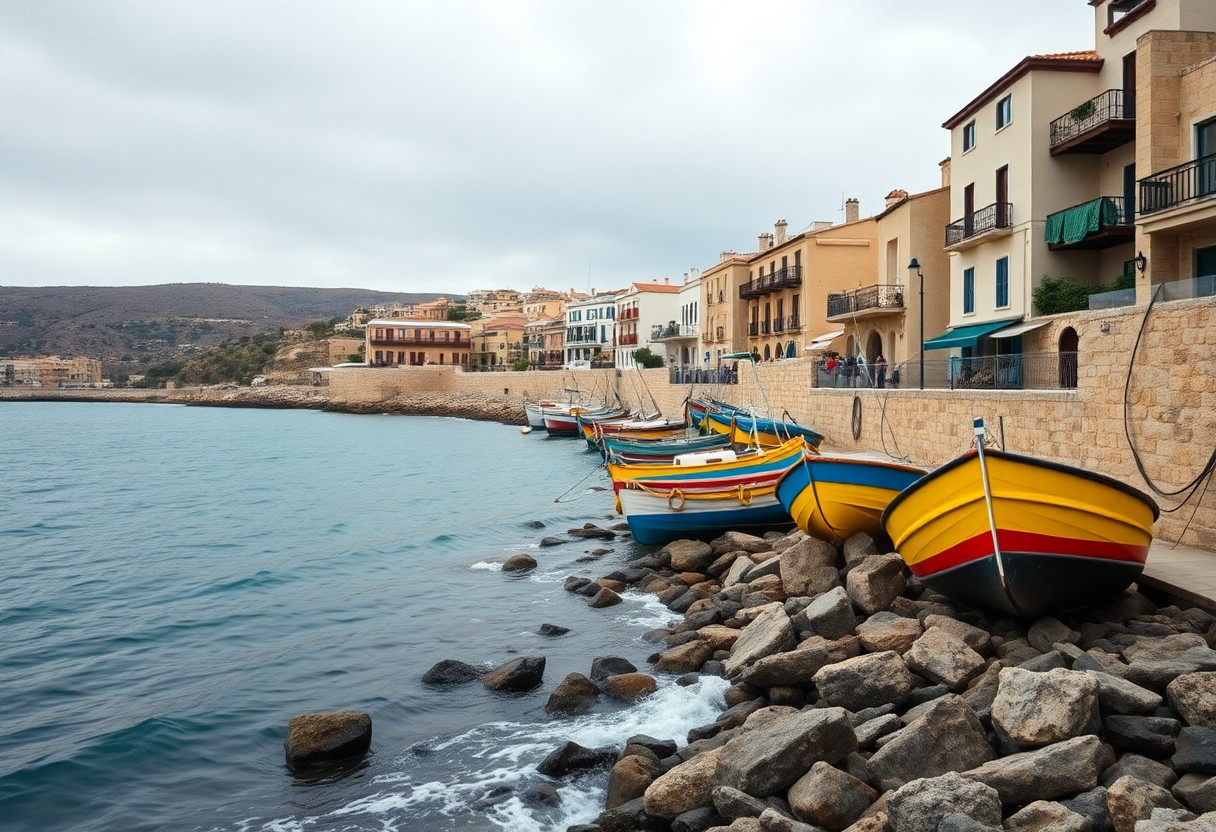
Winter casts a serene and transformative spell over Malta's fishing villages, revealing a quieter, more introspective side of this Mediterranean paradise. During this season, vibrant local culture melds with the tranquil sea, offering a unique glimpse into the rich maritime traditions that define these communities. Whether it's the colorful luzzu boats lounging in calm waters or the bustling fish markets brimming with the day's catch, the winter months highlight the resilience and charm of Malta's coastal heritage. This post explores the enchanting ambiance, cultural practices, and natural beauty that characterize winter in these picturesque villages.
Key Takeaways:
- Malta's fishing villages showcase a serene, picturesque winter atmosphere, characterized by tranquil waters and vibrant local life.
- Seasonal changes influence fishing activities, with villagers adapting their practices and products available in winter months.
- The cultural heritage of these villages remains prominent, offering unique culinary experiences and traditional fishing techniques during winter.
Understanding the Winter Mood
The Seasonal Transition in Malta
As autumn blurs into winter, Malta's fishing villages experience a subtle transformation. The summer bustle gives way to a calmer pace, with fishing boats resting in the harbor. The shoreline, once lined with sunbathers, now attracts strollers admiring the changing colors of the Mediterranean. Cooler temperatures encourage locals to embrace warm gatherings, fostering a sense of community that thrives during this quieter season.
Emotional and Atmospheric Changes
The emotional landscape of Malta's fishing villages shifts significantly with the arrival of winter. The sun-drenched days yield to overcast skies, heightening the ambiance of introspection. Conversations in cafes turn to heartfelt reflections, as the cooler winds carry whispers of nostalgia. Locals often describe this time as an invitation to slow down, savoring moments that might otherwise slip away in the summer rush.


















The atmospheric changes are palpable, creating an inviting space for contemplation. Fog drapes over the coast, lending an ethereal quality to the surroundings. The sound of waves crashing against the shore echoes the serene solitude found in these villages. Warm, inviting lights emerge from homes and eateries, where locals and travelers gather around hearty meals, embodying a rich culture of warmth and tradition that thrives despite the chill.
Local Perspectives on Winter
Historical Context of Malta's Fishing Villages
Origins of Fishing Communities
Malta's fishing communities trace their origins back to prehistoric times, with evidence of coastal settlements and fishing activities evident in archaeological findings. The island's strategic location in the Mediterranean made it a hub for trade and fishing, leading to the establishment of small villages around natural harbors. Early inhabitants relied on the sea for their sustenance, developing skills and traditions that have persisted through generations.
Impact of Historical Events on Lifestyle
Over the centuries, Malta's fishing lifestyle has been shaped by various historical events, including invasions and changes in governance. The Knights of St. John in the 16th century introduced maritime regulations that influenced fishing practices, while WWII saw a significant decline in local fisheries due to military activity. Each event left a mark on the community's relationship with the sea, shifting from subsistence fishing to commercial ventures.
The influence of specific historical events is profound. For instance, during British colonial rule, fishing methods evolved with the introduction of new technology, leading to a rise in exports. Meanwhile, invasions often caused disruptions, compelling fishermen to adapt rapidly to ensure their livelihoods. As Malta evolved, the blend of these historical influences forged a unique identity for its fishing communities, merging tradition with necessity.
Preservation of Fishing Traditions
Despite modern pressures, Malta's fishing communities have actively preserved their traditional practices, ensuring that age-old techniques are passed down through generations. Local festivals celebrate these customs, showcasing skills such as net-making and traditional boat-building, thereby reinforcing cultural heritage linked to fishing.
Efforts to preserve fishing traditions are evident in community-led initiatives aimed at educating younger generations. Local fishermen conduct workshops that highlight sustainable practices and traditional methods, fostering a renewed appreciation for heritage. Events like the Feast of St. Paul's Shipwreck emphasize both the faith and rituals intertwined with fishing, illustrating how deeply these traditions are embedded in Maltese identity.
Geographical Landscape and Its Influence
Coastal Features of Malta
Malta's coastline, characterized by rugged cliffs and secluded bays, defines the landscape of its fishing villages. The multitude of coves, such as those in Marsaxlokk and Mellieħa, provides ideal shelter for fishing boats, creating picturesque scenes. The interplay of azure waters against golden limestone cliffs not only enhances the visual appeal but also affects local fishing practices, with many villages relying on these natural harbors for daily operations.
Unique Climate Conditions
The Mediterranean climate of Malta, with mild winters and warm summers, significantly influences its fishing villages. Winter temperatures rarely drop below 10°C, allowing for year-round fishing activities and sustaining the local economy. Additionally, moderate rainfall is typical during this season, creating a unique environment where the interplay of ocean and land thrives.
This climate fosters a distinctive ecosystem that supports various fish species, attracting both local and migratory populations. The thermal stability provided by the surrounding sea helps maintain the reproductive cycles of these species, which is vital for sustaining fish stocks. As the winter months progress, the absence of extreme weather conditions ensures that fishing practices can continue undisturbed, making it a productive time for local fishermen.
Seasonal Changes in Marine Biodiversity
Winter triggers notable shifts in Malta's marine biodiversity, as species adapt to the cooler water temperatures. Migratory fish such as swordfish and bluefin tuna can be spotted more frequently, attracted by the seasonal changes that impact food availability. This dynamic creates opportunities for local fishermen to engage in specialized catching techniques tailored to these migratory patterns.
As winter unfolds, various fish species, including sardines and anchovies, gather near the coast, drawn by nutrient-rich upwellings. This seasonal influx not only boosts local catches but also contributes to the overall health of marine ecosystems. Fishermen capitalize on this natural phenomenon by adjusting their strategies and gear to align with the changing patterns, ensuring that they sustainably harvest these seasonal bounties while supporting local culinary traditions that are deeply rooted in the region's maritime heritage.
The Cultural Significance of Fishing Villages
Festivals and Traditions
Winter in Malta's fishing villages is alive with vibrant festivals that celebrate the local maritime heritage. The Feast of St. Paul's Shipwreck, observed in Valletta, draws fishermen and locals alike for parades, music, and traditional food, highlighting the community's deep-rooted seafaring connections.
Culinary Heritage: Seafood in Winter
Malta's winter cuisine prominently features seafood, as local fishermen bring in seasonal catches. Dishes like ‘Fenkata' (rabbit stew) may take center stage, but the plentiful availability of fresh fish ensures an abundance of locally sourced options, enhancing winter menus.
This time of year marks a transition to heartier seafood dishes, with favorites such as lampuki (dorado fish) and various shellfish gaining popularity. Slow-cooked and richly flavored, these meals embody the village spirit, showcasing skillful preparation methods that have been passed down through generations. With robust local ingredients, fishermen's markets bustle as residents creatively incorporate seasonal catches into their homes and restaurants.
Community Practices and Gatherings
Winter months foster communal bonding through fishing practices and social gatherings. Fishermen often collaborate for seasonal tasks like net repairs or boat maintenance, sharing valuable insights and stories that strengthen their connections.
The rhythm of daily life in these villages is punctuated by gatherings at local taverns, where residents discuss fishing conditions and trade tips. These interactions foster a sense of belonging and continuity, creating an inclusive atmosphere where elder fishermen impart wisdom to younger generations. Such communal practices reinforce the identity of fishing as not just a livelihood, but a vital cultural pillar within the villages, enriching Malta's social tapestry.
Daily Life in Winter
Routine Activities of Fishermen
In winter, fishermen in Malta adapt their routines to the changing sea conditions. Early mornings begin with inspecting nets and maintaining equipment, ensuring they're ready for the colder waters. Many locals also participate in collaborative efforts, such as communal fishing trips, where techniques are shared, and catches are distributed among families.
Family Life in Fishing Communities
Family life in Malta's fishing villages is woven tightly together, especially during winter months. The slower pace allows families to bond over meals prepared with fresh catches and engage in traditional activities such as repairing fishing gear or crafting nets. Children learn the ways of the sea from an early age, ensuring that the community's maritime heritage is passed down through generations.
This close-knit family environment creates a sense of resilience, as members support each other not only during fishing expeditions but also through shared responsibilities at home. Winter evenings often feature storytelling sessions where elders narrate tales of past fishing adventures, reinforcing cultural connections and nurturing community spirit. These interactions foster a robust social fabric, crucial during the more challenging, less profitable fishing season.
The Role of Women in Supporting Fishermen
Women in Malta's fishing communities play an integral role in supporting fishermen, particularly during winter months when the seas can be unpredictable. Many engage in tasks ranging from preparing bait to processing and selling the catch, ensuring the economic stability of their households.
Women's contributions often extend beyond the immediate household; they manage local markets and collaborate with fishermen to secure the best prices for their produce. Their involvement is key in preserving local traditions, as many women are also tasked with educating younger generations about fishing, recipes, and the importance of sustainable practices. This collaborative dynamic not only enriches family life but strengthens the fabric of the community as a whole, ensuring that fishing traditions endure despite modern challenges.
The Economic Aspects of Winter Fishing
Challenges Faced During the Winter Season
Winter fishing in Malta presents numerous challenges, including harsh weather conditions that can hinder fishing efforts. Stormy seas limit the number of days fishermen can operate, leading to reduced catches. Additionally, the cold temperatures often decrease fish activity, making them harder to locate and catch. Economic pressures mount as costs for fuel and maintenance rise, further complicating the sustainability of winter fishing operations.
The Fish Market and Winter Harvest
The fish market sees a significant shift during winter as local fishermen bring in seasonal catches that differ from summer offerings. Species such as squid and sardines dominate the winter harvest, appealing to both local and tourist tastes. The market thrives on the freshness of these catch, emphasizing quality over quantity during this colder period.
During winter, the fish market in Malta transforms to accommodate the local fishing community's efforts. The influx of fresh squid and sardines highlights the adaptability of the fishermen, who alter their fishing techniques to target species that thrive in colder waters. Prices fluctuate based on availability and demand, maintaining a vibrant trade that keeps local economies moving. Moreover, the market becomes a gathering spot for residents and tourists alike, enhancing community bonds while showcasing the region's culinary heritage.
Tourism Impact on Local Economies
Winter tourism plays a vital role in supporting Malta's fishing villages, providing an additional source of income during the off-peak fishing season. Visitors drawn by cultural attractions and scenic landscapes often contribute to local economies through dining, shopping, and accommodations. This influx helps balance the seasonal fluctuations faced by fishermen.
The impact of tourism, especially in the winter months, can be significant for local businesses. As tourists indulge in traditional seafood dishes while exploring the quaint fishing villages, they create demand for the catch of the day, linking the fishing industry directly with the visitor experience. Restaurants and shops geared towards tourists often feature local seafood, which helps preserve the heritage and economy of these villages during the quieter months. This dynamic relationship fosters a resilient economic ecosystem that supports both fishing and tourism throughout the winter season.
Environmental Concerns
Seasonal Changes in Marine Ecosystems
With the onset of winter, Malta's marine ecosystems undergo significant transformations. Water temperatures drop, prompting species like the Mediterranean octopus to alter their breeding cycles. In these colder months, various fish populations, such as sardines and anchovies, migrate closer to the shore, affecting local fishing practices and the ecological balance within these vibrant waters.
Overfishing and Sustainability
Overfishing remains a pressing issue for Malta's fishing villages, threatening fish stocks and marine biodiversity. With more than 60% of local fisheries considered overexploited, the need for sustainable practices has never been more urgent, as many species struggle to recover due to excessive catch rates and inadequate regulations.
The detrimental impact of overfishing extends beyond immediate economic concerns. For example, local fishermen reported a 30% decrease in catch volumes over the past decade, primarily affecting staple species like grouper and snapper. As fish populations dwindle, the local ecosystem faces disruption, leading to unforeseen consequences for both marine life and community livelihoods. Sustainable fishing practices, including catch limits and the promotion of less exploited species, are important to mitigate these challenges and ensure long-term viability for local fisheries.
Conservation Efforts in Winter Months
During winter, conservation efforts intensify, focusing on the protection of spawning grounds and sensitive habitats. Initiatives like the establishment of marine protected areas aim to create safe havens for vulnerable species, allowing them to thrive without the pressures of fishing activities during crucial reproductive periods.
Winter brings opportunities for strengthening conservation initiatives, such as seasonal fishing bans that permit fish populations to recover. A notable example is the seasonal closure of certain fishing zones around Malta, which has shown positive trends in fish abundance monitored through scientific assessments. Collaborative efforts between local authorities, fishermen, and conservation organizations contribute to raising awareness and promoting best practices, ensuring that future generations continue to benefit from Malta's rich marine heritage.
The Role of Art and Literature
Artistic Representations of Fishing Life
Malta's fishing villages have inspired countless artists who capture the essence of this seafaring lifestyle. Local painters often depict fishermen at work, colorful boats bobbing in the harbor, and the serene beauty of winter sunsets, showcasing the intimate connection between the community and the sea. These artistic representations serve not only as visual records but also as emotional reflections of the challenges and joys faced by those who rely on fishing as their livelihood.
Local Literature Inspired by Winter Atmosphere
The winter atmosphere in Malta's fishing villages has been a muse for writers, conjuring vivid imagery of the sea and its myriad moods. Novels and poetry explore themes of resilience and solitude, often weaving in local folklore that highlights the symbiotic relationship between the islands and their maritime heritage. Such works transport readers into the heart of winter's embrace, illustrating how the season shapes the narratives of everyday life.
In works like “The Fisherman's Tale,” authors portray the stark contrasts of winter life, from the haunting tranquility of empty harbors to the bustling energy of fishermen preparing for a long night at sea. This literary focus not only reflects the environmental realities but also examines into personal stories steeped in local tradition. Writers draw from their surroundings, transforming the winter landscape into a source of inspiration that resonates deeply with readers, bridging the gap between art and lived experience.
Photography and its Influence on Cultural Perception
Photography has played a vital role in shaping how Malta's fishing villages are perceived, especially during the winter months. Capturing both the stark beauty of the landscape and the daily lives of fishermen, photographers highlight the often-overlooked aspects of this traditional lifestyle. Their images evoke emotions and invite viewers to appreciate the rich cultural tapestry of these coastal communities.
The impact of photography extends beyond mere representation. It challenges stereotypes and brings awareness to the realities of winter fishing in Malta, prompting discussions on sustainability and cultural preservation. For example, photo exhibitions often feature works that underscore the delicate balance between tradition and modernity, illustrating how the fishing communities adapt while staying true to their roots. Through compelling visuals, photography not only documents but also influences cultural narratives, fostering a deeper understanding of Malta's maritime heritage.
Interaction with Tourists
Winter Tourism in Fishing Villages
During winter, Malta's fishing villages attract a different type of tourist, drawn by the serene landscapes and authentic cultural experiences. Fewer crowds allow for intimate interactions with local fishermen, who are often eager to share stories about their livelihoods, enhancing the charm of off-season visits. Visitors can appreciate quieter harbors and the distinct seasonal beauty that encapsulates Malta's maritime heritage.
Seasonal Activities for Visitors
Winter offers unique activities that highlight the coastal lifestyle of Malta's fishing communities. Tourists can engage in traditional fishing practices, attend local feasts centered around fresh catches, or explore the picturesque villages on foot, experiencing the tranquil atmosphere and stunning scenery far removed from the summer hustle.
Participating in local highlights like the feast of St. Paul is a memorable experience, where visitors witness traditional games and savor dishes made from the season's best ingredients, such as freshly caught fish. Guided tours provide opportunities to research into the history of these villages, offering insights into time-honored practices and the daily routines of local fishermen, culminating in a rich understanding of Malta's maritime culture.
The Balance Between Tradition and Modernity
Malta's fishing villages exemplify a harmonious coexistence of tradition and modernity, where centuries-old practices are maintained alongside contemporary influences. This balance allows for an evolution that respects the rich heritage while accommodating the needs of today's tourism economy.
For instance, many fishing families now use technology to enhance their traditional practices, employing modern boats for safety while still engaging in sustainable fishing methods. Tourists can explore both historic fish markets, such as those in Marsaxlokk, and contemporary seafood restaurants that serve innovative dishes inspired by local flavors, showcasing how tradition can evolve without losing its essence.
The Role of Government and Policy
Regulations Affecting Winter Fishing
The Maltese government implements various regulations to ensure sustainable fishing practices during the winter months. These include restrictions on certain species' catch limits, seasonal closures, and licensing requirements for local fishermen. Such measures aim to protect fish populations and maintain the ecological balance, ensuring that winter fishing remains viable for future generations.
Support for Local Communities
Government initiatives offer substantial support to fishing communities, providing financial aid and training programs to enhance fishing practices and boost local economies. These programs are vital for empowering fishermen, helping them diversify their income streams beyond traditional fishing.
In recent years, the Malta Fish Marketing Cooperative has collaborated with local authorities to strengthen community ties. By facilitating workshops on business management and sustainable fishing, these initiatives ensure that families can sustain their livelihoods while preserving local fishing traditions. Additionally, seasonal markets showcasing local fish have been organized to promote community engagement and attract both locals and tourists.
Initiatives for Sustainable Fishing Practices
The Maltese government is actively promoting sustainable fishing through several initiatives. These include funding for eco-friendly fishing gear, training on sustainable practices, and partnerships with environmental organizations to monitor fish stocks.
One notable initiative is the ‘Blue Economy' project, which aims to balance ecological integrity with the fishermen's economic needs. By providing grants for sustainable technologies and creating awareness campaigns about responsible fishing, the project fosters an environment where fishing communities can thrive while protecting marine ecosystems. This dual focus is important for preserving Malta's rich marine biodiversity and ensuring the fishing industry remains robust in the long term.
Personal Stories and Interviews
Voices of Local Fishermen
Local fishermen share tales that reflect both their daily challenges and the intimate bond they have with the sea. Through interviews, they express pride in their heritage, often reminiscing about the traditional fishing methods passed down through generations. Many highlight the joy of early morning catch, discussing their favorite spots and the camaraderie among fellow fishermen. Their experiences encapsulate the resilience required to adapt to changing environmental and market conditions.
Women's Narratives in Fishing Communities
Women in Malta's fishing communities play vital roles, often managing households and businesses that support the fishing trade. Their stories illustrate not only the hardships of balancing family life with the unpredictable nature of the fishing industry but also their contributions toward sustaining community traditions. Many women also partake in the processing and selling of fish, ensuring that the cultural legacy continues while adapting to modern markets.
Women have been an integral part of these fishing communities, traditionally taking roles that extend beyond mere support. They often engage in net mending, tide watching, and gathering local produce to complement their families' needs. Interviews reveal a desire for recognition and empowerment within this male-dominated industry, with many aspiring to lead initiatives that benefit their communities. The stories of women reflect adaptability and strength, underscoring their pivotal position in preserving both the fishing heritage and the economic viability of their villages.
Elderly Perspectives on Change Over Time
The elderly in fishing villages provide invaluable insights into the transformations that have shaped their communities. With decades of experience, they reflect on significant shifts in fishing practices, including technological advancements and changing fish stocks. Their anecdotes reveal a depth of knowledge about traditional practices and a sense of nostalgia for a simpler, more sustainable way of life.
Through the eyes of the elderly, the impact of modernization becomes clearer. They recount how once-abundant fish species have seen drastic declines and how fishing regulations now govern their practices. Many lament the loss of community connection tied to fishing events while expressing hope for future generations to reconnect with their maritime roots. These narratives not only document history but also emphasize the importance of ecological awareness in ensuring sustainable fishing practices for the future.
Comparisons with Other Mediterranean Regions
| Malta | Other Mediterranean Regions |
|---|---|
| Traditional fishing methods centered around local communities | Similar reliance on traditional practices in Greece and Spain |
| Unique boat designs like the Luzzu | Diverse vessels including the Greek Kaiki and the Italian Gozzo |
| Winter fishing primarily focuses on deep-sea species | Seasonal fishing adapted to local fish behavior patterns |
| Distinctive village architecture with stone buildings | Varied architectural styles reflecting regional histories |
Similarities in Winter Fishing Practices
Malta's winter fishing practices share commonalities with other Mediterranean regions, particularly in the emphasis on sustainability and community involvement. Fishermen in Malta, like their counterparts in Greece and Italy, adapt their techniques to seasonal changes, focusing on deeper waters when coastal species become scarce. This synergy fosters a collective identity among fishing communities across the Mediterranean, underscoring their shared cultural heritage.
Distinctive Features of Malta's Villages
The fishing villages of Malta boast distinctive features that set them apart from other Mediterranean locales. Characterized by vibrant colors, intricate stonework, and unique fishing boats such as the Luzzu, these villages reflect a blend of historical influences and local traditions, creating a picturesque landscape that captivates both residents and visitors alike.
In Malta, architecture merges functionality with aesthetics. The use of limestone, specific to the island, creates a warm ambiance, while brightly painted doors and windows of traditional boats highlight the vibrant community culture. Each village maintains its unique identity, shaped by historical events and fishing methods. The annual celebrations and festivals further enhance this distinctive character, fostering deep ties between the local population and their maritime heritage.
Learning from International Experiences
Malta's fishing communities have much to gain from examining international best practices. By observing successful sustainability efforts in regions like the Balearic Islands and Sicily, Malta can enhance its fishing policies and community initiatives to better protect marine environments. This cross-pollination of ideas fosters innovation while preserving local traditions.
International experiences offer valuable insights into effective fishery management practices. For instance, the implementation of quota systems and enhanced monitoring in coastal regions like the Balearic Islands has led to healthier fish stocks. By employing similar strategies, Malta can balance the needs of its fishing communities while ensuring long-term marine resource sustainability. This approach not only strengthens local economies but also safeguards ecological health, securing a brighter future for Malta's fishing villages against the backdrop of a changing climate.
Future Outlook for Fishing Communities
Challenges Facing Future Generations
Malta's fishing communities face significant challenges, including overfishing, climate change, and regulatory pressures. Younger generations are increasingly deterred by the demands of the industry, leading to a decline in traditional practices. Economic instability further exacerbates these issues, compelling many fishermen to consider alternative livelihoods, threatening the long-term sustainability of local fishing traditions.
Technological Advancements in Fishing
Emerging technologies are transforming Malta's fishing practices, enhancing efficiency and sustainability. Innovations such as eco-friendly nets, advanced sonar systems for locating fish, and automated catch reporting are gaining traction. These advancements not only improve catch quality but also assist anglers in adhering to conservation regulations, ensuring the longevity of fish populations.
Modernization efforts are evident in the use of GPS technology and mobile applications that help fishermen track their catches more effectively. For instance, the deployment of real-time data-sharing platforms enables fishermen to communicate with each other and coordinate their efforts, ultimately leading to more sustainable fishing practices. Moreover, the shift towards sustainable fishing gear minimizes environmental impacts, aligning with global conservation goals and appealing to eco-conscious consumers.
Preserving Cultural Heritage Amidst Change
As Malta embraces modernization, the preservation of cultural heritage remains imperative. Initiatives aimed at documenting traditional fishing methods, local craftsmanship, and culinary practices are underway. By integrating educational programs in schools and inviting tourists to partake in these traditions, the community seeks to foster pride and continuity in local fishing culture.
Community-led projects, such as the revival of traditional boat-building techniques and local fish festivals, play a vital role in maintaining cultural ties. Engaging local artisans and elders to share their knowledge helps safeguard these practices against modernization's encroachment. Furthermore, collaboration with local NGOs ensures that fishing heritage doesn't just survive but thrives, enriching the identity of Malta's fishing villages for future generations.
Conclusion
Following this exploration of Malta's fishing villages during winter, it is evident that these locations embody a unique charm that contrasts with their summer vibrancy. The serene atmosphere, coupled with the picturesque views of traditional fishing boats and quiet shorelines, showcases the rich maritime heritage and resilience of the local communities. Winter provides an opportunity for reflection and appreciation of Malta's cultural landscape, highlighting the importance of preserving these traditions for future generations while continuing to attract visitors seeking an authentic experience.
FAQs
What makes Malta’s fishing villages unique during winter?
Winter reveals a quieter and more reflective side of Malta’s fishing villages, with calm harbors, fewer crowds and a stronger sense of community rooted in maritime traditions.
How does winter affect fishing activities in Malta?
Fishing continues throughout winter, but fishermen adapt their techniques to changing sea conditions and target seasonal species such as squid, sardines and migratory fish.
Are Malta’s fishing villages active destinations for tourists in winter?
Yes, winter tourism remains important, attracting visitors seeking authentic cultural experiences, traditional seafood and peaceful coastal landscapes.
What traditional practices are most visible in winter?
Net mending, boat maintenance, communal fishing efforts and local festivals are especially visible during winter, reinforcing strong community bonds.
Which fish species are commonly caught in Malta during winter?
Common winter catches include squid, sardines, anchovies and migratory species such as tuna, depending on seasonal marine patterns.
How important is seafood in Maltese winter cuisine?
Seafood plays a central role in winter cuisine, with hearty dishes prepared using fresh, locally caught fish and traditional cooking methods.
What role do women play in fishing villages during winter?
Women support fishing households by preparing bait, processing and selling fish, managing markets and preserving culinary and cultural traditions.
How does winter impact the economy of fishing communities?
While fishing can be more challenging, winter tourism, local markets and government support help stabilize income for fishing communities.
Are there sustainability concerns related to winter fishing?
Yes, overfishing and ecosystem protection remain concerns, prompting conservation efforts such as seasonal closures and sustainable fishing regulations.
Why is winter considered culturally significant in Malta’s fishing villages?
Winter strengthens cultural identity by encouraging storytelling, festivals, artistic expression and the preservation of traditions passed down through generations.

Paula Nancy
Hello and Welcome to my profile. I'm a UK based entrenched full-time Blogger, Journalist, columnist and a certified writer with many years of sound writing experience. If you need a high-quality and original content, I'm here to provide you with the best writing services.
Related Posts
Year round travel in Malta
May 12, 2026
Spring Adventures In Malta
May 11, 2026

Malta Early Spring Travel Boom
May 9, 2026

Budget airlines lift Malta tourism
May 8, 2026

Spring visitors spend more in Malta
May 7, 2026

Malta airport traffic rises in spring
May 6, 2026

Malta hotel occupancy trends in spring
May 5, 2026

Malta attracts new spring travelers
May 4, 2026

Malta tourism tests power grid
May 2, 2026