













Winter Light and Malta Heritage
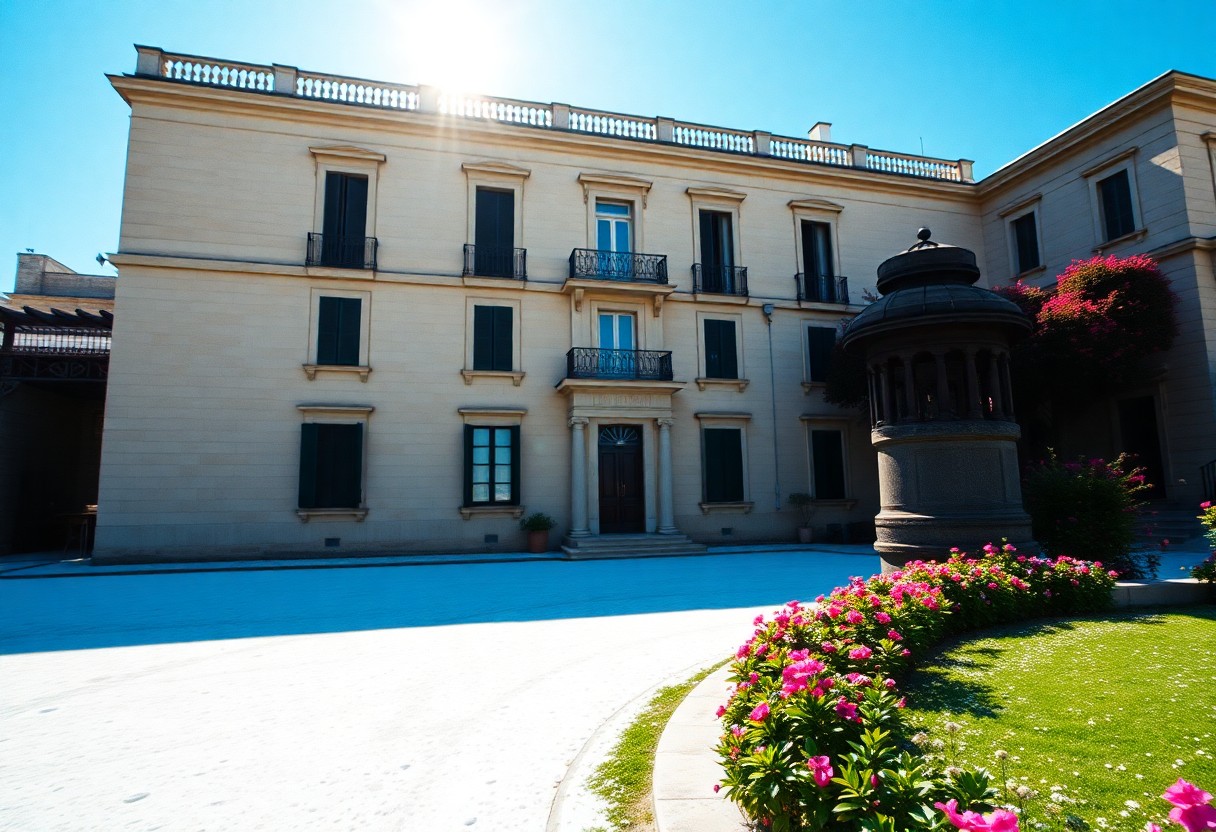
Winter in Malta transforms the way natural light interacts with the island's unique architectural heritage. As the sun's position shifts lower in the sky, it casts softer, diffused light that highlights intricate details of limestone facades and enhances the colors of traditional buildings. This seasonal change not only affects the aesthetic appeal of the architecture but also influences the mood of public spaces and historic sites, offering a fresh perspective on Malta's rich cultural landscape during the quieter months.
Key Takeaways:
- Winter sunlight in Malta creates unique shadow patterns that enhance architectural details.
- The softer, lower angle of light during winter accentuates the colors and textures of buildings.
- Seasonal changes in light influence the perception of historical sites, making them feel more dynamic and engaging.
The Essence of Light in Architecture
Definition of Architectural Light
Architectural light refers to the manipulation and integration of natural and artificial light within a space, enhancing its aesthetic and functional qualities. This interplay can define volumes, shape experiences, and evoke emotions, creating a dynamic relationship between light, materials, and structure.
The Role of Natural Light in Design
Natural light plays a vital role in architectural design, influencing both spatial perception and energy efficiency. Architects strategically place windows, skylights, and openings to maximize daylight, improving interior comfort and reducing reliance on artificial lighting.


















This strategic use of natural light can significantly enhance a building's environment. For instance, incorporating large glass façades or light wells allows light to penetrate deeper into interiors, fostering a vibrant atmosphere. Additionally, design elements like overhangs and shading devices can control glare and heat, promoting sustainability. Architects have increasingly embraced this practice, recognizing that well-designed daylighting encourages well-being and productivity, ultimately enhancing user experiences within the built environment.
Historical Context of Light in Architecture
Historically, the significance of light in architecture has evolved, with ancient civilizations leveraging sunlight to highlight religious and civic structures. The use of clerestory windows and open-air designs reflects an understanding of light's potential in creating inspiring spaces.
Climate and Geography of Malta
Overview of Malta's Climate
Malta enjoys a Mediterranean climate characterized by hot, dry summers and mild, wet winters. December through February sees average temperatures ranging from 10°C to 15°C, making it one of the warmest winter destinations in Europe. The island experiences approximately 300 sunny days per year, ensuring abundant daylight during the winter months, which significantly affects the perception of its architecture.
Geographic Factors Influencing Light
Malta's geographic features include its rugged coastline and elevated areas that create unique angles for sunlight entry. The low-lying nature of the islands allows broad horizons and fewer obstructions, resulting in sweeping views of light as it varies throughout the day. These elements work together to enhance the natural illumination of buildings, reflecting their historical and cultural narratives.
- The coastal terrain minimizes shadowed areas.
- A variety of elevations leads to diverse lighting conditions.
- Mediterranean winds and proximity to the sea influence atmospheric clarity.
Assume that the interplay between light and architectural forms is dictated by these geographic factors. For example, churches and fortifications built on higher ground can capture sunlight from varying angles, accentuating their verticality. Likewise, coastal structures benefit from light reflection off the water, creating ethereal effects at dawn and dusk.
- Impact of surrounding land on light diffusion.
- Variability of shadows throughout different locations.
- Direct sunlight enhances color and texture of building materials.
Seasonal Variations in Light Quality
The quality of light in Malta shifts notably as seasons change. In winter, the sun hangs lower in the sky, casting softer, diffused light that enhances architectural features without the harsh glare typical of summer. The rich, golden hues seen in late afternoons often give buildings a warm, inviting glow, perfect for highlighting stone facades.
Assume that this seasonal change enriches the textures and details of architecture. The softer light accentuates the intricate stone carvings of baroque churches and the warm palette of limestone, drawing attention to architectural details that might otherwise be overlooked in the blaring summer sun. Photographers and artists revel in this time for capturing Malta's vibrancy against the shifting twilight hues.
The Architecture of Malta
Historical Architectural Styles
Malta's architecture displays a rich tapestry of historical styles, from prehistoric Megalithic structures to Baroque churches. The diverse timeline includes Norman, Gothic, and Neoclassical influences, with notable examples such as St. John's Co-Cathedral, showcasing elaborate artistry that reflects Malta's complex history. Each period contributes layers to the island's identity, revealing a narrative shaped by time and cultural exchange.
Influence of Various Cultures
Throughout its history, Malta has been shaped by various cultures, including the Phoenicians, Romans, Arabs, and the Knights of St. John. These influences resulted in an eclectic architectural style that marries local and foreign elements, creating structures that are both functional and aesthetically unique. The amalgamation of these cultures is evident in the distinct characteristics of Maltese buildings.
For instance, the influence of the Arabs is seen in the winding streets of Mdina, highlighted by intricate stone archways that merge practicality with beauty. The Renaissance brought forth Italianate designs visible in the palaces of Valletta, while British Colonial architecture adds another layer, marked by red phone boxes and Victorian homes. Each cultural imprint is palpable across Malta's landscape, contributing to its architectural renaissance.
Key Architectural Landmarks
Prominent landmarks such as the Grandmaster's Palace, the ancient temples of Ħaġar Qim, and the fortified city of Valletta exemplify Malta's architectural prowess. These sites are not only historically significant but also showcase artistic achievements that span centuries, attracting scholars and tourists alike to explore their stories.
The Grandmaster's Palace, once the seat of the Order of St. John, embodies lavish Baroque elements, while the Megalithic temples date back over 5,500 years, marking them as some of the oldest free-standing structures in the world. Valletta, a UNESCO World Heritage site, is an architectural marvel with its compact layout and stunning facades, creating a visual dialogue between the past and present. Each landmark captures the essence of Malta's diverse heritage, reflecting the island's enduring charm and significance.
Winter Light Characteristics
Quality of Light in Winter
In winter, Malta's light takes on a unique quality, showcasing a softer, diffused illumination. This gentler light diminishes harsh shadows, allowing intricate architectural details to be appreciated without overwhelming contrasts. Structures such as the Baroque churches and ancient temples glow with a subtle warmth, inviting observers to explore their textures and forms more intimately.
Color Temperature and Its Impact
The color temperature of winter light in Malta typically shifts to cooler tones, averaging around 5500K to 6500K. This change affects the perception of color on buildings, highlighting the blues and greens of limestone, while making warm earth tones appear more subdued. Architectural features contrast elegantly against the winter sky, enhancing the allure of the historical sites.
Color Temperature and Its Impact
| Color Temperature (K) | Effect on Architecture |
| 5500K – 6500K | Enhances cool tones in stone, diminishes warmth in palettes |
| 3200K | Creates a warm, golden ambiance in interiors |
Winter light's cooler color temperature often leads to a more atmospheric feel in outdoor settings. When sunlight reflects off Malta's limestone buildings, it can evoke an ethereal quality, making architectural landmarks appear both timeless and contemporary. The interplay of cool and warm hues draws attention to the intricate details of facades, enhancing the overall aesthetic experience.
Changes in Light Angle and Duration
Winter brings shorter days and a lower sun angle, resulting in varied light dynamics throughout the day. Mornings see a soft golden hue as the sun rises, illuminating the façades in a gentle embrace. By mid-afternoon, the light shifts dramatically, creating elongated shadows that accentuate the depth of architectural features.
The change in light angle during winter allows for unique photographic opportunities, with the sun casting dramatic shadows that elongate across cobblestone streets and ancient walls. This phenomenon can transform a familiar scene into something new, as the interplay between light and structure draws the eye to elements often overlooked in the brighter summer months. The duration of light shifts, too, offering photographers and artists a limited window to capture the distinct beauty of Malta's urban landscape.
Interaction of Light and Material
Textures and Surfaces in Architecture
Malta's architecture is defined by varied textures and surfaces, enhanced during winter months. The interplay between light and the distinctive materials, such as limestone and terracotta, creates an intricate visual narrative. The rough surfaces of stone buildings scatter light in unique patterns, adding depth and character to their facades. This transformation emphasizes architectural details often overlooked in brighter seasons.
The Effect of Light on Materials
Winter light alters the perception of architectural materials, emphasizing their inherent qualities. For instance, the cool, soft hues of the winter sun enhance the warmth of local limestone, making facades appear more inviting. This seasonal illumination shifts the focus to the texture and finish of materials, revealing subtleties that may remain hidden under harsher daylight.
The interplay of light and shadow allows for dynamic experiences of these surfaces; polished finishes may reflect more brilliance than during summer, while matte textures absorb light, creating a more subdued aesthetic. The low angle of the sun highlights imperfections and variations in materials, transforming flat surfaces into textured landscapes that invite closer examination. Such interaction between light and material underlines the craftsmanship embedded in Malta's built heritage.
Seasonal Changes in Material Performance
Architectural Ornamentation and Light
Use of Decorative Elements
Malta's architecture is adorned with intricate decorative elements that reveal their true beauty in winter's gentle light. These embellishments, often found on balconies, facades, and doorways, reflect cultural influences ranging from Baroque to Moorish styles. In winter, the muted sunlight highlights their craftsmanship, allowing observers to appreciate the detailing of stone carvings and wrought ironwork.
Shadows and Light Play
The interplay of shadows and light in Malta's winter transforms architectural spaces, creating a dynamic visual experience. The lower angle of the winter sun casts elongated shadows that accentuate features like arches and columns, offering a stark contrast between light and dark. This interplay not only enhances aesthetic appeal but also evokes emotional responses from viewers as they navigate the streets.
The shadows produced during this season can bring out hidden layers of depth in structures, creating a sense of mystery and intrigue. For instance, the way shadows stretch across the colorful facades of Valletta or the ancient walls of Mdina emphasizes their historical significance while engaging the urban landscape in novel ways. This dance of light and shadow transforms everyday scenes into captivating compositions, inviting exploration and appreciation.
How Light Enhances Architectural Details
Winter light accentuates the architectural details that might otherwise go unnoticed in brighter seasons. The softer rays enhance colors, textures, and features, allowing elements like relief sculptures and decorative stonework to come alive. In this context, stone-carved details, intricate moldings, and even the aging patina of surfaces become more pronounced, showcasing the interaction between craftsmanship and the environment.
This enhanced visibility of architectural details can lead to a renewed appreciation for historical craftsmanship. For example, the interplay of light on the ornate façades of St. John's Co-Cathedral reveals each sculpted detail, drawing visitors' eyes toward the painstaking artistry involved in their creation. As the light changes throughout the day, so too does the perception of these elements, inviting passersby to pause and reflect on the stories embedded within the architecture. Such moments highlight the cultural significance of Maltese design and its timeless connection to the evolving natural world.
Case Studies of Winter Light Effects
- The National Library of Malta – An examination of how winter light enhances the grandeur of its Baroque façade, particularly in the morning when sunlight streams through the intricate windows, casting beautiful shadows across the interior.
- St. John's Co-Cathedral – Analysis of the play of light on the richly decorated interiors, especially during the late afternoon when the golden rays illuminate the elaborate carvings and paintings, creating a vibrant atmosphere.
- Mdina: The Silent City – Insights into the soft winter sunlight that bathes Mdina's limestone walls, emphasizing their warm tones and historical texture, which become more pronounced during the cooler months.
The National Library of Malta
Winter light in The National Library of Malta casts striking patterns through its grand windows, enhancing the natural ambiance of the reading rooms. The subtle variations in light create a tranquil environment, perfect for scholarly pursuits.
St. John's Co-Cathedral
In St. John's Co-Cathedral, the winter sun dramatically highlights the intricate details of its baroque artistry, particularly around midday. The interplay of light and shadow adds depth to the vibrant colors of the frescoes and the polished marble surfaces of the altar.
The cathedral's interior features Caravaggio's stunning paintings, which glow in the winter light, drawing the attention of visitors. Sunlight reflecting off the gilded surfaces creates a warm and inviting atmosphere, allowing art pieces to be appreciated in a whole new light.
Mdina: The Silent City
During winter, Mdina's architecture is uniquely illuminated by soft sunlight, which enhances the warm hues of its limestone. This seasonal change offers a different perspective on the city's medieval structures, inviting exploration of its narrow streets.
The interplay of shadow and light in Mdina's winding alleys reveals the city's rich history, impacting how visitors perceive its historical significance. As the sun sets, the golden light offers a breathtaking view of the ancient walls, making it a photographer's paradise during this serene season.
The Role of Color in Winter Light
The Color Palette of Maltese Architecture
Maltese architecture is defined by a diverse color palette, featuring warm honey tones, soft pastels, and vibrant accents. The use of local limestone creates a golden hue that reflects sunlight, while the painted wooden balconies add splashes of color. In winter, the subdued light alters these shades, enhancing the depth and warmth of the natural materials, creating a cozy atmosphere that contrasts with the cooler surroundings.
Seasonal Color Changes and Their Effects
Psychological Impact of Color in Winter
The psychological effects of color during winter can significantly influence mood. Warmer tones, such as yellows and oranges in the architecture, can promote feelings of comfort and cheer. In contrast, the cooler tones that emerge under winter light may invoke introspection or melancholy, often prompting residents and visitors alike to connect more intimately with their surroundings.
The interplay of winter light and color not only shifts the visual perception of Malta's architecture but also impacts emotional responses. Homeowners and architects have long recognized that selecting warm shades can counteract the winter gloom, fostering a sense of warmth and comfort indoors. For instance, the use of soft ochres and gentle blues in facade renovations can elicit feelings of nostalgia while harmonizing with the natural light variations throughout winter, enhancing both aesthetic appeal and emotional resonance.
Adaptive Design in Response to Light
Innovative Architectural Solutions
Architects in Malta have begun to implement innovative solutions that enhance the integration of natural light into their designs. For instance, the use of large glass facades and open floor plans allows for maximum daylight penetration, reducing reliance on artificial lighting. Buildings such as the Malta National Aquarium exemplify this trend, featuring structures that adapt seamlessly to the changing intensity and angles of winter light.
Use of Modern Technologies
Modern technologies play a pivotal role in optimizing light use within architectural frameworks. Advanced modeling software assists architects in predicting light behavior throughout different seasons, allowing for more effective designs. Techniques such as photometric analysis ensure proper positioning of windows and reflective surfaces to enhance daylighting.
This predictive approach employs simulations to visualize the impact of light in various weather conditions, enabling architects to make informed decisions. For example, some projects utilize algorithms that analyze sunlight patterns, allowing for dynamic adjustments in design elements like shading devices, thereby maximizing natural illumination while mitigating glare and heat gain.
Sustainable Practices in Light Management
Sustainable building practices increasingly incorporate light management techniques to reduce energy consumption. By utilizing daylight harvesting methods, architects can optimize light use and minimize energy expenses. Innovative approaches include integrating smart sensors that adjust artificial lighting based on the availability of natural light.
These sustainable practices not only benefit the environment but also enhance occupant comfort and well-being. For instance, buildings employing dynamic shading systems can automatically respond to external light conditions, maintaining consistent indoor lighting levels while lowering energy costs. A study indicated that such systems could reduce energy usage by up to 30%, showcasing the substantial impact of this thoughtful integration of technology with sustainable architecture in Malta's unique climate.
The Cultural Importance of Light in Malta
Festivals and Events Celebrating Light
Malta's cultural calendar features several festivals that celebrate light, such as the Feast of St. Lucia in December, where intricate illuminated processions and firework displays illuminate the night sky. The Malta International Fireworks Festival showcases stunning pyrotechnics set against the backdrop of ancient architecture, drawing thousands of visitors each year, further emphasizing the transformative power of light in the local culture.
Spiritual Significance of Light
Light holds profound spiritual significance in Malta, often symbolizing divine presence and guidance. Churches throughout the islands utilize natural light to enhance the spiritual experience, especially during religious ceremonies, where sunlight streaming through stained glass creates sacred atmospheres.
This relationship between light and spirituality is evident in numerous religious festivals, where candlelight vigils are common. During Lent, for example, the illumination of churches and homes reflects the hope and renewal associated with the season. The interplay of light and shadow in these sacred spaces serves to evoke contemplation and enhance the worshippers' experience, reinforcing the importance of light in Maltese spirituality.
Light in Artistic Expressions
Art in Malta has long been influenced by the unique quality of light, inspiring generations of artists to capture its essence through various mediums. Local painters, such as Giuseppe Calleja, have adeptly depicted the interplay of light and shadow in landscapes and portraits, showcasing the Mediterranean's vibrant atmosphere.
The use of light extends into other artistic fields as well. Maltese sculptors often incorporate reflective materials and strategic lighting in their installations, creating dynamic pieces that shift as viewers move around them. This emphasis on light not only reflects the natural beauty of Malta but also underscores its role as a vital element in the creative expression of culture and identity.
Photography and Documentation
Capturing Maltese Architecture in Winter Light
Winter in Malta presents a unique opportunity for photographers to capture the island's architecture bathed in softer, golden light. The low sun angles create dramatic shadows and highlight intricate details of stone façades, enhancing textures that are often lost in the harsh summer glare. Buildings like St. John's Co-Cathedral and the ancient city of Mdina become particularly photogenic, revealing their beauty through this distinct seasonal light.
Techniques for Photographers
Utilizing polarizing filters and adjusting exposure settings can significantly impact the quality of winter architectural photography. Photographers should aim for early morning or late afternoon to maximize the warm light. Experimenting with angles and perspectives, such as shooting from higher vantage points, can also unveil unique compositions that emphasize the interplay of light and architecture.
In winter months, the sun's lower path allows for capturing longer shadows, enhancing depth in photos. High dynamic range (HDR) techniques can assist in balancing the bright highlights and deep shadows that winter light can create. Additionally, scouting locations beforehand helps identify the best positions for capturing the interplay of light on different architectural styles, from Baroque to Romanesque.
Impact of Light on Architectural Photography
The quality of light plays a decisive role in architectural photography, influencing mood and perception. In winter, Malta's diffuse sunlight allows architects' works to shine in ways that stark summer light cannot achieve. Shadows become softer and more refined, creating a haunting beauty that resonates with the island's history.
The unique tonal qualities of winter light can alter the visual narrative of a structure. For example, it can emphasize the warmth of Malta's limestone, making it appear both inviting and timeless. Photographers can explore how the changing light throughout the day affects their compositions, leading to diverse interpretations of the same structure-from ethereal dawn to vibrant sunset hues. This variability provides a richer storytelling canvas, allowing architectural elements to resonate more deeply with the viewer's experience.
Impact of Light on Tourism
Winter Tourism in Malta
While summer remains the peak season for visitors, winter in Malta offers a unique charm that appeals to tourists seeking a quieter experience. With average temperatures around 15°C (59°F), outdoor activities such as hiking and sightseeing become more enjoyable. This season also attracts visitors interested in cultural events and heritage sites, as the milder weather enhances exploration.
Light as a Draw for Travelers
Malta's winter light significantly enhances its picturesque landscapes and architectural beauty, drawing in travelers eager to capture stunning photographs. The soft, golden hue during this season creates a magical atmosphere, making it ideal for artists and photographers alike.
Travelers often flock to Instagram-worthy spots like Mdina and Valletta, where the low winter sun casts long shadows that highlight the intricate details of historical buildings. The interplay of light with the island's natural scenery transforms ordinary scenes into breathtaking visuals, prompting many to extend their stays for the perfect shot.
Seasonal Events and Attractions
Winter in Malta brings an array of events and attractions that capitalize on the unique light conditions. Festivals, local markets, and celebrations allow visitors to engage with Maltese culture while enjoying the beautiful winter ambiance.
Events like the Valletta Baroque Festival feature illuminated performances that showcase the architectural grandeur of the capital. The combination of festive lights and winter sunsets over the Mediterranean creates an enchanting setting, encouraging both residents and visitors to participate in the vibrant communal atmosphere.
Future Considerations for Maltese Architecture
Challenges in Modern Design
Modern design in Malta faces significant challenges, particularly in balancing innovation with the preservation of historical integrity. Rising costs, environmental concerns, and stringent regulations often hinder architects from experimenting with contemporary materials and methods. Moreover, the need for sustainability in urban development frequently clashes with the island's dense layout, making it difficult to implement eco-friendly solutions without compromising on space or aesthetics.
Integrating Traditional and Contemporary Styles
Blending traditional Maltese architecture with contemporary design requires a thoughtful approach. By honoring historical elements, such as limestone facades and arched windows, while incorporating modern techniques and materials, architects can create structures that resonate with both the past and present. This fusion not only preserves cultural heritage but also enhances functionality for today's living needs.
For example, integrating traditional Maltese balconies, known as ‘gallariji,' into modern apartment buildings can provide striking visual contrasts while offering practical outdoor spaces. Architects like Renzo Piano have successfully merged old and new in projects throughout Europe, showcasing how respectful innovation can lead to enriched urban landscapes that invite public engagement while respecting local identity.
The Future of Light in Architectural Practice
The interplay of light within architecture remains a pivotal consideration for future designs in Malta. Harnessing natural light efficiently can drastically reduce energy consumption and enhance the aesthetic quality of spaces. Architects now focus on designing buildings that celebrate sunlight, utilizing features like large windows, skylights, and reflective materials to maximize illumination.
Innovative lighting technology and smart building systems are set to transform how light is implemented in future architecture. With developments in smart glass and energy-efficient LED systems, architects are able to design environments that adapt to changing light conditions, improve mood and productivity, and connect occupants more closely with Malta's vibrant natural surroundings. This approach not only elevates architectural beauty but also aligns with sustainable practices vital for future development.
To wrap up
To wrap up, the unique interplay of winter light in Malta significantly enhances its architectural beauty. The softer, low-angle sunlight casts long shadows, emphasizing the intricate details of historical structures while creating a warm glow that transforms facades. This seasonal luminosity not only highlights Malta's rich cultural heritage but also provides a fresh perspective on its landscapes. Observing these changes invites deeper appreciation for the island's architecture, showcasing how light can dramatically alter perception and experience in a visually captivating manner.
FAQs
How does winter light differ from summer light in Malta?
Winter light in Malta comes from a lower sun angle, creating softer and more diffused illumination. This reduces harsh glare and enhances textures and architectural details.
Why does winter light highlight Maltese limestone so effectively?
The softer winter sunlight interacts gently with limestone surfaces, revealing subtle textures, carvings and color variations that can be overwhelmed by stronger summer light.
Does winter light change the colors of Maltese buildings?
Yes. Winter light often has cooler tones that enhance blues and greys while making warm earth tones appear more muted yet refined and atmospheric.
Which architectural styles benefit most from winter lighting in Malta?
Baroque churches, medieval fortifications and historic limestone structures benefit greatly, as winter light emphasizes ornamentation, reliefs and depth.
How does Malta’s geography influence winter light conditions?
Malta’s low skyline, coastal setting and varied elevations allow unobstructed sunlight, reflections from the sea and diverse lighting angles throughout the day.
Why is winter popular with photographers in Malta?
The low sun angle creates long shadows, dramatic contrasts and warm golden hues during mornings and afternoons, ideal for architectural and street photography.
Does winter light affect the mood of public spaces in Malta?
Yes. Softer light creates calmer, more contemplative atmospheres in streets, squares and historic sites, encouraging slower exploration and reflection.
How does winter light enhance architectural details?
Gentler illumination reveals carvings, balconies, arches and stonework by reducing glare and increasing contrast between light and shadow.
Are indoor spaces affected by winter light in Malta?
Natural winter light entering through windows and courtyards creates warmer, more balanced interiors, enhancing comfort and visual clarity without harsh brightness.
Why is winter an ideal season to explore Malta’s historic landmarks?
Winter offers mild weather, fewer crowds and unique lighting conditions that reveal new perspectives on Malta’s architecture and cultural heritage.

Paula Nancy
Hello and Welcome to my profile. I'm a UK based entrenched full-time Blogger, Journalist, columnist and a certified writer with many years of sound writing experience. If you need a high-quality and original content, I'm here to provide you with the best writing services.
Related Posts
Year round travel in Malta
May 12, 2026
Spring Adventures In Malta
May 11, 2026
Malta Early Spring Travel Boom
May 9, 2026

Budget airlines lift Malta tourism
May 8, 2026

Spring visitors spend more in Malta
May 7, 2026

Malta airport traffic rises in spring
May 6, 2026

Malta hotel occupancy trends in spring
May 5, 2026
Malta attracts new spring travelers
May 4, 2026
Malta tourism tests power grid
May 2, 2026