












Winter Photography in Malta
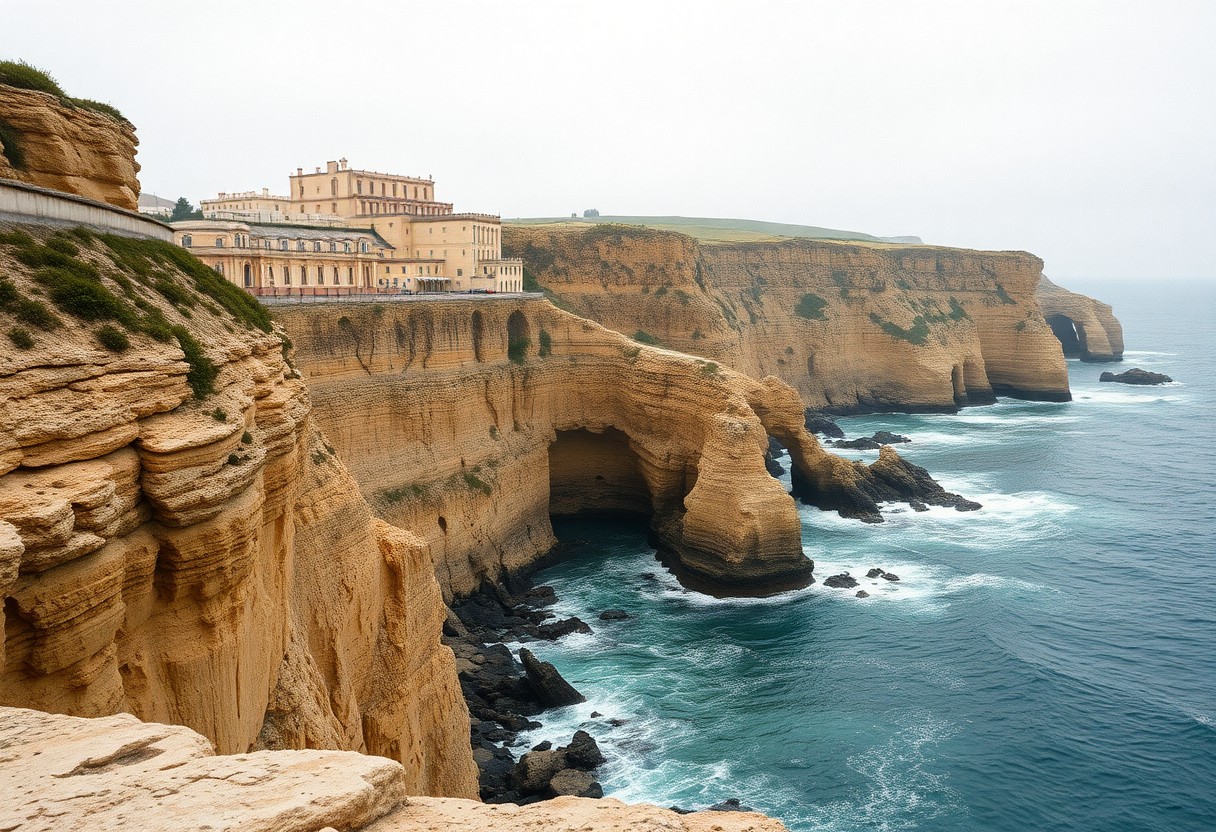
Winter transforms Malta into a quiet, textured landscape ideal for photographers seeking undisturbed scenes; explore secluded cliffs at Dingli, the salt pans of Marsalforn, the serene fishing boats of Marsaxlokk, and the rugged coastline around Għajn Tuffieħa for dramatic light and minimal crowds.
Overview of Winter Photography in Malta
The Unique Charm of Malta in Winter
Winter softens Malta’s limestone into warm ochres and long shadows, producing richer textures on façades in Valletta and Mdina; sea states at Dingli Cliffs and the Blue Grotto become more dramatic with winter swells, while quiet fishing shelters at Marsaxlokk offer intimate human elements without crowds, making composition-focused, mood-driven images easier between November and February.
Advantages of Winter Photography
Shorter daylight windows and a lower sun angle create prolonged golden and blue-hour conditions, often around 45-75 minutes each at sunrise and sunset, which yield more usable light for landscapes and architecture; additionally, fewer visitors at key sites means cleaner foregrounds and more time to set up long exposures or HDR brackets.


















Practically, that extended soft light lets you use slower shutter speeds-1/2 to 30 seconds-for silky seas with 6-10-stop ND filters, or bracket 3-7 exposures for high dynamic range at sunrises over the harbor. Bring a sturdy tripod, remote release, and wide (16-35mm) plus mid (24-70mm) lenses; ISO 100-200 and apertures f/8-f/11 typically deliver optimal sharpness and depth for Maltese vistas.
Key Considerations for Photographers
Weather variability-sudden rain, strong mistral winds and sea spray-affects access and gear choices, while daylight is limited (roughly 9-10 hours in December), so plan locations by priority, check ferry timetables for Gozo, and expect some sites to close earlier in winter months.
Layer clothing and carry waterproof covers for cameras; set aside time for lens cleaning after sea-spray shoots and use smaller apertures (f/11-f/16) when you need maximum depth of field. Rely on apps like Windy, Photopills and local tide charts to time cliff and shore compositions, arrive 30-60 minutes before sunrise, and obtain permits where required for tripods or commercial work in heritage zones.
Best Locations for Winter Photography in Malta
Valletta: The Capital's Hidden Corners
Valletta’s narrow lanes and ochre limestone glow in winter light, with Upper Barrakka Gardens offering panoramic views of the Grand Harbour at sunrise and sunset (winter sunsets around 17:00). Seek shutters, worn wooden doors and 16th-17th century facades near St. John's Co-Cathedral for intimate details; cross-processed color and polarizers work well on the sandstone. Night shots from the Saluting Battery capture dramatic harbor reflections with 10-20s exposures and ISO 100-200.
Mdina: The Silent City’s Timeless Allure
Mdina’s walled streets fall practically silent in winter, population inside the walls is only a few hundred, so pre-dawn and blue hour deliver empty cobbles and lamp-lit arches. Bastion Square gives sweeping views over Rabat and the island-bring a wide-angle for the skyline and a 50mm for doorways and baroque details like St. Paul’s Cathedral’s façade (rebuilt late 17th century).
For more control, use tripod-mounted long exposures (5-30s) to render empty streets silky while preserving lamplight; try aperture f/8-f/11 for depth and focus-stacking on close architectural details. Walk the clockwise route from Mdina Gate along Villegaignon Bastion for successive compositions; sample shots include a 24-70mm at 35mm for sweeping alleys, 85mm for compressed doorways, and tight 50mm portraits of carved stone plaques. Winter light favors cool tones-bracket exposures around sunset to retain shadow detail.
Gozo Island: Nature's Untouched Beauty
Gozo’s quieter winter months expose rugged sea cliffs, the Inland Sea at Dwejra and the red sands of Ramla Bay, with the Ġgantija Temples (c. 3600-3200 BCE) offering Neolithic foregrounds. The Mgarr ferry takes about 25 minutes from Cirkewwa and runs less frequently in winter-plan shoots around crossings. Xlendi Bay and Ta' Pinu provide sunrise and golden-hour opportunities with fewer tour groups and long low-angle light across layers of limestone.
Prioritize tides and swell forecasts for seascapes: low tide reveals tidal pools at Dwejra while high surf adds drama to cliff-edge compositions; use 10-30s ND-filtered exposures to smooth water and 16-35mm lenses for foreground-to-horizon depth. For cultural context, combine Ġgantija shots with close-ups of temple orthostats; a 70-200mm compresses quarry terraces and shows scale. Ferries at off-peak times let you arrive before dawn-carry spare batteries for long cold sessions.
Off-the-Beaten-Path Locations
Blue Grotto: A Natural Wonder
South of Żurrieq, the Blue Grotto's sea caves throw vivid turquoise reflections onto calm winter mornings; small boats from the harbour run short 15-20 minute circuits, making 9-11am the prime window for side-lit water tones. Shoot wide (16-35mm) for cave arches and bracket exposures to capture both surface reflections and darker cave interiors; a circular polarizer cuts glare while preserving the seabed's white patches that produce the intense blue.
Dingli Cliffs: A Photographer’s Paradise
At roughly 253 meters above sea level, Dingli Cliffs offer sweeping western vistas and dramatic drop-offs perfect for sunset panoramas and layered seascapes; winter brings quieter trails and clearer air, so compose with terraced fields or the small roadside chapels to add scale. Bring a sturdy tripod for golden-hour long exposures and a 24-70mm plus a 70-200mm to switch between sweeping foregrounds and distant sea stacks.
Several footpaths run along the plateau, with prime viewpoints reachable within a short 1-2 km walk from the main car park; experiment with foreground telephoto compression-using a 70-200mm at f/8-to isolate cliffs against the horizon. For long-exposure seascapes aim for ISO 100, f/11 and a 6-30 second exposure with an ND filter to smooth waves; steady your rig against gusts and bracket by ±2 stops for HDR blends when the sky is high-contrast.
Buskett Gardens: Nature's Retreat
One of Malta's few woodland areas, Buskett sits near Rabat and shelters mixed oaks and carob trees that diffuse low winter light-ideal for intimate woodland scenes and close-focus macro work. Early mornings can produce soft fog and active birdlife, so pack a 24-105mm for composed scenes and a 100-400mm or 50-200mm for skulking songbirds; trails are short and easily accessed from nearby parking spots.
Verdala Palace (16th century) anchors the gardens and provides architectural anchors for mixed-composition shoots; winter sees an influx of migratory passerines and wintering thrushes, making 1/500-1/1000s with continuous AF useful for flight shots. In thick canopy light, raise ISO to 800-1600 and use a monopod or fast prime (85mm f/1.8) for low-light detail while keeping shutter speeds sufficient to freeze movement.
Cultural Events to Capture
Craft Fairs and Local Markets
Seasonal bazaars run by parish halls and band clubs in December-January offer intimate scenes: dozens of handmade stalls, warm tungsten lighting, and candid portraits of artisans selling lace, pottery, and presepi. Shoot 50-200mm for details, use ISO 800-1600 indoors, and scout quieter afternoons when vendors rest to photograph unobstructed stalls and natural interactions.
Religious Processions and Celebrations
Winter feasts such as St. Paul's Shipwreck (Feb 10) and Carnival processions in February provide dramatic low-light scenes: candlelit streets, brass bands, and richly embroidered banners parading through narrow alleys. Use fast primes at f/1.8-2.8 and 1/125s shutter for motion; position yourself on narrow side streets for compressed compositions that emphasize faces and textures.
In smaller villages like Nadur (Gozo) and rural parishes, processions often involve local confraternities and century-old garments with minimal tourist presence; timing tends to be pre-dawn or evening, so seek permission for close portraits and prioritize handheld, low-ISO captures of details-rosaries, lanterns, and worn banners-to convey authenticity.
Local Festivals: Food and Music
Winter food festivals and neighborhood band-club concerts spotlight local cuisine and live għana or folk music; think village halls serving ftira, rabbit stew, and warm pastries while residents sing and socialize. Capture environmental portraits during peak tasting hours and rely on ambient light to preserve atmosphere-avoid flash to keep scenes natural.
Smaller events in towns such as Rabat and Mosta typically run one evening or a weekend and attract mostly locals; photograph sequences that tell the story-wide establishing shots, mid-range interactions between servers and diners, and tight details of bread, stews, and musicians’ hands to create a cohesive photoessay.
Technical Considerations for Winter Photography
Equipment Gear Recommendations
Pack a weather‑sealed mirrorless body (Sony A7 IV, Nikon Z6 II, Canon R6) plus 16-35mm f/4, 24-70mm f/2.8 and 70-200mm f/4 lenses for versatility; add a sturdy carbon‑fiber tripod, ball head, remote release and a polariser plus a 6‑stop ND for long sea exposures. Bring 2-3 spare batteries (cold can cut life by ~30-50%), multiple UHS‑II cards, microfiber cloths, silica packets, waterproof cover and hand warmers tucked in an inner pocket.
Adapting to Weather Conditions
Check forecasts for gusts (winter storms can reach 60-80 km/h) and plan sheltered vantage points; anchor tripods low, use sandbags or hang your gear bag from the center column to lower the centre of gravity, and shield equipment from spray with a rain sleeve while keeping spare batteries warm in an inner pocket.
When moving between cold outdoors and warm interiors, place camera and lenses in a sealed plastic bag before coming inside so condensation forms on the bag, not the glass; wait 20-40 minutes before unbagging. After salt‑spray exposure rinse metal parts with fresh water and dry immediately, then apply a light corrosion inhibitor to tripod screws. In high winds prefer focal lengths under 100mm or use shutter speeds at least 1/500s for telephoto to avoid motion blur; if you must use long focal lengths, increase ISO and stabilise the setup with wider leg spread and lower tripod height.
Utilizing Natural Light in Winter
Exploit longer golden and blue hours-sunrise in Malta winter often falls around 07:15-07:45 and sunset near 17:00-17:30-shoot at ISO 100-200 and f/8-f/11, bracket ±2 stops to preserve highlights on reflective sea and use a polariser to reduce glare and deepen skies during late afternoon light.
For dramatic seascapes use a 3‑stop GND to balance sky and foreground when photographing Dingli Cliffs at sunset; base exposure might be 1/125s, f/8, ISO100, then bracket in 1‑stop increments. During blue hour switch to long exposures of 4-30s to smooth water (ND not needed) and use mirrorless live histograms to avoid clipped highlights. Focus‑stack 6-10 frames for close foreground on coastal cliffs, then stitch in post for maximum detail; set white balance between 5200K-6000K or use the CLOUDY preset for warmer tones.
Portrait Photography in Maltese Settings
Choosing Appropriate Backgrounds
Use Malta’s globigerina limestone for warm, textured backgrounds and the painted luzzus of Marsaxlokk for vibrant colour contrast; narrow Mdina alleys provide shallow depth cues while Valletta’s wooden balconies add geometric frames. Aim for backgrounds 1-3 stops darker than the subject to maintain separation, choose 50mm or 85mm for flattering compression, and position the subject 1-3 metres from the wall to increase bokeh and avoid distracting elements like parked cars or signage.
Working with Natural Light for Portraits
Winter sun sits low, producing soft side light ideal for portraits-target the 30-45 minute windows after sunrise and before sunset for golden tones. Use a 110 cm reflector or +0.3 to +1 EV fill flash for balanced faces when backlit, and prefer north-facing façades for even, diffuse illumination; meter on the subject’s face and expose to protect skin highlights.
When you need precise control, shoot RAW and spot-meter on the cheek or eye, bracketing ±1 EV to capture headroom in highlights. A matte reflector (silver or gold depending on warmth desired) cut shadows by 1-2 stops; alternatively deploy a 1.2-2 stop diffuser to soften hard shafts caused by low-angle sun between limestone buildings. Practical settings in winter: ISO 100-400, shutter 1/125-1/320 for handheld 85mm at f/2-f/4, tighter shutter if subject moves. For environmental portraits in Mdina’s bastions at 15:00 try 85mm, f/2.8, 1/200s, ISO 200 and a 43″ reflector angled 45° to the face for natural-looking catchlights.
Capturing Local Traditions and People
Seek authentic moments in places like Marsaxlokk mornings (06:30-09:00) when fishermen work nets, or Valletta side streets where artisans maintain shutters and balconies; use a 35-50mm for environmental portraits that include context. Approach with a clear introduction, offer a small print or €5-10 for time when appropriate, and frame hands or tools for story-driven close-ups rather than always full faces.
Build rapport quickly: introduce yourself with a few Maltese phrases, show recent images on your camera to establish trust, and ask permission before shooting intimate scenes. Capture sequences-start wide (35mm) to show place, move to 50-85mm for half-body and 85-135mm for tight headshots or hands-so you can tell a 3-shot story. When documenting seasonal events like small village Christmas preparations, anticipate key gestures (adjusting a luzzu’s rope, arranging decorations) and set continuous burst at 3-6 fps to freeze decisive moments while retaining context; a sample setup that worked: 70mm, f/4, 1/250s, ISO 320 for a fisherman portrait showing face, hands and boat hull texture.
Landscape Photography Techniques
Composition Tips for Stunning Landscapes
Use the rule of thirds and golden-ratio placement to anchor horizons-place the sea at the lower third for dramatic skies or at the upper third to emphasize foreground textures. Employ wide lenses (14-35mm) for expansive Malta scenes and include a strong foreground object, like a boulder at Gnejna Bay or a fence at Dingli Cliffs, to lead the eye. Balance negative space with details and vary vantage points for scale. Perceiving scale by adding a human silhouette against cliffs makes vastness tangible.
- Rule of thirds / golden ratio for horizon placement
- Leading lines from foreground to midground
- Foreground interest: rocks, vegetation, or people for scale
- Negative space to emphasize minimal winter skies
Post-Editing Techniques for Winter Landscapes
Start in RAW: set white balance between 4800-5600K for neutral daylight, lift shadows +20-60 to expose coastal detail, and reduce highlights −20 to −80 to retain cloud texture. Apply a gentle curve increase for midtones, add selective clarity +10-25 on rocks, and use graduated filters for skies; target noise reduction Luminance 10-40 depending on ISO and sharpen with Amount 40-70, Radius ~1.0.
Workflow example: blend three exposures (−2, 0, +2 EV) in Photoshop to preserve sea highlights and recover shadow detail from foreground cliffs, then use luminosity masks to dodge/burn without affecting saturation. In Lightroom, use HSL to desaturate oversaturated blues by −10-25 and boost orange/yellow +5-15 to warm sunrise scenes; apply Dehaze +5-20 for contrast in foggy mornings. For web, export resized to 1200-1600px with output sharpening set to 60-80; for prints use targeted sharpening per paper profile. When ISO >1600, increase Luminance noise reduction to 30-60 and compensate with localized sharpening on edges only.
Capturing Movement in Nature
Freeze birds and boat action with 1/250-1/1000s using continuous AF and a 70-200mm lens, or create silky water with 1-30s long exposures and a 6-10 stop ND filter on a tripod. Use shutter priority for quick changes or manual for controlled blends, and employ a remote release or 2s timer to avoid vibration. Combine aperture f/8-f/16 with low ISO for clean long exposures.
For panning, pick shutter speeds between 1/30-1/125s, track subjects smoothly and use continuous high-speed burst to increase keeper rate; a 200mm focal length at 1/125s often yields good subject separation for coastal birds. For extreme smoothing of surf, stack a masked sharp foreground from a sharp, short exposure over a 30-60s ND exposure of the sea to retain texture while showing motion; use the histogram to avoid clipping and bracket exposures when light shifts quickly at sunrise.
Nature and Wildlife Photography in Malta
Seasonal Wildlife Migration Patterns
Malta sits on the Central Mediterranean flyway, with migration peaks in October-November and March-April; during those windows thousands of passerines and waders pass through, while wintering waterbirds like greater flamingos frequent salt pans and wetlands such as Għadira and Salina. Bird lists exceed 300 species recorded historically, so targeting specific dates and local hides produces higher success: plan for dawn watches during southerly winds in autumn and easterlies in spring for maximum passage numbers.
Importance of Ethical Wildlife Photography
Disturbance reduces breeding success and forces extra energy expenditure, so keep distance (generally 20-50 m for waders, 50-100 m for sensitive seabird colonies), avoid playback or baiting, and respect seasonal closures and reserve rules. Use long telephoto lenses and hides, follow BirdLife Malta guidance, and obey on-site wardens to prevent fines or removal from protected areas.
Practical measures include using hides or remote triggers to avoid approaching nests, choosing observation points documented by local reserve managers, and logging images responsibly to citizen science platforms without disclosing nest locations. Gear choices that reduce movement-beanbags, monopods, and 300-600 mm lenses-both improve image quality and lower disturbance risk. When in doubt, consult local guides or reserve staff; repeat infractions can harm populations and damage access for other photographers.
Techniques for Capturing Wildlife
Use a 300-600mm lens, continuous AF (AF‑C), and shutter speeds of 1/1000s for small passerines or 1/500s for larger birds; set ISO 800-3200 as needed and shoot RAW. Favor low angles for reflections in salt pans, employ hides at established reserves, and time sessions for golden hours and migration peaks to combine soft light with high activity.
For flight shots, track with AF-C and burst mode, using 1/1000-1/2000s for fast flappers and 1/500-1/1000s for raptors; panning at 1/125-1/250s can produce motion blur backgrounds for creative effect. Metering on plumage and applying +1/3 to +1 stop exposure compensation helps preserve detail against bright skies. Approach animals on an angle, pause frequently, and use local tide and wind forecasts to predict seabird movement; collaborating with local birders yields specific timing and hide locations that boost success while minimizing impact.
Urban Photography During Winter
Capturing Everyday Life in Malta
Marsaxlokk's Sunday fish market, Valletta's narrow lanes and the Sliema promenade reveal quieter winter rhythms ideal for candid work; use a 35mm or 50mm prime, set aperture between f/2.8-f/5.6 and shutter 1/125-1/400s to freeze gestures, ISO 200-800 depending on light, and shoot RAW for recovery. Aim for early morning or late afternoon when locals run errands and buskers appear, and practise quick, polite interaction to catch authentic expressions without interrupting scenes.
Iconic Landmarks in Winter Light
St. John's Co-Cathedral, Upper Barrakka Gardens, Mdina Gate and Fort St. Elmo take on longer shadows and softened hues in winter; prefer a 16-35mm or 24-70mm, stop to f/8 for edge-to-edge sharpness, ISO 100 and bracket ±2 EV to handle high dynamic range. Tripods facilitate blue-hour exposures and slow shutter work to blur stray pedestrians while retaining architectural detail.
Choose vantage points that compress or separate elements: shoot Upper Barrakka for a wide Grand Harbour panorama, use a 70-200mm around 135mm to isolate domes and bell towers against low winter sun, and bracket 3 frames for blending to retain shadow detail in limestone façades. Neutral-density filters let you smooth Harbour water with 1-4s exposures even in late-afternoon light, and winter's smaller crowds make sunrise and blue hour easier for clean compositions.
Street Art and Hidden Gems
Industrial pockets and backstreets in Valletta, Floriana and parts of the Three Cities hide vibrant murals and small-scale installations; a 24-70mm or 35mm prime captures whole works and close details, while overcast days give even color without harsh reflections. Walk alleys at chest height for natural perspective, and keep flash off-ambient light preserves paint texture and scale.
Use local resources-Instagram hashtags and community Facebook groups-to map recent pieces and temporary projects, then frame murals with surrounding architecture or people for context. Shoot detail shots at f/5.6-f/11 to record brushwork and surface texture, and experiment with side light to reveal raised paint and wall relief; when artists are present, ask before shooting to build goodwill and often learn the story behind a piece.
Night Photography Spots
The Best Locations for Night Shots
Valletta Waterfront offers colorful facades reflected in calm harbour waters, while Upper Barrakka Gardens frames Grand Harbour with illuminated forts; Marsaxlokk provides classic luzzu silhouettes against long exposures; Dingli Cliffs (~250 m) gives dark horizons for starfields and Milky Way segments; Mdina’s bastions and narrow streets yield golden-stone contrast under sodium lamps; Blue Grotto and Għajn Tuffieħa minimize light pollution for clearer skies-each location benefits from scouting for foreground anchors and local light schedules.
Techniques for Capturing Night Scenes
Use a sturdy tripod, shoot RAW, set aperture between f/1.4-f/4 for fast lenses, and pick shutter speeds from 6-30 seconds depending on focal length; ISO 800-3200 balances noise versus exposure; apply the 500 rule (500 ÷ focal length ≈ max seconds) to avoid star trails, and use manual focus with live-view magnification on a bright star or distant light.
Focus precisely by using live-view at 10-20× magnification and lock focus with a small clockwise turn past infinity; for noise control, capture 5-20 exposures and median-stack them in Sequator or DeepSkyStacker, add dark frames for thermal noise, and bracket foreground shots-light-painting a foreground for 2-5 seconds at 50-200 lumens often blends well with a 20s sky exposure; when needed, use a star tracker for exposures beyond the 500 rule and correct coma by selecting lenses like Rokinon/Samyang 14mm for wide-field astro.
Urban Night Life Photography
Strait Street in Valletta and Sliema promenade deliver neon signs, street musicians, and reflections; set shutter speeds to 1/60-1/250s to freeze faces or 1/8-1/30s for motion blur, use primes such as 35mm or 50mm at f/1.4-f/2.8 for shallow depth, and carry a small LED panel or on-camera flash with diffuser for controlled fill without overpowering ambient color.
Compose around light sources-frame subjects against shop fronts or lit archways to separate them from busy backgrounds, and employ rear-curtain sync when combining subject motion with ambient trails; practical settings often start at 35mm, f/1.8, 1/100s, ISO 1600 for candid portraits in low light, while handheld panning at 1/15-1/30s creates dynamic street streaks; prioritize quick consent for close portraits and use a 24-70mm f/2.8 for flexibility during shifting scenes.
Recommended Photography Tours and Guides
Selecting the Right Photography Tour
Choose tours by duration and focus: golden-hour mini-tours (2-3 hours), full-day landscape workshops (6-8 hours), or night/astro trips. Prefer small groups (4-8 participants) and guides who are professional photographers with local licences; prices in Malta range roughly €60-€250 depending on length and private versus group. Check sample itineraries for sites such as Dingli Cliffs, Wied il-Mielaħ (Gozo) and Wied iz-Zurrieq boat options to ensure the route matches your creative goals.
Benefits of Guided Photography Trips
Guided trips accelerate results by delivering local scouting, prime light timing, and composition coaching; typical formats are 2-3 hour golden-hour shoots or 4-8 hour workshops with on-the-spot critique. Small-group or private options grant faster setups and access to lesser-known coves or rooftop viewpoints, often including transport and basic tripod support.
Experienced guides in Malta frequently arrange logistics you cannot easily obtain alone: pre-booked boat rides from Wied iz-Zurrieq for low-angle backlit sea stacks, rooftop permits in Valletta for blue-hour panoramas, or private farm access near Gnejna Bay for dawn compositions. They also provide technical mentoring-filter selection, exposure bracketing, and tethered shooting-plus rapid feedback that raises keeper rates during a single outing. Many operate workshops limited to 6-8 participants, enabling hands-on instruction; private sessions cost more but often include door-to-door pickup and bespoke itineraries. For winter shoots expect earlier golden hours (sunrise ~07:00-07:30 in January) and guides who plan around tide tables and wind forecasts to optimize sea-spray effects.
Online Resources for Self-Guided Tours
Use PhotoPills or The Photographer's Ephemeris for sun, moon and Milky Way azimuths; Windy for wind and swell; Google Earth and Street View to pre-visualize compositions; Wikiloc or AllTrails for GPX routes to secluded coves. Check Instagram location tags and local Facebook groups for recent conditions and access updates.
Combine tools for practical planning: use PhotoPills to compute golden-hour start, sun azimuth and hyperfocal distances, and cross-check sight-lines with The Photographer's Ephemeris. Consult Windy for wind profiles and wave forecasts before coastal shoots, and reference tide tables or GPX waypoints to time low-tide access. Scout compositions in Google Earth, export GPX routes from Wikiloc/AllTrails to your phone, and monitor Malta photography forums or Instagram for seasonal changes (vegetation, algal mats, temporary fencing). Set phone alerts for wind above ~20 km/h or rain to avoid wasted trips.
Conclusion
With this in mind, Malta's quieter winter bays, inland villages, and coastal headlands offer photographers ample opportunity to capture dramatic light, rugged textures, and authentic local scenes without tourist distraction; plan around weather, use golden hours, and respect private properties to make the most of unobstructed compositions and atmospheric shots that reveal the islands' seasonal character.
FAQs
Why is winter a good time for photography in Malta?
Winter offers fewer crowds, softer light, dramatic skies and longer golden and blue hours, making it ideal for landscape and urban photography.
What months are best for winter photography in Malta?
The best period is from November to February, when daylight is shorter, the sun stays low and popular locations are quieter.
Which locations are best for winter photography in Malta?
Top locations include Valletta, Mdina, Dingli Cliffs, Marsaxlokk, Gozo, the Blue Grotto, Buskett Gardens and Għajn Tuffieħa.
Is Gozo worth visiting for winter photography?
Yes, Gozo is quieter in winter and offers rugged coastlines, dramatic seascapes, historic temples and excellent sunrise and sunset views.
What type of camera gear is recommended for winter photography in Malta?
A weather-sealed camera, wide and mid-range lenses, a sturdy tripod, ND filters and spare batteries are strongly recommended.
How does winter light differ from summer light in Malta?
Winter light is softer and more directional, with longer golden and blue hours that enhance textures, colors and shadows.
Are there any challenges when photographing Malta in winter?
Weather can be unpredictable, with strong winds, rain and sea spray, so planning, weather checks and protective gear are essential.
Can I photograph people and local traditions during winter?
Yes, winter feasts, markets and fishing villages offer authentic opportunities to capture Maltese culture with minimal tourist presence.
Is wildlife photography possible in Malta during winter?
Yes, Malta lies on a major migration route and wintering birds can be photographed at reserves such as Għadira and Salina.
Do I need permits for photography in Malta?
Permits may be required for commercial shoots, tripods in heritage zones or protected natural areas, so it is best to check in advance.

Paula Nancy
Hello and Welcome to my profile. I'm a UK based entrenched full-time Blogger, Journalist, columnist and a certified writer with many years of sound writing experience. If you need a high-quality and original content, I'm here to provide you with the best writing services.
Related Posts
Year round travel in Malta
May 12, 2026
Spring Adventures In Malta
May 11, 2026
Malta Early Spring Travel Boom
May 9, 2026
Budget airlines lift Malta tourism
May 8, 2026
Spring visitors spend more in Malta
May 7, 2026
Malta airport traffic rises in spring
May 6, 2026

Malta hotel occupancy trends in spring
May 5, 2026
Malta attracts new spring travelers
May 4, 2026
Malta tourism tests power grid
May 2, 2026