












Daily life in Malta in winter
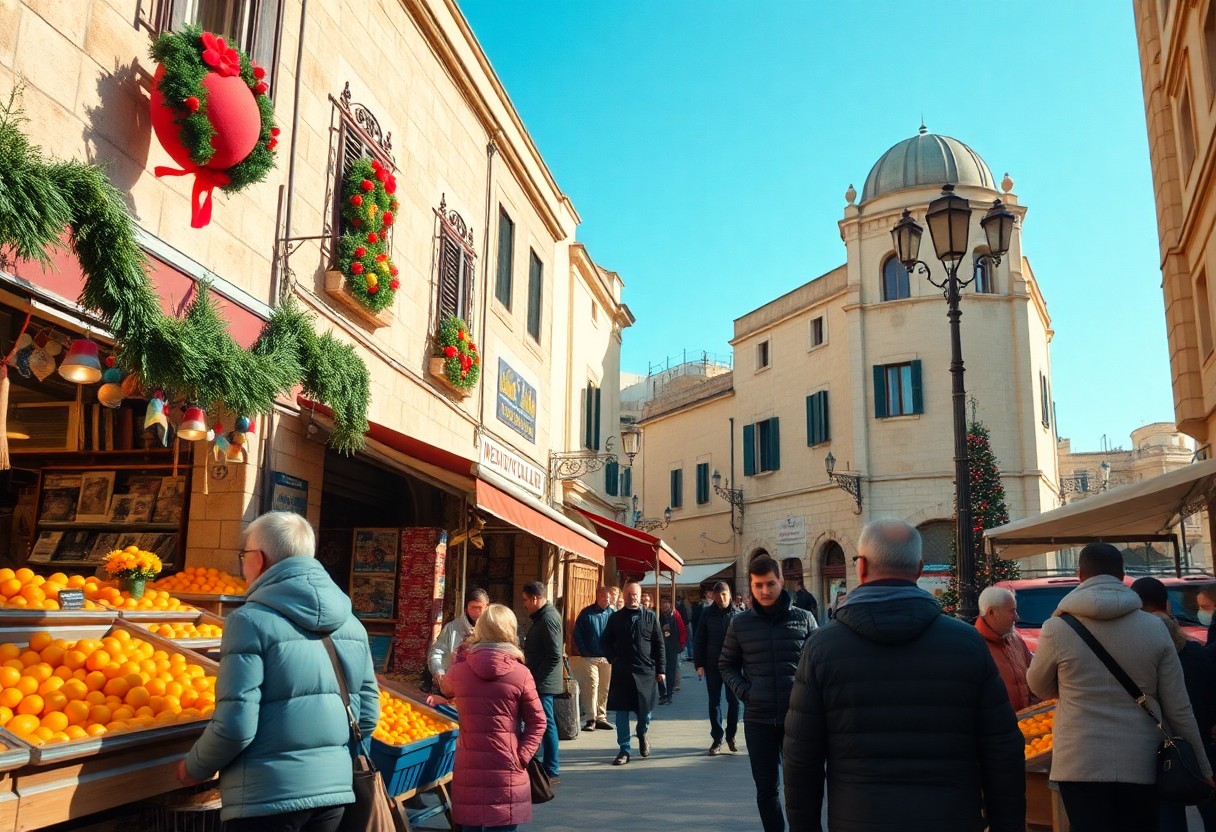
It's a unique season in Malta as winter transforms daily life across the islands. While temperatures remain mild compared to many northern climates, the shift brings changes in local routines, seasonal cuisine, and cultural festivities. From the bustling Christmas markets to the tranquil atmosphere in coastal towns, winter influences social interactions and outdoor activities. Understanding these seasonal adjustments provides valuable insights into Maltese culture and lifestyle during this often-overlooked period of the year.
Key Takeaways:
- Winter temperatures in Malta are mild, leading to a shift in daily activities and social gatherings, often moving indoors.
- Seasonal produce, such as citrus fruits, plays a significant role in local cuisine during winter months.
- Outdoor events and tourism decrease as winter weather is less predictable, impacting local businesses and cultural activities.
The Climate of Winter in Malta
Overview of Winter Weather Patterns
Winter in Malta typically spans from December to February, characterized by mild temperatures and sporadic rainfall. This season sees a shift in weather dynamics, where cold fronts from the Mediterranean can bring cooler, windy days and occasional storms, creating a notably different ambiance compared to the hot summers.
Climate Change Impacts on Winter
Climate change is having discernible effects on Malta's winter seasons, leading to increased variability in weather patterns. Warmer winters are becoming more common, influencing both flora and fauna, as well as altering human habits.


















As temperatures gradually rise, the risk of warmer winter nights and less consistent rainfall poses challenges for agriculture and water resources. A shift in seasonal precipitation patterns could lead to drier winters, impacting water supply and ecosystems that depend on the annual wet season for replenishment.
Temperature and Precipitation Trends
The average winter temperatures in Malta generally range from 10°C to 15°C, with January being the coolest month. Rainfall averages around 110mm over the three winter months, peaking in December. Below is a breakdown of typical winter conditions:
Winter Temperature and Precipitation Overview
| Month | Average Temperature (°C) | Average Precipitation (mm) |
|---|---|---|
| December | 13 | 112 |
| January | 11 | 80 |
| February | 12 | 70 |
These trends illustrate the relatively comfortable yet variable nature of winter in Malta. While temperatures rarely dip significantly, the wettest months reflect a substantial change in the daily routines of residents, often prompting a shift towards indoor activities and social gatherings.
Seasonal Traditions and Festivals
Religious Celebrations in Winter
Winter in Malta is marked by significant religious events, most notably Christmas and the feast of St. Paul's Shipwreck. These celebrations involve vibrant activities, including midnight masses filled with carols and traditional presepi displays. The streets are adorned with colorful lights, while cities like Valletta transform with festive decorations, reinforcing the deep spiritual significance of the season.
Local Cultural Events and Activities
Cultural events during winter bring communities together, with various local fairs and concerts showcasing Maltese traditions. From theatrical performances in intimate venues to art exhibitions, these activities foster a rich cultural dialogue. The winter months see a particular emphasis on local music festivals, allowing both residents and tourists to experience Malta's dynamic arts scene.
One notable event is the Valletta Baroque Festival, which takes place each January. This festival attracts both local and international artists, celebrating the baroque heritage of Malta through a series of concerts held in historical venues. Audiences enjoy a diverse range of performances, from orchestral renditions to chamber music, enriching Malta's cultural tapestry during the cooler months.
Food and Drink Traditions During Winter
Winter sees a culinary embrace of traditional Maltese dishes, with heartwarming meals becoming the norm. Popular items include rich stews, rabbit dishes, and comforting soups, often enjoyed during family gatherings. Homemade pastries also emerge as a staple, complementing the festive atmosphere of the season.
One beloved winter treat is Qagħaq tal-Għasel, a honey-filled pastry that holds a special place during Christmas celebrations. Families often gather to make these sweet delicacies, embodying the spirit of community and tradition. Additionally, the consumption of warm beverages like hot chocolate and mulled wine becomes a comforting ritual, enhancing the cozy experience of winter evenings in Malta.
Economic Activities During Winter
Seasonal Employment Opportunities
Winter in Malta brings about various seasonal employment opportunities, particularly in the hospitality and retail sectors. Hotels and restaurants often hire extra staff to accommodate the influx of tourists seeking a milder climate. Additionally, local shops take on temporary workers for the holiday season, enhancing customer service during peak shopping periods.
Tourism Trends in Winter Months
During winter, Malta attracts a different kind of tourism, with travelers seeking off-season experiences. The milder weather, historical festivals, and less crowded attractions draw visitors, leading to a steady stream of bookings in accommodations and tour services.
In December, the festive atmosphere, highlighted by Christmas markets and events, significantly boosts tourism. January often sees visitors attracted to cultural experiences, such as the International Fireworks Festival and local art exhibitions. Notably, travel statistics show a 15% rise in winter tourism compared to previous years, underscoring the appeal of Malta's unique winter offerings.
Agricultural Practices and Crop Harvests
Winter in Malta is a critical period for agriculture, as farmers focus on harvesting various crops like citrus fruits and vegetables. This season aligns with the growth cycles of many local produce, ensuring fresh supplies to markets and local consumers.
Specifically, the harvesting of oranges and lemons occurs between November and February, benefiting from the cooler temperatures that enhance fruit quality. Farmers employ traditional methods and techniques, emphasizing organic practices, which have gained popularity. The Malta Sustainable Agriculture Network reports a 20% increase in organic produce during winter, reflecting the community's commitment to sustainability and high-quality products.
Winter Sports and Recreational Activities
Popular Winter Sports in Malta
Despite its mild climate, Malta offers various winter sports, especially for water enthusiasts. Windsurfing and kitesurfing thrive in the winter months due to consistent winds. The Malta Windsurfing Club hosts competitions, attracting local talent as well as international participants eager for ideal winter conditions. The vibrant scene showcases the community's enthusiasm for outdoor sport even when temperatures dip.
Outdoor Recreational Opportunities
The picturesque landscapes of Malta turn into a playground for outdoor enthusiasts during winter. With scenic hiking trails and tranquil beaches, activities like cycling, rock climbing, and birdwatching become popular pastimes. Local organizations often arrange guided hikes, which provide valuable insights into the islands' natural beauty while fostering a sense of adventure among participants.
As temperatures fall, trails such as the Victoria Lines and the coastal paths of Gozo invite walkers to explore their breathtaking vistas. These hikes not only highlight Malta's unique wildlife but also encourage physical activity and well-being. The cooler air makes it an ideal time for outdoor pursuits, with locals and tourists alike seizing the opportunity to engage with the stunning scenery and rich history.
Community Engagement in Winter Activities
Winter stirs a sense of community in Malta, with various events and activities fostering local connections. Residents participate in festive gatherings, such as traditional feasts and markets, where they celebrate culture through music, dance, and local cuisine. Such communal experiences strengthen relationships and highlight the importance of shared enjoyment during the season.
The annual Feast of Saint Paul's Shipwreck in Valletta exemplifies this engagement, where locals come together for parades, reenactments, and communal meals. These events inspire not just participation but also pride in Maltese heritage, creating a vibrant atmosphere that resonates throughout the winter months. Engaging in these communal activities allows for the formation of lasting bonds and a deeper appreciation for partaking in local traditions and festivities.
The Role of Winter in Social Dynamics
Impact on Family Gatherings and Social Life
Winter prompts Maltese families to come together, often revolving around festive occasions such as Christmas and New Year's celebrations. Traditional meals and gatherings foster deeper connections, as families cherish quality time in the warmth of their homes. The holiday spirit amplifies these interactions, where shared experiences create lasting memories.
The Influence of Winter on Community Bonds
Communities in Malta strengthen their ties during winter months through collective events and festivals. The cooler weather encourages locals to engage in shared traditions, such as village feasts and outdoor markets, reinforcing a sense of belonging. Community members often collaborate to organize events, showcasing local culture and cuisine, nurturing relationships that extend beyond the season.
These community events, such as the Feast of St. Paul and Christmas markets, not only celebrate tradition but also serve as gathering points for locals. Volunteers and residents come together, fostering camaraderie and a collective identity. The winter months turn into opportunities for societal engagement, where neighborly bonds flourish as people collectively prepare for and partake in communal activities.
Changes in Social Interactions During Winter
Winter alters usual social habits, as outdoor gatherings become less frequent and indoor activities rise in popularity. This shift often leads to cozy get-togethers among friends, including movie nights or shared meals. Pubs and cafes see increased patronage, becoming lively hubs for socializing, where the warmth of companionship combats the chill outside.
As daylight shortens and the air cools, social interactions pivot uniquely in Malta. People gravitate towards hearth-centered activities, enhancing the intimacy of connections. Seasons, such as winter, invite locals to explore cultural indoor events, like art exhibitions and poetry readings, creating an engaging social landscape that thrives away from the summer's outdoor festivities.
Winter Clothing and Fashion
Traditional Maltese Winter Attire
Traditional Maltese winter attire often features layered clothing to adapt to the cooler months. Locals commonly wear wool sweaters, known as ‘gidi', paired with light coats. Men typically don tailored jackets, while women might wear long skirts or dresses combined with knitted shawls. The use of earth-toned colors reflects the island's landscape, with fabric choices prioritizing warmth and comfort.
Shift in Fashion Trends During Winter
As winter settles in, fashion trends in Malta evolve, taking cues from European styles while blending local preferences. Designers introduce heavier fabrics and vibrant patterns to counteract the seasonal gloom. Knitwear becomes a staple, with many adopting oversized silhouettes, while accessories like scarves and hats gain prominence, enriching personal style amid the chill.
With social media influencing wardrobes, many young Maltese embrace contemporary brands alongside traditional pieces, creating a fusion of styles. Seasonal pop-up shops and local markets feature artisan knitwear, appealing to those seeking unique items. Events showcasing local designers further drive interest in winter collections, allowing for a mix of practicality and trendiness that resonates throughout the island.
The Influence of Winter on Local Fashion Retail
Winter significantly influences local fashion retail in Malta, as shops adapt their offerings to meet consumer demand. Retailers adjust their inventories to feature heavier winter clothing, fostering a seasonal surge of sales. Collaboration with local designers often amplifies this seasonal impact, providing unique products that attract both locals and tourists.
Fashion retailers also switch to promotional strategies that highlight winter imperatives, including discounts on outerwear and seasonal collections. Both online and physical stores run campaigns capitalizing on winter festivities, driving foot traffic and online engagement. Increasing local craftsmanship visibility encourages community support, blending tradition with contemporary winter fashion trends.
Adaptation of Daily Life to Winter
Changes in Daily Routines
As temperatures drop, Maltese residents adjust their daily routines to accommodate shorter daylight hours and varying weather conditions. Mornings may start later, with many choosing to postpone outdoor activities until the sun is higher in the sky. Evening gatherings often shift indoors, where families and friends come together to enjoy the warmth of their homes with traditional comfort foods.
Nutritional Adjustments for Winter Months
Winter inspires a shift in the culinary landscape of Malta, emphasizing hearty and warming dishes. Seasonal produce, such as citrus fruits, root vegetables, and cabbages, find their way into local recipes, while hearty stews and soups become staples on dining tables across the islands.
This period also sees a rise in the consumption of traditional winter fare, such as “minestrone” and “arancini.” Practicing mindful eating, residents are encouraged to focus on nutrient-dense meals that provide the necessary energy and warmth during cooler months. The popularity of herbal teas and fortified drinks increases, promoting health and hydration, which are crucial for combating seasonal illnesses.
Health and Wellness Considerations
With the onset of winter, maintaining health becomes a priority for many in Malta. People are more aware of the importance of physical activity, often engaging in indoor exercises or brisk walks when the weather permits. Mental wellness initiatives gain traction, with community programs encouraging social engagement to combat winter-related isolation.
Seasonal health considerations also prompt increased awareness of vitamin D deficiency due to reduced sunlight exposure. Many opt for dietary supplements or fortified foods to ensure adequate levels, alongside participating in community events that focus on mental health and fitness. These efforts help foster a sense of community resilience during the colder months, ensuring overall wellness remains a top priority.
Transportation and Accessibility During Winter
Effects of Weather on Transportation Systems
During winter in Malta, weather conditions significantly impact transportation systems. Rain and occasional winds can disrupt bus schedules and ferry operations, leading to delays in public transport. Low temperatures may also affect infrastructure, causing issues such as slippery roads and reduced visibility, which prompt adjustments in travel plans for many commuters.
Challenges and Solutions for Daily Commuting
Daily commuting in winter presents challenges such as increased traffic congestion and longer wait times for public transport. Residents often face difficulty managing their schedules around unpredictable weather. However, improvements in real-time traffic monitoring and enhanced communication from transport services help mitigate these issues, making it easier for individuals to plan and adapt.
To combat these commuting challenges, local authorities have implemented various solutions, including increasing the frequency of bus services during peak hours and introducing a mobile app that provides real-time updates on transport schedules. Infrastructure enhancements, such as improved road drainage, have also been prioritized to reduce flooding, thereby allowing for smoother traffic flow even after heavy rainfall.
Infrastructure Adaptations for Winter Conditions
Malta's infrastructure is gradually adapting to winter conditions to enhance safety and reliability. Maintenance programs have intensified to address road wear and tear due to seasonal weather patterns, ensuring that potholes are repaired promptly. Additionally, strategic placement of signage and barriers helps guide drivers during adverse conditions.
Investments in infrastructure, such as advanced drainage systems, have been made to alleviate flooding during winter storms. The introduction of reflective road markings and better street lighting improves visibility during darker winter days. Collectively, these measures aim to create a safer commuting environment and ensure that transport systems can withstand winter challenges efficiently.
Flora and Fauna in Winter
Winter Landscape and Nature Adaptations
During winter, Malta's landscape transforms, with many plants shedding leaves or entering a dormant state. The mild temperatures allow for the persistence of various green shrubs and herbaceous plants, which bloom sporadically throughout the season. Adaptations such as thicker cuticles or reduced leaf area help local flora conserve moisture, while some species rely on winter rains to rejuvenate and prepare for the spring bloom.
Migratory Birds and Local Wildlife
Malta serves as a critical stopover for various migratory birds during winter. Species such as the Eurasian wigeon, the lesser black-backed gull, and the common redshank flock here, taking advantage of the mild climate. The islands' wetlands and coastal areas provide vital habitats, where these birds can rest and feed before continuing their migratory routes.
Birdwatching enthusiasts can spot flocks of starlings and thrushes, while the unique biogeography of the Maltese Islands hosts several endemic species, including the Maltese wall lizard. January is peak migration, with thousands of birds utilizing Malta's strategic position between Europe and Africa, illustrating the islands' ecological significance during this season.
Conservation Efforts During the Winter Season
Conservation initiatives ramp up in winter as organizations focus on protecting migratory birds and their habitats. Efforts include monitoring bird populations, maintaining wetlands, and promoting awareness campaigns to educate the public about local wildlife. Strategic collaborations help implement guidelines that ensure minimal disturbance during sensitive migration periods.
In collaboration with international environmental bodies, Malta has established key protected areas, such as the Salinas and Ghadira Nature Reserves, to safeguard critical habitats. These efforts underscore the importance of preserving biodiversity during winter, which serves as a pivotal time for ecological stability and recovery, ensuring that both residents and wildlife thrive in harmony.
Education and Learning in Winter
School Calendar and Winter Break
The school calendar in Malta typically accommodates winter by scheduling a break in December, allowing students to celebrate Christmas and New Year's with their families. This holiday period lasts two weeks, giving students a chance to recharge and enjoy seasonal festivities. Schools often plan term assessments before the break, ensuring that learning is still prioritized during the fall semester.
Adaptations in Educational Activities
Teachers adapt to winter's colder months by pivoting from outdoor activities to more indoor-focused learning. Lessons are designed to promote engagement while keeping students warm and comfortable. This includes interactive classroom projects, art, and science experiments that can be conducted inside. Online resources and virtual field trips also become more prevalent, bridging any gaps caused by inclement weather.
During the winter months, educational activities often shift towards more innovative approaches. For instance, teachers might incorporate technology, utilizing online tools for collaborative projects. Some schools host indoor sports events or themed learning weeks that encourage creativity while providing a break from the standard curriculum. Field trips to local museums or cultural exhibitions are also common, enriching students' learning despite the chilly weather.
Community Educational Programs in Winter
Winter in Malta brings about a range of community educational programs that cater to various age groups. Local libraries and community centers often host workshops, tutoring sessions, and lectures to foster learning during the colder months. These programs are important for maintaining academic engagement and promoting lifelong learning within the community.
Community educational initiatives, such as language classes or skill-building workshops, thrive in winter, often featuring local experts or volunteers. These programs not only provide valuable knowledge and skills but also facilitate social connections among participants. Seasonal storytelling sessions for children, combined with holiday-themed craft activities, create a warm environment for community bonding while enriching children's experiences during the winter months.
History and Heritage of Winter in Malta
Historical Perspectives on Winter Life
Winter in Malta has long been intertwined with the island's agricultural cycles, with farmers historically relying on the cooler months for sowing and harvesting practices. Festivals celebrating the harvest, like the Feast of St. Martin, reflect a rich tapestry of traditions rooted in agrarian lifestyles. The reliance on seasonal ingredients during winter defined not only menus but also community gatherings, forging a collective identity steeped in historical contexts.
Evolution of Winter Customs and Practices
Over centuries, winter customs in Malta transformed significantly, melding indigenous practices with influences from various cultures that occupied the islands. Traditional festivities, such as Christmas and New Year's celebrations, adapted to incorporate both local and foreign elements, showcasing the island's unique blend of history. As urbanization took hold in the 20th century, winter events evolved, shifting towards a more communal experience with increasing tourism, thus changing the way locals engage with their heritage.
The evolution of winter customs in Malta reveals the adaptive spirit of its people. As the island attracted different cultures over time, each wave brought new traditions that blended with local practices. For instance, the Christmas feast morphed from simple, home-based meals to grand community gatherings reflecting eclectic influences. Winter markets and public festivities emerged, driven by tourism and the desire to share Malta's unique cultural heritage, demonstrating a fusion of old and new that continues to define the season.
Notable Historical Events in Winter
Winter has witnessed several significant events in Malta's extensive history, including the Siege of Valletta in 1565, which notably escalated during the colder months. The harsh winter conditions influenced both the defenders and attackers, shaping strategies and outcomes that would determine Malta's fate. Moreover, the Great Siege highlighted the resilience and tenacity of local residents, marking a pivotal moment that enhanced the island's historical narrative.
Notable historical events during winter often serve as reminders of Malta's strategic importance in the Mediterranean. The Great Siege of 1565 not only challenged the Knights of St. John but also fortified national pride. Similarly, Malta's involvement in World War II saw key battles unfold in winter months, impacting local communities and architecture. These events shaped a legacy, with each winter cementing the island's storyline of struggle and survival, influencing how communities commemorate their past today.
Media and Arts Representation of Winter
Literature and Poetry Reflecting Winter Themes
Winter has inspired myriad Maltese writers and poets who explore into its themes of solitude, reflection, and renewal. Notable works capture the essence of winter, showcasing the stark beauty of the season. For instance, poetry often uses vivid imagery to describe the gentle transformations of the landscape, evoking a sense of nostalgia and local folklore that resonates deeply within the culture.
Winter in Maltese Visual Arts and Cinema
Maltese visual arts and cinema frequently explore winter as a backdrop for storytelling. Artists portray the season through landscapes characterized by moody skies and muted colors, while filmmakers often weave winter scenes into narratives that highlight the contrast between warmth and cold, bringing viewers into the intimate spaces of local life during this time.
Many celebrated Maltese artists, such as Antonie D'Aguirre, depict winter's tranquil scenery, illuminating the countryside's stark beauty. In cinema, films like “Simshar” showcase Malta's harsh winter realities alongside its stunning landscapes, emphasizing human connection amidst nature's challenges. These works reflect how winter shapes emotional depth, driving the narratives forward while celebrating the island's unique heritage.
Music and Performing Arts Celebrating Winter
Local musicians incorporate winter motifs in their compositions, blending traditional Maltese music with modern influences.
Festivals like the Valletta Baroque Festival often feature works that evoke the essence of winter, celebrating its beauty through intricate melodies. Performers showcase themes of resilience and joy during dark days, reminding audiences of the warmth found in togetherness despite the season's coldness.
The Psychological Impact of Winter
Seasonal Affective Disorder and Well-being
Winter in Malta can lead to Seasonal Affective Disorder (SAD), characterized by depressive symptoms linked to reduced daylight. While Malta enjoys relatively mild winters, the shorter days can still impact mood, causing feelings of lethargy and sadness in some individuals. A noted change in routine, such as altered sleep patterns and decreased social interaction, exacerbates these feelings for many, making it vital to recognize the signs early.
Coping Mechanisms for Winter Blues
Coping with winter blues often involves a combination of lifestyle adjustments, physical activity, and social engagement. Many residents find that regular exercise, exposure to natural light, and maintaining a routine help alleviate symptoms. Moreover, setting personal goals and staying connected with friends can provide additional motivation during the colder months.
Specific strategies are effective for coping during winter, such as utilizing light therapy lamps, which simulate sunlight exposure. Incorporating outdoor activities, even in cooler weather, boosts endorphins and can significantly improve mood. Engaging in hobbies, seeking out social gatherings, and practicing mindfulness techniques can also foster resilience, making winter months more bearable.
Community Initiatives to Promote Mental Health
Various community initiatives in Malta aim to promote mental health during winter, focusing on raising awareness and providing support. Programs organized by local NGOs include workshops, peer support groups, and public seminars that address mental health challenges specific to the season. Events are designed to reach individuals and families, encouraging conversations around mental wellness.
These initiatives not only offer resources for those struggling but also foster a sense of community. By organizing activities such as group exercises or art classes, participants engage with others who share similar experiences, creating strong support systems. Increased collaboration between mental health professionals and community organizations enhances the overall effectiveness of these programs, making a tangible difference during the winter months.
Conclusion
Presently, winter in Malta significantly influences daily life, shaping both social behavior and economic activities. The milder temperatures prompt locals to engage in outdoor events and festivals, fostering community spirit. Seasonal produce such as citrus fruits flourishes, impacting local cuisine and markets. Additionally, the influx of tourists seeking warmer climates during winter bolsters the economy. Overall, the season serves as a transformative period, blending cultural practices with modern-day living, ultimately enhancing the unique Maltese experience.
FAQs
What is winter like in Malta compared to other European countries?
Winter in Malta is relatively mild, with temperatures typically ranging between 10°C and 15°C. Unlike colder northern countries, snowfall is extremely rare, making daily life more comfortable while still seasonal.
How does winter affect daily routines in Malta?
Shorter daylight hours and occasional rainfall lead residents to adjust schedules, favoring indoor activities, later mornings, and more family oriented gatherings in the evenings.
Are winters in Malta becoming warmer due to climate change?
Yes, climate change has led to increased variability, including warmer winter nights and less predictable rainfall, which affects agriculture, ecosystems, and water resources.
What traditional festivals take place in Malta during winter?
Major winter celebrations include Christmas, New Year, and the Feast of St. Paul’s Shipwreck, featuring religious ceremonies, cultural events, and community gatherings.
How does winter influence Maltese cuisine?
Winter cuisine focuses on hearty dishes such as stews, soups, rabbit meals, and seasonal citrus fruits. Traditional pastries like Qagħaq tal-Għasel are especially popular.
Is winter a good time to visit Malta as a tourist?
Yes, winter offers fewer crowds, cultural festivals, and a calmer atmosphere. Many visitors enjoy historical sites, off season events, and mild weather.
What outdoor activities are popular in Malta during winter?
Hiking, cycling, birdwatching, windsurfing, and coastal walks are popular due to cooler temperatures and strong winter winds.
How does winter impact employment and the local economy?
Seasonal employment increases in hospitality, retail, and tourism, while agriculture focuses on harvesting citrus fruits and vegetables.
Does winter affect transportation in Malta?
Rain and wind can cause delays in buses and ferries, but infrastructure improvements and real time transport updates help reduce disruptions.
How does winter strengthen community life in Malta?
Winter encourages social bonding through festivals, markets, indoor cultural events, and family gatherings, reinforcing strong community ties.

Paula Nancy
Hello and Welcome to my profile. I'm a UK based entrenched full-time Blogger, Journalist, columnist and a certified writer with many years of sound writing experience. If you need a high-quality and original content, I'm here to provide you with the best writing services.
Related Posts
Year round travel in Malta
May 12, 2026
Spring Adventures In Malta
May 11, 2026
Malta Early Spring Travel Boom
May 9, 2026
Budget airlines lift Malta tourism
May 8, 2026
Spring visitors spend more in Malta
May 7, 2026
Malta airport traffic rises in spring
May 6, 2026

Malta hotel occupancy trends in spring
May 5, 2026
Malta attracts new spring travelers
May 4, 2026
Malta tourism tests power grid
May 2, 2026