












Malta attracts winter sun lovers
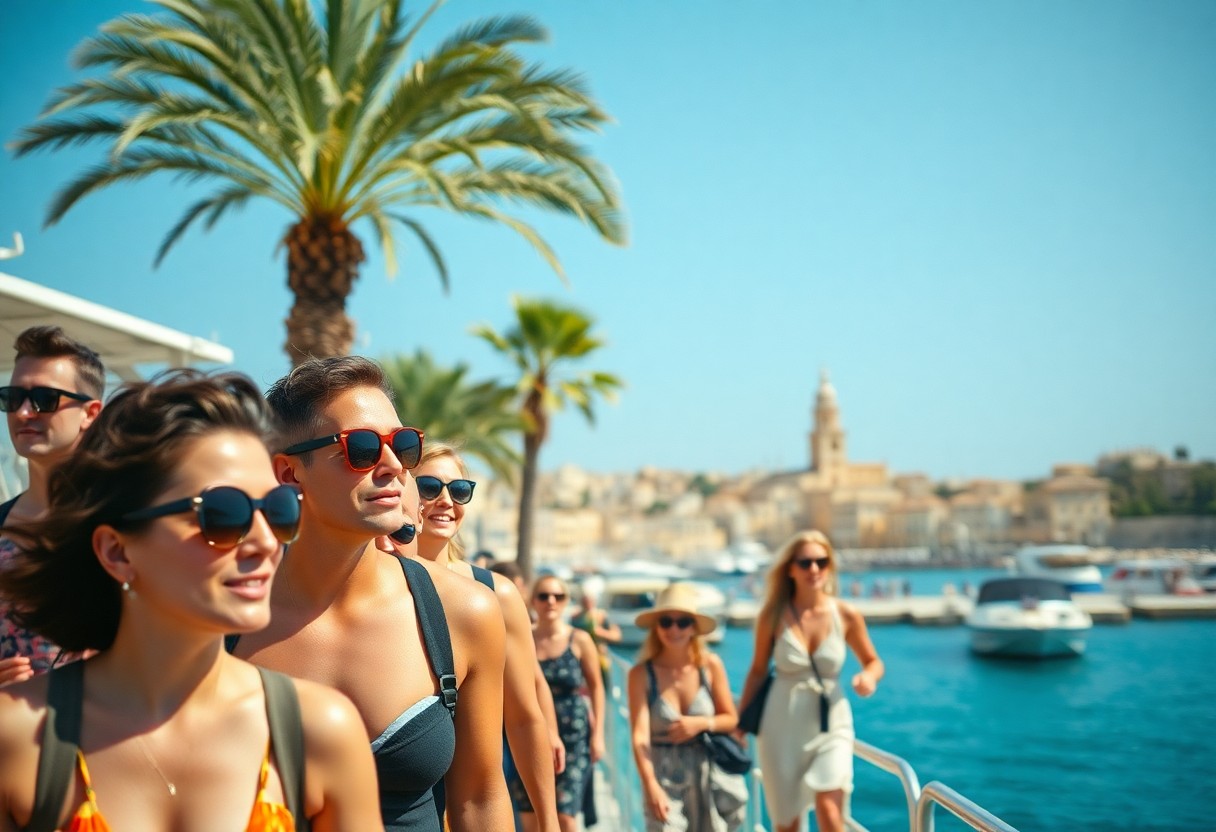
Sunseekers are flocking back to Malta as winter approaches, drawn by the archipelago's mild climate and vibrant culture. With average temperatures hovering around 15°C, Malta provides an appealing escape from colder climates. The island's rich history, picturesque coastlines, and welcoming atmosphere make it an ideal destination during the winter months. Travelers can enjoy a mix of outdoor activities, historical exploration, and local culinary delights, ensuring an enriching experience away from home.
Key Takeaways:
- Increase in winter tourism as sunseekers choose Malta for milder weather.
- The local economy benefits from extended tourist season, boosting hospitality and services.
- Malta's appeal includes cultural attractions and outdoor activities during winter months.
Overview of Winter Sunseekers
Definition and Characteristics of Winter Sunseekers
Winter sunseekers are travelers who escape colder climates in search of milder, sunnier destinations during the winter months. Characterized by their preference for pleasant temperatures, outdoor activities, and cultural experiences, this demographic often includes retirees and families. Their motivations include relaxation, exploration of historical sites, and enjoying the local cuisine, which contribute to an increasing trend in off-peak tourism.
Trends in Seasonal Travel Patterns
Seasonal travel patterns reveal a marked shift towards winter sun destinations, with statistics indicating a 20% increase in bookings for Malta during the winter months over the previous year. Travelers are increasingly choosing to escape the harsh winter for warmer climates, relying on social media and online travel reviews to guide their decisions. Notably, the trend among younger generations highlights a preference for adventure and experiential travel options, blending relaxation with exploration.


















With Malta's appeal rising, many winter sunseekers prioritize flexibility in their travel plans, often booking last-minute trips to capitalize on low rates. The influence of social media platforms showcases Malta's picturesque landscapes and historical sites, encouraging spontaneous travel decisions. Additionally, package deals that incorporate experiences such as local cooking classes, guided tours, and eco-friendly activities align with the preferences of modern travelers looking to make the most of their winter escapes.
Importance of Malta as a Winter Destination
Malta stands out as a preferred winter destination due to its strategic location, rich history, and vibrant culture. Offering an average temperature of 15°C in winter, it provides a welcoming escape from colder areas. The island boasts a range of accommodations, from luxurious resorts to budget-friendly options, catering to diverse traveler needs. Unique attractions, including ancient temples and stunning coastlines, further enhance its allure.
The significance of Malta as a winter destination is underscored by its diverse offerings, which include outdoor activities such as hiking and water sports during the milder months. Furthermore, the local agenda of festivals, culinary events, and cultural exhibitions draws visitors looking for authentic experiences, thereby enriching the winter tourism landscape. With a focus on sustainability, Malta's tourism sector is adapting to meet the expectations of modern winter travelers, ensuring its continued relevance as a sought-after escape.
Malta's Climate and Geography
Overview of Malta's Climate in Winter
Winter in Malta offers a mild Mediterranean climate, with average temperatures ranging from 10°C to 16°C (50°F to 61°F). Rainfall is primarily concentrated in December and January, but sunny days can still be frequent, making it an attractive getaway. The island experiences a longer daylight period compared to northern European countries, providing ample opportunity to explore its rich history and stunning vistas.
Geographic Features that Attract Tourists
Malta's rugged coastline, sandy beaches, and historic sites draw tourists year-round. The islands host a blend of natural wonders, such as the Blue Lagoon and the Azure Window, along with ancient fortifications. This unique combination of landscapes and cultural heritage offers a diverse experience for visitors seeking both relaxation and adventure.
The coastline features dramatic cliffs and hidden coves ideal for swimming and snorkeling, while inland, valleys and terraced fields showcase Malta's agricultural traditions. Historical cities like Valletta and Mdina, with their baroque architecture, blend seamlessly with the natural beauty. Furthermore, the relatively small size of the islands allows tourists to easily travel between these attractions, maximizing their experience.
Comparison with Other Winter Sun Destinations
When comparing Malta to other winter sun destinations, it stands out for its unique combination of culture, climate, and accessibility. Its position in the Mediterranean offers travelers an appealing alternative to more crowded or commercialized locations, making it a perfect choice for those seeking a balance between leisure and exploration.
Comparison with Other Winter Sun Destinations
| Destination | Average Winter Temperature (°C) |
|---|---|
| Malta | 10-16 |
| Cancun, Mexico | 20-29 |
| Dubai, UAE | 18-25 |
| Canary Islands, Spain | 18-22 |
Malta presents a compelling case as a winter sun destination, with its temperatures hovering around 10-16°C. In contrast, places like Cancun offer warmer weather but at the cost of a more commercialized experience. Dubai boasts a vibrant urban feel, while the Canary Islands attract sunseekers with their subtropical climate. Malta's culture and heritage provide a unique flavor that sets it apart, giving visitors a chance to enjoy a rich historical backdrop alongside their winter sun experience.
Historical Context of Tourism in Malta
Evolution of Malta as a Tourist Destination
Initially popularized in the 1960s, Malta slowly became a prominent tourist destination, catering to British, Italian, and German travelers. The islands' rich history, stunning architecture, and beautiful coastlines attracted visitors searching for both relaxation and culture. Over the years, various marketing strategies, including its hosting of international events, contributed to an increase in visitor numbers, solidifying Malta's status as a notable Mediterranean getaway.
Historical Factors Influencing Winter Tourism
Malta's winter tourism has been shaped significantly by its geographical positioning and historical ties to Europe. The post-World War II era brought infrastructure investment, enhancing accessibility. With airlines offering affordable flights, cooler months became ideal for travelers seeking milder climates, boosting Malta's appeal during winter months.
- Proximity to major European cities promoted short getaways.
- Development of air services stimulated off-peak season travel.
- Historical heritage sites attracted cultural tourists year-round.
- Perceiving Malta as a winter sun escape became established.
Historically, Malta's varied attractions have catered to different types of tourists. The island's unique blend of cultural heritage from the Knights of St. John, British colonial influences, and Mediterranean traditions has resonated with visitors. Additionally, stories of health tourism began to surface as the mild climate was believed to be beneficial for ailments, further enhancing winter tourism potential.
- The creation of charter flights made winter visits more affordable.
- Government incentives for the tourism sector encouraged growth.
- Historical festivals during winter months increased local engagement.
- Perceiving Malta as a destination for heritage and health tourism played a key role.
Key Developments in Malta's Hospitality Industry
Malta's hospitality industry has evolved with substantial investments in hotels, resorts, and amenities since the early '90s, enhancing the country's attraction to winter sunseekers. With a range of accommodations catering to diverse budgets, from luxury resorts to boutique hotels, Malta's offerings have expanded and improved significantly.
Notable developments include the introduction of boutique hotels that focus on personalized services and unique experiences, as well as several luxury chains establishing a presence on the islands. The growth of culinary tourism, underscored by a plethora of high-quality restaurants and local culinary festivals, has also enriched the traveler experience, drawing a broader audience during the winter months. These advancements reinforce Malta's credibility as a winter sun destination, catering to evolving traveler preferences and enhancing overall visitor satisfaction.
The Economic Impact of Winter Tourism
Contribution to Malta's GDP
Winter tourism significantly boosts Malta's GDP, contributing an estimated 5% annually. This influx of visitors drives revenue across various sectors, including hospitality, transportation, and retail. In recent years, the growth of winter tourism has been noted as a vital component in stabilizing Malta's economic landscape, particularly during the off-peak months.
Job Creation and Employment Opportunities
The rise in winter tourists has led to a marked increase in job creation, particularly in sectors directly tied to tourism. Local hotels and restaurants have expanded their workforce to accommodate the influx, translating to more seasonal and permanent positions across the island.
In fact, the winter tourism boom has resulted in the creation of over 5,000 new jobs in the last five years. This trend not only supports seasonal employment but also fosters opportunities for local talent by providing training and skill development. As businesses adapt to meet the demands of winter visitors, long-term job security can emerge, enhancing the overall economic framework of the island.
Challenges Faced by Local Businesses
Despite the benefits, local businesses encounter challenges such as fluctuating demand and increased competition. These hurdles can strain resources, pushing some establishments to adapt swiftly to market changes or risk falling behind.
Many local businesses struggle with the seasonality of tourism, leading to inconsistent revenue streams throughout the year. As winter visitors bring a surge in demand for services, businesses are often forced to make rapid adjustments, investing in additional staffing or inventory. Such swift adaptations can incur costs that smaller enterprises may find difficult to absorb. Moreover, competition from a growing number of international destinations seeking to attract the same demographic can complicate efforts to retain visitors in Malta.
Major Attractions for Winter Sunseekers in Malta
Natural Attractions
Malta's stunning natural landscapes offer winter sunseekers a serene escape. From the iconic Blue Lagoon on Comino, with its crystal-clear waters, to the rugged cliffs of Dingli and the lush valleys of Rabat, outdoor enthusiasts can explore hiking trails and hidden coves. The mild winter climate makes it ideal for enjoying outdoor activities, such as walking and photography, with the vibrant flora providing a stark contrast to the azure Mediterranean Sea.
Cultural and Historical Sites
The cultural and historical tapestry of Malta is rich and diverse, showcasing millennia of influences. Visitors can wander the ancient streets of Valletta, a UNESCO World Heritage Site, and immerse themselves in the stories of the Knights of St. John. The Megalithic Temples, dating back over 5,000 years, such as Ħaġar Qim and Mnajdra, offer insights into Malta's prehistoric civilizations, while the vibrant markets and local festivals highlight the islands' enduring traditions.
Valletta's stunning architecture and historical significance make it a must-visit, featuring landmarks like St. John's Co-Cathedral, known for its Baroque design and Caravaggio masterpiece. Meanwhile, Mdina-the ancient capital-offers a glimpse into the island's medieval past with its narrow streets and magnificent palaces. The annual events, like the Valletta Film Festival, further enrich winter visits, celebrating both culture and history against the backdrop of Malta's captivating scenery.
Culinary Experiences
Culinary experiences in Malta are a feast for the senses, spotlighting traditional dishes and fresh local ingredients. Winter sunseekers can indulge in hearty meals, such as rabbit stew and pastizzi, easily found in local eateries. The vibrant food markets, like the Valletta food market, provide both locals and tourists with a taste of Malta's culinary heritage, accompanied by fine local wines.
Dining in Malta goes beyond just the food; it's an exploration of Mediterranean flavors infused with local traditions. Food tours are popular, guiding visitors through family-run restaurants and street vendors, where they can savor local delicacies like ġbejniet (cheeselets) and imqaret (date-filled pastries). Seasonal events, such as the Malta International Food Festival, feature renowned chefs and local favorites, making culinary experiences a central part of winter visits to the islands.
Travel and Transportation in Malta
Getting to Malta
Reaching Malta is straightforward, with Malta International Airport serving as the primary gateway. Direct flights from major European cities offer convenient connections, with carriers like Air Malta, Ryanair, and easyJet providing regular services. The flight duration is generally under three hours from continental Europe, making it an accessible destination for winter sunseekers.
Local Transportation Options
Once in Malta, various local transportation options cater to tourists. Buses provide extensive coverage across the islands, while taxis and rideshare services like Bolt offer convenient point-to-point travel. Ferries also connect the main islands, enabling easy exploration of nearby attractions.
For those looking to navigate Malta comfortably, the public bus service is well-regarded for its affordability and frequency, covering all major towns and tourist hotspots. Buses are equipped with air conditioning, making them pleasant even in warmer days. Alternatively, taxis and rideshare apps provide flexibility, especially for late-night returns from activities. Renting a car or a scooter is another popular option, allowing visitors to discover the island at their own pace, though parking can be limited in busier areas. Additionally, cycling is increasingly popular, with bike rental services available for those who prefer a more active approach.
Accommodation Options for Winter Sunseekers
Types of Accommodation Available
Winter sunseekers in Malta can choose from a variety of accommodation options that cater to different preferences and budgets. Ranging from luxury hotels to cozy guesthouses, the choices are abundant.
- Luxury hotels offering spa services
- Mid-range hotels with family-friendly amenities
- Self-catering apartments for flexibility
- Charming bed and breakfasts for a local experience
- Hostels for budget travelers
This ensures that everyone can find the perfect place to stay during their visit.
| Type | Description |
|---|---|
| Luxury Hotels | High-end accommodations with top-tier amenities. |
| Mid-Range Hotels | Comfortable options that balance quality and price. |
| Self-Catering Apartments | Fully equipped spaces for independent living. |
| Bed and Breakfasts | Intimate settings with breakfast included. |
| Hostels | Affordable dormitory-style living for budget-conscious travelers. |
Review of Top Winter Accommodation Choices
For a memorable winter getaway, several accommodations stand out in Malta. Owners and operators often curate unique experiences tailored for long-stay guests and sunseekers alike.
Popular options such as the elegant Corinthia Hotel and the cozy Palazzo Prince d'Orange offer not only comfort but also stunning views. Guests at the Hilton Malta enjoy an upscale experience with excellent service and proximity to the beach, while budget-friendly travelers can find welcoming spaces at Hostel Malta. Each places emphasis on hospitality to enhance visitors' experiences.
Price Ranges and Booking Tips
Understanding the price spectrum helps winter sunseekers navigate their accommodation searches effectively. Prices fluctuate depending on the season, location, and type of lodging.
- Luxury hotels range from €150 to €400 per night.
- Mid-range options generally cost between €70 to €150.
- Self-catering apartments can be found from €50 to €100.
- Bed and breakfasts typically charge around €60 to €120.
- Hostels offer rates as low as €20 for dorm rooms.
Perceiving these details can guide effective budgeting and selection.
Booking well in advance, especially during the winter months, increases chances of solid discounts and better availability. Utilize online platforms for last-minute deals, but also opt for direct hotel websites to uncover exclusive offerings.
- Advance booking ensures better rates.
- Comparing different platforms can yield savings.
- Opt for direct bookings for potential perks.
- Consider all-inclusive packages for value.
- Check cancellation policies before finalizing.
Perceiving these strategies maximizes travel benefits and safeguards against unexpected costs.
Activities for Winter Sunseekers
Outdoor Activities
Winter in Malta offers an ideal climate for outdoor enthusiasts. Hiking along the scenic Coastal Path provides breathtaking views over the Mediterranean, while the mild temperatures make it perfect for cycling tours through picturesque villages. The Blue Lagoon's crystal-clear waters invite snorkeling and diving adventures, showcasing vibrant marine life without the summer crowds.
Cultural Experiences
Immersing yourself in Malta's rich history is a must during winter visits. The cities of Valletta and Mdina boast stunning architecture and significant museums that provide insight into the island's storied past. Engage in traditional activities during local festivals, celebrating the unique Maltese heritage with music, dance, and culinary delights.
The Valletta Carnival, held each February, showcases vibrant parades, elaborate costumes, and exciting performances, attracting both locals and tourists. Explore ancient sites like the Megalithic Temples, a UNESCO World Heritage site, which are less crowded during winter. Additionally, guided tours often provide deeper insights, allowing sunseekers to appreciate Malta's unique blend of cultures and histories.
Wellness and Relaxation Options
Winter sunseekers can easily find wellness retreats and spas in Malta. Many hotels offer specialized wellness programs, including yoga classes, massage therapies, and spa treatments that incorporate local ingredients and techniques, ensuring a rejuvenating experience.
Several wellness centers provide holistic therapies and stress-relief options tailored to individual needs. Treatments such as sea salt scrubs and herbal infusions not only promote relaxation but also utilize Malta's natural resources. For those seeking tranquility, beachside yoga sessions against the backdrop of stunning sunsets create a serene atmosphere, promoting mental and physical well-being amidst stunning Mediterranean vistas.
Safety and Health Considerations
Health Precautions for Travelers
Travelers are encouraged to stay hydrated and maintain a balanced diet to combat the cool, dry winter air. In addition, consider carrying basic medications for common ailments such as colds or allergies, as pharmacies may not offer the same range of products as elsewhere. Preparing for seasonal allergies by checking local pollen forecasts will also aid in reducing discomfort during your stay.
COVID-19 Guidelines and Regulations
The Maltese government has implemented specific COVID-19 safety measures to ensure the health of both locals and visitors. Travelers should stay informed about entry requirements, including vaccination status, testing, and quarantine protocols, which may vary based on the country of departure. Compliance with wearing masks in crowded areas and public transport is still encouraged.
As of late 2023, travelers arriving in Malta should verify updated regulations through official government sources. Although many restrictions have eased, certain venues may require proof of vaccination or recent negative tests. It's advisable to check the specific protocols prior to departure and to stay informed during your travels, as policies can change rapidly in response to fluctuating infection rates.
General Safety Tips for Tourists
To ensure a safe and enjoyable experience in Malta, tourists should stay aware of their surroundings and follow established local laws. Keeping personal belongings secure and avoiding poorly lit areas at night can significantly enhance personal safety. Engaging with locals can also provide insights on safe practices and hidden gems to explore.
- Always use reputable transportation, particularly at night.
- Be cautious when using public Wi-Fi; avoid accessing sensitive accounts.
- Keep a copy of important documents, such as your passport and travel insurance, stored separately from the originals.
- Recognizing local emergency numbers will help in case of any incidents.
Familiarizing yourself with local customs can aid in avoiding misunderstandings and enhance interactions with residents. Additionally, checking reviews of accommodations and attractions can provide insight into others' experiences regarding safety. Always familiarize yourself with the area around your lodging to ensure you feel comfortable and aware of local resources. Recognizing common scams can also bolster your awareness and security while traveling.
- Research destinations before visiting to understand potential risks.
- Create a plan for your itinerary, including emergency exit routes from places you visit.
- Consider registering with your country's embassy upon arrival.
- Recognizing the importance of being aware of your surroundings can enhance your security throughout your stay.
Environmental Considerations
Sustainable Tourism Practices in Malta
Malta is increasingly embracing sustainable tourism practices to minimize environmental impact. Initiatives such as eco-friendly accommodations, guided eco-tours, and the promotion of public transport help tourists discover the islands while preserving their natural beauty. The government has also introduced various incentives for businesses that prioritize sustainability, ensuring that enjoyment of Malta's rich heritage aligns with environmental responsibility.
Efforts to Preserve Natural Resources
The Maltese authorities have implemented several measures aimed at conserving natural resources, such as water and energy. Effective waste management systems, alongside campaigns promoting recycling and responsible consumption, work towards reducing the ecological footprint of visitors and locals alike.
In addition to recycling initiatives, Malta has invested in renewable energy sources, focusing on solar and wind power to mitigate dependence on fossil fuels. Programs encouraging local farmers to practice environmentally-friendly agriculture also play a vital role, ensuring that the traditional landscapes and natural habitats remain protected while supporting the local economy.
Impact of Tourism on the Local Environment
Tourism can exert significant pressure on Malta's local environment, particularly during peak seasons. Increased foot traffic can lead to habitat degradation, pollution, and strain on public resources. Recognizing these challenges, measures are being enacted to balance economic benefit with ecological health, ensuring the islands remain a sustainable destination.
Over 2.5 million tourists visited Malta in 2019, placing considerable stress on its limited resources. Increased waste generation and water usage during high tourist seasons have sharpened awareness of the need for sustainable practices. By working closely with stakeholders in the tourism sector, Malta aims to develop strategies that protect its unique landscape and biodiversity, while still allowing visitors to enjoy the islands' offerings.
Social and Cultural Interactions
Engaging with Local Communities
Winter sunseekers have the unique opportunity to immerse themselves in the vibrant local culture of Malta. Participating in community events, markets, and festivals allows tourists to connect with residents, fostering an authentic experience. Exploring neighborhoods on foot and visiting local artisans not only enhances understanding but also creates lasting relationships, enriching both visitors and locals alike.
Benefits of Cultural Exchange
Cultural exchange in Malta facilitates mutual understanding and respect among diverse groups. Visitors can share their customs while learning about Maltese traditions, leading to enriched experiences and connections. This interaction promotes inclusivity and a broader perspective on global cultures.
The benefits of cultural exchange extend beyond personal enrichment. When visitors engage with locals, they contribute to a more dynamic economy while promoting tolerance and appreciation for diversity. Programs encouraging exchanges, such as workshops and community projects, foster dialogues that help break down stereotypes, cultivating a sense of global citizenship. Local participants gain insights into different lifestyles and viewpoints, making Malta a truly transformative destination for everyone involved.
Respecting Local Customs and Traditions
Understanding and honoring local customs is vital for a fulfilling experience in Malta. Travelers are encouraged to familiarize themselves with cultural norms, such as greeting practices and dining etiquette. Being considerate of local sentiments enhances interactions and shows appreciation for the rich heritage of the Maltese people.
Respecting local customs and traditions is vital for harmonious coexistence. Many customs, such as the unique Maltese festa, reflect the island's history and values. Visitors who engage mindfully with these practices not only enjoy deeper connections but also contribute to the preservation of cultural identity. This mutual respect fosters goodwill, allowing for a vibrant exchange of traditions that benefits both locals and tourists alike.
Advertising and Marketing Strategies for Malta
Current Marketing Campaigns
Malta's current marketing campaigns focus on promoting its rich cultural heritage, stunning landscapes, and year-round pleasant climate. The “Malta Is Culture” campaign emphasizes the archipelago's historical sites and local festivals, while “Malta: A Unique Experience” showcases diverse activities from diving to culinary experiences. Targeted advertisements across various platforms aim to reach European winter sunseekers seeking a convenient getaway.
Role of Online Travel Agencies
Online travel agencies (OTAs) play a significant role in Malta's tourism marketing strategies, providing necessary visibility and accessibility to travelers worldwide. Popular sites like Booking.com and Expedia enable potential visitors to easily compare accommodations, plan itineraries, and read reviews, significantly influencing booking decisions.
With the rise of OTAs, Malta benefits from increased exposure, especially in the competitive winter sun market. Recently, collaborations with major OTAs have included exclusive promotional deals, showcasing unique Maltese experiences. By optimizing listings and utilizing user-generated content, these platforms enhance travelers' confidence, ultimately driving traffic and conversions for Maltese tourism businesses.
Influencer Marketing and Social Media Trends
Influencer marketing and social media trends significantly shape Malta's tourism outreach. Collaborations with travel influencers have heightened the archipelago's visibility, showcasing authentic experiences through stunning visuals on platforms like Instagram and TikTok.
As influencers share their journeys, they create a personal connection with potential tourists. Successful campaigns featuring influencers have generated considerable engagement and user interest, particularly among younger demographics. As these influencers highlight Malta's charm through storytelling and unique angles, they inspire more travelers to consider it as their next winter sun destination, translating to an uptick in inquiries and bookings.
Reviews and Testimonials from Winter Sunseekers
Guest Experiences and Feedback
Winter sunseekers in Malta rave about the pleasant temperatures and stunning landscapes. Many visitors express satisfaction with the variety of activities available, from historical tours to coastal walks. Guests frequently highlight the warm hospitality of locals, making their stay even more memorable.
Comparison of Expectations vs. Reality
Travelers often arrive in Malta expecting a mild winter getaway, and many find the reality exceeds their expectations. While some anticipate cooler temperatures, they often enjoy sunny days averaging around 15-20°C, perfect for outdoor exploration. The vibrant local culture and availability of events enhance their overall experience.
Comparison of Expectations vs. Reality
| Expectations | Reality |
|---|---|
| Colder temperatures | Sunny days averaging 15-20°C |
| Limited activities | Diverse tours and events available |
| Quiet, closed atmosphere | Vibrant local culture and events |
Case Studies of Satisfied Visitors
Specific case studies of visitors illustrate the high satisfaction rates among winter sunseekers in Malta. Many highlight experiences that align with their expectations and often exceed them.
- Visitor A: Experienced 15 days of sunshine with temperatures averaging 18°C, participating in local festivals, and rated their satisfaction as 9/10.
- Visitor B: Engaged in numerous outdoor activities, with a feedback score of 8.5/10, emphasizing the warmth of the locals.
- Visitor C: Explored historical sites and reported a more enriching experience than anticipated, rating their trip at a perfect 10/10.
These case studies reveal a pattern of high visitor satisfaction, showcasing unexpected delights such as engaging local events, an inviting climate, and accessible attractions. Travelers frequently report backbone experiences, leading them to recommend Malta as a premier winter escape.
Final Words
Hence, the return of winter sunseekers to Malta underscores the island's enduring appeal as a prime winter getaway. With its mild climate, rich cultural heritage, and diverse activities, Malta attracts a growing number of tourists looking to escape colder climates. As local businesses adapt to meet increased demand, the positive impact on the economy becomes evident. This trend not only enhances the hospitality sector but also reinforces Malta's position as a year-round destination for travelers seeking sun and warmth during the winter months.
FAQs
Why is Malta popular with winter sunseekers?
Malta offers mild winter temperatures, rich history, cultural attractions, and outdoor activities, making it an attractive escape from colder climates.
What is the average winter temperature in Malta?
Winter temperatures in Malta typically range between 10°C and 16°C, offering comfortable conditions for travel and exploration.
Is winter a good time to visit Malta?
Yes, winter is ideal for visitors who prefer fewer crowds, lower accommodation prices, and pleasant weather suitable for sightseeing and outdoor activities.
What activities can tourists enjoy in Malta during winter?
Visitors can enjoy hiking, cultural tours, historical site visits, culinary experiences, wellness retreats, and water activities like snorkeling.
Does winter tourism benefit Malta’s economy?
Yes, winter tourism significantly contributes to Malta’s GDP, supports local businesses, and creates employment opportunities across multiple sectors.
Are flights to Malta available during winter months?
Yes, Malta International Airport operates year-round with direct flights from many major European cities.
What types of accommodation are available for winter visitors?
Accommodation options range from luxury hotels and mid-range resorts to self-catering apartments, bed and breakfasts, and budget hostels.
Is Malta safe for tourists during winter?
Malta is generally considered a safe destination, provided visitors follow standard safety precautions and local guidelines.
How does Malta promote sustainable winter tourism?
Malta encourages eco-friendly accommodations, public transport use, renewable energy initiatives, and responsible tourism practices.
Are cultural events held in Malta during winter?
Yes, Malta hosts several winter festivals, cultural exhibitions, food events, and carnivals that enhance the visitor experience.

Paula Nancy
Hello and Welcome to my profile. I'm a UK based entrenched full-time Blogger, Journalist, columnist and a certified writer with many years of sound writing experience. If you need a high-quality and original content, I'm here to provide you with the best writing services.
Related Posts
Year round travel in Malta
May 12, 2026
Spring Adventures In Malta
May 11, 2026
Malta Early Spring Travel Boom
May 9, 2026
Budget airlines lift Malta tourism
May 8, 2026
Spring visitors spend more in Malta
May 7, 2026
Malta airport traffic rises in spring
May 6, 2026

Malta hotel occupancy trends in spring
May 5, 2026
Malta attracts new spring travelers
May 4, 2026
Malta tourism tests power grid
May 2, 2026