












Malta’s quiet charm in winter
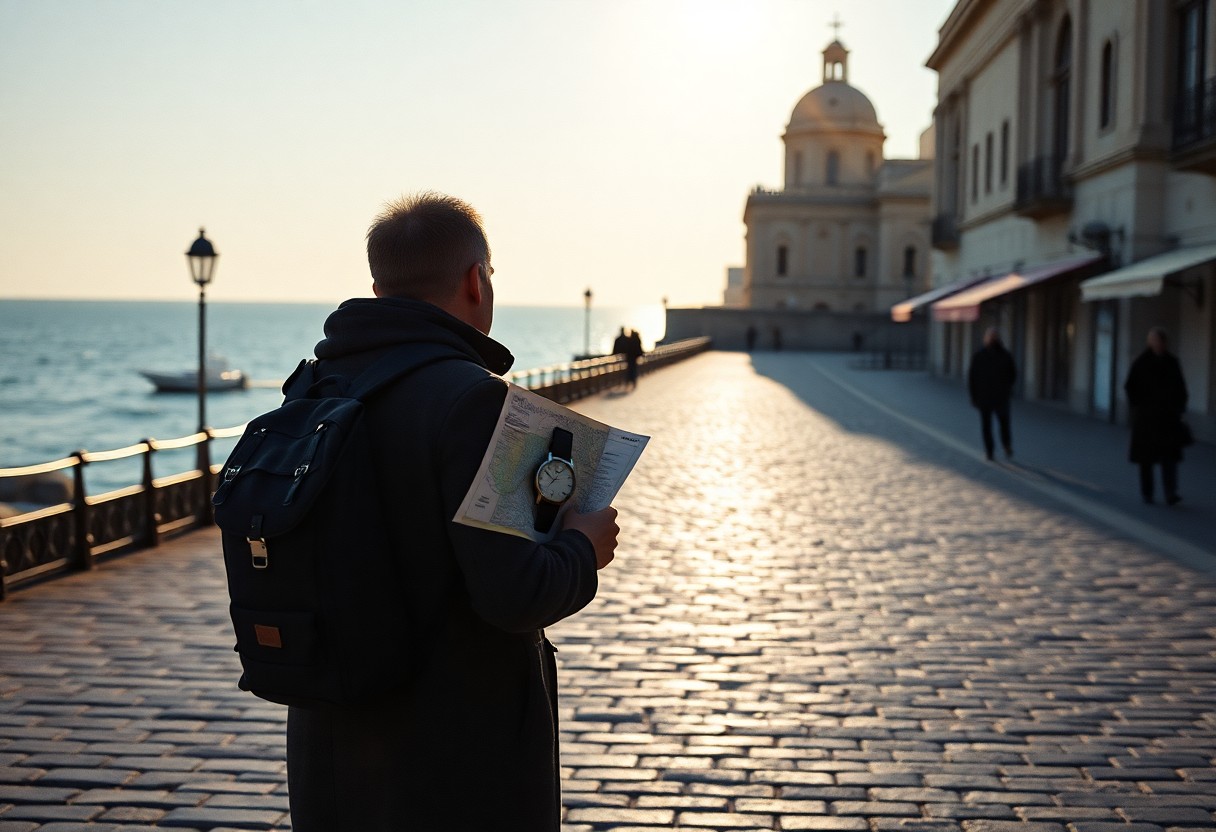
Malta's mild winter offers spacious landscapes, uncrowded heritage sites and slower rhythms for travelers who prize solitude and deep cultural engagement; explore wide coastal trails, quiet baroque towns, and winter festivals with fewer crowds, benefit from off-season lodging deals and reliable transport links, and plan flexible itineraries that balance long coastal walks, island-hopping and relaxed time in cafés to savor Maltese life.
Overview of Winter Travel in Malta
Importance of Visiting Malta in Winter
Visiting in winter gives more room to savor landmarks, festivals and island life: Carnival in February, Christmas markets in Valletta and community feasts in village squares offer authentic encounters with far fewer tourists, ideal for travelers who value space to reflect and time to explore museums, fortifications and coastal walks at a relaxed pace.
Climate and Weather Patterns
Maltese winters are mild: average daytime highs around 15-16°C and lows near 10-12°C, with most of the island's roughly 500 mm annual rainfall falling between November and February; sea temperatures drop to about 16-17°C while sunny intervals frequently follow short, heavy showers.


















Regional variation matters: Gozo often feels windier and a degree cooler, while southern bays like Marsaxlokk are slightly warmer and drier. Days can switch quickly from sun to showers, so layerable clothing and a waterproof shell are practical; many outdoor activities-coastal hikes, heritage walks and birdwatching at Ghadira-remain very doable between showers.
Advantages of Traveling Off-Peak
Off-peak travel delivers tangible benefits: lower crowds at sites such as Mdina and St. John's Co-Cathedral, easier parking and public-transport seating, quicker restaurant reservations, and more personalized service from guides and smaller hotels-advantages that directly support a slower, more spacious itinerary.
Practical examples include photographing Valletta's streets with minimal foot traffic, joining small-group guided walks along Dingli Cliffs, and securing last-minute reservations at high-end eateries; winter also allows deeper local interactions, since business owners and guides have more time for conversation and tailored recommendations.
Planning Your Winter Trip
Ideal Travel Dates
Mid-November through March offers the quietest streets and lower prices, with average daytime temperatures around 12-16°C and about 9-10 hours of daylight in December. Expect the busiest pockets during Christmas/New Year and late-February Carnival in Floriana. Choosing mid-January to early-February avoids major events and gives the best balance of daylight and solitude for coastal walks, heritage sites, and off-peak ferry crossings to Gozo.
Budgeting for a Winter Vacation
Winter rates often fall 30-50% from summer: a standard Valletta hotel can be €60-€90 per night in January versus €150+ in July. Flights into Malta International typically drop outside holiday weeks, while car rentals commonly run €20-€35 per day. Aim for a daily budget of €50 for tight travel, €100-€150 for comfortable stays including mid-range dining and local transport.
Book flights 4-8 weeks ahead for best winter fares; flexible dates save more than choosing a fixed weekend. Take advantage of weekday arrivals when hotel inventories are larger and some properties offer 7+ night discounts of 10-20%. Public buses cost roughly €2-€3 per journey, so mixing occasional car hire with buses can reduce total transport spend-factor in occasional taxi rides from late-night buses if you plan evenings in Valletta or St. Julian's.
Accommodation Options
Choose from boutique guesthouses in Mdina, converted farmhouses on Gozo, sea-view apartments in Sliema, or 4-star hotels in St. Julian's; winter prices for guesthouses are commonly €50-€90 and apartments €60-€120 per night. Prioritize properties that advertise heating, good insulation, and flexible cancellation as occupancy is low and upgrades or complimentary breakfast are often available.
Consider longer stays in one base to maximize space and slow travel-many apartments and B&Bs offer weekly rates that beat nightly bookings. Select quieter villages such as Marsaxlokk, Dingli Cliffs, or inland Rabat for morning light and solitude while keeping day trips to Valletta or the Three Cities under 30-40 minutes by car or 40-60 minutes by bus. Verify Wi‑Fi speed and workspace if you plan remote work, and check whether hostels or hotels provide secure luggage storage for multi-day excursions to Gozo.
Transportation in Malta During Winter
Getting to Malta: Flights and Ferries
Malta International Airport (MLA) near Luqa handles year-round services from carriers like Air Malta, Ryanair, easyJet and seasonal routes; most Western European capitals are under 3 hours away. Virtu Ferries connects Valletta with Pozzallo (approx 1h45) and runs reduced winter sailings to Catania; expect fewer daily flights and ferries than summer, which can mean lower fares but less flexibility when planning tight winter itineraries.
Local Transportation: Buses and Car Rentals
Malta Public Transport operates a modern fleet linking Valletta, Sliema, St. Julian's and Mdina with fares around €2 per trip using a tallinja card or app; frequency on main corridors is typically every 15-30 minutes in winter. Car rentals start roughly €15-30/day off-season, driving is on the left, and rental conditions often favor manual transmissions-book ahead for best winter rates.
Winter buses are quieter and more punctual, with rural routes reduced to hourly or bi-hourly services-check timetables on the tallinja app. Rental advice: inspect vehicles thoroughly, insist on full insurance or a clear damage waiver, and note fuel economy (diesel models save on longer drives; fuel about €1.50-€1.70/L recently). Use off-street car parks in Sliema or Floriana to avoid scarce Valletta spaces, and compare local providers for seasonal discounts.
Walking vs. Driving: Navigating Malta's Roads
Historic cores like Valletta and Mdina are best explored on foot-narrow streets, steep steps and pedestrian-only zones make walking faster and more rewarding. Driving works well for Golden Bay, Dingli Cliffs and Marsaxlokk; speed limits are generally 50 km/h in towns and 80-100 km/h on main roads, and winter traffic is lighter, easing parking and maneuvering.
Drive on the left and expect many tight, two-way lanes without sidewalks in villages-roundabouts are common and GPS routing can steer you onto very narrow streets, so choose routes via main roads when possible. Winter rains can make limestone pavements slippery, so reduce speed on wet stone surfaces; if you plan multiple day trips, diesel or compact automatics save fuel and parking hassles, while walking remains the best choice for concentrated historic districts.
Popular Winter Destinations in Malta
Valletta: The Capital City
Designated a UNESCO World Heritage Site, Valletta was founded in 1566 by the Knights of St John and still concentrates many landmarks within a compact grid: St. John's Co-Cathedral, the National War Museum, and the Upper and Lower Barrakka Gardens. With about 6,000 residents, winter brings quieter streets, shorter museum queues, and easier table reservations at waterfront cafés overlooking the Grand Harbour.
Mdina: The Silent City
Perched inland and once Malta's capital, Mdina's fortified lanes and baroque façades offer rare silence-roughly 300 residents live within its walls-so winter visits reveal acoustic stillness and long sightlines for photography without the usual daytime crowds.
Beyond the central bastions, explore the Cathedral Museum for its silverwork and local paintings, then cross into adjacent Rabat for Roman-era sites like the Domus Romana and St. Paul's Grotto. Early morning or late afternoon light produces the best stone tones; practical tips include parking in Rabat and allowing 60-90 minutes for a focused Mdina tour, or half a day if you combine guided history walks and the museum collections.
The Three Cities: Vittoriosa, Senglea, and Cospicua
The Three Cities-Birgu (Vittoriosa), Senglea (L-Isla) and Cospicua (Bormla)-face Valletta across the Grand Harbour and become especially tranquil in winter, ideal for harbor walks, fort visits like Fort St. Angelo, and sampling family-run waterfront restaurants with easy table availability.
Start in Vittoriosa to visit the Malta Maritime Museum and Inquisitor's Palace, then climb Senglea's Gardjola Gardens for panoramic views of the Grand Harbour and Valletta skyline. Ferries from Valletta take roughly 10-15 minutes, making a loop feasible in a single afternoon; note that winter schedules are less frequent, so check timetables and consider a guided walking tour of the Cottonera Lines to learn about the cities' 16th-18th century fortifications and ongoing restoration projects.
Exploring Natural Wonders
Gozo Island: A Winter Escape
On Gozo, quieter winter lanes lead to Victoria's Cittadella and the Ġgantija Temples-megalithic structures older than the pyramids-without summer crowds; the island spans about 67 km² with roughly 37,000 residents, and frequent vehicle ferries from Ċirkewwa to Mġarr take around 25 minutes, making day trips or multi-day stays easy for those who value space and slower pace.
Comino and the Blue Lagoon
Comino, home to fewer than ten permanent residents, becomes almost deserted in winter, so the Blue Lagoon's famously turquoise shallows-often under 10 meters deep-feel private; seasonal boat services from Ċirkewwa and Marfa run when sea conditions allow, offering prime snorkel and photo opportunities without the summer crush.
Smaller operators run trips directly to the Lagoon in 15-25 minutes depending on departure point and seas; winter swimmers should expect water around 15-17°C but can still snorkel near rocky reefs and caves where visibility often exceeds 15-20 meters on calm days. The island itself is vehicle-free, so plan to explore on foot: the north coast has secluded inlets and the Crystal Lagoon to discover when conditions permit.
Stunning Coastal Cliffs and Beaches
Dingli Cliffs rise to about 253 meters above sea level and offer sweeping views across the Mediterranean; nearby Il-Majjistral Nature and History Park and the Blue Grotto sea caverns near Wied iż-Żurrieq provide varied cliff walks and short boat trips, while sandy spots like Ramla Bay and Għadira deliver unexpected expanses of shoreline in winter.
Trails along the cliffs are well-marked and less trafficked from November to March, making sunrise and storm-watching rewarding-photographers can capture dramatic light on limestone faces and sea stacks. Blue Grotto boat tours run roughly 15-20 minutes and show intense water reflections; for quieter sand, Ramla's red-gold beach on Gozo and Mellieħa's Għadira remain accessible and pleasantly roomy outside peak season.
Cultural Experiences
Local Festivals and Events
Carnival in Valletta and Nadur (Gozo) lights up February with parades, papier-mâché floats and masked balls; the Nadur carnival is known for its irreverent, community-driven pageantry. Processions for St. Paul's Shipwreck on February 10 occur in Valletta and Marsaxlokk, pairing liturgy with street food stalls. Winter also brings Christmas markets and nativity displays from late November through early January across Valletta and Mdina, offering quieter, more local atmospheres than summer festas.
Traditional Maltese Cuisine
Fenek (rabbit stew), pastizzi (ricotta or mushy-pea-filled pastry), gbejniet (small sheep- or goat-cheeses) and bigilla (mashed broad beans) dominate tavernas in winter, when slow-braised meats and citrus-forward dishes use peak-season oranges and lemons. Bakeries open early for pastizzi, while seaside villages like Marsaxlokk serve hearty fish soups and stews on cooler days.
Slow-cooked fenek is typically marinated in wine, garlic and bay leaves, then braised for hours-try it at family-run restaurants in Rabat for classic technique. Gbejniet come fresh, salted or peppered; sample grilled versions with olive oil and capers. Maltese winemakers such as Marsovin and Delicata produce local reds and fortified wines that pair well with gamey stews; ask for vintages from vintages labeled Malta or Gozo. Winter menus often feature set lunches of three courses for €15-€25 in informal eateries.
Museums and Heritage Sites
The Ħal Saflieni Hypogeum requires advance booking and runs limited guided groups daily, making winter a good time to secure slots; the National Museum of Archaeology and Fort St. Elmo remain open year-round, offering quieter galleries between November and March. St. John's Co-Cathedral in Valletta and Mdina's narrow streets provide compact, contemplative visits away from high-season crowds.
Dating from c.3600-2500 BCE, the Hypogeum admits a capped number of visitors-bookings often fill weeks to months ahead and tours last about 30 minutes to protect the site. Heritage Malta operates most major sites and issues combined tickets for Valletta museums; Fort St. Elmo houses the National War Museum with WWII exhibits, while the National Museum of Archaeology displays artifacts from Tarxien Temples and Bronze Age tomb finds-use weekday mornings in winter to benefit from smaller tour groups and more access to curators.
Outdoor Activities
Hiking Trails and Nature Walks
Dingli Cliffs provides a dramatic 6-8 km cliff-top route with sea views and limestone terraces, while Majjistral Nature and History Park offers waymarked circuits from about 3 to 11 km through garigue and valleys; Buskett Gardens is a shaded 2-4 km option for milder days, and on Gozo the Ta' Ċenċ plateau and Wied il-Għasri have shorter, rugged walks ideal for solitude and wildlife spotting.
Winter Water Sports Opportunities
Scuba diving and snorkeling continue year-round with sea temperatures around 14-17°C, so most operators advise 5-7 mm wetsuits or drysuits; sheltered bays and the cave systems off Comino and Gozo remain accessible, and winter's stronger winds create reliable conditions for kitesurfing or windsurfing at Golden Bay and Mellieħa when safety checks are observed.
Dive centres in St. Julian's, Marsaxlokk and Mgarr run guided shore and boat dives through winter, serving both Open Water divers and more advanced certs; visibility often ranges 15-30 m outside stormy periods, and popular features include underwater arches, reefs and wrecks suitable for supervised dives. Rental gear, nitrox and drysuit services are commonly available-book two to three days in advance during holiday weekends to secure guide-led trips.
Bird Watching in Migratory Seasons
Peak migration windows-October-November and March-April-bring waves of passerines and raptors across Malta; Ghadira Nature Reserve, Is-Simar and the Dingli cliffs are prime vantage points for seeing thrushes, buntings and harriers, and early mornings or late afternoons offer the best light and movement for spotting and photography.
BirdLife Malta runs regular watches and guided tours, and hides at Ghadira provide close-up views of waders and ducks; bring 8×42 binoculars and, if possible, a 20-60x spotting scope for distant raptors or seawatching off Filfla. Field reports often show thousands of migrants on high passage days, so check local daily sightings and plan sessions of two to four hours to catch peak movement.
Understanding Maltese Culture and Customs
Language and Communication
Many Maltese speak Maltese and English fluently; about 88% use Maltese at home while English is official and common in signage and services. Visitors will find straightforward communication in Valletta and tourist sites, while rural villages may favor Maltese phrases like “Ħelow” and “Grazzi” – learning a few greetings and numbers (e.g., “tnejn” for two) smooths interactions and shows respect.
Historical Influences on Modern Malta
Layers of Phoenician, Roman, Arab, Norman, and Knights of St. John rule shape language, architecture, and cuisine: baroque churches in Valletta, Arabic influences in Maltese vocabulary, and pastry techniques from Sicilian and British periods. Museums display Punic tombs and Hospitaller armories, illustrating a blend that affects daily life and public rituals.
Archaeological layers date to Phoenician settlements from the 8th century BCE and Roman rule from 218 BCE, while the Arab period (870-1091) left structural and linguistic traces. The Knights Hospitaller governed 1530-1798, rebuilding Malta after the 1565 Great Siege and commissioning Valletta in 1566; British rule (1800-1964) brought English law, the education system, and strategic naval infrastructure. These successive influences explain why you see Neolithic temples like Ħaġar Qim alongside British barrack-style buildings and Maltese words of Arabic origin such as “ħobż” (bread).
Social Etiquette for Visitors
Dress modestly when entering churches-shoulders and knees covered-and observe quiet during Mass; tipping around 10% in restaurants is customary if service isn't included. Public displays are relaxed, but greeting shopkeepers with “Bonġu” or a nod goes far. Punctuality for tours matters, while social gatherings often start later in the evening.
Handshakes are standard in formal settings; friends may exchange two cheek kisses. During village festas (May-September), join but step back for processions, avoid standing on balconies during fireworks displays, and ask before photographing locals-especially children. Using basic Maltese greetings and addressing older people with “Sinjur” or “Sinjura” signals respect and eases interactions in smaller towns.
Shopping and Souvenir Hunting
Artisan Markets
Ta' Qali Crafts Village hosts glass-blowing and filigree demonstrations year-round, while Marsaxlokk's Sunday market runs roughly 06:00-13:00 with stalls selling ceramics, lace and small sculptures. Weekend pop-ups in Valletta and seasonal markets in Mdina add focused artisan stalls in winter, when fewer crowds mean better access to demonstrations and bargaining on unique pieces such as hand-blown paperweights or silver pendants.
Local Crafts and Gifts
Filigree silver, Mdina glass, and hand-embroidered Maltese lace remain top picks; edible gifts like local honey, fig jam and bajtra (prickly pear) liqueur travel well. Small luzzu-boat miniatures, ceramic tiles depicting Maltese motifs, and packaged spice blends offer compact, authentic mementos under 30-50 EUR at many shops.
Expect typical prices: filigree pendants from about 20-80 EUR, small Mdina glass items 10-50 EUR, and 500ml bottles of local liqueur 15-25 EUR. Many Ta' Qali and Valletta workshops will professionally wrap fragile items or ship directly if you prefer avoiding airline baggage; ask for bubble-wrapping and a customs invoice for export shipping.
Where to Find Best Deals
Major shopping centres such as Tigné Point, The Point (Sliema) and Bay Street run winter sales from January through February, with discounts commonly between 20%-60% depending on the retailer. Street-side souvenir shops in Vittoriosa and Sliema dump out older stock in January, and supermarket chains offer packaged food gifts at stable, lower prices year-round.
Aim for late-afternoon on final sale days for the sharpest markdowns and compare prices online before you buy; many larger stores participate in tax-free shopping for non-EU residents-check minimum purchase limits at the till. Carry cash for small market stalls where limited bargaining is possible, and use store shipping when buying fragile or bulky items to avoid excess baggage fees.
Safety and Health Considerations
Health Services and COVID-19 Guidelines
Mater Dei Hospital in Msida is the main acute care center and Gozo General Hospital serves the sister island; dial 112 for emergencies. Many pharmacies and private clinics offer rapid antigen tests and walk-in appointments, and public health updates are posted by Malta's Ministry for Health. As of mid-2024 most mandates are lifted but hospitals advise mask use and some carriers may still require negative tests-verify requirements before travel.
Safety Tips for Travelers
Stick to daylight routes in rural areas and watch for slippery limestone and uneven cobbles in older towns; pack sturdy, grippy shoes. Urban theft is concentrated on crowded buses, Valletta gateways and bus-station kiosks-use a money belt or hotel safe. When driving, expect narrow lanes, limited parking and frequent double-parked vehicles, so choose compact rentals and allow extra time.
- Keep a photo of your passport and an emergency contact list in your phone and cloud storage.
- Prefer licensed taxis (white cabs or apps) and agree the fare or use the meter before starting.
- Carry a small first-aid kit and any prescription meds in original packaging.
- Thou. Keep at least two metres from exposed cliff edges in winter storms and avoid coastal promenades during high seas.
Use the Tallinja public-transport app for real-time bus info and trip planning; it reduces time waiting at exposed stops in winter. If hiking the Dingli Cliffs or walking the coastal trails, check local weather forecasts-flash rain can turn paths treacherous within 30-60 minutes. Report thefts to the police and obtain a written report for insurance claims; hotels can help with translations and emergency calls.
- Carry cash and cards separately to limit total loss if targeted.
- Inform someone of solo day-hikes and share an ETA, especially on Gozo.
- Avoid isolated bays after dusk; some paths lack lighting and cellphone coverage.
- Thou. If involved in an incident, photograph the scene and collect witness details before leaving.
Travel Insurance Essentials
Opt for a policy with at least €100,000 medical coverage and explicit emergency evacuation benefits; include trip cancellation and interruption for winter ferry or flight disruptions. Check that COVID-19 treatment and quarantine accommodation are covered, confirm 24/7 assistance numbers, and keep policy documents both printed and digital.
Decide between single-trip and annual multi-trip based on travel frequency; excess amounts typically range €50-€250 and affect premiums. Declare pre-existing conditions to avoid denied claims, and add activity cover for scuba diving or coastal climbing if you plan those. For claims, notify your insurer within 24-72 hours, retain receipts and medical reports, and call the assistance line before authorizing expensive evacuations or repatriation.
Recommended Itineraries
A Weekend in Malta: A Quick Getaway
Arrive Friday evening and spend Saturday in Valletta-allocate 3-4 hours for St. John's Co-Cathedral, Upper Barrakka Gardens and the National Museum of Archaeology-then drive 25-30 minutes to Mdina for sunset and a 1-2 hour stroll through the Silent City. Sunday morning take a coastal walk at Dingli Cliffs or a short Blue Grotto visit (boat trips run year-round but are weather-dependent), leaving time to catch an afternoon flight or ferry. Public buses suffice, but a rental saves time.
One Week in Malta: A Comprehensive Tour
Day 1: Valletta and Three Cities; Day 2: Mdina, Rabat and Dingli Cliffs; Day 3-4: Gozo via a 20-25 minute ferry (stay 2 nights in Victoria to explore Ġgantija and Dwejra); Day 5: Comino or coastal hikes; Day 6: Marsaxlokk and southeast bays; Day 7: catch any missed museums and depart-mix driving with ferries for efficiency, plan 2-4 hours for major museum visits.
Split the Gozo portion into an inland day (Victoria cathedral, the Citadel, Ġgantija Temples dating to c.3600-3200 BC) and a coastline day (Dwejra, Fungus Rock, Ramla Bay). Allow extra time for narrow roads and winter daylight-sunset can be as early as 17:00 in December-so schedule outdoor visits for late morning to mid-afternoon. Book car ferries ahead if bringing a vehicle and expect quieter roads and shorter queues than summer.
Off the Beaten Path: Unique Must-See Spots
Seek out Dingli Cliffs (highest point ~253 m) for dramatic winter skies, Wied il-Għasri's narrow Gozo inlet for secluded photos, and Marsaxlokk's Sunday fish market for fresh-caught local fare and colorful luzzu boats; add Ghar Lapsi for a rugged bay swim spot if weather permits. These take half-days each and reward slow travel and wide-open spaces.
For logistics, park-and-walk is common: Wied il-Għasri requires a 10-20 minute descent from the car park, while Dingli offers several cliff-top trails of 30-90 minutes. Marsaxlokk's market runs mainly on Sundays-arrive before 11:00 for best selection. Carry a waterproof layer and sturdy shoes in winter; many sites lack facilities, so pack snacks and water and plan visits between mid-morning and late afternoon for best light and calmer winds.
Resources for Travelers
Tourism Boards and Websites
VisitMalta (visitmalta.com) and the official Gozo tourism pages provide up-to-date ferry information, public-holiday closures, and seasonal event calendars; they post transport notices and weather advisories that affect winter schedules. For ticketed sites check Heritage Malta (heritagemalta.org) for opening hours and timed-entry attractions, and the Malta Airports site for real-time flight arrivals and ground-transport options.
Travel Guides and Mobile Apps
Lonely Planet and Rough Guides remain the most reliable print options for Malta & Gozo; for digital use, Google Maps and Maps.me handle offline navigation, while the Tallinja app covers bus schedules and top-up for the Tallinja Card. Audio and self-guided tour apps like PocketGuide or izi.TRAVEL offer narrated walks for Valletta and Mdina.
Offline preparation pays off: download Maps.me or Google Maps areas, save Tallinja routes and timetable PDFs, and preload audio tours to avoid spotty reception in rural valleys. Guidebooks still add value with curated 1-3 day itineraries and historical context-Lonely Planet's Malta & Gozo guide includes museum and site practicalities-while apps let you check live bus changes and book private guides or ferry times on the go.
Local Tours and Guides Availability
Winter reduces big-coach operations but increases availability of licensed local guides and private tours; many operators pivot to bespoke experiences-food tours, coastal walks, and photography trips-running with small groups of 6-12. For sensitive sites like the Ħal Saflieni Hypogeum book ahead via Heritage Malta, since visitor numbers are strictly limited.
Booking windows are wider in low season: private-guide lead times often shrink to 24-72 hours, and small-group departures (walking tours, birding trips, vineyard visits) commonly run on demand. Use the Malta Tourism Authority's list of licensed guides or platforms such as GetYourGuide and Viator to compare reviews and secure timed-entry slots for popular sites; Gozo ferry crossings remain frequent year‑round (approximately 25 minutes), so day-trip logistics are straightforward even in winter.
Environmental Consciousness
Responsible Tourism Practices
Follow marked trails at Dingli Cliffs and the Ħaġar Qim area to prevent erosion, and never remove shells or archaeological fragments-Maltese heritage law protects artifacts with penalties for removal. Use public buses and the Gozo Channel ferry to cut emissions, and check Natura 2000 site rules before flying drones or organizing group tours; several coastal reserves require permits or have seasonal restrictions to protect wintering birds and breeding habitats.
Supporting Local Businesses
Buy fresh fish at the Marsaxlokk Sunday market, pick seasonal produce from Valletta's Is-Suq tal-Belt stalls, and book family-run guesthouses or B&Bs in Rabat and Gozo to keep income local. Seek out Maltese glass from Mdina Glass and wines from producers like Marsovin or Delicata to support artisans and small-scale agriculture instead of international chains.
Purchasing directly from fishermen and producers channels revenue to small communities: Marsaxlokk's market, busiest early Sunday morning, supplies restaurants across the islands and sustains dozens of fishing families. Visiting the Ta' Qali Crafts Village and booking winery tours at Marsovin or Delicata not only preserves traditional skills but lowers supply-chain impact by emphasizing local sourcing and seasonal menus in nearby restaurants.
Eco-Friendly Activities
Choose low-impact pursuits such as guided birdwatching at Għadira Nature Reserve, winter coastal hikes along the Buskett and Għajn Tuffieħa areas, and kayak or guided snorkeling trips that use marked moorings in the Blue Lagoon to avoid anchoring on seagrass. Join organized beach clean-ups run by BirdLife Malta and Nature Trust Malta to combine outdoor time with conservation action.
Opt for operators certified by local NGOs or with clear environmental policies-many snorkel and kayak companies in Cirkewwa and Marfa now use mooring buoys to protect posidonia meadows and offer guided tours that include species briefings. Participating in BirdLife Malta's winter counts or a weekend clean-up provides hands-on learning and measurable impact while keeping your footprint low.
Conclusion
To wrap up, winter in Malta rewards visitors who value space and time with uncrowded sites, milder weather, and a slower pace that lets you savor landscapes and heritage. Plan around limited service hours and sporadic rain, and you'll gain deeper local access and calm.
FAQs
Is winter a good time to visit Malta?
Yes. Winter is ideal for travelers who prefer fewer crowds, lower prices, and a slower pace while still enjoying mild weather, cultural sites, and outdoor activities.
How cold does Malta get in winter?
Winter temperatures are mild, with daytime highs around 15–16°C and nighttime lows near 10–12°C, making sightseeing and walking comfortable.
Does it rain a lot in Malta during winter?
Most rainfall occurs between November and February, but showers are usually short and followed by sunny intervals, allowing outdoor plans to continue.
Are tourist attractions open in winter?
Yes. Major museums, heritage sites, churches, and archaeological attractions remain open year-round, often with shorter queues in winter.
Is Malta affordable in the winter season?
Winter is significantly cheaper than summer, with hotel rates often 30–50% lower, reduced flight prices, and discounted car rentals.
Can you visit Gozo and Comino in winter?
Yes. Ferries run year-round to Gozo, and Comino is accessible when sea conditions allow, offering peaceful landscapes and uncrowded sites.
Is public transport reliable during winter in Malta?
Public buses operate year-round and are generally less crowded in winter, though rural routes may have reduced frequency.
What should I pack for a winter trip to Malta?
Pack light layers, a waterproof jacket, comfortable walking shoes with good grip, and a warmer layer for evenings.
Are winter festivals worth attending in Malta?
Absolutely. Events such as Carnival, Christmas markets, and village feasts offer authentic cultural experiences with fewer tourists.
Is Malta safe for solo travelers in winter?
Malta is considered safe year-round. Travelers should still take standard precautions, especially on slippery stone surfaces and coastal paths in winter weather.

Paula Nancy
Hello and Welcome to my profile. I'm a UK based entrenched full-time Blogger, Journalist, columnist and a certified writer with many years of sound writing experience. If you need a high-quality and original content, I'm here to provide you with the best writing services.
Related Posts
Year round travel in Malta
May 12, 2026
Spring Adventures In Malta
May 11, 2026
Malta Early Spring Travel Boom
May 9, 2026
Budget airlines lift Malta tourism
May 8, 2026
Spring visitors spend more in Malta
May 7, 2026
Malta airport traffic rises in spring
May 6, 2026

Malta hotel occupancy trends in spring
May 5, 2026
Malta attracts new spring travelers
May 4, 2026
Malta tourism tests power grid
May 2, 2026