












Caravaggio’s legacy lives on in Malta
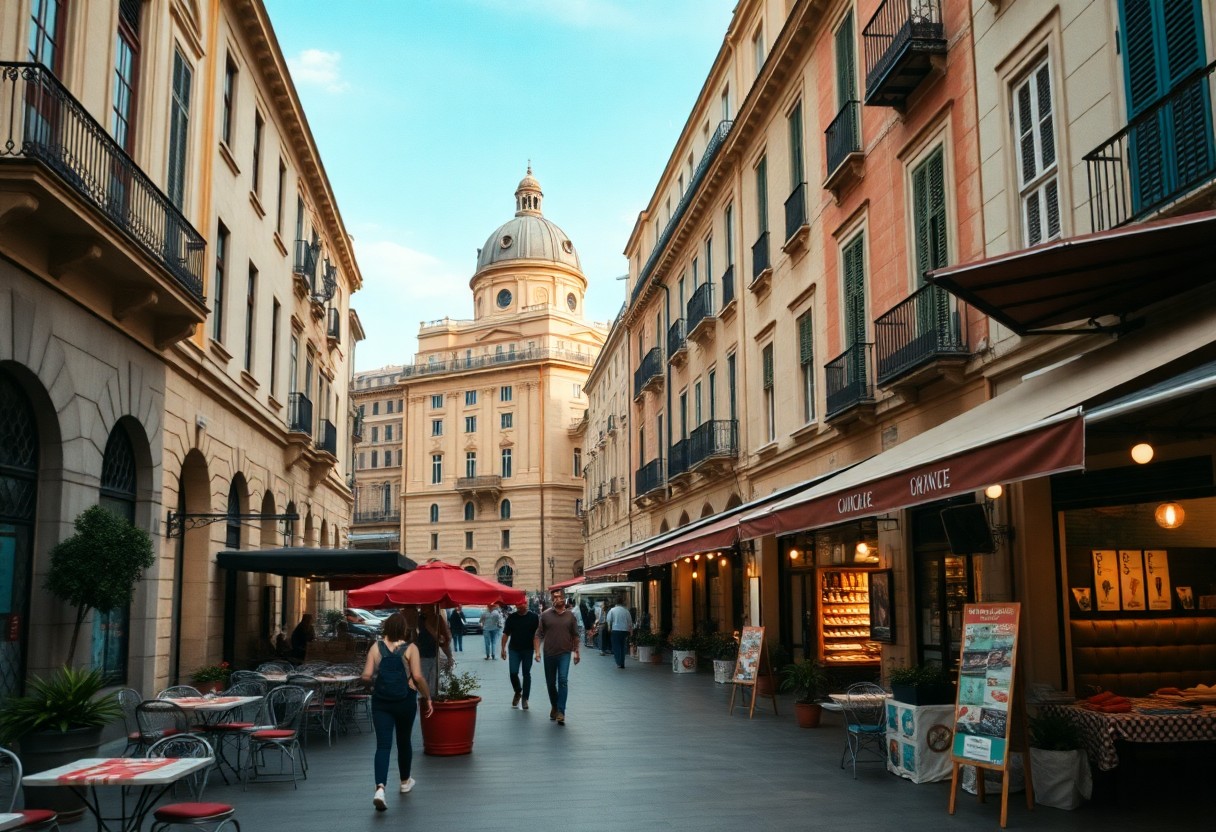
There's a fascinating intersection between art and history when considering the impact of Baroque master Michelangelo Merisi da Caravaggio on Malta. Known for his dramatic use of light and shadow, Caravaggio spent a significant time on the island in the late 16th century, leaving behind two masterpieces that continue to resonate today. As we explore Malta's evolution since his time, we question how the island's rich cultural heritage, modern influences, and ongoing renovations might align with or differ from the world Caravaggio once knew. Would he find inspiration or a stark departure from his artistic legacy?
Caravaggio's Lasting Impact on Art
The Shift from Mannerism to Baroque
Caravaggio revolutionized artistic expression by moving away from the intricate and often artificial style of Mannerism to a more naturalistic approach that characterized the Baroque period. His mastery of chiaroscuro, the dramatic interplay of light and shadow, introduced a fresh dynamic in painting, emphasizing realism and emotional intensity. This shift not only influenced his contemporaries but also set the stage for future generations of artists who sought to depict the human experience with greater authenticity.
Caravaggio's Influence on His Contemporaries
Artists such as Artemisia Gentileschi, Valentin de Boulogne, and Nicolas Poussin were directly influenced by Caravaggio's groundbreaking techniques. His dramatic compositions inspired them to explore new narrative depths, focusing on emotional storytelling rather than idealized forms. The palpable tension in his works encouraged these artists to experiment with similar themes, leading to a more engaging representation of characters and scenes in their own paintings.


















The ripple effects of Caravaggio's style can be seen in the works of numerous painters of his time. Artemisia Gentileschi, for instance, uniquely interpreted themes of female empowerment in her art, often drawing on Caravaggio's strong use of dramatic lighting and complex figures. Similarly, the naturalism found in the works of Valentin de Boulogne demonstrates Caravaggio's influence, with his ability to render emotion in human faces deeply rooted in Caravaggio's innovative approaches. The legacy extends beyond his immediate circle, reshaping the broader landscape of Baroque art that followed.
Malta's Artistic Heritage: A Glimpse into the Baroque Era
The Arrival of Caravaggio in Malta
Caravaggio arrived in Malta in 1607, fleeing from legal troubles in Rome. He was received with open arms by the Knights of St. John, who were eager to harness his genius for their own artistic purposes. This was a pivotal moment for the island, as the artist's presence marked the beginning of a transformative chapter in Maltese art, intertwining his dramatic style with local culture.
Major Works Created During His Stay
During his brief yet prolific stay, Caravaggio produced several masterpieces that would define the Maltese Baroque period. Notable works include “The Beheading of Saint John the Baptist,” which was completed in 1608, and “Saint Jerome Writing,” both of which exemplify his signature chiaroscuro technique and emotional intensity.
“The Beheading of Saint John the Baptist” stands as Caravaggio's largest canvas and is a striking testament to his mastery. The piece, housed in the St. John's Co-Cathedral, displays the brutality of the act with startling realism and an almost theatrical composition. The interplay of light and shadow enhances the dramatic tension, drawing viewers into the narrative with a gripping immediacy. This work, alongside “Saint Jerome Writing,” characterized by the deep introspection of its subject, formed a significant part of Caravaggio's legacy in Malta, influencing subsequent generations of artists while firmly rooting the island in the broader Baroque movement.
The Shifting Sands of Modern Malta
Urban Development and Architectural Transformations
The skyline of Malta has undergone striking changes over the last few decades, with sleek high-rise developments reshaping the once modest urban landscape. Projects such as the towering Tigne Point and the ambitious Metro site evoke a sense of modern aspirations, yet contrast sharply with the historic limestone edifices that have defined the islands for centuries. Contemporary architectural styles intertwine with the charm of Baroque and medieval structures, creating a curious, albeit contentious, fusion of past and future.
The Balance Between Heritage and Progress
Achieving harmony between Malta's rich history and the demands of modern development presents a unique challenge. Local authorities, citizens, and developers are often engaged in heated debates about preserving architectural integrity while accommodating economic growth. This balancing act plays out in various projects, where traditional values meet innovative designs, setting a precedent for sustainable urban planning. The clash of opinions highlights a crucial question for many: how can Malta progress without losing the essence of its illustrious past?
Discussions about progress versus preservation highlight differing perspectives within the Maltese community. Many advocate for stricter regulations to protect historic sites, while others argue for the economic benefits brought by modern developments. For instance, the controversial construction of luxury apartments at St. George's Bay has sparked protests from heritage activists, reverberating the age-old tension between safeguarding local identity and embracing modernization. Encouraging collaboration between architects, historians, and policymakers could facilitate solutions that honor Malta's deep-rooted cultural heritage while accommodating the country's evolving needs.
The Enduring Allure of Caravaggio's Techniques
Chiaroscuro and Its Modern Applications
Chiaroscuro, the dramatic interplay of light and shadow, remains a fundamental technique in modern visual arts. Contemporary photographers and painters utilize this method to evoke emotion and tension, enhancing depth and dimensionality in their works. This interplay has found its way into commercials and editorial photography, often highlighting subjects against stark backgrounds, reminiscent of Caravaggio's masterful compositions. Workshops and classes today frequently emphasize chiaroscuro, ensuring that Caravaggio's legacy lives on in the techniques taught to aspiring artists.
How Contemporary Artists Like To Reinterpret Caravaggio
Modern artists continually draw inspiration from Caravaggio, incorporating his intense realism and emotional depth into their works. By reimagining classical subjects through a contemporary lens, these artists bring vibrancy to historical narratives. Notable examples include the works of Kehinde Wiley, whose portraits of Black men in heroic poses echo Caravaggio's dramatic staging, while also addressing race and identity. Additionally, installations by artists such as Dario Escobar exhibit Caravaggio's themes in unfamiliar settings, provoking viewers to reflect on modern societal issues while evoking the past.
This reinterpretation often takes form in various mediums, including video art, installations, and graffiti. Contemporary artists such as the Italian painter Francesca Gabbianelli explore themes of mortality and spirituality, emulating Caravaggio's style while integrating modern motifs. These artists not only pay homage to the master but also challenge viewers to engage with pressing issues of today through a Baroque lens, crafting a dialogue that spans centuries. This rejuvenation ensures that Caravaggio's techniques continue to resonate, making his emotive style an enduring influence in the art world.
Malta's Cultural Landscape Today: A Modern Renaissance
The Role of Art Festivals and Contemporary Exhibitions
Malta's vibrant art scene thrives on the energy of its numerous art festivals and contemporary exhibitions, which showcase local and international talents. Events such as the Valletta International Baroque Festival and the Malta Contemporary Art Biennial attract crowds eager to engage with innovative practices and reinterpretations of tradition. These festivals not only celebrate Malta's rich artistic heritage but also foster a dynamic dialogue between past and present, illustrating the island's role as a hub of cultural exchange in the Mediterranean.
How Traditional and Modern Art Coexist
In Malta, traditional and modern art coalesce seamlessly, creating a rich tapestry that reflects the island's history and contemporary sensibilities. The National Museum of Fine Arts exhibits classical masterpieces alongside cutting-edge installations, inviting viewers to draw connections between artistic eras. Galleries in Valletta and Sliema showcase works from emerging artists while integrating historical narratives, exemplifying how the echoes of the past inform today's creative expressions. This blend not only enriches the local art scene but also offers a vibrant platform for dialogue and innovation, capturing the essence of Malta's cultural identity.
Heritage Preservation vs. Modernization: A Cultural Tug of War
Government Policies in Safeguarding Artistic Heritage
Malta's government has implemented various policies aimed at preserving its rich artistic heritage, including the Cultural Heritage Act of 2002. This legislation establishes guidelines for the protection, conservation, and promotion of cultural assets. Financial incentives are also provided for restoration projects and the conservation of historical buildings, fostering a balance between modernization and heritage preservation.
The Role of Non-Governmental Organizations in Preservation Efforts
Non-governmental organizations (NGOs) play a vital role in advocating for Malta's artistic and architectural heritage, often filling gaps left by governmental efforts. Their initiatives range from grassroots campaigning to securing funding for restoration projects, ensuring that Malta's rich history is not overshadowed by rapid urban development.
Organizations such as Din l-Art Ħelwa have spearheaded restoration efforts in notable sites across the islands, including the iconic Fort St. Elmo and the numerous chapels dotting the countryside. They raise awareness through educational programs and community engagement, emphasizing the importance of maintaining Malta's artistic identity amidst plans for modern infrastructure. By collaborating with local authorities and international bodies, these NGOs contribute significantly to preserving the island's historical narrative while addressing the pressing need for contemporary adaptation.
The Artistic Community's Reception of Caravaggio
Local Artists' Perspectives on Caravaggio's Influence
Local artists in Malta acknowledge Caravaggio's profound impact on their work, celebrating his mastery of chiaroscuro and naturalistic representation. They view him as a pivotal figure who bridged the gap between Renaissance ideals and Baroque realism. Many contemporary artists draw inspiration from his emotional depth and dramatic compositions, often experimenting with light and shadow in their own pieces, showcasing an enduring legacy that resonates through generations.
The Role of Art Schools in Fostering Caravaggio-inspired Talent
Art schools in Malta play a vital role in cultivating a new generation of artists inspired by Caravaggio's techniques and themes. Through tailored curriculums, students examine into the nuances of light, shadow, and form, emulating the dramatic flair characteristic of Baroque art. Workshops often include analysis of Caravaggio's masterpieces, encouraging students to apply similar methods in their personal styles, ensuring that his influence remains alive in today's creative landscape.
Institutions like the Malta College of Arts, Science and Technology (MCAST) and the University of Malta offer programs focused on history and practice rooted in Caravaggio's principles. These schools emphasize hands-on training and critiques, inviting local artists and historians to share insights on Caravaggio's methodologies. By incorporating both traditional techniques and contemporary approaches, they effectively blend the past and present, nurturing a community of artists who celebrate and reinterpret Caravaggio's innovations in today's artistic dialogue.
Global Tourism and Its Effect on Malta's Artistic Image
The Influx of Tourists and the Fame of Caravaggio's Works
The rise of global tourism has transformed Malta into a pilgrimage site for art enthusiasts, particularly fans of Caravaggio. His masterpieces, like “The Beheading of Saint John the Baptist,” attract thousands annually, drawing attention not only to his work but also to the backdrop of Malta's rich artistic heritage. Travelers eager to explore Caravaggio's ties to the island often leave with a deeper appreciation for Baroque art, which in turn, elevates Malta's status on the world stage as an artistic hub.
Economic Impact of Art-Centric Tourism
Art-centric tourism has become a cornerstone of Malta's economic growth, significantly contributing to local businesses and cultural funding. In recent years, revenue generated from artistic tourism is estimated to surpass €2 billion, while art exhibitions, tours, and cultural events have bolstered employment in creative industries. The financial influx encourages the preservation of historical sites and supports initiatives aimed at promoting Malta's vibrant arts scene, ensuring that the island continues to thrive as a destination for both history and creativity.
Investment in the arts through tourism is evident in various sectors contributing to Malta's economy. Significant projects like the regeneration of Fort Saint Elmo and the ongoing restoration of the National Museum of Fine Arts signal a commitment to preserving Malta's cultural identity. Every euro spent by art tourists directly influences local crafts, restaurants, and accommodations, creating a ripple effect that benefits communities across the island. This cycle not only fosters pride among locals but also ensures that Malta's artistic legacy can be cherished and experienced by generations to come.
Rethinking Identity: Malta in the Age of Globalization
The Integration of Global Art Trends in Local Practices
Contemporary Maltese artists are increasingly blending traditional techniques with global art trends, showcasing a dynamic that enriches local practices. For instance, the use of digital media, street art, and performance art—previously peripheral to Malta's cultural scene—has gained momentum. Galleries like MUŻA and events such as the Valletta Film Festival highlight diverse artistic expressions, creating a melting pot of influences that resonate with both local and international audiences.
Issues of Cultural Authenticity and Artistic Integrity
With the influx of global art trends, questions surrounding cultural authenticity and artistic integrity have emerged. The blend of genres may sometimes lead to a dilution of Malta's distinct identity, causing tension between maintaining heritage and embracing modernity. Many artists grapple with how to remain true to their roots while innovating and responding to a rapidly globalized marketplace.
The concern regarding cultural authenticity is particularly pronounced in a country like Malta, where identity is tightly interwoven with its historical and artistic legacy. As artists adopt and reinterpret diverse influences, some worry that the essence of Maltese culture could be overshadowed by an overwhelming tide of globalization. This dynamic creates a delicate balance, as emerging talents strive to forge innovative paths while respecting the depth and significance of traditional Maltese artistry. The discourse surrounding authenticity not only challenges individual artists but also invites broader societal reflections on what it means to be Maltese in today's interconnected world.
What Would Caravaggio Think? Hypothetical Reflections
Artistic Values in Contemporary Malta
In today's Malta, artistic values manifest through a blend of tradition and modernity. The reverberations of Caravaggio's dramatic chiaroscuro still influence local artists, evident in their explorations of light and shadow. Current exhibitions showcase works that pay homage to Maltese history while engaging with contemporary themes like identity and belonging. Emerging artists, often influenced by global art movements, are redefining Malta's narrative, using various mediums and fresh perspectives to engage broader audiences, just as Caravaggio once did.
The Cultural Clash Between the Old and New Worlds
Contemporary Malta illustrates a vivid cultural dichotomy, where deep-rooted traditions coexist with the rapid embrace of modern influences. Malta's historical architecture contrasts starkly with the modern designs cropping up in urban landscapes. While established institutions often celebrate traditional art forms, newer galleries and artist collectives push back, challenging these conventions and advocating for more innovative approaches. Festivals and cultural events showcase this vibrant intersection, reflecting a society that's both proud of its heritage and unafraid to question it.
As Malta continues to evolve, the tension between the past and the present becomes more pronounced. Landmark buildings stand proudly alongside contemporary structures, embodying the struggle between preservation and progress. Local art initiatives are fostering a dialogue that encourages reinterpretation of historical narratives, inviting artists to infuse modern issues into classic forms. This cultural clash mirrors a broader global phenomenon, where societies grapple with maintaining identity in the face of globalization. Caravaggio, with his revolutionary approach to art in his time, would undoubtedly find inspiration—and perhaps frustration—in this dynamic cultural landscape.
Education and Outreach: Inspiring Future Generations
Programs that Introduce Caravaggio to Young Artists
Art programs in Malta increasingly focus on introducing Caravaggio's techniques and themes to aspiring young artists. For example, the “Caravaggio in the Classroom” initiative invites local schools to explore the Baroque master's style through hands-on workshops. Students investigate into chiaroscuro lighting, dramatic composition, and the importance of narrative in painting, creating their interpretations inspired by Caravaggio's works. This approach not only promotes technical skill development but also fosters a deeper appreciation for Malta's artistic heritage.
Community Engagement in Art Projects
Art initiatives that engage communities foster a collective appreciation for both historical and contemporary art forms. Recently, local organizations have partnered with artists to create murals and installations inspired by Caravaggio, allowing community members to participate in the creative process. Such projects enhance public spaces and encourage a sense of ownership over the artistic narrative of the area, bridging the gap between historical figures like Caravaggio and modern-day expressions of creativity.
These community projects create a vibrant dialogue between residents, artists, and the art of Caravaggio. For instance, the “Caravaggio Murals” initiative involved local artists collaborating with residents to depict scenes inspired by Caravaggio's famous works on public walls. Workshops were held to educate participants about the artist's techniques, resulting in murals that embody both cultural pride and artistic expression. This not only beautifies neighborhoods but also serves as a visual reminder of Malta's rich artistic lineage, empowering future generations to carry forward this legacy.
Caravaggio in the Digital Age: New Mediums and Methods
How Technology Changes the Perception of Classic Art
Advancements in technology have transformed how classic art is perceived and appreciated. High-resolution digitization, augmented reality, and online platforms provide wider access to Caravaggio's works, allowing audiences to engage intimately with details that were previously overlooked. This democratization in art consumption not only revitalizes interest but also invites interpretations from diverse perspectives, bridging generational gaps as younger audiences explore these masterpieces through a modern lens.
Virtual Reality and Interactive Exhibits Inspired by Caravaggio
Virtual reality (VR) installations have introduced a new dimension to the art experience, allowing viewers to step inside Caravaggio's world. Interactive exhibits enable participants to navigate through key scenes of his paintings, gaining insight into the artist's techniques and the socio-cultural context of the Baroque era. This immersive experience invites deeper connection and understanding, encouraging dialogue about Caravaggio's influence on both historical and contemporary art.
In recent years, several museums and cultural institutions have launched VR experiences that recreate Caravaggio's most famous works. For instance, the immersive exhibition “Beyond the Frame” allows visitors to enter the lush settings of his paintings, engage with animated narratives, and even take part in painting exercises inspired by his techniques. Such initiatives not only enhance art appreciation but also help illuminate the emotional depth and historical significance of Caravaggio's oeuvre, making it relevant for today's digitally-savvy audiences. As art continually evolves, this fusion of classic artistry with modern technology redefines the boundaries of engagement and education in the art world.
The Role of Art Criticism in Shaping Malta's Artistic Narrative
Analyzing Reviews and Public Reception of Contemporary Works
The reception of contemporary works in Malta often reflects a blend of local cultural values and international influences. Art critics play a significant role by interpreting the emotional and social dimensions of these pieces. Recent exhibitions, such as those at the National Museum of Fine Arts, have generated lively discussions, with critics highlighting both the innovative use of traditional techniques and the narratives that resonate with Maltese society. Such critiques not only influence public perception but also guide emerging artists in their creative pursuits.
The Evolution of Art Criticism in Relation to Caravaggio's Legacy
Art criticism in Malta has transitioned from devotional analysis to a broader exploration of cultural identity, particularly in light of Caravaggio's influence. Early critiques were often steeped in admiration for religious themes, reflecting the Baroque tradition Caravaggio epitomized. Today, however, critiques extend beyond historical reverence, engaging with contemporary themes like post-colonial identity and globalism. This evolution mirrors the changing landscape in Malta, where art is a dialogue—not merely an echo of the past—but a reflection of current societal issues and aspirations.
Critics now explore how Caravaggio's dramatic style and emotional depth continue to inform modern Maltese artists. For instance, the juxtaposition of light and shadow in Caravaggio's work is echoed in contemporary installations that aim to provoke thought about today's social challenges. Such connections enable a richer understanding of both the legacy of Baroque art and the evolving narrative of Maltese creativity. As artists respond to the legacy of Caravaggio, art criticism becomes a vital platform for discussion and innovation, shaping not just the perception of the works but the future direction of the Maltese art scene.
Conclusion
As a reminder, Caravaggio's time in Malta was marked by dynamic artistic expression and rich cultural influences. Today, Malta has evolved significantly, blending its historical heritage with modern developments. While he would likely recognize the Baroque architecture and artistic legacy he left behind, the contemporary urban landscape and global influences may come as a surprise. Nevertheless, the essence of Malta's vibrant culture, shaped by his contributions, remains evident, allowing for a connection across centuries.
FAQs
What artworks did Caravaggio create in Malta?
Caravaggio created “The Beheading of Saint John the Baptist” and “Saint Jerome Writing” during his stay in Malta.
Why did Caravaggio go to Malta?
He fled Rome due to legal issues and was welcomed by the Knights of St. John, who valued his artistic talent.
How did Caravaggio influence Baroque art?
He pioneered dramatic realism and chiaroscuro, moving away from Mannerism and influencing generations of artists.
Where can Caravaggio’s Maltese paintings be viewed?
His masterpieces are housed in St. John’s Co-Cathedral in Valletta, Malta.
How is Caravaggio’s style used in modern art today?
His chiaroscuro technique is widely used in photography, painting, and installations to enhance drama and realism.
What is chiaroscuro and why is it important?
Chiaroscuro is the contrast of light and shadow in art. Caravaggio used it to create emotional depth and dramatic scenes.
How has Malta’s architecture changed since Caravaggio’s time?
Modern high-rises now contrast historic limestone buildings, reflecting a tension between progress and preservation.
How is Malta preserving its artistic heritage?
Through government acts, restoration funding, and NGO-led initiatives, Malta balances development with cultural protection.
What role do Maltese art festivals play today?
They promote dialogue between traditional and modern art, showcasing both local and global talents.
How does tourism affect Malta’s art scene?
Art tourism brings economic benefits, supports preservation efforts, and elevates Malta's global cultural profile.

Ash
I like to keep it short. I am a writer who also knows how to rhyme his lines. I can write articles, edit them and also carve out some poetic lines from my mind. Education B.A. - English, Delhi University, India, Graduated 2017.
Related Posts
Year round travel in Malta
May 12, 2026
Spring Adventures In Malta
May 11, 2026
Malta Early Spring Travel Boom
May 9, 2026

Budget airlines lift Malta tourism
May 8, 2026
Spring visitors spend more in Malta
May 7, 2026

Malta airport traffic rises in spring
May 6, 2026

Malta hotel occupancy trends in spring
May 5, 2026
Malta attracts new spring travelers
May 4, 2026
Malta tourism tests power grid
May 2, 2026