Peru’s Gambling Industry – Facing Significant Regulatory Challenges
Peru's gambling industry is currently navigating a complex landscape of regulatory hurdles that could significantly impact its growth and sustainability. As you explore this vibrant sector, it's vital to understand the challenges posed by outdated laws, varying regional regulations, and the push for stricter enforcement measures. Your awareness of these obstacles can help you grasp the future prospects of the industry, whether you're an investor, operator, or simply an interested observer.
Overview of Peru's Gambling Industry
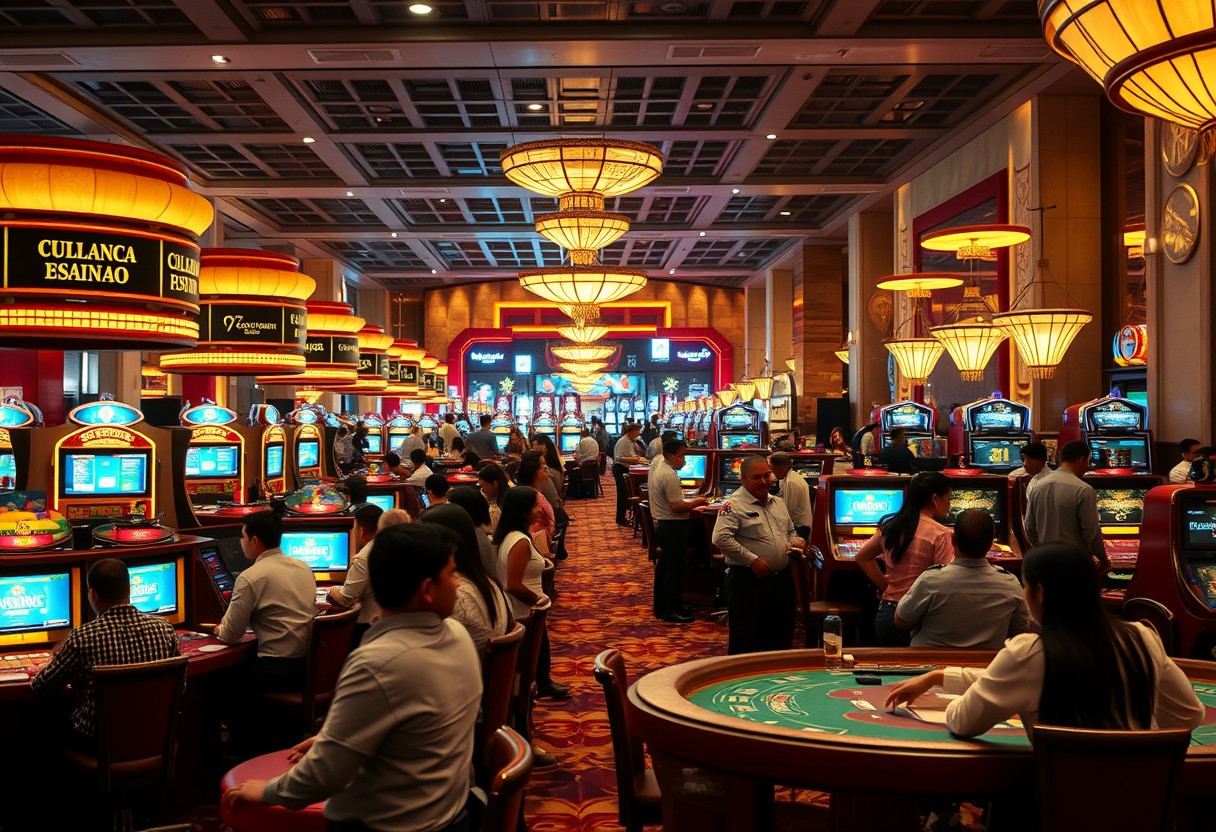
The gambling industry in Peru has become increasingly significant, showcasing a mix of traditional games and modern betting systems, influenced by regulatory factors and socio-economic trends. Alongside tourism, the gambling sector contributes to job creation and revenue generation, positioning itself as a key player in the national economy.
History and Development
With roots dating back to indigenous cultures who engaged in games of chance, Peru's gambling industry has evolved over the years. The introduction of legalized lotteries in the 19th century marked a significant turning point, leading to the establishment of casinos and sports betting that gained popularity in the late 20th century. Today, Peru maintains a diverse gambling sector facing modern challenges.








Economic Impact of Gambling
Industry studies highlight that gambling significantly contributes to Peru's economy, generating jobs and tax revenue. The government earns substantial income from licensing and regulating gambling operators, which helps fund public services and infrastructure projects.
Plus, the benefits extend beyond tax revenues, as many sectors like hospitality and tourism thrive on the presence of casinos and betting establishments. This creates a ripple effect throughout the economy, enhancing economic stability and growth.
Types of Gambling Activities
- Casinos and Slot Machines
- Sports Betting
- Online Gambling
- Lotteries
- Traditional Games like Bullfight Betting
This diversity allows you to explore a variety of gambling experiences unique to Peru, appealing to both locals and tourists alike.
| Type of Gambling | Characteristics |
|---|---|
| Casinos | Feature a wide range of table games and modern slot machines. |
| Online Gambling | Permits access to betting platforms via websites and mobile apps. |
| Sports Betting | Covers all major sports, including football and horse racing. |
| Lotteries | Some are government-run, with large jackpots enticing participants. |
| Traditional Games | Include local customs and activities, enhancing cultural engagement. |
Understanding the types of gambling activities available in Peru can be vital for anyone looking to engage in this vibrant industry. You'll find that each activity provides distinct experiences catered to various preferences, helping you choose the best options for your enjoyment.
- Casinos offer a lively atmosphere.
- Online platforms provide convenience.
- Sports betting adds excitement for sports fans.
- Lotteries can lead to substantial winnings.
- Traditional games connect you with local culture.
This range of activities enriches your gambling experience in Peru, whether you're a casual player or a committed enthusiast.
Current Regulatory Framework
One of the critical aspects influencing Peru's gambling industry is its regulatory framework, which encompasses various authorities and legislation designed to ensure fair play and protect consumers. This framework is currently being tested as the market evolves and new challenges arise.
National Regulatory Authorities
On a national level, the main authority overseeing gambling activities in Peru is the Ministry of Foreign Trade and Tourism. This body is responsible for the implementation and enforcement of regulations that govern casinos, sports betting, and other gambling avenues within the country.
Key Legislation Governing Gambling
Any discussion about the regulatory landscape must address the key legislation governing gambling activities. The primary law is Law No. 27153, which regulates games of chance and establishes the framework within which operators must function.
Governing the operations of various gambling establishments, this law covers licensing, compliance requirements, and penalties for violations. It emphasizes transparency and consumer protection while adapting to the shifting landscape of online casinos and digital betting, highlighting the need for continual legislative updates to meet emerging trends.
Licensing Process for Operators
Current licensing procedures for operators in Peru involve an application process with strict requirements to ensure that only reputable companies can operate in the market. This process is vital for maintaining integrity within the industry.
It is necessary for you to understand that the licensing process includes background checks, financial audits, and compliance with taxation laws. This rigorous procedure aims to prevent fraud and maintain a trustworthy gambling environment, despite the challenges operators may face in navigating the regulatory maze. Operators must be thorough in their applications to secure permits and avoid costly penalties.
Challenges Facing the Industry
Many challenges confront Peru's gambling industry, affecting its growth and regulation. With the rapid expansion of gambling activities, it is imperative to address these issues to foster a sustainable and responsible environment for both operators and consumers.
Legislative Gaps and Ambiguities
Industry participants are often hampered by legislative gaps and ambiguities, creating confusion regarding what is permissible. The current regulatory framework does not adequately address the nuances of online gambling and emerging technologies, which can hinder innovation and growth.
Corruption and Governance Issues
Ambiguities in governance and corruption scandals have plagued the industry, leading to a lack of trust among stakeholders. You must be aware that these issues can compromise the integrity of operations and limit the effectiveness of regulatory oversight.
To truly understand the impact of corruption and governance issues in the gambling sector, you should recognize that they erode confidence in the regulatory process. When regulatory bodies are perceived as compromised, operators may feel incentivized to bypass rules, leading to unfair competition and undermining responsible gambling initiatives.
Public Health and Safety Concerns
Any expansion of gambling brings potential public health and safety concerns, making it vital for you to prioritize these issues in discussions about regulation. The societal impacts of gambling can range from addiction to financial instability for individuals and families.
Public awareness and education surrounding these risks are crucial in the context of Peru's gambling landscape. You may find that informing the public and promoting safe gambling practices can mitigate some of the adverse consequences often associated with increased gambling activities.
Impacts of Informal Gambling
Public perception of gambling can be influenced by the prevalence of informal gambling operations, which often operate outside legal frameworks. You should recognize that these unauthorized activities can lead to significant revenue losses for the government while increasing risks for consumers.
This issue can exacerbate the challenges faced by regulatory bodies in establishing a safe and fair gambling environment. Addressing informal gambling requires collaboration among various stakeholders, including government agencies and licensed operators, to create a cohesive strategy that discourages unauthorized practices. You play a role in advocating for transparency and regulation to foster responsible gambling habits within your community.
International Comparisons
Despite the significant regulatory challenges faced by Peru's gambling industry, it is imperative to examine international trends and best practices. Comparing your situation in Peru to other countries can provide insights into effective regulatory frameworks that foster growth while ensuring player protection.
Comparison of Gambling Regulations
| Country | Key Regulatory Features |
|---|---|
| United Kingdom | Comprehensive licensing system, strict advertising regulations, and a focus on player safety. |
| Spain | A well-established regulatory body overseeing online and land-based gambling with a recent focus on responsible gambling practices. |
| Brazil | Emerging regulations with potential for growth; current focus on legalization and securing player rights. |
| Argentina | Decentralized regulation, with provinces having their respective gambling laws to suit local needs. |
Gambling Regulations in Latin America
To effectively understand the landscape of gambling regulations within Latin America, it's crucial to recognize that each country adopts its unique approaches. Countries like Brazil and Argentina are navigating through modernization and legalization, which are often accompanied by challenges in harmonizing regulations with traditional practices.
Successful Regulatory Models
Models of successful regulatory frameworks often share common characteristics, such as transparency, accountability, and the promotion of responsible gambling. Countries that prioritize these elements create a healthier gaming environment for both operators and players.
Another crucial aspect of successful regulatory models is the active involvement of key stakeholders, including government agencies, industry representatives, and civil society. This collaborative approach fosters a comprehensive understanding of the market dynamics, enabling you to anticipate issues before they arise and develop effective solutions that benefit all parties involved.
Lessons Learned from Global Practices
One of the most significant lessons learned from global practices is the importance of a balanced approach to regulation. You should aim to create a regulatory environment that promotes business growth while safeguarding the interests of your players.
Practices from successful jurisdictions highlight the need for ongoing adaptation of regulations in response to market changes and technological advancements. Emphasizing continuous dialogue between regulators, operators, and consumers positions you to effectively address emerging challenges, thereby fostering a sustainable gambling industry in Peru. Understanding these global lessons can enhance your efforts towards building a robust regulatory framework that facilitates growth whilst maintaining player protection.
Stakeholder Perspectives
Now, as you research into the multifaceted viewpoints surrounding Peru's gambling industry, it's crucial to consider each stakeholder's perspective, as it highlights the complexities of the regulatory environment.
Operator Views on Regulation
Operators in Peru's gambling market often express concerns about the existing regulatory framework, which they see as overly restrictive and unevenly enforced. They argue that such regulations hinder their ability to compete fairly, leading to a constrained market that stifles innovation and investment.
Government and Law Enforcement Perspectives
Enforcement agencies emphasize the importance of stringent regulations to combat issues such as money laundering and fraud. They advocate for robust oversight as a means of protecting consumers and ensuring the integrity of the gambling industry. Your understanding of these perspectives allows you to appreciate the balancing act they face between regulation and market freedom.
Plus, government bodies recognize the potential economic benefits that a well-regulated gambling industry can provide. They aim to attract foreign investment and enhance tax revenue but must navigate public safety and ethical considerations, making their role in regulation complex and multifaceted.
Community and Public Opinion
On the community front, public opinion towards gambling often swings between stigma and acceptance. Many community members are concerned about the social implications of gambling, including addiction and crime, while others appreciate the potential economic benefits it may bring.
Public sentiment plays a crucial role in shaping policy decisions, as policymakers must consider how regulations affect societal welfare. Engaging with this diverse public perspective helps ensure that regulations not only address gambling's potential harms but also leverage its economic advantages to benefit communities throughout Peru.
Future Trends in Peru's Gambling Industry
All eyes are on Peru's gambling industry as it prepares for potential transformations driven by technology, legislation, and social responsibility. As you navigate this evolving landscape, understanding these trends will be vital for any stakeholders or enthusiasts in the sector.
Technology and Online Gambling
Technology is reshaping your gambling experience, especially through the rise of online platforms and mobile applications. You can expect rapid advancements in user experience, payment options, and game offerings, fostering greater accessibility and engagement in Peru's digital gambling space.
Potential Legislative Reforms
Any changes in Peru's gambling legislation could dramatically influence the market dynamics. You should keep informed about proposed reforms that may aim to clarify regulations surrounding online gambling, licensing, and taxation, impacting both operators and players significantly.
Online discussions about potential legislative reforms indicate that the government acknowledges the importance of creating an appropriate regulatory framework. By introducing clear guidelines, you may witness an increase in responsible gaming practices while also providing safe betting environments and boosting government revenues through taxation. Staying updated on these developments can allow you to prepare for any shifts in the industry landscape.
Responsible Gambling Initiatives
Future advancements in Peru's gambling industry should also prioritize responsible gambling initiatives. As a participant in this evolving scene, you will likely see an emphasis on promoting healthier gaming habits and ensuring player protection.
To ensure a sustainable gambling environment, organizations and authorities may focus on implementing educational campaigns, support services, and tools to help you gamble responsibly. By promoting awareness and offering resources for those affected by gambling addiction, you can contribute to a safer gambling culture that benefits the entire community in Peru.
Final Words
Summing up, you should recognize that Peru's gambling industry is navigating a complex landscape of regulatory challenges that could shape its future. As authorities work to balance economic growth with social responsibility, staying informed about these developments is crucial for any stakeholders or enthusiasts in the sector. Understanding these dynamics will not only enhance your knowledge but also empower you to make informed decisions in this evolving market.
FAQs
What are the main challenges currently facing Peru's gambling industry?
Peru's gambling industry faces challenges including outdated laws, varying regional regulations, corruption, legislative gaps, and public health concerns.
How does Peru’s gambling industry impact the national economy?
The gambling industry contributes significantly by generating jobs, tax revenue, and boosting sectors like tourism and hospitality, thereby enhancing economic stability.
What types of gambling activities are available in Peru?
Peru offers a range of gambling activities including casinos, slot machines, sports betting, online gambling, lotteries, and traditional games like bullfight betting.
Who is responsible for regulating gambling activities in Peru?
The Ministry of Foreign Trade and Tourism oversees gambling regulations in Peru, with key legislation including Law No. 27153 governing the industry.
What should investors and operators be aware of regarding Peru's gambling regulations?
Investors and operators should be aware of the rigorous licensing process, regulatory challenges, and potential for legislative reforms that could impact their operations.

Michael Schmitt
Michael Schmitt is the founder of TRIDER.UK and Editor of Malta Media. He writes about iGaming, gambling regulation, corporate structures, financial services and market integrity, combining investigative journalism with nearly three decades of experience in corporate services and international business.
Related Posts


Vyking integrates Xtremepush CRM tools for global iGaming operators
September 23, 2026

Vyking builds its own sportsbook on FIRST.bet’s SportOS
September 21, 2026
Germany’s gambling blocking system struggles with obvious targets
September 19, 2026
Gambling Commission reports growth across Great Britain’s gambling market
September 18, 2026

GGL gambling enforcement raises questions over licence transparency
September 7, 2026

German gambling safeguards face test over cash-funded betting wallets
September 3, 2026