

















Malta’s Autumn Wildlife and Nature Reserves
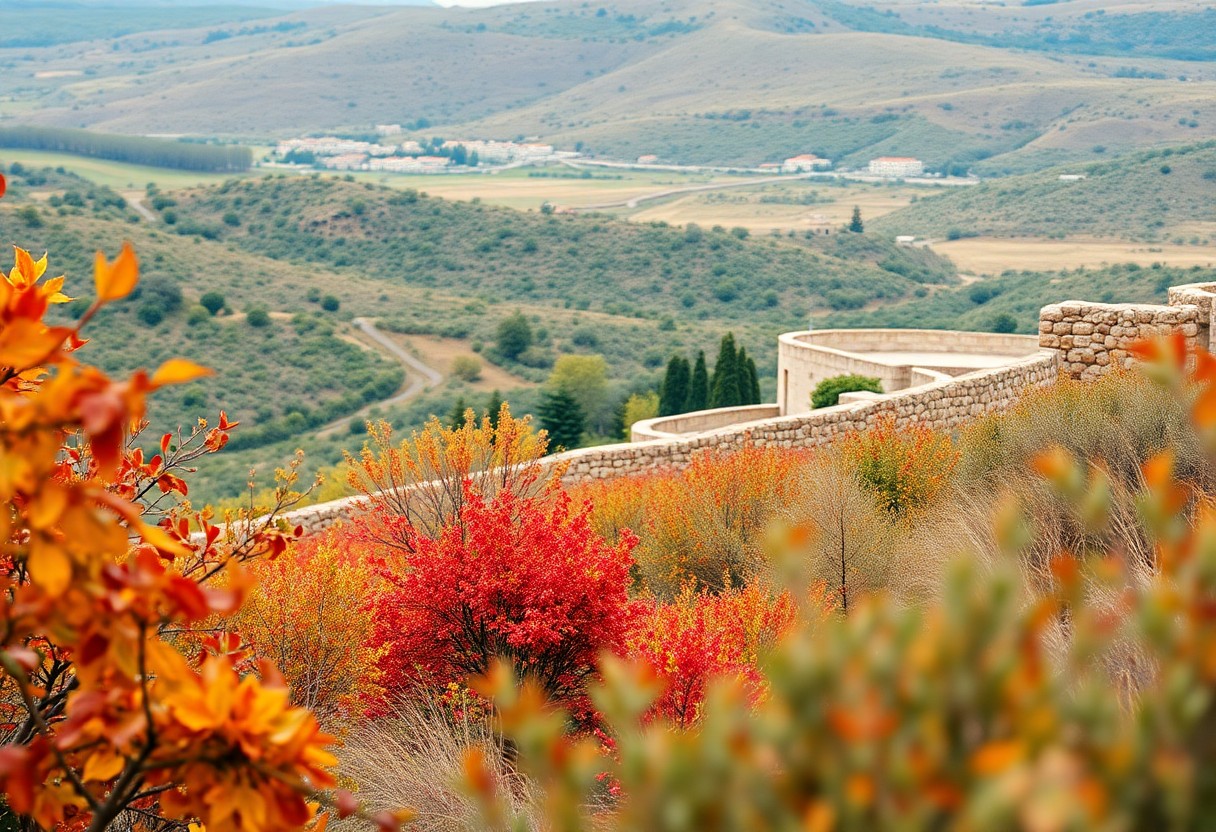
For nature planning, consult our Malta travel guide and check current visitor information through VisitMalta.
Most people might not realize that autumn is one of the most vibrant times to explore Malta's natural beauty. As the temperatures cool, a variety of wildlife emerges, and the island's lush nature reserves come alive with color and activity. In this post, I will guide you through the unique ecosystems that flourish during this season, showcasing the best places to observe migratory birds, endemic plants, and other fascinating wildlife. Join me as we uncover the hidden wonders of Malta's autumn nature reserves and learn how to appreciate their ecological significance.
Overview of Malta's Ecosystems
The Mediterranean archipelago of Malta showcases a remarkable variety of ecosystems, shaped by its unique geographical features and climatic conditions. From pristine coastal areas to rugged inland landscapes, the country's biodiversity flourishes, making it an exceptional habitat for numerous plant and animal species. As I explore these ecosystems, I uncover the intricate relationships that exist between species and their environments, highlighting the importance of conservation efforts in preserving these fragile ecosystems.










The Mediterranean Climate
Maltas Mediterranean climate provides warm, dry summers and mild, wet winters, creating an ideal environment for diverse plant and animal life. The reliable weather patterns significantly influence the distribution of species across the islands, allowing them to thrive during certain seasons and adapt to the changing conditions throughout the year.
Flora and Fauna Diversity
Between the blooming wildflowers and the diverse bird species, Malta is home to an array of flora and fauna that reflect its unique ecological heritage. With over 1,000 plant species and a variety of animals, you can easily witness the beauty of nature that defines the islands.
In addition to the native species, a number of migrating birds pass through Malta during their seasonal journeys, making it an exciting destination for birdwatchers. The varied habitats found across the islands support plants like the endemic Maltese rock-centaury, while several coastal areas offer ideal nesting sites for various birds. As I explore deeper into these rich ecosystems, I'm often amazed by the intricate balance of life that exists here.
Seasonal Changes and Wildlife Behavior
Among the many fascinating aspects of Malta's ecosystems are the seasonal changes that impact wildlife behavior. The arrival of autumn brings with it a transformation in the landscape and the activities of various animal species, as they prepare for the cooler months ahead.
Changes in temperature and food availability trigger different behaviors among wildlife. Many migratory birds flock to Malta during this time, taking advantage of the abundant resources before continuing on their journeys. Additionally, local species engage in various adaptations, such as foraging more actively or entering hibernation, as they respond to the shifting environment. Observing these transformations in the animal kingdom deepens my appreciation for the beauty of Malta's natural world.
Key Nature Reserves in Malta
It's a delight to explore the various nature reserves in Malta, as each offers a distinct experience of the island's rich biodiversity. The reserves are perfect spots to connect with October's vibrant wildlife, from migratory birds to indigenous flora.
Għar Lapsi Nature Reserve
Between the rugged cliffs and azure sea, Għar Lapsi Nature Reserve cultivates a serene environment teeming with diverse marine life. This hidden gem is perfect for observing birds during their autumn migration while enjoying the stunning coastal views.
Il-Majjistral Nature Reserve
Any visit to Malta wouldn't be complete without exploring Il-Majjistral Nature Reserve. Spanning 776 hectares, it boasts a stunning array of flora and fauna, including endangered species and unique habitats. It's an excellent location for birdwatching during the autumn months.
Nature enthusiasts will appreciate the well-maintained trails and observation points that enhance your experience. You can witness various species, including the elusive Malta Blue Butterfly, as they thrive in this protected area. Il-Majjistral is a sanctuary for nature lovers and a haven for anyone seeking tranquility in a beautiful landscape.
Buskett Woodlands
Below the cliffs of Verdala lies Buskett Woodlands, a lush haven of oak trees and diverse wildlife. Its peaceful trails are ideal for leisurely walks while enjoying the crisp autumn air, and the reserve is especially alive with vibrant colors during this season.
With its unique mix of native trees and introduced species, Buskett Woodlands supports a rich ecosystem. The area is home to various bird species, making it a popular destination for birdwatchers. You might spot the Common Kestrel or even the rare Maltese Crossbills, adding to your autumn wildlife adventure.
Salina Nature Reserve
Beside a stunning coastal lagoon, Salina Nature Reserve offers a unique opportunity to observe a variety of wetland species. This area is particularly lively in autumn when migratory birds flock to the salt pans and marshes, creating a captivating sight.
This reserve is a key habitat for many waterfowl species, allowing you to witness remarkable birdwatching opportunities throughout the season. Enjoy a quiet stroll along the paths where the landscape unfolds in tranquil beauty, making it an excellent spot for photography and connecting with nature.
Ta' Ċenċ Cliffs
On the southwestern tip of Gozo, Ta' Ċenċ Cliffs offer breathtaking views and a rich diversity of wildlife. The towering cliffs provide a dramatic backdrop, making it an ideal location for autumn walks while observing the spectacular coastal ecosystem.
Further exploration reveals hidden paths along the cliffs where you can encounter a variety of flora and fauna unique to this region. The cliffs serve as nesting sites for many seabird species, ensuring a lively experience for birdwatchers. As the days grow cooler, the area's natural beauty becomes even more vibrant, inviting you to immerse yourself in Malta's stunning wilderness.
Migratory Patterns of Autumn Wildlife
Not all wildlife remains stationary during Malta's autumn season; many species take to the skies in search of more favorable conditions. Understanding these migratory patterns provides fascinating insight into their behaviors and environmental needs.
Birds and Their Migration Routes
Around Malta, you can observe various bird species making their way south for the winter. Notable migratory paths include routes from Northern Europe through Italy, with Malta acting as a vital rest stop. This natural crossroads allows you to witness a variety of species, each uniquely adapted to their long journeys.
Impact of Climate Change on Migration
Between changing temperatures and shifting weather patterns, many migratory birds face increased challenges. These environmental alterations can disrupt traditional migration schedules, leading to mismatches in food availability and nesting periods.
The effects of climate change go beyond mere timing; they can create a cascade of interactions affecting entire ecosystems. For instance, earlier springs may prompt insects to hatch sooner, creating a disconnect for birds that rely on these food sources upon their arrival. This complexity drives home the importance of monitoring these patterns more closely.
Conservation Efforts for Migratory Species
Autumn presents a prime opportunity for conservationists to address the needs of migratory species in Malta. Many organizations work tirelessly to ensure habitats are preserved and to educate the public on the importance of safeguarding these incredible animals.
Birds make long and arduous journeys, and they need safe havens along the way. Active conservation efforts include habitat restoration, community awareness programs, and the establishment of protected areas to create a sanctuary for these migratory birds. By participating in these initiatives, you can play a part in ensuring the survival of these species during their seasonal journeys.
Flora During Autumn
Many people may not associate autumn with vibrant plant life, but Malta's nature reserves come alive in various shades and textures this season. As temperatures begin to cool, it's the perfect time to explore the unique flora flourishing throughout the islands. From blooming wildflowers to hardy shrubs, you'll discover an array of botanical wonders waiting to be admired.
Autumn-Blooming Plants
Below are some striking plants that adorn the Maltese landscape in autumn. As the days shorten, species such as the golden aster and autumn crocus brighten the environment with their vibrant colors, while the aromatic rosemary and thyme offer delightful scents as you wander through nature reserves.
Medicinal Plants of Malta
Malta is home to numerous medicinal plants, many of which have been used for generations in herbal remedies. These plants, such as sage, chamomile, and thyme, not only enhance the beauty of the autumn landscape but also embody the rich cultural history and traditional uses of flora in Maltese society.
To gain a deeper appreciation for these medicinal plants, consider their significance in local folklore and practices. Sage, for example, has long been revered for its healing properties, often used in teas to alleviate various ailments. This cultural connection to nature adds another layer of richness to the experience of exploring Malta's flora in autumn.
Endangered Flora Species
Autumn also highlights the plight of endangered flora species in Malta's ecosystems. As you traverse the countryside, you may encounter rare plants like the Maltese rock-centaury and the Maltese spurge, both of which require protection to thrive in their natural habitats.
Understanding the challenges faced by these endangered species is important. Habitat loss, climate change, and invasive species threaten their survival, making conservation efforts more vital than ever. By appreciating and advocating for these plants, we can contribute to preserving Malta's unique botanical diversity for future generations to enjoy.
Wildlife Spotting Tips
Your adventure in Malta's natural world can be more fulfilling with a few wildlife spotting tips. Here are some guidelines to enhance your experience:
- Dress in neutral colors to blend with your surroundings.
- Utilize binoculars for better viewing without disturbing the wildlife.
- Be patient and quiet; many creatures are shy and will approach once they feel safe.
- Familiarize yourself with the local species to spot them easily.
- Carry a field guide or use a mobile app for identification.
Knowing when and where to observe wildlife can significantly increase your chances of encountering fascinating species.
Best Times for Observation
On Malta, the best times for wildlife observation are early mornings and late afternoons. During these hours, many species are more active, taking advantage of the milder temperatures and lower daylight intensity. Birds, in particular, can be spotted more easily as they forage for food or return to their roosts.
Recommended Locations
After identifying the best times, I recommend visiting specific locations known for their rich biodiversity. Places such as the Għar Lapsi cliffs, the Buskett Gardens, and the Salina Nature Reserve are prime spots for various bird species, reptiles, and sea life.
A visit to the Salina Nature Reserve is particularly rewarding, as it provides a sanctuary for migratory birds. The wetland habitats here attract a myriad of species, especially during autumn migration. I often find that the serenity of these areas allows for closer encounters with wildlife, making it a favorite spot among local wildlife enthusiasts.
Photography Guidelines
Locations in Malta present breathtaking opportunities for wildlife photography. To capture the best shots, always respect the animals and their habitats while maintaining a safe distance. Use natural light to your advantage and be ready to adjust your settings for fast-moving subjects.
Wildlife can be unpredictable, so patience is necessary. I recommend using a zoom lens to avoid disturbing your subjects. Additionally, plan to spend ample time in one area to capture spontaneous moments that often reveal themselves in a quieter setting. This approach allows you to develop a deeper connection with the wildlife that Minnows Malta's autumn landscapes.
Conservation Initiatives
For those who are passionate about preserving Malta's unique wildlife, various conservation initiatives play a pivotal role in safeguarding these natural treasures. The efforts from both the government and non-governmental organizations (NGOs), along with community involvement, illustrate a united front in promoting biodiversity and protecting natural habitats during the autumn months and beyond.
Government Policies and Programs
Above all, the Maltese government has recognized the importance of wildlife conservation through a series of policies and programs aimed at protecting natural habitats. Initiatives such as the establishment of protected areas and penalties for environmental violations showcase a commitment to preserving Malta's biodiversity while ensuring sustainable development practices.
Role of NGOs in Wildlife Protection
One of the most significant aspects of wildlife protection in Malta is the active involvement of non-governmental organizations (NGOs). These organizations play an instrumental role in conservation efforts by providing resources, expertise, and community engagement that amplifies the impact of their initiatives.
Considering the diversity of Malta's autumn wildlife, NGOs often engage in research, habitat restoration, and public education campaigns. I have seen how these organizations rally volunteers for beach cleanups, organize awareness programs about endangered species, and even assist in monitoring wildlife populations, ensuring that the sensitive ecosystems are preserved for future generations.
Community Involvement in Conservation
About the local community, I believe that grassroots involvement is fundamental to any conservation endeavor. People who live in close proximity to natural reserves often possess valuable local knowledge, and their participation can significantly enhance conservation efforts.
Conservation initiatives thrive when local communities actively engage in preserving their environment. I find it heartening to see residents participate in various conservation projects, such as tree planting or habitat restoration. By fostering a sense of ownership and responsibility towards their surroundings, community involvement not only aids in conservation but also builds stronger connections between people and nature. Ultimately, these efforts lead to a more sustainable relationship with the unique wildlife that Malta is so proud of.
To wrap up
On the whole, exploring Malta's autumn wildlife and nature reserves offers a unique opportunity to witness the island's vibrant ecosystems in transition. As I walk through the colorful landscapes and observe the diverse species that thrive during this season, I encourage you to appreciate the beauty and significance of these natural habitats. By visiting these areas, you not only enrich your understanding of Malta's biodiversity but also contribute to the conservation of its remarkable environment. I hope you make the most of this autumnal adventure and discover the wonders of Malta's wildlife.
FAQs
What makes autumn a great time to explore Malta’s nature reserves?
Autumn offers cooler weather, vibrant colors, and abundant wildlife activity, making it ideal for exploring Malta’s natural beauty.
Which nature reserves are best for autumn visits in Malta?
Il-Majjistral, Għar Lapsi, and Buskett Woodlands are excellent reserves to visit for birdwatching and observing autumn flora.
What wildlife can I expect to see in Malta during autumn?
You’ll likely encounter migratory birds, endemic plants, and local animals adapting to seasonal changes.
Are there specific plants that bloom in Malta in autumn?
Yes, plants like the golden aster and autumn crocus add color to the landscape, alongside aromatic herbs such as rosemary and thyme.
Where can I go birdwatching in Malta during autumn?
Il-Majjistral and Salina Nature Reserve are prime spots for observing migratory birds in autumn.
How does Malta’s Mediterranean climate impact its ecosystems?
The warm summers and mild, wet winters create diverse habitats, supporting various plant and animal species throughout the year.
How are conservation efforts helping Malta’s autumn wildlife?
Conservation groups protect habitats, raise awareness, and restore areas to support migratory birds and other species.
How does climate change affect Malta’s migratory birds?
Climate change can disrupt migratory patterns, impacting food availability and nesting, thus challenging species’ survival.
Can I participate in conservation activities in Malta?
Yes, many organizations welcome volunteers for cleanups, habitat restoration, and wildlife monitoring.
What are the best times of day for observing wildlife in Malta?
Early morning and late afternoon are ideal, as many species are more active during cooler parts of the day.

Michael Schmitt
Michael Schmitt is the founder of TRIDER.UK and Editor of Malta Media. He writes about iGaming, gambling regulation, corporate structures, financial services and market integrity, combining investigative journalism with nearly three decades of experience in corporate services and international business.
Related Posts


Rosi Bremec joins Malta Media as VP Partnerships
July 14, 2026


How Malta’s FIAU Tightened Its Casino Compliance Checks?
January 13, 2026

AI-driven affordability checks in Malta – promise or overreach
January 12, 2026

How Malta’s Banks Screen High-Risk Clients in 2025
January 10, 2026

How Malta’s MGA Survived the EU’s Compliance Review?
January 9, 2026

Can Malta Maintain Its Low-Tax Appeal Under OECD Pressure
January 8, 2026

How Malta’s Casinos Handle Enhanced Due Diligence?
January 7, 2026