

















How regulators monitor gambling promotions on TikTok
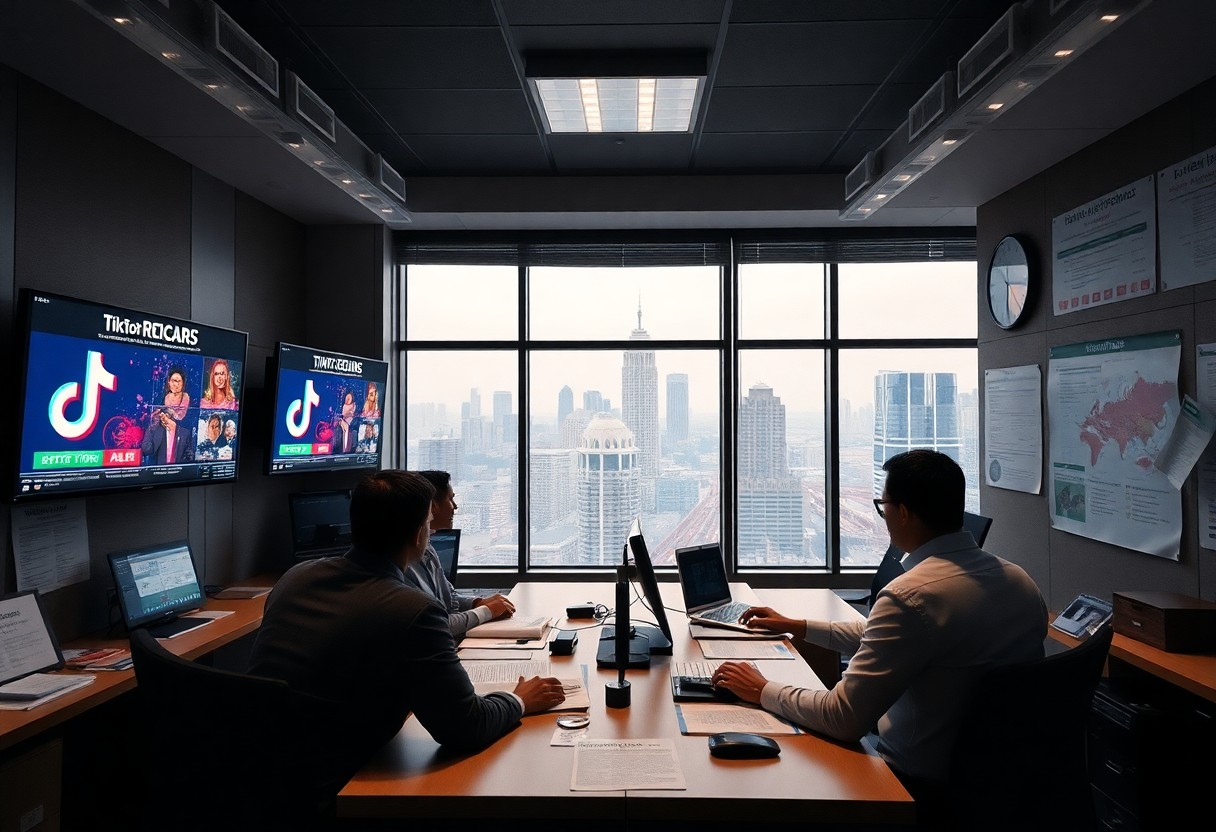
Many regulators are increasingly scrutinizing gambling promotions on social media platforms like TikTok. This post explores the mechanisms and methods employed by regulatory bodies to ensure compliance with advertising standards and protect consumers from misleading or harmful content. As TikTok's popularity rises, understanding how these promotions are monitored becomes important for both users and advertisers navigating the evolving landscape of online gambling.
The Rise of Gambling Promotions on TikTok
TikTok's Unique Platform Dynamics
TikTok's algorithm promotes content based on user engagement, creating a fertile ground for gambling promotions. With over 1 billion active users, short video formats maximize visibility and encourage virality. The platform's design allows for seamless integration of gambling-related content into everyday feeds, often blurring the lines between entertainment and advertisement. This natural fusion leads to increased exposure and user interaction, making gambling promotions appear more organic and less intrusive.
The Appeal of Short-Form Gambling Content
Quick, engaging videos resonate with TikTok's audience, particularly young users who seek fast-paced entertainment. The format allows for creative storytelling around gambling experiences, making it accessible and appealing. This immediacy also works well for promotions, often featuring promotional codes or challenges that incentivize participation.








Short-form gambling content thrives on relatability, with creators showcasing personal wins or gameplay experiences in just 15 to 60 seconds. This brevity keeps viewers engaged, while challenges and trends spur community participation. For instance, user-generated content featuring a casino slot win can amass millions of views, encouraging others to join in. As viewers share these videos, they not only amplify the message but also cultivate a culture that normalizes gambling as part of the TikTok experience, further embedding this content into the platform's ecosystem.
Legal Framework Governing Gambling Promotions
International Regulations Affecting TikTok
Regulatory bodies worldwide are establishing frameworks to oversee gambling promotions on platforms like TikTok. The European Union, for instance, emphasizes consumer protection and responsible gambling, with directives requiring clear advertising practices to prevent misleading content. Countries such as Australia and Canada have introduced specific online gambling laws that necessitate transparency and enforce age restrictions. These international guidelines shape how TikTok handles gambling-related content, mandating compliance with local laws and regulations, thus influencing global perceptions of gambling marketing on social media.
Country-Specific Compliance Standards
Compliance standards vary significantly between countries, affecting how gambling promotions can be displayed on TikTok. In the United States, for example, states such as New Jersey and Pennsylvania have established rigorous regulations where online casinos must adhere to strict advertising standards. The UK Gambling Commission requires that all advertisements be fair, not misleading, and include responsible gambling messages. Such standards ensure that gambling promotions on TikTok are not only compliant but also promote a safe gaming environment.
In the United States, each state's approach to gambling advertising leads to a fragmented regulatory landscape. For instance, while New Jersey mandates extensive disclosures and an emphasis on responsible gambling, other states such as Nevada may have less stringent requirements. This variation ensures that TikTok must navigate a complex web of local rules, adapting its promotional content to align with each jurisdiction's standards. Failure to comply can result in severe penalties, with states empowered to take action against both advertisers and platforms that breach their laws. Such compliance efforts are crucial to maintain credibility and foster responsible gambling practices within the dynamic social media space.
The Role of Regulatory Bodies
Overview of Key Regulatory Organizations
Various regulatory organizations oversee gambling promotions globally, including the UK Gambling Commission, the Malta Gaming Authority, and the New Jersey Division of Gaming Enforcement. These bodies enforce compliance with legal standards and protect consumers. Each organization has specific mandates aimed at ensuring fair practices in gambling advertising, particularly regarding the age and mental well-being of viewers.
Collaboration Between Regulators and Social Media Platforms
Regulators engage with social media platforms like TikTok to enhance oversight of gambling promotions. These collaborations focus on developing guidelines for responsible marketing and ensuring that promotional content adheres to legal requirements. Regular meetings and policy discussions facilitate the sharing of best practices and effective mechanisms for monitoring both content and user engagement.
The cooperation often includes the establishment of reporting systems for inappropriate content, allowing users and regulators to flag misleading promotions quickly. For instance, the UK Gambling Commission has partnered with social media platforms to create awareness campaigns targeting young audiences, ensuring that regulations are actively integrated within the advertising algorithms. This proactive approach aids in addressing potential compliance breaches before they escalate into larger issues concerning consumer protection.
Mechanisms for Monitoring and Enforcement
Tools and Technologies Used for Monitoring
Regulators employ a range of advanced tools and technologies to monitor gambling promotions on TikTok. These include sophisticated AI algorithms that analyze vast amounts of user-generated content to identify potentially non-compliant posts. Additionally, automated tracking systems can flag keywords and hashtags associated with gambling, allowing regulators to quickly locate and scrutinize relevant content. Some platforms also implement machine learning techniques that enhance the accuracy of detection over time, adapting to trends in how promotions are presented by users.
The Process of Flagging and Reviewing Content
The flagging process begins with either automated tools detecting suspicious posts or user reports of non-compliance. Once flagged, content undergoes a thorough review by regulators or designated teams, who assess compliance against established guidelines. Factors considered include the marketing language used, audience targeting, and adherence to age restrictions. This two-tiered approach ensures that both high-risk postings and community safety are prioritized effectively.
After content is flagged, a detailed review process takes place where experts evaluate the promotional material against regulatory standards. This involves cross-referencing marketing claims with official guidelines, assessing the intended audience, and determining if the post exploits vulnerable individuals. In some cases, regulators may collaborate with TikTok to develop better monitoring strategies, ensuring dynamic adaptations to emerging trends. If a violation is confirmed, regulators can take various actions ranging from issuing warnings to enforcing penalties, including account suspension or content removal.
Ethical Considerations in Gambling Promotions
The Impact of Social Media on Vulnerable Audiences
Social media platforms like TikTok have a unique ability to reach diverse demographics, including younger users who may be more susceptible to gambling promotions. The prevalence of short, engaging content can glamorize gambling without adequately addressing the risks involved, potentially leading to increased addiction rates among susceptible individuals. Studies indicate that individuals aged 18-24 are particularly at risk, as they may lack the experience or understanding necessary to navigate these messages critically.
Community Guidelines vs. Legal Requirements
Community guidelines on TikTok and legal requirements for gambling promotions often diverge, creating a complex regulatory landscape. While TikTok mandates content to be age-restricted and prohibits misleading messages about gambling, local laws vary significantly in their enforcement and specific stipulations regarding advertising standards. This inconsistency may create loopholes that some marketers exploit, undermining the protective intentions of both community guidelines and legal regulations.
The juxtaposition of community guidelines with legal requirements reveals a challenge for regulators and marketers alike. TikTok's guidelines aim to foster a safe environment by restricting certain types of content, yet these may not fully align with jurisdiction-specific legal frameworks governing gambling advertisements. For instance, in the United Kingdom, the Gambling Commission imposes strict rules on promotions, while TikTok's policies may not enforce these uniformly across all regions. Consequently, marketers must navigate these inconsistencies, and regulators must adapt to ensure that protections for vulnerable users are effectively implemented across platforms.
The Response of TikTok to Regulatory Pressure
Changes in Content Guidelines and Enforcement
In response to heightened regulatory scrutiny, TikTok has revised its content guidelines to more rigorously define what constitutes acceptable gambling-related content. These changes include stricter requirements for disclaimers, warning labels, and age restrictions on posts that promote gambling. Enforcement mechanisms have been strengthened, with more proactive monitoring of videos and a dedicated team focusing on the review of reported content to ensure compliance with the revised guidelines.
The Evolution of User Reporting Features
User reporting features have been enhanced to empower TikTok users to flag inappropriate gambling promotions more effectively. The new tools allow for easier access to reporting functions, ensuring that users can quickly notify TikTok of content that may violate guidelines. Additionally, TikTok has implemented a feedback system that updates users on the status of their reports, fostering a sense of community involvement in maintaining platform integrity.
The evolution of user reporting features reflects TikTok's commitment to transparency and user engagement. By introducing streamlined reporting processes, users can now easily highlight concerning content, potentially leading to faster responses from the platform. The feedback updates not only reassure users about their submissions but also encourage wider participation in monitoring promotions. Such initiatives underscore TikTok's intention to create a safer environment, particularly regarding sensitive issues like gambling, aligning more closely with regulatory expectations.
Consequences of Non-Compliance
Legal Ramifications for Influencers and Brands
Non-compliance with gambling promotion regulations can lead to serious legal repercussions for both influencers and brands. For influencers, this may include fines, lawsuits, and potential loss of sponsorships or partnerships if they fail to disclose affiliations properly. Brands, on the other hand, could face hefty penalties for irresponsible advertising practices, potentially leading to revoked licenses and a damaged reputation within the industry.
TikTok's Penalties and Restrictions
TikTok imposes strict penalties for accounts that violate gambling promotion guidelines, ranging from temporary suspensions to permanent bans. These measures aim to protect users and ensure compliance with local laws. The platform actively monitors content flagged for inappropriate gambling promotion, often leading to immediate action against offending accounts, which can result in significant loss of audience reach.
TikTok's system for addressing violations includes algorithmic detection and user reporting, helping maintain adherence to advertising rules. In instances of repeated infractions, TikTok may escalate penalties, enforcing stricter limitations on accounts and limiting their ability to share certain types of content. This structure not only serves as a deterrent for non-compliance but also reinforces the platform's commitment to user safety and responsible content management.
Future Trends in Gambling Promotion Regulations
Predictions for Regulatory Developments
As gambling promotion continues to evolve on platforms like TikTok, regulators are likely to adopt more stringent guidelines to address emerging trends. Enhanced transparency requirements for influencers and brands could become mandatory, focusing on clear disclosures regarding partnerships and potential impacts on vulnerable audiences. Additionally, international cooperation among regulatory bodies may enhance standardization, making it easier to tackle cross-border gambling promotion challenges.
The Role of Artificial Intelligence in Monitoring
Artificial intelligence is set to transform how regulators monitor gambling promotions on social media platforms. AI systems can rapidly analyze vast amounts of content, identifying trends, flagged terminology, and potentially problematic posts that require further investigation.
AI-powered tools can monitor user-generated content in real time, enabling regulators to promptly address non-compliance issues. By utilizing machine learning algorithms, these systems can differentiate between compliant content and promotions that may exploit or mislead users. For example, AI can track the frequency of specific keywords related to gambling and assess sentiment analysis to gauge potential influence on vulnerable demographics. Furthermore, AI models can continuously learn from new data sets, enhancing their accuracy over time, thus placing regulators in a stronger position to enforce compliance effectively.
Conclusion
Following this, regulators are increasingly focusing on the monitoring of gambling promotions on TikTok to safeguard consumers, particularly minors. They analyze advertising practices to ensure compliance with existing laws, scrutinizing the platform's algorithms and user engagement metrics. Collaboration with TikTok and other stakeholders plays a key role in establishing guidelines and implementing age-restriction measures, thereby enhancing the transparency and accountability of gambling-related content. As digital advertising evolves, ongoing regulatory adaptation is vital to effectively mitigate potential harms associated with gambling promotions on social media.
FAQ
Q: What measures do regulators take to monitor gambling promotions on TikTok?
A: Regulators implement a range of measures, including collaboration with social media platforms like TikTok to establish advertising guidelines, conducting regular audits of promotional content, and utilizing algorithmic tools to detect non-compliant ads. They also respond to consumer complaints and monitor user feedback to ensure adherence to regulations.
Q: How do regulators ensure that TikTok gambling promotions do not target minors?
A: Regulators enforce age restrictions by requiring platforms to implement robust age verification processes and restrict access to gambling-related content for users under the legal gambling age. Compliance checks and reviews of TikTok's advertising practices are conducted to prevent unauthorized exposure to minors.
Q: What are the consequences of violating gambling promotion regulations on TikTok?
A: Violations can result in severe penalties, including fines, suspension of advertising privileges, and mandatory corrective actions. Regulators may also compel TikTok to remove offending content and require enhanced monitoring to prevent future breaches, ensuring a more responsible advertising environment.

Claire
A highly motivated, results-driven, enthusiastic and ambitious writer. I can offer you well researched and high-quality article writing on any topic for your website or blog and can as well re-write your existing web content.
Related Posts
GGL gambling enforcement raises questions over licence transparency
September 7, 2026

German gambling safeguards face test over cash-funded betting wallets
September 3, 2026

Lotto BW used the World Cup to promote online slots
July 24, 2026