Effective iGaming Marketing Strategies

Effective iGaming Marketing Strategies should be assessed through published evidence, applicable duties and the current framework. For related analysis, read our gambling regulation coverage and consult the Malta Gaming Authority. The legal position depends on the facts and jurisdiction.
Many #businesses in the #iGaming industry face a constant challenge of standing out in a saturated market filled with intense competition. #Marketing in iGaming requires a strategic approach to cut through the noise and reach the right audience effectively. With #regulations tightening and consumer behaviors evolving, understanding the intricacies of iGaming marketing is crucial for success.
The iGaming Landscape
The Evolution of iGaming
To understand the current state of iGaming marketing, we must first grasp the evolution of the industry. Traditional brick-and-mortar casinos have evolved into online platforms, offering a plethora of games and betting options to a global audience. The rise of smartphones and advancements in technology have further revolutionized the landscape, making iGaming accessible anytime, anywhere.










Current Trends in iGaming Marketing
iGaming marketing has adapted to the digital age, utilizing data analytics, personalized targeting, and social media platforms to reach a wide audience. With the growing competitiveness in the market, operators are focusing on enhancing user experience, creating engaging content, and leveraging influencer partnerships to stand out in a crowded space.
As competition continues to intensify, staying ahead of the curve with innovative marketing strategies is crucial for success in the iGaming industry.
Regulatory and Ethical Considerations
A key aspect of iGaming marketing involves navigating the complex web of regulations and ethical considerations in different jurisdictions. From age restrictions and responsible gambling practices to advertising standards and data protection laws, marketers in the iGaming space must adhere to a variety of guidelines to ensure a safe and fair gaming environment.
Compliance with regulatory requirements is not only vital for maintaining a positive reputation but also for building trust with players and stakeholders.
Identifying Your Target Audience
Demographic Analysis
Audience research is crucial in the iGaming industry. Assuming you want to effectively market your games and promotions, understanding your target demographic is key. Conducting a demographic analysis will help you gather data on the age, gender, location, income level, and other defining characteristics of your audience. This information will assist you in tailoring your marketing strategies to better reach and engage with your target customers.
Player Behavior and Preferences
Identifying the behaviors and preferences of your target audience is important in creating personalized marketing campaigns. Analyzing how players interact with your platform, the games they prefer, and their spending habits will provide valuable insights into what resonates with them the most. By understanding their preferences, you can craft targeted promotions and offers that are more likely to capture their attention and drive conversions.
Furthermore, player behavior data can also help you anticipate trends and forecast future preferences, enabling you to stay ahead of the competition in the dynamic iGaming market.
Building Player Personas
Understanding your audience goes beyond demographics and preferences; it involves creating detailed player personas that represent your ideal customers. Player personas are fictional characters that embody the traits, behaviors, and motivations of your target audience segments. By developing these personas, you can humanize your marketing efforts and tailor your messages to resonate with different player segments.
Target personas for different player segments can help in personalizing promotions, content, and communication strategies, ultimately leading to higher engagement and retention rates. These personas serve as a guiding light for your marketing initiatives, helping you connect with players on a deeper level and build long-lasting relationships with your audience.
Crafting Your Message
Brand Identity and Voice
Many iGaming companies overlook the importance of establishing a strong brand identity and voice in their marketing efforts. With so much noise in the industry, it is crucial to stand out and differentiate yourself from competitors. Your brand identity encompasses your values, mission, and the visual elements that represent your company. This is what sets you apart and creates recognition among your target audience. Your brand voice, on the other hand, is the tone and style of communication you use to connect with customers. It should be consistent across all platforms to build trust and loyalty.
The Psychology of Persuasion in iGaming
Message crafting in the iGaming industry involves understanding and leveraging the psychology of persuasion. By tapping into human emotions, needs, and desires, you can create messaging that resonates with your audience and drives action. Whether it's using social proof, scarcity tactics, or storytelling techniques, understanding the power of persuasion can significantly impact the effectiveness of your marketing campaigns.
Understanding the psychological triggers that influence consumer behavior can help you tailor your messages for maximum impact. By using proven persuasion techniques, such as reciprocity, authority, and consensus, you can enhance the effectiveness of your marketing efforts and drive better results.
Message Consistency Across Platforms
With consumers interacting with brands across multiple platforms, maintaining message consistency is crucial. Your brand message should be cohesive and aligned across all channels, including your website, social media, email campaigns, and advertisements. Consistency builds brand recognition and trust, reinforcing your values and promises to customers.
This ensures that your brand is easily recognizable and reinforces key messaging points. It also helps to create a unified brand experience for customers, fostering loyalty and long-term relationships.
Marketing Channels in iGaming
Digital Advertising Strategies
Unlike traditional advertising methods, digital advertising in iGaming requires a deep understanding of the online landscape and target audience behavior. Leveraging pay-per-click (PPC) campaigns, display ads, and sponsored content can be effective strategies to reach potential players. These techniques enable precise targeting based on demographics, location, and online behavior, ultimately driving conversions and increasing brand awareness.
Leveraging Social Media
Advertising on social media platforms such as Facebook, Instagram, and Twitter allows iGaming operators to engage with players in real-time and create a sense of community around their brand. Channels like live streaming, influencer partnerships, and interactive posts can drive user engagement and loyalty. Developing a cohesive social media strategy that aligns with the brand's identity and values can help to foster a loyal following and attract new players.
iGaming operators can also utilize social media as a customer service tool, promptly addressing player queries or concerns to enhance the overall user experience. Leveraging user-generated content and running targeted ad campaigns can further boost engagement and drive traffic to the iGaming platform.
Email Marketing and CRM
For iGaming operators, email marketing remains a powerful tool for nurturing customer relationships and driving conversions. Personalized newsletters, exclusive offers, and tailored promotions can keep players engaged and encourage repeat visits. Implementing a Customer Relationship Management (CRM) system allows operators to segment their player base, send targeted messages, and track the effectiveness of their email campaigns.
Plus, automated email sequences based on player behavior can enhance the player experience and increase retention rates. By analyzing player data and preferences, iGaming operators can deliver relevant content and offers, building long-term relationships with their audience.
Affiliate Marketing and Partnerships
Channels iGaming operators can leverage affiliate marketing programs and partnerships to expand their reach and acquire new players. Collaborating with affiliates and influencers in the iGaming industry can help operators tap into new audiences and drive traffic to their platform. Offering competitive commission rates and providing affiliates with the necessary tools and resources can incentivize them to promote the brand.
Understanding the importance of compliance and transparency in affiliate partnerships is crucial to maintain a positive brand reputation and adhere to regulatory requirements. Strong partnerships built on trust and mutual benefit can lead to sustained growth and success in the competitive iGaming landscape.
Content Marketing and SEO
The Role of Content Marketing
After developing a robust content marketing strategy, iGaming companies can effectively engage with their target audience by providing valuable and relevant information. Content marketing in iGaming serves as a powerful tool to build brand awareness, establish industry expertise, and drive player acquisition and retention. By creating high-quality content that resonates with players, companies can differentiate themselves from competitors and cultivate a loyal following.
SEO Best Practices for iGaming
To enhance their online visibility and organic traffic, iGaming companies need to prioritize Search Engine Optimization (SEO) best practices. One crucial aspect is optimizing keywords to target the right audience and improve search engine rankings. Additionally, mobile optimization, website speed, and high-quality backlinks are key factors that can positively impact an iGaming website's SEO performance.
One fundamental SEO practice for iGaming is to regularly update content with relevant keywords and ensure that meta tags and descriptions are optimized for search engines. This helps improve the website's search engine rankings and drives organic traffic from players seeking iGaming services.
Creating Engaging Content for Players
Understanding player preferences and behavior is vital for creating engaging content in the iGaming industry. By conducting thorough research on player demographics, interests, and trends, companies can tailor their content to meet the needs and expectations of their target audience. Whether it's producing informative articles, entertaining videos, or interactive infographics, iGaming brands can capture players' attention and create a memorable online experience.
The role of engaging content in iGaming goes beyond attracting traffic; it fosters a sense of community and trust among players. By delivering valuable and entertaining content consistently, iGaming companies can build long-lasting relationships with their audience and establish themselves as reputable brands in a competitive market.
Data-Driven Marketing
Analytics and KPIs for iGaming
One of the key components of successful marketing in the iGaming industry is the use of analytics and key performance indicators (KPIs) to track and measure the effectiveness of campaigns. By analyzing data on player behavior, engagement, and acquisition, marketers can gain valuable insights into what strategies are working and where adjustments need to be made. This data-driven approach allows iGaming companies to make informed decisions that drive growth and enhance the overall player experience.
Personalization and Customization Techniques
Data-driven marketing enables iGaming companies to implement personalized and customized marketing techniques to target specific player segments. By leveraging data on player preferences, behaviors, and demographics, marketers can create tailored campaigns that resonate with individual players. Personalization not only increases engagement and loyalty but also boosts conversion rates by delivering relevant offers and promotions to each player.
The Impact of Big Data on Marketing Strategies
To stay competitive in the iGaming industry, companies must harness the power of big data to inform their marketing strategies. By analyzing vast amounts of data from multiple sources, iGaming marketers can uncover trends, patterns, and insights that would otherwise go unnoticed. This data-driven approach enables companies to optimize their marketing efforts, improve player targeting, and drive more personalized and effective campaigns.
Personalization
Implementing data-driven marketing strategies in the iGaming industry not only enhances player engagement and retention but also provides a competitive edge in a crowded marketplace. By leveraging analytics, personalization, and big data, iGaming companies can create targeted, customized campaigns that resonate with players on a personal level.
Innovations in iGaming Marketing
Mobile Marketing Approaches
Not only has mobile usage seen a significant surge in the iGaming industry, but it has also revolutionized how marketers engage with their target audience. Any effective mobile marketing strategy in iGaming must prioritize responsive design, personalized messaging, and seamless user experience. With the majority of players accessing online casinos through their mobile devices, optimizing marketing efforts for mobile platforms is necessary to stay competitive in the market.
Virtual Reality and Augmented Reality Experiences
Virtual reality (VR) and augmented reality (AR) have started to make their mark in the iGaming industry, offering players immersive and interactive experiences like never before. Virtual environments and AR overlays can transport players to virtual casinos, enhancing their engagement and creating a more memorable gaming experience. Incorporating VR and AR technologies into marketing strategies can help iGaming operators differentiate themselves from competitors and attract tech-savvy audiences.
Plus, by leveraging VR and AR experiences in marketing campaigns, iGaming operators can showcase their brand's commitment to innovation and cutting-edge technology, reinforcing their position as industry leaders.
AI and Machine Learning in Marketing
Experiences powered by AI and machine learning are transforming iGaming marketing by enabling personalized customer interactions, predictive analytics, and real-time campaign optimization. These technologies analyze vast amounts of data to identify player preferences, behaviors, and patterns, allowing marketers to tailor their strategies for maximum impact. Machine learning algorithms can optimize ad placements, content recommendations, and communication channels, leading to higher engagement and conversions.
Final Words
To wrap up, navigating the noise in marketing in iGaming requires a strategic approach that integrates data-driven decision-making, creative content development, and leveraging the right channels to reach the target audience. With the ever-evolving landscape of the iGaming industry and the increasing competition, marketers must stay agile and willing to adapt to new trends and technologies to stay ahead of the curve.
By staying informed, understanding the audience, and continuously testing and optimizing campaigns, marketers in the iGaming industry can effectively cut through the noise and deliver impactful and memorable marketing initiatives that drive engagement, conversions, and long-term customer loyalty. It is crucial for iGaming marketers to stay innovative, creative, and data-centric in their approach to succeed in this dynamic and highly competitive industry.
FAQs
What are the key trends in iGaming marketing?
Key trends include data analytics, personalized targeting, social media engagement, influencer partnerships, and innovative technologies like VR and AR.
How important is compliance with regulations in iGaming marketing?
Compliance is crucial for maintaining a positive reputation, building trust with players, and ensuring a safe and fair gaming environment.
Why is understanding player behavior important in iGaming marketing?
Understanding player behavior helps create personalized marketing campaigns, anticipate trends, and craft targeted promotions that drive engagement and conversions.
How can iGaming companies leverage social media for marketing?
Companies can use social media for real-time engagement, community building, live streaming, influencer partnerships, and customer service to enhance user experience and loyalty.
What role does content marketing play in iGaming?
Content marketing helps build brand awareness, establish industry expertise, and engage players by providing valuable and relevant information, fostering loyalty, and driving traffic.

Michael Schmitt
Michael Schmitt is the founder of TRIDER.UK and Editor of Malta Media. He writes about iGaming, gambling regulation, corporate structures, financial services and market integrity, combining investigative journalism with nearly three decades of experience in corporate services and international business.
Related Posts


Brazil blocks 506 betting websites as authorities expand online enforcement
September 28, 2026
Vyking integrates Xtremepush CRM tools for global iGaming operators
September 23, 2026
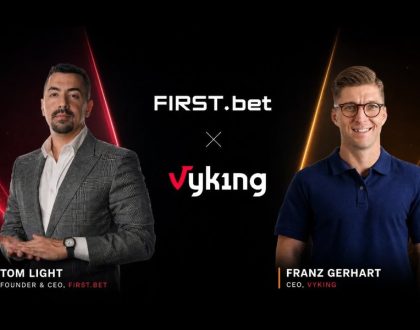
Vyking builds its own sportsbook on FIRST.bet’s SportOS
September 21, 2026
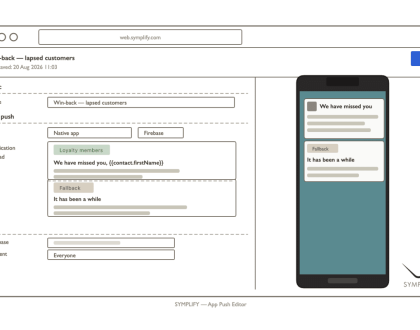
Symplify launches redesigned App Push editor for smoother CRM workflows
September 2, 2026

Estonia reviews gambling tax cut ahead of 2027 state budget
August 28, 2026