






Romania updates gambling winnings tax with new three-tier system
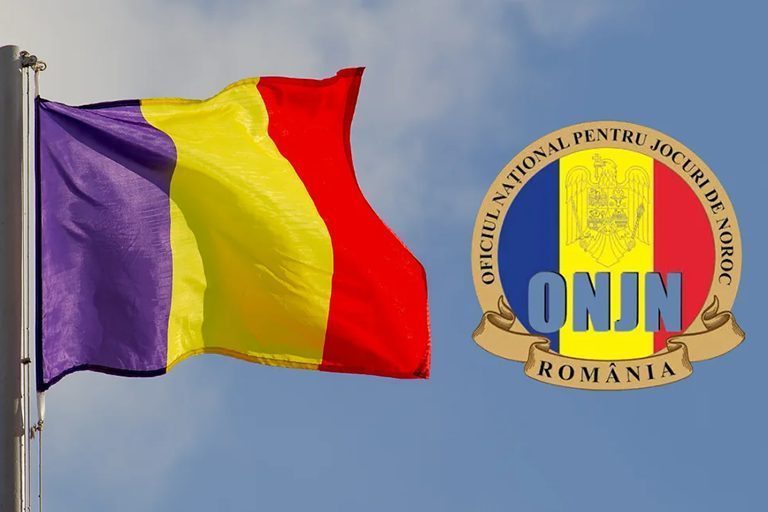
Romania has introduced a new taxation framework for gambling winnings, marking another significant step in the government's broader fiscal reform programme. The revised tax system came into force on 1 August 2026 and forms part of Prime Minister Ilie Bolojan's strategy to reduce Romania's budget deficit while increasing public revenue.
The changes affect players across all licensed gambling sectors, including online gambling, land-based casinos, betting shops and lottery products. At the same time, the reforms arrive during a period of heightened scrutiny of Romania's gambling regulator, which continues to face corruption investigations involving senior officials.
Romania introduces higher taxes on gambling winnings
Romania's new withholding tax system increases the amount deducted from gambling winnings across every tax bracket. The government says the changes are designed to strengthen public finances and help the country meet fiscal commitments agreed with the European Union.







Romania currently faces one of the highest budget deficits in the European Union. According to government figures, the deficit stands at approximately 7% of gross domestic product, exceeding the limits expected under European Commission fiscal rules. The latest tax measures form part of a wider package intended to reduce public spending gaps and improve tax collection.
Under the revised structure, taxes are deducted directly from player winnings before payouts are made.
The new system applies three separate tax bands based on the total value of each winning.
New gambling tax brackets
For winnings up to RON10,000, players now pay a 4% withholding tax, compared with the previous rate of 3%.
For winnings between RON10,001 and RON66,750, taxation consists of a fixed RON400 plus 20% of the amount exceeding RON10,000.
For winnings above RON66,750, the tax becomes significantly higher. Players pay RON11,750 plus 40% of the amount exceeding RON66,750.
The revised framework increases government revenue from larger prizes while also slightly raising taxation on smaller gambling payouts.
Gambling reform remains a priority for Prime Minister Ilie Bolojan
The revised taxation system is only one part of a broader programme of gambling reform introduced by Prime Minister Ilie Bolojan.
Since taking office following Romania's 2025 elections alongside President Nicușor Dan, Bolojan has prioritised fiscal reform alongside regulatory changes affecting the gambling sector.
His government has simultaneously introduced higher value added tax rates, increased excise duties and stricter financial measures intended to improve the country's public finances.
The governing coalition includes the Social Democratic Party (PSD), the National Liberal Party (PNL), the Save Romania Union (USR) and the Democratic Alliance of Hungarians in Romania (UDMR). Although coalition members broadly support reform, they have promoted different approaches to gambling regulation.
The USR has repeatedly argued that Romania's gambling oversight requires structural reform. The party has called for changes to the responsibilities of the National Office for Gambling following concerns raised during previous state audits.
Meanwhile, PSD has focused on consumer protection measures. One proposal supported by PSD would increase the minimum legal gambling age from 18 to 21. Although widely discussed, the proposal has not yet been approved by the Romanian Parliament.
ONJN continues to face corruption investigations
The introduction of the new gambling winnings tax system coincides with continuing legal investigations involving Romania's gambling regulator, the National Office for Gambling (ONJN).
Romanian anti-corruption prosecutors recently accused ONJN Deputy Director General Ana-Maria Badea of accepting bribes in exchange for accelerating approvals relating to gambling products and regulatory authorisations.
According to prosecutors, the alleged offences involved repeated acts of corruption within the regulator. Investigators claim Badea accepted approximately €2,500 to speed up authorisation procedures.
The National Anticorruption Directorate (DNA) has requested a court order for a 30-day preventive detention while investigations continue. Romanian authorities have also placed Badea's husband and several ONJN inspectors under judicial supervision as part of the expanding inquiry.
At this stage, the allegations remain subject to ongoing judicial proceedings and no final court judgment has been issued.
Previous investigations have increased pressure on the regulator
The latest investigation follows earlier legal proceedings involving former ONJN President Odeta Nestor.
Romanian prosecutors previously accused Nestor of involvement in arranging a €100,000 bribe connected to alleged money laundering violations. Following her arrest in June 2026, she was placed under house arrest pending legal proceedings.
Nestor later served as president of the Association of Remote Gambling Operators (ARGO) after leaving the regulator.
The separate investigations have intensified public scrutiny of ONJN and its regulatory practices.
Current ONJN President Vlad-Cristian Soare has publicly acknowledged that several employees working within the regulator's control and authorisation departments are currently under criminal investigation.
As with the other ongoing cases, all allegations remain before the Romanian judicial system.
Earlier audit exposed major tax collection failures
The regulator had already faced criticism before the recent corruption investigations.
A government audit completed during 2025 concluded that almost €1 billion in gambling tax revenue had not been properly collected over previous years. The findings prompted widespread criticism of ONJN's oversight processes and ultimately led to the resignation of the regulator's former leadership.
The audit raised broader questions about tax enforcement, licensing supervision and regulatory compliance throughout Romania's gambling market.
Those concerns have since strengthened political calls for reforms aimed at improving transparency, accountability and financial oversight.
Industry impact of the new taxation rules
The revised gambling winnings tax structure primarily affects players rather than licensed gambling operators, since taxes continue to be withheld before payouts are issued.
Nevertheless, the higher tax burden may influence player behaviour, particularly among customers who regularly participate in higher-value betting or casino games.
Licensed operators will also need to ensure their payment systems and tax reporting procedures fully comply with the updated withholding requirements introduced under Romanian law.
For regulators, the new framework represents another effort to improve tax collection while reinforcing confidence in public finances during a period of economic pressure.
Whether the higher rates generate the expected increase in government revenue will likely become clearer as the reforms are implemented over the coming months.
Conclusion
Romania's introduction of a higher three-tier tax framework for gambling winnings represents one of the country's most significant gambling-related fiscal changes in recent years. The measures reflect the government's determination to reduce the national budget deficit while strengthening tax collection across regulated gambling activities.
However, the reforms arrive during a difficult period for the National Office for Gambling, which continues to face multiple corruption investigations and increased political scrutiny. As legal proceedings continue and wider gambling reforms remain under discussion, Romania's regulatory landscape is expected to evolve further, making the coming months particularly important for both licensed operators and players.
FAQs
What changed in Romania's gambling tax system?
Romania introduced a new three-tier withholding tax system for gambling winnings that took effect on 1 August 2026, increasing tax rates across all payout levels.
When did the new gambling tax rules become effective?
The revised taxation framework came into force on 1 August 2026.
Who pays the gambling winnings tax?
The tax applies to players receiving gambling winnings, with licensed operators generally withholding the required tax before paying prizes.
What is the tax rate for winnings up to RON10,000?
Winnings up to RON10,000 are now taxed at 4%, replacing the previous 3% rate.
How are larger gambling prizes taxed?
Higher prize amounts are taxed using fixed amounts plus percentage-based calculations that increase with the value of the winnings.
Why did Romania introduce higher gambling taxes?
The government introduced the measures as part of broader fiscal reforms intended to reduce the country's budget deficit and improve public revenue.
Who leads Romania's current gambling reform programme?
Prime Minister Ilie Bolojan has made gambling reform part of his wider fiscal and regulatory agenda.
What is ONJN?
The National Office for Gambling (ONJN) is Romania's official gambling regulator responsible for licensing and supervising the regulated gambling market.
Are corruption investigations affecting the regulator?
Yes. Romanian prosecutors are investigating several current and former ONJN officials. The allegations remain subject to ongoing judicial proceedings.
Will the new tax rules affect gambling operators?
Licensed operators must comply with the updated withholding requirements and ensure their payment and reporting systems reflect the revised taxation rules.

Lisa
Welcome. I am an experienced writer and I am ready to help you with all forms of writing needs you require. Education B.A. - linguistics, University of Wisconsin-Whitewater, United States, Graduated 2006.
Related Posts

Germany regulates gambling while trading apps imitate it
July 31, 2026