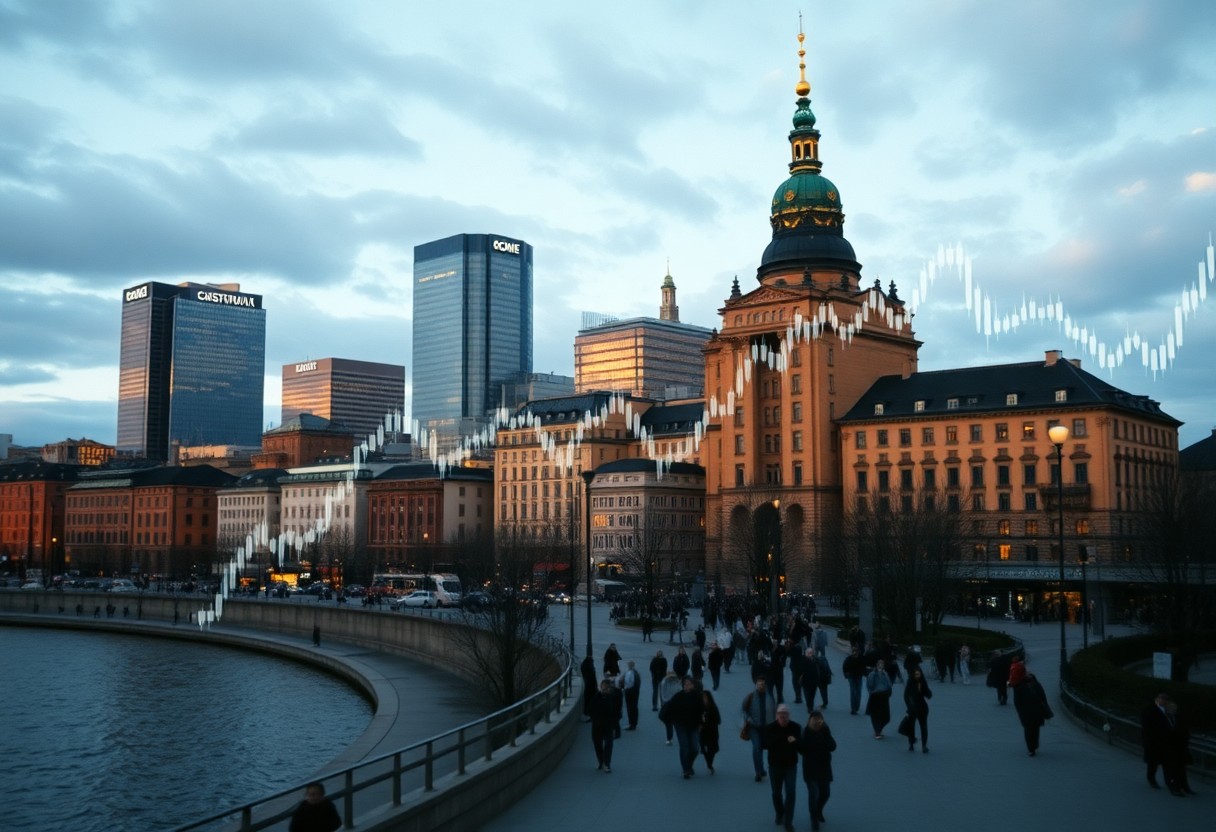
Sweden’s Role as a Hub for Global Financial Transactions
Regulatory note: Sweden’s role in global financial transactions is shaped by banking, payments, AML/CFT, sanctions, data and EU rules. This article is general analysis, not financial or legal advice.
Consult Finansinspektionen and the Sveriges Riksbank. Our Swedish fintech analysis provides related context.
Sweden and global financial transactions
The central issues are payment resilience, supervision, financial crime controls, data and cross-border reporting.










Sweden stands out in the financial landscape, known for its innovative payment systems and strong regulatory framework. As you explore Sweden's position as a key player in global financial transactions, you'll notice how its advanced infrastructure and commitment to transparency attract international investors and businesses alike. This blog post aims to provide you with insights into the factors contributing to Sweden's prominence, the benefits it offers, and the challenges it faces in the evolving world of finance.
Historical Context
Before you can fully understand Sweden's role in global financial transactions today, it's vital to explore the historical context that has shaped its financial sector into what it is now. Sweden's banking and financial systems have undergone significant transformations, which have, in turn, influenced its ability to serve as a hub for international finance. This evolution is rooted in various historical milestones that laid the groundwork for a modern, competitive financial landscape.
Evolution of Sweden’s Financial Sector
Among the various phases of development, Sweden's financial sector emerged in the late 17th century, establishing the first bank, Stockholms Banco, in 1668. The evolution continued throughout the 19th century, when the nation saw the introduction of numerous commercial banks and a growing interest in stock trading, driven by industrialization and economic expansion. By the 20th century, the financial sector had expanded considerably, integrating further with global markets, thus laying the groundwork for a robust system of international transactions.
The 1990s brought significant change, marked by financial liberalization that eased regulations and ushered in a wave of modernization. This modernization included advancements in technology and digital banking, all contributing to Sweden's position as a forerunner in FinTech and digital transaction solutions. Today, these historical developments and milestones serve as pillars that support Sweden's current standing as a global financial hub.
Key Economic Policies Influencing Financial Growth
Evolution of financial policies has played a vital role in shaping Sweden’s economic landscape. Policies aimed at stabilizing the economy, such as the transition to a market-oriented system and enhanced regulatory frameworks, have fostered an environment conducive to financial growth. These measures have positioned Sweden favorably in the context of international financial transactions, enabling your businesses and institutions to participate seamlessly in the global economy.
Indeed, Sweden's adoption of policies focused on innovation and competitiveness has been instrumental in driving the growth of its financial sector. As the country embraced globalization and technological advancement, it implemented measures that attracted foreign investments and streamlined cross-border transactions. The focus on open markets has made Sweden an attractive destination for international financial players, reinforcing your position in the global arena.
Development of Regulatory Framework
The regulatory framework surrounding Sweden's financial sector has undergone constant evolution to adapt to the changing landscape of global finance. The establishment of the Financial Supervisory Authority (Finansinspektionen) in 1991 exemplifies Sweden's commitment to maintaining a stable, secure financial environment through effective regulation and oversight. This organization plays a crucial role in ensuring that financial institutions operate within the bounds of established laws while protecting consumers and investors alike.
Development of responsive, adaptive regulation helped to build trust and transparency in Sweden's financial system. As you navigate through your financial transactions and engagements within this system, you can appreciate the safeguards in place that ensure a sound banking environment. The regulatory rigor not only increases confidence among local institutions but also extends across borders, making Sweden a preferred location for international finance and investment.
Geographic and Economic Advantages
Clearly, Sweden presents an appealing case for businesses and financial institutions seeking a stable and efficient environment for global financial transactions. The country’s geographic and economic advantages position it as an important player in the international financial landscape.
Strategic Location within Europe
Along with its modern infrastructure and forward-thinking regulations, Sweden's geographical position in Northern Europe allows it to be a convenient gateway between continental Europe and other global markets. Located close to major economic hubs such as Germany, Denmark, and Norway, you will find that Sweden offers seamless access to a network of trade routes and markets.
This strategic location becomes even more beneficial considering the proximity to emerging markets in the Baltic region. The ease of movement for goods, capital, and personnel means that your business can efficiently engage in cross-border transactions, enhancing operational effectiveness.
Stability and Economic Indicators
An vital aspect that attracts global financial transactions to Sweden is the country’s economic stability. You may find that its strong economic indicators, such as a high GDP per capita and low unemployment rates, provide a backdrop of reliability and confidence for businesses looking to invest or operate in the region.
Consequently, the Swedish economy is characterized by a robust banking system, sound fiscal policies, and transparent regulations. Such stability not only encourages foreign direct investment but also reassures you that your financial transactions and investments are safeguarded in a reliable market.
Infrastructure for Financial Operations
About Sweden’s infrastructure, you will notice a well-developed network that supports financial operations. The country is equipped with advanced technology platforms, ensuring that transactions can be executed swiftly and safely. Furthermore, the presence of numerous fintech companies highlights Sweden's commitment to innovation in the financial sector, providing you with a range of services tailored to your operational needs.
Advantages of this infrastructure extend beyond just traditional finance. You benefit from an extensive range of digital financial services that cater to your requirements, from e-commerce solutions to blockchain technology. The integration of these services allows you to leverage Sweden's modern financial ecosystem effectively.
Financial Institutions and Stakeholders
Your understanding of Sweden’s role as a hub for global financial transactions is incomplete without recognizing the influence of its financial institutions and various stakeholders. The landscape is dotted with major banks, investment firms, asset management companies, and regulatory bodies that collectively shape the country’s financial dynamics. Each entity plays a unique role, contributing to Sweden's robust financial ecosystem and facilitating international transactions with efficiency and security.
Major Banks and Their Roles
By exploring the major banks in Sweden, you will find that they serve as the backbone of the country’s financial system. Banks like Swedbank, SEB, and Nordea not only provide traditional banking services but also engage in international trade finance, investment banking, and wealth management. These institutions offer a variety of services that cater to both individuals and corporations, making them integral to the functioning of the global financial market.
By driving innovation in digital banking and payments, these major banks contribute significantly to Sweden's reputation as a leader in fintech. Their commitment to enhancing online and mobile banking services aligns with global trends, making Sweden an appealing destination for international investors looking for efficient and advanced financial infrastructures.
Investment Firms and Asset Management
After examining the banking sector, turning your attention to investment firms and asset management companies reveals another layer of Sweden’s financial prowess. In Sweden, these entities are crucial for channeling investments into various domestic and global projects. They provide crucial services such as portfolio management, wealth planning, and strategic investment advice to both individuals and institutions, thereby facilitating capital flows and enhancing economic growth.
After all, the presence of firms like Alecta, AMF, and Folksam within Sweden underscores the nation’s commitment to securing wealth for its citizens while also playing an influential role in global investments. These firms leverage local knowledge and global networks to navigate complex investment landscapes, ensuring that Swedish capital is effectively deployed to yield favorable returns.
Regulatory Bodies and Their Impact
Major regulatory bodies, such as the Swedish Financial Supervisory Authority (Finansinspektionen), have substantial sway over financial transactions in Sweden. You should consider how these authorities implement regulations that govern the banking sector, investment firms, and asset management companies, ensuring that financial practices are transparent, sound, and in alignment with international standards. Their rigorous oversight fosters a stable financial environment that instills confidence among investors and stakeholders alike.
Regulatory frameworks provide a safety net for investors while promoting fair competition among financial institutions. Compliance with these regulations not only enhances Sweden's attractiveness as a financial hub but also contributes to the country's reputation for integrity in financial dealings, crucial for attracting global participants to its market.
Technological Innovations in Finance
Keep in mind that technology is rapidly transforming the financial landscape. Sweden has positioned itself as a frontrunner in these changes, becoming a significant hub for technological innovations that are modifying how financial transactions are conducted. From the rise of fintech companies to advanced solutions in digital payments, understanding these innovations will give you insight into Sweden's evolving role in global finance.
Rise of FinTech in Sweden
An impressive feature of Sweden's financial ecosystem is the emergence of fintech companies that are reshaping traditional banking and financial services. These innovative startups leverage technology to offer a variety of services ranging from payment solutions to investment platforms, often with greater efficiency than established institutions. This wave of fintech not only enhances customer experiences but also drives competition, propelling the financial sector toward more innovative practices.
As you explore the landscape of Swedish fintech, you will find an array of successful ventures that have gained international recognition. Companies such as Klarna and iZettle are excellent examples, having transformed the way people manage their finances with user-friendly interfaces and seamless transaction processes. The favorable regulatory environment in Sweden allows these startups to thrive, thus contributing to the country's reputation as a global fintech hub.
Digital Transactions and Blockchain Technology
Any conversation about technological innovations in finance would be incomplete without mentioning digital transactions and blockchain technology. Sweden leads the charge in adopting digital payment methods that enable quick, transparent, and secure transactions. This shift towards digitalization is not just about convenience; it opens doors for more extensive financial inclusion, allowing various demographics to engage with financial services that were previously inaccessible.
Furthermore, blockchain technology offers a revolutionary approach to recording and verifying transactions. In Sweden, efforts are underway to explore the potential of blockchain in land registry and other vital sectors, demonstrating the commitment to improving efficiency and transparency within financial operations. You will find that blockchain’s decentralized nature inherently reduces fraud risk while increasing trust among users in various transactions.
Cybersecurity Measures in Financial Transactions
Transactions in the financial sector are constantly under threat from cybercrime, making robust cybersecurity measures paramount. Sweden places great emphasis on safeguarding digital transactions, implementing multi-layered security frameworks to protect sensitive financial information. By using advanced encryption protocols and authentication mechanisms, Swedish financial institutions aim to create a secure environment for your transactions.
The continuous development of cybersecurity technologies ensures that your financial transactions are not only efficient but also secure. As a participant in the financial market, understanding the technologies in place to protect your data will enhance your confidence when engaging in digital financial services. Sweden's proactive approach to cybersecurity serves as a model for other nations looking to bolster their own defenses in the ever-evolving digital landscape.
Cybersecurity is not just a technical element in financial transactions; it is fundamentally about trust. Swedish financial institutions prioritize your safety by investing in cutting-edge technologies and staying ahead of potential threats. This commitment to security not only protects your information but also fortifies Sweden's position as a reputable hub for global financial transactions.
Global Trade Relations
Now, you should understand that Sweden's geographical position and strong reputation for stability have made it a pivotal player in global trade. The country has fostered extensive relationships with numerous nations, creating a dynamic export economy that heavily influences its role in international financial transactions. Sweden's involvement in various international trade agreements further solidifies its status as a global trading hub, enabling businesses to navigate the complexities of cross-border commerce seamlessly.
Bilateral Trade Agreements and Their Effects
One of the main advantages of Sweden's economic strategy is its focus on establishing bilateral trade agreements. These agreements allow for the reduction or elimination of trade barriers, which in turn can lead to increased export opportunities for Swedish goods and services. By engaging in these partnerships, Swedish companies can access new markets more easily, driving growth and fostering innovation while also benefiting their counterparts by providing high-quality products associated with the Swedish brand.
Additionally, these agreements create a framework for cooperation in other economic areas, such as investment and technology transfer. As Sweden continues to establish and strengthen these relationships, the positive effects ripple through the economy, fostering an environment where businesses can thrive and compete on a global scale. This proactive approach enables Sweden to maintain its position as a leading player in the global financial landscape.
Sweden’s Role in European Trade Networks
Above all, Sweden plays a significant role in European trade networks, positioning itself as one of the key participants in the EU single market. This integration allows for the free flow of goods, services, labor, and capital between member states, facilitating smoother trade relations and enhancing economic stability. You can see the benefits of this in Sweden's robust export economy, which has consistently showcased the country's ability to adapt to market demands and respond effectively to global economic trends.
Considering Sweden's commitment to sustainability and innovation, its participation in European trade networks has also led to the emergence of high-value industries, particularly in technology and renewable energy sectors. These industries not only attract foreign investment but also establish Sweden as a thought leader in addressing pressing global challenges. You can observe how this strategic positioning fosters collaboration and enhances Sweden's reputation as a viable partner in trade and investment across Europe.
Trade and Financial Partnerships with Global Markets
Global initiatives undertaken by Sweden to forge trade and financial partnerships with markets around the world demonstrate the nation’s commitment to establishing a diverse and resilient economic foundation. By collaborating with various countries, Sweden can engage in meaningful trade discussions that lead to mutually beneficial agreements. These partnerships strengthen your access to vital resources and open up new opportunities for investment and innovation.
Furthermore, such partnerships are instrumental in enhancing Sweden's attractiveness as an investment destination. As global companies look to leverage Sweden's advanced infrastructure and innovative industries, you can expect to see continued growth in financial exchanges, ultimately solidifying the country's status in the world economic arena. With a focus on building strong international relationships, Sweden positions itself as a partner of choice for businesses and investors alike.
Also, as you explore into Sweden's trade and financial partnerships, it's beneficial to highlight the balance the country maintains between robust economic growth and sustainable practices. This approach not only attracts ethical investors but also aligns with global trends prioritizing corporate responsibility. By concentrating on sustainable growth, Sweden enhances its appeal to a broader audience, ultimately fueling its economy while contributing positively to global efforts in combating climate change.
Foreign Direct Investment (FDI)
Unlike many other countries, Sweden presents a unique landscape for Foreign Direct Investment (FDI), driven by political stability, an innovative business environment, and a strong commitment to sustainability. This Scandinavian nation has successfully positioned itself as a global player in various sectors, including technology, manufacturing, and services. Investors from around the world are increasingly attracted to Sweden for its robust economic fundamentals and the potential for high returns in a diversifying market.
Attractiveness of Sweden for Investors
With its open economy and skilled workforce, Sweden has cultivated an environment that is conducive to both domestic and international investment. The country consistently ranks high on various indices measuring economic freedom, transparency, and ease of doing business. You will find that Sweden's emphasis on innovation, exemplified by its extensive research and development investments, further entices investors looking for growth opportunities.
Incentives and Support for FDI
Foreign investors can benefit from a variety of incentives and support mechanisms in Sweden designed to promote FDI. These include tax exemptions, grants, and favorable loan conditions that can significantly reduce the financial burden on your investment decisions. The Swedish government actively collaborates with regional investment promotion agencies to create an efficient framework that supports foreign enterprises in navigating the local market.
Sweden’s commitment to fostering a welcoming business climate is evident through its flexible regulations and transparent processes. Institutions such as Invest Sweden provide valuable resources and guidance to help you assess market opportunities and connect with local partners. This support system is tailored to ensure that you can navigate any hurdles efficiently and effectively when entering the Swedish market.
Trends and Patterns in Foreign Investments
Between 2010 and 2023, Sweden has experienced a notable influx of Foreign Direct Investment, with particular interest in the tech and clean energy sectors. The country’s transformative approach to sustainability has attracted significant investment from multinational corporations seeking to enhance their environmental footprint. Additionally, Sweden's strong export orientation and established infrastructure further bolster its appeal to foreign investors looking to establish a presence in Europe.
Even as global economic conditions fluctuate, Sweden remains resilient, attracting investments from both established economies and emerging markets. Your awareness of these trends can be instrumental in identifying the right investment strategies and opportunities aligned with evolving market demands in the Swedish context.
Taxation and Regulatory Environment
To fully understand Sweden’s position as a hub for global financial transactions, it is necessary to analyze its taxation and regulatory frameworks. These elements significantly influence the decision-making process of multinational corporations and financial institutions contemplating entry into the Swedish market. You will find that the country’s approach promotes sustainability, efficiency, and fairness within the financial landscape, making it an attractive destination for firms seeking an optimal business environment.
Overview of Sweden’s Tax System
On a high level, Sweden maintains a progressive taxation system that features robust corporate tax rates, personal income tax brackets, and value-added tax (VAT). Corporate taxation is relatively competitive when compared internationally, standing at 20.6%, which incentivizes businesses to establish or maintain operations within the country. Additionally, the personal income tax system ensures that high earners contribute proportionately more, helping to fund public services. You may find that overall, this structure is geared towards promoting economic stability while generating revenue for social welfare initiatives.
On another note, Sweden’s value-added tax system is prevalent in financial services, albeit with some exemptions in specific sectors. This dual approach to taxation signifies a concerted effort to balance corporate attractiveness with social responsibility. Ultimately, when evaluating Sweden’s tax system, you come across a nuanced landscape that seeks to foster domestic growth while being adequately aligned with international norms.
Regulation of Financial Markets
The regulation of Sweden’s financial markets is instituted by the Financial Supervisory Authority (Finansinspektionen), which operates with the aim of maintaining a stable and secure financial system. The authority ensures that all financial institutions adhere to strict standards that protect consumers and the economy. You can expect a high level of oversight, ensuring transparency and compliance among financial entities, which in turn safeguards public trust in the system.
Environment is a key factor in the regulatory approach, as it aims to create a framework where innovation can flourish without compromising stability and security. You’ll find that Swedish regulations support diverse areas such as fintech, providing room for growth while emphasizing due diligence and responsible business practices. Overall, the regulatory landscape encourages the continuous evolution of financial services, making Sweden a highly competitive player in the global arena.
Impact of Compliance and Transparency Standards
Against the backdrop of an increasingly interconnected global economy, the standards for compliance and transparency in Sweden are designed to uphold high ethical practices within financial transactions. As part of the European Union, Sweden adheres to stringent regulations governing anti-money laundering (AML), know-your-customer (KYC), and other measures retaining integrity within the financial system. For you, this translates into a business climate where ethical standards are not only expected but monitored closely by authorities.
Moreover, the Swedish commitment to transparency has garnered respect in international circles, making it easier for firms to engage in cross-border transactions. By maintaining these rigorous compliance standards, Sweden positions itself as a reliable and accountable hub for financial activities. You’ll find that such a robust framework not only attracts foreign investments but also enhances the reputation of local firms on a global scale.
Regulatory adherence in Sweden further emphasizes the importance of open communication and thorough reporting, creating an ecosystem where trust and accountability are foundational. You can feel assured knowing that companies operating within this framework benefit from a reputation of reliability, which is invaluable in attracting both clients and investors in a fast-paced global market.
Cultural Factors Influencing Financial Operations
For anyone engaging with the financial landscape in Sweden, it’s vital to recognize the cultural forces that shape its operations. Sweden’s distinct societal traits create an environment conducive to transparent and efficient financial transactions. Here are some cultural factors you should consider:
- Lagom and its balanced approach
- Trust and credibility embedded in business practices
- A strong commitment to gender equality
The Role of “Lagom” in Business Practices
For you to understand how the concept of “lagom” influences Swedish business, it’s important to recognize that this unique cultural principle advocates for moderation and balance in all aspects of life, including financial operations. A “lagom” approach to business encourages companies to maintain stability and sustainability, avoiding extremes in both risk-taking and conservatism. This philosophy is reflected in Sweden's regulatory frameworks and corporate governance, which emphasize ethical conduct and long-term growth over short-term gains.
For your dealings in Sweden, embracing “lagom” can be beneficial. Businesses tend to favor equitable dealings and constructive partnerships, creating a cooperative atmosphere instead of a highly competitive one. By adhering to this mindset, you may find that interactions with Swedish financial institutions and partners are marked by a sense of shared responsibility and mutual benefit.
Trust and Credibility in Swedish Financial Culture
Influencing financial operations in Sweden is a deep-rooted cultural emphasis on trust and credibility. This intrinsic value shapes how businesses conduct themselves and how financial relationships are formed. You will find that Swedish firms often prioritize transparency and integrity, which fosters confidence among stakeholders and clients. Every transaction carries the weight of trust, allowing for smoother negotiations and long-lasting partnerships.
The role of trust in the Swedish financial culture cannot be overstated; it lays the groundwork for effective collaboration, mitigates transactional risks, and drives a stable financial climate. Within this environment, you can expect that adherence to ethical standards isn’t just preferred but expected.
Gender Equality and Its Economic Implications
At every level of Swedish society, gender equality is not merely an ideal but a practiced norm that significantly shapes economic dynamics. This commitment reflects in the inclusive policies adopted by many financial institutions, where diverse leadership fosters innovation and comprehensive decision-making. You should take note that a diverse workplace can contribute to better financial performance and productivity, allowing companies to thrive in highly competitive markets.
At the heart of Sweden’s gender-equal environment is a belief that both men and women can equally contribute to financial operations. This philosophy leads to a more balanced distribution of resources and wealth, increasing overall economic stability and growth. In your considerations of Sweden as a financial hub, it’s important to factor in how gender equality enhances both operational efficiency and corporate responsibility.
Practices that promote gender equality not only enrich workplace culture but also attract global talent. By fostering an inclusive environment, you will find that Swedish companies can adapt more readily to changes in the global financial market, ultimately leading to superior innovation and agility.
Comparative Analysis with Other Financial Hubs
Many will find it insightful to compare Sweden’s financial landscape with other established global financial hubs. The table below presents key aspects of Sweden's financial environment in relation to other leading centers, giving you a clearer picture of its positioning and competitiveness.
| Aspect | Sweden |
|---|---|
| Regulatory Environment | Flexible yet robust regulations that favor innovation. |
| Digital Infrastructure | Advanced digital payment solutions and fintech ecosystem. |
| Workforce | Highly educated and multilingual workforce. |
| Taxation | Competitive corporate tax rates with transparency. |
Sweden vs. The United Kingdom
At first glance, you might consider the United Kingdom, particularly London, as a dominant player in the global financial sector. London serves as a historical financial capital with its large concentration of banks, asset managers, and international corporations. However, Sweden offers a distinctly agile regulatory environment that promotes innovation within its fintech space, making it an attractive destination for start-ups and established companies alike.
Furthermore, Sweden benefits from a strong digital infrastructure, allowing for seamless financial transactions and services that may outpace older systems prevalent in the UK. You may find that while London offers unparalleled access to capital, Sweden’s focus on sustainability and technology positions it as a pioneer in emerging financial trends.
Sweden vs. The United States
With your attention shifting to the United States, it's important to acknowledge the vast scale and diversity of its financial markets. Wall Street remains a significant global player, with unparalleled access to both domestic and international capital. However, the regulatory environment can often be more complex, which could present challenges for new entrants. Sweden, in contrast, boasts a more streamlined process that encourages innovation and adaptability.
Additionally, while the U.S. financial hubs benefit from extensive networking opportunities and market liquidity, Sweden leverages its emphasis on sustainability and technological advancement in finance, attracting companies that align with socially responsible practices. This dichotomy can impact your choices regarding where to establish or grow your financial operations.
Financial services in the United States are characterized by a high level of competition and specialization, drawing in talent and investment globally. This means that while Sweden’s focus is on a more sustainable approach to finance, the vast resources and infrastructure available in the U.S. can be enticing for those seeking brute force and market penetration.
Sweden vs. Singapore
United in their commitment to the financial sector, Sweden and Singapore present unique but comparable advantages. Singapore stands out as a gateway to the Asian markets, offering an impressive infrastructure and a regulatory framework designed to attract international firms. By contrast, Sweden is recognized for its innovation and strong digital banking solutions, positioning itself as a leading force in Europe.
While Singapore emphasizes low tax rates and a robust framework for international business, you might find that Sweden has been embraced for its commitment to quality of life and sustainability in finance, potentially appealing to companies with similar values. Both hubs serve as appealing destinations for your financial transactions, yet they cater to different client bases and market dynamics.
To sum it up, if you are considering entering Asian markets, Singapore’s strong foothold and strategic location may be more beneficial. Conversely, if your interests lie in European innovation, Sweden’s modern approach, enhanced by its sustainability focus, creates a compelling case for establishing operations in this Nordic nation.
Challenges and Risks
Once again, while Sweden stands out as a potential hub for global financial transactions, it is important to recognize the challenges and risks that accompany this position. The dynamic nature of the global economy imposes several vulnerabilities that can impact Sweden's financial stability and attractiveness to investors and businesses alike. Understanding these risks allows you to better navigate the complexities associated with financial dealings in this region.
Economic Vulnerabilities and Market Fluctuations
With the global economy constantly evolving, Sweden faces economic vulnerabilities that can affect its financial marketplace. Factors such as shifts in foreign investment, currency fluctuations, and varying interest rates can significantly influence market stability. As an investor or business operator, you must pay attention to these fluctuations. They not only impact your investments but can also dictate the overall trust in Sweden's financial environment as a reliable hub.
Moreover, Sweden's reliance on international trade makes it susceptible to global market changes. Even minor perturbations in the economies of significant trading partners can create ripple effects that influence your financial transactions and strategies. It's important for you to monitor these economic indicators closely and maintain adaptability in your financial plans to mitigate potential risks associated with volatility in the marketplace.
Political Environment and Policy Changes
Beside economic factors, the political environment in Sweden also plays a significant role in shaping the landscape of global financial transactions. Policies governing taxation, regulation, and trade can evolve quickly in response to political changes. As someone engaging in financial dealings, staying informed about these shifts is important to ensure that you are prepared for any adjustments that may affect your strategies and operations.
Risks associated with political instability or unexpected policy changes may also arise, potentially undermining Sweden's reputation as a stable financial hub. For instance, new regulations could emerge that restrict certain transactions or alter compliance requirements, prompting you to adapt quickly to remain compliant and competitive. Being proactive in your understanding of the political landscape allows you to anticipate challenges and mitigate impacts on your financial engagement in Sweden.
Environmental Sustainability in Financial Practices
Changes in corporate responsibility and increasing scrutiny on environmental impacts have led to a new focus on sustainability within the financial sector. As you participate in global financial transactions, it is important to understand how these trends influence your business practices and investment strategies. Financial institutions in Sweden are progressively integrating environmental sustainability into their assessments and evaluations, which can affect their willingness to engage in particular transactions or fund specific projects.
Another aspect to consider is that sustainability practices not only enhance reputation but may also align with the growing demands from consumers and investors for ethical business operations. Consequently, if your financial strategies lack consideration for environmental impact, you may find yourself at a competitive disadvantage, should stakeholders prioritize sustainable businesses. Engaging in environmentally sustainable practices can thus elevate your standing in the marketplace while helping to minimize risks associated with regulatory changes or shifts in consumer preferences. Ensuring your financial engagements reflect these values can cement your position within Sweden’s changing financial landscape.
The Role of Green Finance
All eyes are on Sweden as it positions itself as a global leader in green finance. The country’s unique approach to integrating environmental sustainability into its financial sector has garnered worldwide attention. You may find it interesting to explore how Sweden’s financial institutions are not just about profit, but also about promoting ecological integrity and social responsibility.
Sweden’s Commitment to Sustainable Investments
Above all, Sweden has made a strong commitment to sustainable investments, evident in its national policies and the actions of its financial institutions. By setting ambitious climate goals and integrating ESG (Environmental, Social, and Governance) factors into investment decisions, Swedish banks and funds aim to attract investors who prioritize sustainability. This aligns with your interest in how financial mechanisms can support environmental stewardship.
This commitment is reflected through various initiatives aimed at reducing carbon footprints and promoting renewable energy projects. As someone engaged in the financial sector or sustainable investment, you should also pay attention to how these practices are reshaping investor expectations, encouraging transparency, and resulting in an evolving investment landscape.
Innovations in Green Bonds and Climate Finance
Behind the scenes, Sweden has become a hotspot for innovations in green bonds and climate finance. Swedish financial institutions have pioneered the issuance of green bonds, which are specifically earmarked for projects that have positive environmental impacts. This innovation not only provides a new avenue for funding sustainability projects but also attracts a diverse pool of investors who are interested in using their capital for societal good.
This forward-thinking approach in Sweden encourages green initiatives by aligning financial products with long-term ecological goals. You may find it beneficial to study how global frameworks are adapting in response to Sweden’s leading role in green finance, and how this could inspire similar practices in other nations hoping to meet their sustainability commitments.
Green bonds have gained significant international traction, and Sweden's leadership in this sector provides a case study on effective implementation. By offering transparent reporting and dedicated funding to environmental projects, green bonds demonstrate how finance can be a powerful ally in combating climate change while providing a viable return on investment. For you, these developments could open new avenues for contributing to global sustainability through targeted financial strategies.
Impact on Global Sustainability Goals
Investments in green finance serve as a powerful tool for advancing global sustainability goals, especially in combatting climate change. The significant flow of capital into sustainable projects creates an ecosystem where investment outcomes are measured not just by financial performance, but also by environmental impact. Sweden's economy can act as a model for others, showcasing how financial systems can support the United Nations Sustainable Development Goals (SDGs). This aspect could resonate with your understanding of how finance intersects with strategy in addressing global challenges.
As the world increasingly turns to climate-conscious investment strategies, Sweden’s pioneering efforts can lead to a ripple effect across the globe. Sustainable finance initiatives from Sweden inspire other nations to rethink their investment frameworks and put sustainability at the forefront of their economic agendas.
Sustainable finance is not just a trend; it represents a paradigm shift in how you might perceive the role of finance in addressing global issues. Sweden’s leadership serves as an example of how effective collaboration between the financial sector, policymakers, and civil society can result in significant progress towards a greener future. This might encourage you to engage with sustainable finance initiatives, and advocate for similar measures in your own context.
Future Prospects
Not only does Sweden possess a robust financial framework, but its position as a financial hub is increasingly bolstered by global trends and the rise of new markets. As emerging economies gain traction, the potential for Sweden to leverage its strengths in finance and innovation presents significant growth opportunities. By strategically aligning with these markets, you may find that your financial transactions become more seamless and interconnected, allowing for enhanced collaboration and investment opportunities.
Growth Opportunities in Emerging Markets
The expansion of emerging markets offers a dynamic landscape for Sweden to integrate its financial services. Countries in Asia, Africa, and Latin America are experiencing rapid economic growth and urbanization, leading to increasing demand for sophisticated financial products. You can anticipate that as these markets continue to mature, Sweden’s financial institutions will likely form new partnerships and expand their reach into these regions, offering a broader range of options for transactions and investments.
Additionally, as these emerging economies enhance their digital infrastructure, Sweden stands to benefit from increased trade and financial exchanges. Your strategic awareness of these developments can position you to capitalize on the opportunities that arise, making it important to stay informed about the financial needs and behaviors of these markets.
Evolving Financial Technologies and Their Potential
On the technological front, financial innovations such as blockchain, artificial intelligence, and digital currencies are transforming the global financial landscape. Sweden, being at the forefront of tech adoption, is ideally placed to integrate these advanced technologies into its existing financial systems. You will likely observe that as financial technologies evolve, they can streamline operations, enhance security, and provide you with more flexible transaction options.
Considering the rapid pace of technological advancements, keeping abreast of new developments and how they can be utilized in your financial dealings is vital. The potential for increased efficiency and transparency through these innovations cannot be understated, positioning Sweden as a key player on the global stage.
Sweden’s Strategic Initiatives for Global Leadership
By implementing strategic initiatives focused on sustainability and digitalization, Sweden aims to solidify its status as a global financial leader. Government policies that promote innovation, alongside collaboration with the private sector, create an ecosystem that can adapt to the shifting financial landscape. You will find that staying engaged with these initiatives can enhance your understanding of how Sweden continues to evolve as a financial hub.
To achieve these goals, Sweden emphasizes the importance of sustainability in financial operations, encouraging green investments and supporting environmentally responsible practices. By aligning your financial strategies with these initiatives, you not only stand to benefit financially but also contribute to a more sustainable future, fostering growth in both your professional and personal financial dealings.
Case Studies
After exploring Sweden's financial landscape, you may find it valuable to consider some specific case studies that illustrate the nation’s role as a hub for global financial transactions. Below is a detailed list highlighting some of these notable instances, complete with relevant data:
- SWIFT Transactions: As of 2023, Sweden processes over 9 million SWIFT transactions annually, showcasing its significant role in international banking.
- Nordea Bank: With assets exceeding €600 billion, Nordea is one of the largest financial institutions in the Nordic region, serving over 10 million customers in 19 countries.
- SEB (Skandinaviska Enskilda Banken): SEB has approximately 3 million private customers and 200,000 corporate clients, emphasizing its extensive network in both retail and corporate banking.
- PayEx: This payment service provider processes over 100 million transactions annually, demonstrating a robust infrastructure for financial exchanges.
- Revolut's expansion: Revolut, a British fintech company, successfully expanded its services in Sweden, attracting 1 million Swedish users in less than two years, highlighting the nation’s readiness for innovative financial solutions.
Successful Financial Institutions in Sweden
Before delving into specific transactions and achievements, one should understand the foundation upon which Sweden's financial reputation is built. The country's financial institutions are not only well-capitalized but also remarkably adaptive to global trends. As you examine institutions such as Nordea and SEB, you'll appreciate their comprehensive offerings that cater to both individual and corporate clients.
These institutions consistently rank high in customer service and financial technology advancements, ensuring they stay competitive on a global scale. You might find it interesting that Sweden's regulatory framework fosters a strong culture of compliance and innovation, which allows even traditional banks to implement cutting-edge financial technologies.
Groundbreaking Financial Transactions
Below the surface of Sweden's stable financial system lie groundbreaking transactions that set precedents globally. One notable example includes the issuance of the first green bonds by the Swedish government in 2007, a significant move towards sustainable finance. Additionally, in recent years, Sweden has seen a surge in blockchain technology adoption, with several institutions exploring smart contracts for international payments.
Plus, the financial sector in Sweden has experienced an influx of cross-border activities, with capital raising transactions exceeding €50 billion over the past five years. Major players in various industries regularly utilize Sweden's well-developed financial markets, further solidifying its position as a leading financial hub. These transactions not only facilitate commerce but also strengthen Sweden's reputation among global investors.
Innovative Startups Impacting the Financial Sector
Sweden is home to several innovative startups that are redefining the financial services landscape. As you explore the Swedish fintech ecosystem, you will encounter leaders like Klarna, a buy-now-pay-later service with a valuation reaching $45.6 billion in 2021, and Tink, which provides open banking solutions to over 300 financial institutions across Europe. This wave of innovative startups demonstrates the adaptability and forward-thinking nature of the Swedish financial sector.
But beyond the big names, there exists a vibrant startup community continuously experimenting with new financial technologies. The rise of mobile banking solutions and peer-to-peer lending platforms in Sweden reflects a changing consumer behavior, suggesting a significant shift towards accessibility and convenience. Here, you will notice a trend where technology and finance merge, leading to improved efficiencies in services and customer satisfaction.
To wrap up
The evaluation of Sweden’s role as a hub for global financial transactions presents a compelling case for both investors and businesses seeking a stable and progressive environment. You can appreciate how Sweden's strong regulatory framework, advanced technological infrastructure, and commitment to sustainability create a conducive atmosphere for financial activities. These elements not only attract international investments but also encourage innovation in financial services, making Sweden an alluring destination for those aiming to expand their footprint in the global market.
As you consider your future engagements in the financial sector, recognizing the advantages of Sweden's strategic location, coupled with its supportive ecosystem for fintech and banking services, could enhance your decision-making process. With a transparent governance model and a proactive approach to financial policies, Sweden positions itself not just as a European player, but as a reputable global financial hub. By choosing to engage with or operate in this environment, you align yourself with a forward-thinking economic landscape poised for growth and development.
FAQs
What makes Sweden a key player in global financial transactions?
Sweden's strong regulatory framework, advanced infrastructure, and commitment to innovation make it a leading player in global finance.
How has Sweden’s financial sector evolved over the years?
Sweden's financial sector evolved from the establishment of Stockholms Banco in 1668 to a robust modern system driven by fintech, digital banking, and liberalization.
What role do Sweden's key economic policies play in its financial growth?
Sweden's policies foster innovation, competitiveness, and economic stability, helping attract foreign investments and enabling seamless global transactions.
How does Sweden's regulatory framework support financial transactions?
Sweden's Financial Supervisory Authority ensures regulatory compliance, enhancing transparency and trust in financial institutions.
What geographic advantages does Sweden offer to businesses?
Sweden’s strategic location in Northern Europe provides easy access to major European markets and emerging Baltic regions, facilitating cross-border transactions.
How does Sweden maintain economic stability?
With strong economic indicators, a robust banking system, and sound fiscal policies, Sweden ensures a stable environment for financial activities.
What is Sweden's role in fintech innovation?
Sweden leads in fintech with companies like Klarna and iZettle, offering cutting-edge digital financial services that improve user experience.
How does Sweden ensure cybersecurity in financial transactions?
Sweden uses advanced encryption and authentication measures to protect digital transactions and safeguard financial data from cyber threats.
How does Sweden engage in global trade?
Sweden participates in bilateral trade agreements and EU trade networks, strengthening its position in the global financial landscape.
What is the significance of Foreign Direct Investment (FDI) in Sweden?
Sweden’s political stability, innovative environment, and commitment to sustainability attract Foreign Direct Investment, fostering economic growth.

Michael Schmitt
Michael Schmitt is the founder of TRIDER.UK and Editor of Malta Media. He writes about iGaming, gambling regulation, corporate structures, financial services and market integrity, combining investigative journalism with nearly three decades of experience in corporate services and international business.
Related Posts


Continent 8 Technologies expands with Johannesburg data centre in Africa
September 30, 2026

OKTO PAYMENTS appoints Marcos Techera to lead LatAm operations and growth
September 22, 2026
Yaspa appoints Mandy Thompson as US marketing expansion gains momentum
September 14, 2026
St8 secures ISO/IEC 27001:2022 certification for stronger data security
September 9, 2026
OKTO Payments announces direct Yape integration for digital businesses
September 7, 2026
Inpay faces Danish restriction on new online gambling clients over AML
September 4, 2026