

















Dutch lawmakers call for faster action against unlicensed gambling
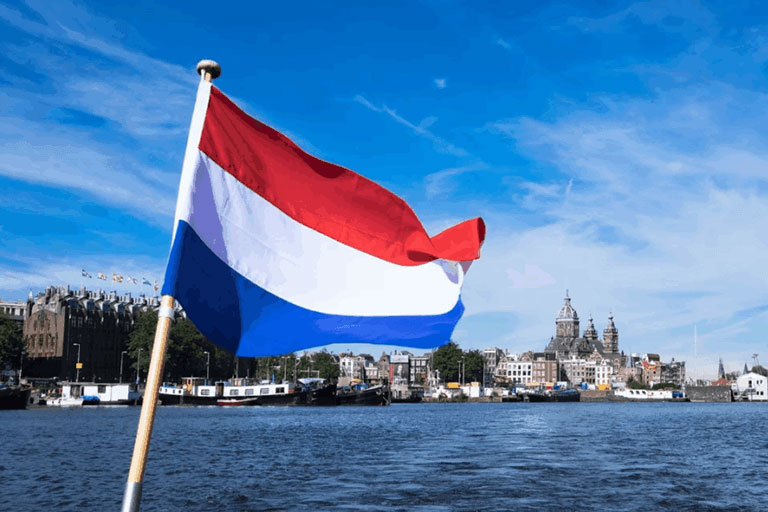
Dutch lawmakers are calling for faster and tougher measures against unlicensed gambling as concerns grow over the scale of the online black market. The debate has placed website blocking, payment infrastructure, online advertising and the legal gambling age firmly on the political agenda.
The issue was examined during a three-hour Gambling Committee debate in the Dutch House of Representatives on 3 September 2026. Members from across the political spectrum discussed the effectiveness of the Netherlands' existing regulatory framework and the continued challenge posed by gambling websites operating outside the country's licensing system.
Dutch lawmakers demand stronger action
The political focus is increasingly shifting towards enforcement against operators that are not authorised to offer gambling services to Dutch consumers. Several lawmakers argued that existing powers are not sufficient to deal efficiently with websites using foreign domains.










Among the representatives raising concerns were members of ChristenUnie, PRO and SGP. The discussions reflected wider parliamentary support for giving Dutch authorities more effective tools to restrict access to websites offering gambling without the required licence.
At the centre of the debate was the potential introduction of broader DNS blocking powers. DNS blocking would allow access to specified websites to be restricted at the domain-name system level, which could provide authorities with an additional mechanism when other enforcement routes are difficult to apply.
State Secretary for Justice and Security K.T. van Bruggen confirmed that draft legislation is being developed. According to the current timetable, a public consultation is expected in early 2027.
Why DNS blocking is gaining attention
The question of website blocking has become more significant because enforcement is more straightforward against Dutch domains than foreign domains. Van Bruggen indicated that websites using the .nl extension can be dealt with more directly while foreign-domain websites can present additional jurisdictional difficulties.
The proposed DNS approach is therefore being considered as a way to extend enforcement capabilities. It remains a legislative proposal rather than an implemented system and its precise legal framework will depend on the consultation and subsequent parliamentary process.
The development reflects a broader effort to address the infrastructure surrounding unlicensed gambling rather than relying solely on direct action against individual operators.
The Kansspelautoriteit, the Dutch gambling regulator, has already identified the wider ecosystem supporting illegal offerings as an enforcement priority. Its regulatory work has included attention to affiliates, payment providers and internet service providers that may facilitate access to unauthorised gambling services.
Payment providers and supporting platforms under scrutiny
Lawmakers also raised concerns about companies and intermediaries that can assist the operation or promotion of unlicensed gambling.
Payment services are a particularly sensitive area because access to banking and other payment channels can help determine whether an offshore operator remains commercially viable. During the debate, parliamentarians called for greater attention to financial intermediaries and other parties that may facilitate payments connected with the illegal market.
The issue is closely linked to the government's intention to establish clearer standards around when a company can be considered to have facilitated illegal gambling activity. Any future rules are likely to be important for businesses operating at the edge of the regulated gambling ecosystem because legal exposure can depend on the nature and extent of the services provided.
This approach is consistent with the Ksa's broader enforcement strategy, which has increasingly focused on the parties and infrastructure surrounding unauthorised gambling rather than only the operators themselves.
Meta and Google face continued political attention
Online advertising was another significant part of the discussion, particularly advertising appearing on major technology platforms.
Lawmakers raised concerns about the role of social media and search platforms in the visibility of gambling-related content. The Dutch government has indicated that it is maintaining dialogue with technology companies including Meta and Google.
KT van Bruggen, Justice State Secretary, commented:
“Meta, especially as one of the parties, but also Google, is really open to this conversation.”
The government also plans to receive reports at six-month intervals concerning illegal gambling advertising on the platforms. At European level, Dutch policymakers are looking towards the Digital Services Act as another framework for addressing unlawful or harmful online activity.
For technology companies, the Dutch discussion underlines the growing expectation that platforms should have effective processes for dealing with gambling advertising that does not comply with applicable rules. Google already requires gambling advertisers to meet country-specific conditions and obtain certification where required. For the Netherlands, Google states that online gambling operators must be licensed by the Kansspelautoriteit to advertise relevant gambling products.
Channelisation remains a key concern
The push for stronger enforcement is closely connected with concerns over channelisation, which measures the extent to which Dutch gambling activity remains within the licensed market.
The latest Ksa monitoring data show a substantial difference between player-based and revenue-based channelisation. In the second half of 2025, around 91% of Dutch online gamblers were estimated to use only legal operators while the channelisation rate measured by gross gambling revenue stood at about 53%.
Earlier Ksa reporting had put revenue-based channelisation at around 49% during the first half of 2025. The regulator subsequently revised the figure in its 2026 monitoring report following a correction to the previous calculation.
These figures are important because they illustrate why policymakers continue to focus on the unlicensed market even though the vast majority of players are still estimated to use legal services.
The Ksa has described tackling the illegal market as a continuing high priority and has linked stronger enforcement to the need to maintain effective player protection.
Gambling age debate returns to parliament
The legal gambling age was another contentious issue during the committee debate. Some politicians again argued that the minimum age should be raised from 18 to 21, particularly for higher-risk forms of gambling such as online slots.
A proposal to increase the age limit for certain activities had already been put forward in 2025. Van Bruggen, however, indicated that the government wants further evidence before taking such a step.
One of the central concerns is the possibility that restricting legal access for younger adults could unintentionally encourage some individuals to turn towards unlicensed gambling websites. The government therefore wants to assess whether a higher age limit would reduce gambling-related harm without creating an unintended shift towards the black market.
That balance is becoming an increasingly important element of Dutch gambling policy. Greater restrictions may strengthen consumer protection within the licensed market while potentially creating incentives for some users to seek less regulated alternatives.
A more interventionist phase for Dutch gambling policy
The parliamentary debate suggests that the Netherlands is moving towards a more interventionist approach to enforcement. Rather than relying primarily on operator-focused action, lawmakers are examining the wider digital and financial infrastructure that can allow unlicensed gambling to reach Dutch consumers.
The proposed DNS legislation will be an important test of that strategy. Its effectiveness will depend not only on the final legal powers but also on how rapidly authorities can identify unlawful websites, respond to domain changes and address supporting services.
At the same time, the government must weigh enforcement against the risk of driving consumers away from the regulated system. The latest Ksa figures demonstrate that legal participation remains high by player numbers while the financial share attributed to the unlicensed market remains materially larger than policymakers would prefer.
Conclusion
The Netherlands is entering a potentially important new stage in its efforts to contain unlicensed gambling. Parliamentary pressure for faster enforcement, proposed DNS blocking powers and greater scrutiny of payment providers and technology platforms all point towards a regulatory model that seeks to address the illegal market more comprehensively.
The planned consultation in early 2027 will provide an important opportunity to examine how far the government intends to go and how the proposed powers can be designed within a clear legal framework. For the gambling sector, technology companies, payment providers and affiliates, the direction of policy is already becoming more apparent.
The central challenge will be to close access to unlicensed gambling without weakening the regulated market that exists to provide consumer safeguards. A durable solution is therefore likely to require more than blocking websites alone. It will depend on coordinated enforcement, responsible advertising practices, effective payment controls and evidence-based decisions on age limits.
For Dutch policymakers, the objective is increasingly clear: make the licensed market more credible and accessible while reducing the space in which unlicensed operators can reach consumers. The next phase of reform will determine whether those goals can be achieved without creating new incentives for gambling activity to move further underground.
FAQs
What is the main issue being discussed by Dutch lawmakers?
The main issue is how to strengthen enforcement against unlicensed gambling websites and reduce the ability of unauthorised operators to reach Dutch consumers.
What is DNS blocking?
DNS blocking is a technical method that can restrict access to specified websites by preventing their domain names from resolving through the domain-name system.
When could the Netherlands consult on new DNS blocking legislation?
The Dutch government is currently expected to begin a public consultation on proposed DNS blocking legislation in early 2027.
Why are payment providers being discussed in the debate?
Lawmakers are examining whether financial intermediaries can facilitate payments connected with unlicensed gambling and whether clearer rules are needed around such activity.
What role do Meta and Google have in the discussion?
Meta and Google have attracted political attention because their platforms can carry gambling-related advertising and content. The Dutch government says it is maintaining dialogue with major technology companies.
What is channelisation in gambling regulation?
Channelisation refers to the proportion of gambling activity or gambling spending that remains with licensed operators rather than moving to unlicensed services.
Has Dutch player channelisation fallen below 50%?
Player-based channelisation remains above 90% according to the latest Ksa reporting. Revenue-based channelisation is much lower and was reported at about 53% for the second half of 2025.
Could the legal gambling age increase from 18 to 21?
The proposal remains under political discussion. The government has indicated that more evidence is needed to determine whether raising the age would reduce harm or encourage some younger adults to use unlicensed websites.
Why is unlicensed gambling considered a regulatory concern?
Unlicensed operators fall outside the Dutch licensing framework and therefore may not be subject to the same player-protection, advertising and compliance requirements that apply to licensed providers.
What happens next for Dutch gambling regulation?
The expected next steps include further parliamentary discussion, development of the DNS blocking proposal and public consultation in early 2027.

Lisa
Welcome. I am an experienced writer and I am ready to help you with all forms of writing needs you require. Education B.A. - linguistics, University of Wisconsin-Whitewater, United States, Graduated 2006.
Related Posts



South Africa’s online gambling activity rises 390%, SRI report finds
October 21, 2026


